Create Your Dream DIY Dog Park: 10 Actionable Ideas for a Backyard Pup Paradise
Let’s be honest—our dogs deserve the world. But between busy schedules and crowded public parks, it’s not always easy to give them the freedom to run, sniff, and play every single day. That’s exactly why I decided to build a DIY dog park right in my own backyard. And you can too.
Whether you have a tiny patch of grass or a sprawling yard, creating a dedicated space for your pup doesn’t have to be complicated or expensive. I’ve gathered 10 practical, budget-friendly ideas that will turn your outdoor area into a safe and exciting dog park. Get ready to grab your tools and let your dog’s tail start wagging.
These ideas are perfect for any skill level. No fancy equipment required—just a little time, some creativity, and a whole lot of love for your four-legged friend.
1. Build a Simple Dig Pit to Save Your Garden
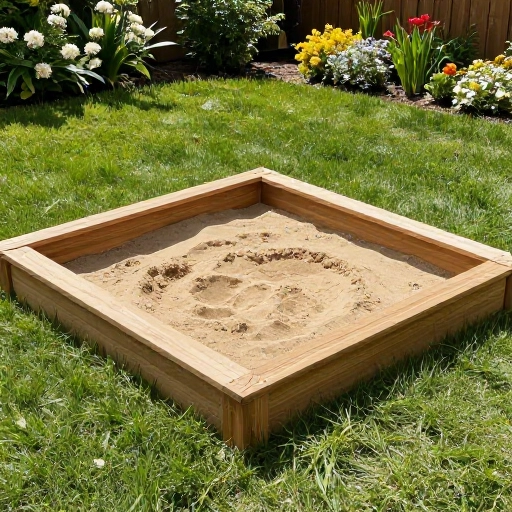
Does your dog love to dig up your flower beds? Instead of fighting it, give them a designated spot. A dig pit is one of the easiest DIY projects you can make. Find a corner of your yard, outline it with bricks or landscape timbers, and fill it with soft sand or loose dirt.
Bury a few toys or treats just beneath the surface to get them started. The first time your pup finds a hidden bone in their own pit, they’ll be hooked. This saves your garden and gives your dog a natural outlet for their instinct.
Pro tip: add a small shade cloth over part of the pit so the sand stays cool in summer.
2. Create an Agility Course with Scrap Materials
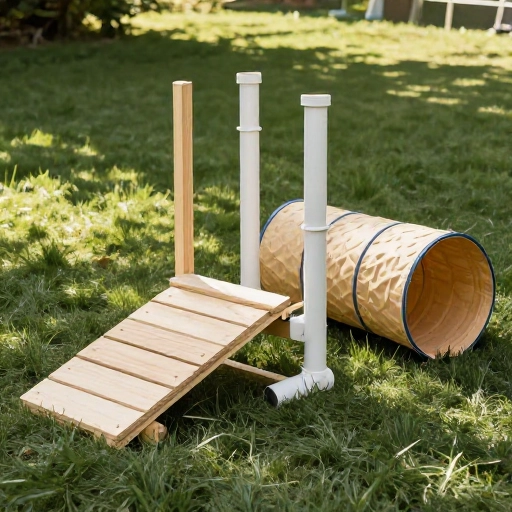
You don’t need expensive equipment to make an agility course. I used old PVC pipes, wooden planks, and even a few pool noodles to build jumps, weave poles, and a low balance beam. Simply place them in a loop around your yard for a fun training circuit.
Start with low jumps and simple weave poles. Guide your dog with treats and praise. This builds confidence, burns energy, and strengthens your bond. And the best part? You can change the layout anytime to keep things fresh.
If you have a hula hoop, hang it from a low branch for a fun “jump through” obstacle. Your dog will love showing off their new skills.
3. Install a DIY Splash Pad for Hot Days
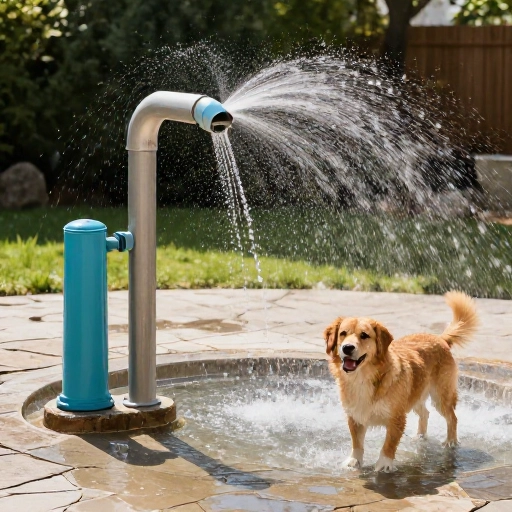
When summer heat hits, nothing beats a splash pad. You can make one with a simple PVC pipe frame, a hose attachment, and a few small holes drilled along the top. Attach it to your garden hose and watch your dog go wild.
I placed mine on a patch of grass near the patio. The water drains naturally, and my pup stays cool for hours. If you want an even simpler version, just lay out a large plastic tarp and sprinkle it with water—but a real splash pad feels like a luxury.
Always supervise water play, and make sure your dog has access to fresh drinking water nearby.
4. Design a Sniffing Zone with Hidden Treats
Dogs experience the world through their noses. A sniffing zone is a low-cost, high-fun addition to any DIY dog park. Choose a small area with grass or wood chips, then scatter treats, kibble, or scented toys for your dog to find.
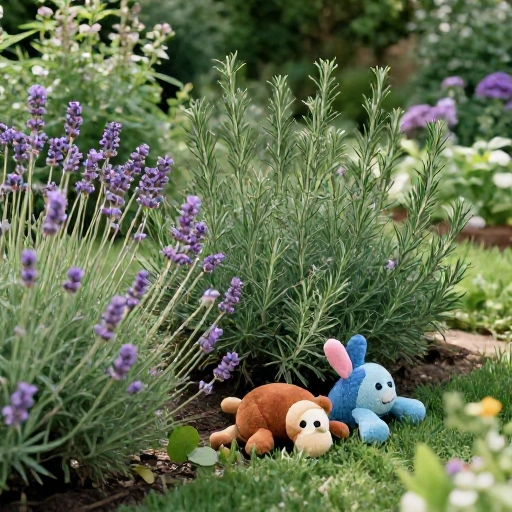
You can also plant dog-safe herbs like mint or rosemary. Let the plants grow a bit, then let your dog explore the new smells. This mental stimulation is just as tiring as a long walk, and it’s incredibly easy to set up.
Change up the hiding spots each week to keep your pup guessing. Their nose will thank you.
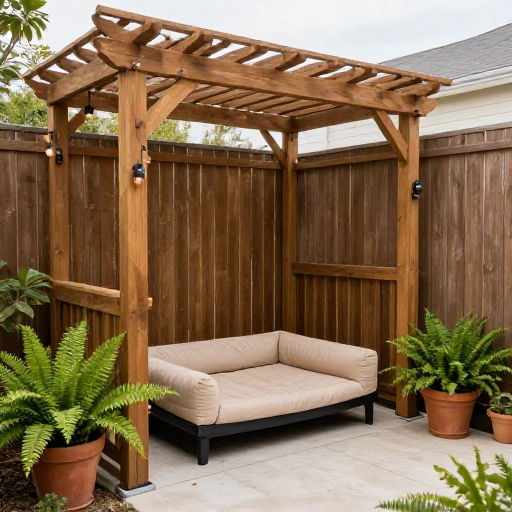
5. Build a Shaded Chill Zone with a Dog Cot
Every dog park needs a place to rest. A simple dog cot is easy to build with a wooden frame and heavy-duty fabric. It lifts your dog off the hot ground and allows air to circulate underneath. Place it under a tree or attach a canopy for extra shade.
I made mine from an old crib mattress frame and some canvas. It took about an hour and cost almost nothing. My dog uses it for afternoon naps and watching the neighborhood from a safe spot.
Add a water bowl nearby and you have the perfect relaxation station.
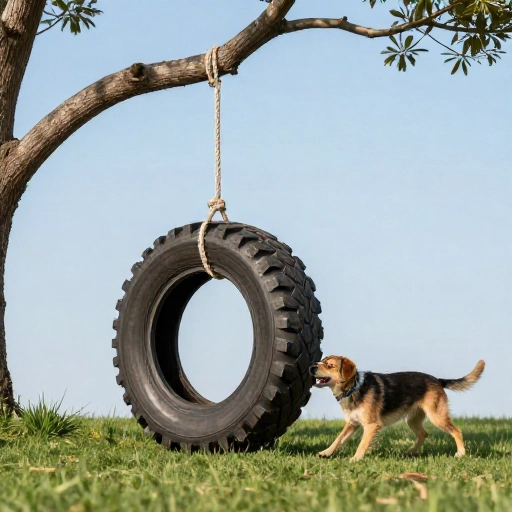
6. Set Up a Tire or Rope Pulling Station
If your dog loves to tug, a pulling station is a must. Hang a sturdy rope or an old tire from a strong tree branch or a wooden post. Make sure it’s high enough that your dog can grab it but not get tangled.
This is great for strong chewers and play-driven pups. It satisfies their natural urge to pull and wrestle without wearing out your arm. Just check the rope regularly for fraying and replace it when needed.
For safety, supervise play and avoid leaving it out overnight in wet weather.
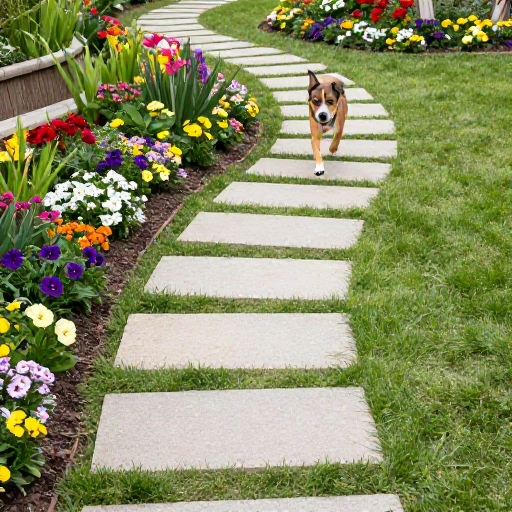
7. Mark a Running Path with Garden Stepping Stones
Does your dog love to race around the yard? Create a simple running path using flat stepping stones or landscape edging. Lay them in a loop or figure-eight pattern. This gives your dog a clear route to follow during zoomies.
You can also use spray paint or flags to mark the path at first. Once your dog learns the route, they’ll run it on their own. It’s especially fun if you have two dogs—they love chasing each other around the track.
Add a few small bumps or turns to make it more interesting. Your dog will feel like a true athlete.
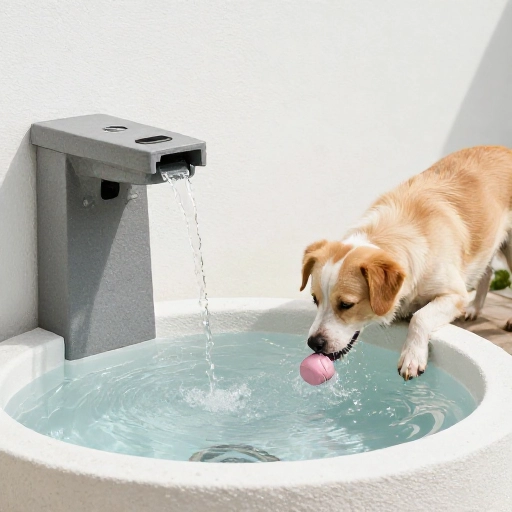
8. Add a Low-Cost Water Feature for Play
Dogs are naturally drawn to moving water. A small, shallow kiddie pool or a recirculating water fountain can become the centerpiece of your DIY dog park. I found a used plastic pond liner and made a tiny dog-friendly fountain.
Fill it with a few inches of water and add some floating toys. Some dogs love to splash, while others just like to drink from the moving water. Either way, it adds a calming element to your space.
Keep the water clean by changing it every couple of days, and ensure the edges are not slippery.
9. Make a Treat-Dispensing Puzzle Wall
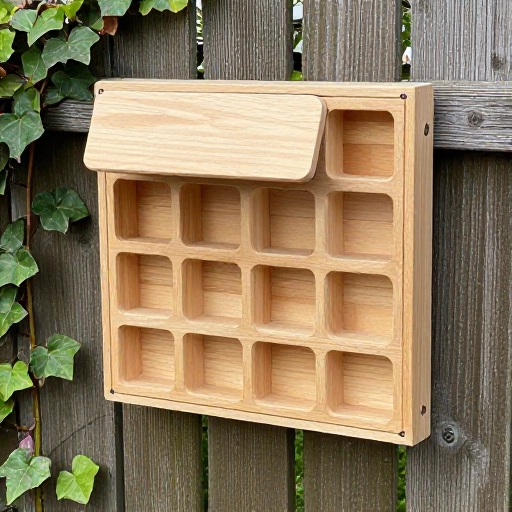
Turn a fence or wooden wall into an interactive puzzle. Attach small containers, tubes, or fabric pockets at different heights. Hide treats or kibble inside and let your dog figure out how to get them out.
I used old PVC pipes cut in half and screwed to the fence. My dog has to nudge, paw, and sniff to release the treats. It’s mentally engaging and perfect for rainy days when you can’t go out.
Rotate the puzzles every few days to keep the challenge alive. Your dog will never get bored.
10. Create a Vertical Play Wall for Small Yards
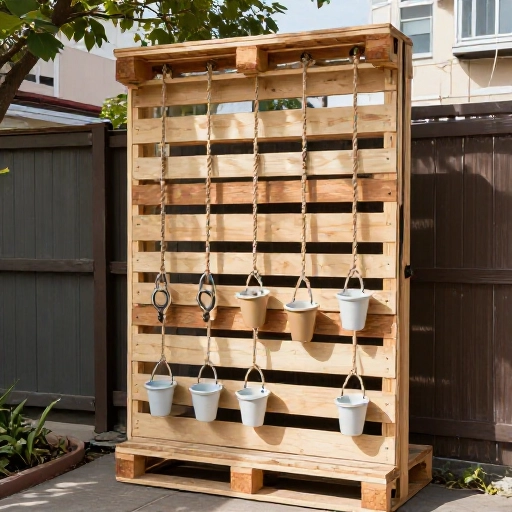
If you’re short on space, go vertical. A play wall uses a fence or wooden panel to hold toys, ropes, and even a small ball launcher. Attach different textures like fleece strips, rubber mats, and suction cup toys.
This is especially great for apartment balconies or tiny patios. Your dog can jump, bat, and tug without needing much floor space. I mounted a few old dog toys to a pallet and leaned it against the wall—instant fun.
Make sure everything is securely attached so nothing falls and startles your pup.
Conclusion: Your DIY Dog Park Awaits
Building a DIY dog park at home doesn’t have to be overwhelming. Start with just one or two ideas that fit your yard and your dog’s personality. You’ll be amazed at how quickly your pup falls in love with their new space. And honestly, watching them run, dig, and play in a place made just for them is one of the best feelings in the world.
Remember, the goal is fun and safety. Keep things simple, use what you have, and always supervise play. Your dog will thank you with endless tail wags and happy barks.
Frequently Asked Questions
Q: How much space do I need for a DIY dog park?
A: You don’t need a huge yard. Even a 10×10 foot area can work for a dig pit, a sniffing zone, or a small agility setup. Focus on quality over quantity.
Q: What’s the safest surface for a backyard dog park?
A: Grass is great, but it can get muddy. Wood chips, pea gravel, or rubber mulch are also safe and drain well. Avoid sharp stones or treated wood that could splinter.
Q: Can I build these projects if I’m not handy?
A: Absolutely. Most of these ideas use basic materials and simple tools. Start with the easiest one—like a sniffing zone or a kiddie pool—and build your confidence from there.
Q: How do I keep my dog safe while using the DIY park?
A: Always supervise your dog, especially with new features. Check for loose parts, sharp edges, or worn ropes regularly. Provide fresh water and shade, and never leave your dog unattended.
Q: Will my dog actually use the agility or puzzle features?
A: Most dogs love them once they understand the game. Start with treats and praise to show them how it works. Be patient and keep sessions short and fun. Soon they’ll be racing to the obstacles.