How to Stop a Puppy From Biting: 10 Gentle Tricks That Actually Work
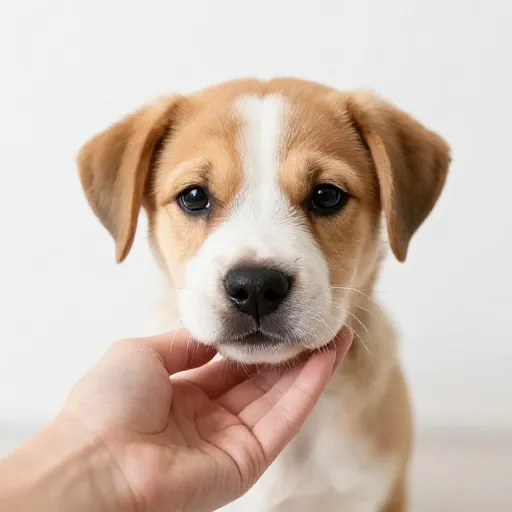
If you’ve just brought home a fluffy little land shark, you already know the struggle. Those tiny needle teeth are adorable until they’re latched onto your fingers, your ankles, or your favorite sweater. Puppy biting is completely normal—they explore the world with their mouths just like human babies do. But that doesn’t make it any less painful.
I remember my own pup’s “shark phase” and wondering if I was doing something wrong. The good news is you’re not stuck with a bitey monster forever. With a few simple techniques and a whole lot of consistency, you can teach your puppy that human skin is not a chew toy. Let’s get into the real, practical strategies that worked for me and countless other dog owners.
1. The Yelp-and-Pause Trick (It’s Not What You Think)
This is the classic method, but it only works if you do it right. When your puppy bites too hard, let out a high-pitched “ouch!” or yelp. Make it sound like a hurt puppy, not like you’re scolding them. Then, immediately stop playing and turn away. Cross your arms, look away, and stay totally still for about 15 seconds.
The key is to mimic what a littermate would do. When puppies play and one bites too hard, the other one yelps and stops the game. Your pup will start to connect the dots: hard bite equals fun stops. If your puppy is extra excited, you might need to leave the room entirely and close a door behind you for a minute.
One big warning: don’t yelp too dramatically. Some puppies actually find the yelp exciting and think it’s part of the game. If you notice your pup getting more wound up by your reaction, skip this one and try the next trick instead.
2. The Power of the Time-Out
Sometimes puppies are just overtired and overstimulated, and no amount of yelping will calm them down. That’s when time-outs are your best friend. The moment your puppy bites, calmly say “too bad” or “time out” and lead them to a quiet, boring space like a bathroom or a laundry room.
Keep it short—just 30 seconds to a minute. The goal isn’t to punish your puppy; it’s to give them a chance to settle down. After the time-out, let them back out and try some gentle play again. If they immediately bite again, repeat the process. Most pups learn pretty fast that biting means no fun time.
I honestly think this saved my sanity. It’s so easy to get frustrated when you’re covered in scratches, but a quick break helps both of you reset. Just make sure the time-out spot isn’t scary—it should just be boring.
3. Redirection Is Your Secret Weapon
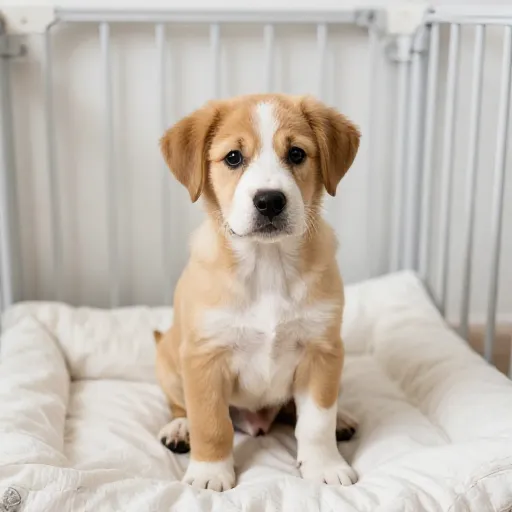
Puppies bite because they need to chew. It’s that simple. So instead of trying to stop the behavior completely, give them something appropriate to sink their teeth into. Keep a variety of toys scattered around the house—stuffed animals, rubber chews, rope toys, and even frozen treats.
The moment your puppy’s mouth heads toward your hand, quickly shove a toy in front of them. The key is timing. You want to redirect before they make contact, not after. Watch for the “pre-bite” cues—that crouching position, the wiggly butt, the intense stare. That’s your signal to grab a toy.
It’s not going to be perfect at first. Sometimes your puppy will still go for your fingers even with a toy right there. That’s normal. Just keep redirecting and rewarding them when they choose the toy instead of your hand. Consistency is everything here.
4. Use the “It’s a Puppy, Not a Piranha” Rule for Clothes
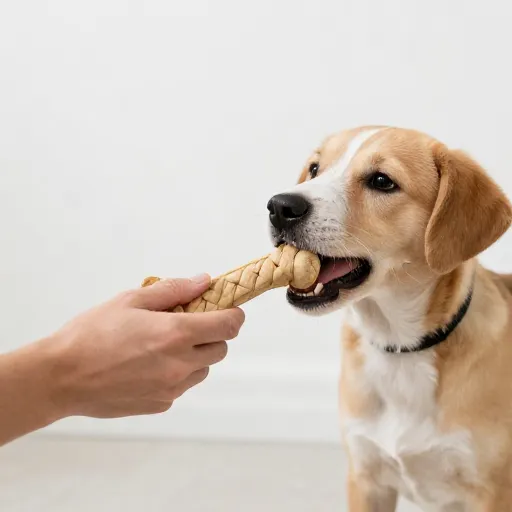
Does your puppy grab your pant legs, shoelaces, or sleeves? This is super common because loose fabric moves and feels like a fun game. The fix is to stop wearing things that are too tempting. Okay, that’s not totally realistic, but you can change how you move.
When your puppy grabs your pants, don’t pull away. Pulling makes you look like prey. Instead, stop moving completely. Go limp. Let your body be a boring tree. Within a few seconds, your puppy will likely let go out of confusion. Then you can redirect them to a toy.
Also, try not to walk away quickly with flappy pants on. For the first few weeks, I basically lived in tight-fitting joggers and avoided flowy dresses. It’s a small sacrifice for a bite-free future.
5. Teach “Leave It” Early
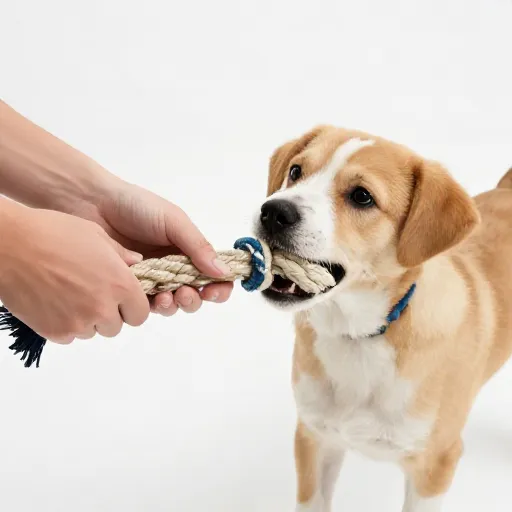
“Leave it” is one of the most useful commands you can teach any puppy, and it’s perfect for biting. Start by holding a treat in a closed fist. Let your puppy sniff and lick it, but don’t open your hand. The second they pull their nose away, even for a split second, say “yes!” and give them the treat from your other hand.
Repeat this until your puppy understands that backing off earns them a reward. Then you can start using the command when they’re mouthing your hand. Say “leave it” in a calm, firm voice and offer a toy instead. It’s a longer process, but it builds serious impulse control.
This command will come in handy far beyond puppyhood. I use it every single day, whether it’s for dropped food on the sidewalk or a squirrel in the yard. It’s absolutely worth the time investment.
6. Don’t Forget the Power of a Good Nap
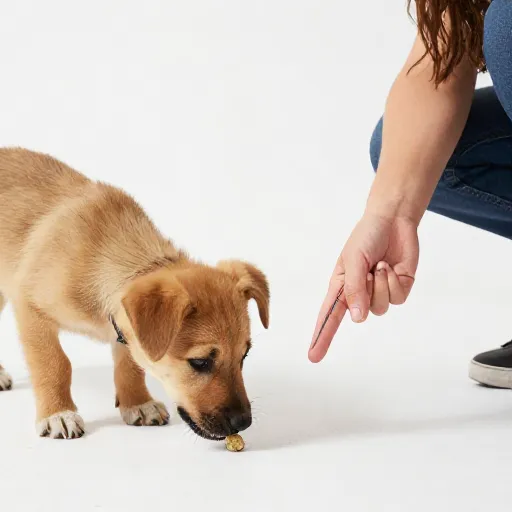
Here’s a secret that took me way too long to figure out: a bitey puppy is often a tired puppy. Just like toddlers, puppies get cranky and act out when they’re exhausted. And they need way more sleep than you might think—usually 18 to 20 hours a day.
If your puppy is biting more than usual, check the clock. Have they been awake for more than an hour or two? If so, it’s probably nap time. I know this is counterintuitive because your puppy seems wild and full of energy, but that’s exactly what an overtired pup looks like.
Create a cozy crate or a quiet corner and encourage your puppy to settle down. Use a chew toy or a frozen treat to help them relax. You’ll be amazed at how much calmer they are after a solid nap. This single tip probably reduced my puppy’s biting by 50%.

7. Use Frozen Treats and Food Toys
Teething is a big reason puppies bite so much. Between 4 and 6 months, they’re losing baby teeth and growing adult ones, which is genuinely uncomfortable. Frozen treats can be a lifesaver during this phase. The cold numbs their gums and satisfies that intense urge to chew.
Try freezing a wet washcloth or a rubber Kong stuffed with plain yogurt or peanut butter. You can also get special teething rings designed for puppies. Give these to your pup during their most bitey times, like in the evening when they seem extra cranky.
Food toys are also great because they keep your puppy’s brain busy. A puppy that’s working on a puzzle or licking a frozen treat isn’t biting you. It’s a simple swap that gives both of you a much-needed break.
8. Play Bitey-Face Games (Safely)
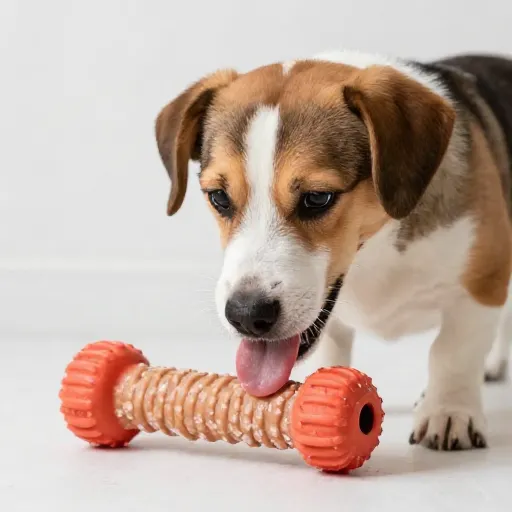
This sounds counterproductive, but it actually works. “Bitey-face” is a game where you let your puppy mouth your hands or arms gently, but you set clear boundaries. It helps them learn bite inhibition—the ability to control how hard they bite.
Start by letting your puppy mouth your hand. If they bite too hard, yelp or say “gentle” and stop the game. When they use a softer mouth, praise them and keep playing. Over time, your puppy learns that soft mouthing is okay, but hard biting ends the fun.
You can gradually increase the criteria. First, you accept very light pressure. Then, you only accept no pressure at all. This is how puppies learn to have a “soft mouth” even when they’re excited. It’s a skill that will keep you and others safe for the rest of their life.
9. Set Your Puppy Up for Success with Management
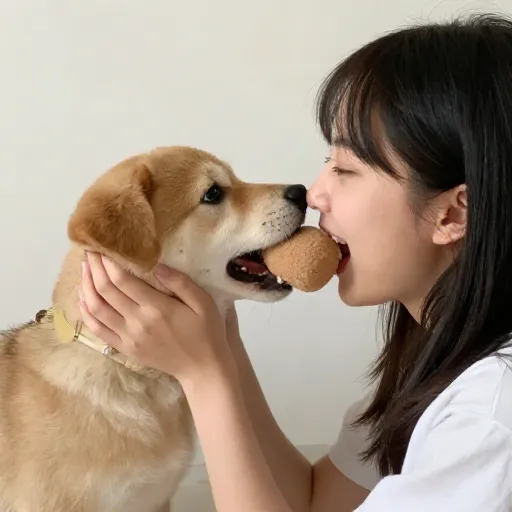
Sometimes the easiest way to stop biting is to prevent it from happening in the first place. That’s where management comes in. If your puppy always bites when you’re sitting on the couch, keep a toy basket right next to the couch. If they always bite during certain times of day, make sure they have a chew toy ready.
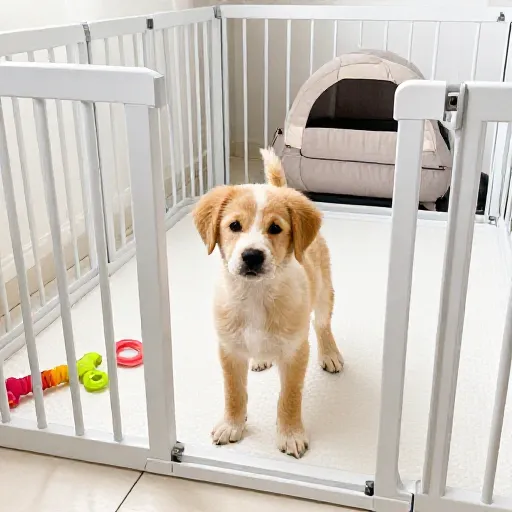
You can also use gates or playpens to create safe zones. If you can’t supervise your puppy 100% of the time, put them in a puppy-proofed area. This prevents them from practicing bad habits like biting your rug or chewing on your coffee table.
Think of it this way: you’re not being lazy, you’re being smart. Management is a huge part of dog training. The less your puppy practices biting, the faster they’ll forget about it. And the more you practice good habits, the stronger those pathways become.
10. Stay Consistent and Don’t Give Up
Finally, the most important tip is simply to be consistent. Puppies learn through repetition. If you let them bite sometimes but not others, they get confused. You need to have the same reaction every single time, from every single person in the house.
This is hard, I won’t lie. It’s exhausting to constantly redirect, yelp, and do time-outs. There were days I felt like I was living with a tiny dinosaur. But I promise you, it gets better. Most puppies grow out of the worst of the biting by 5 to 6 months old, especially with good training.
Keep your expectations realistic. Your puppy isn’t trying to hurt you—they’re just being a puppy. With patience, love, and consistency, you’ll get through this phase. And one day, you’ll realize your puppy hasn’t bitten you in weeks. That day is worth all the effort.
Final Thoughts on Stopping Puppy Biting
Puppy biting is one of the toughest parts of raising a young dog. It’s painful, frustrating, and sometimes feels like it will never end. But it absolutely does end. The key is to combine several of these strategies, stay patient, and remember that your puppy is learning right along with you.
Every time you redirect a bite, every time you do a time-out, every time you offer a frozen chew instead of your hand—you’re teaching your puppy valuable life skills. You’re not just stopping a bad behavior; you’re building trust and communication. That’s the real goal.
So take a deep breath. Grab some toys. Get some frozen treats ready. And remember that this phase is temporary. In a few months, you’ll have a dog with a soft mouth and a happy heart, and you’ll barely remember the shark days.
FAQ: Puppy Biting Questions Answered
Why does my puppy bite me and not my partner?
Puppies often bite the people they feel most comfortable with. If your puppy is always biting you, it’s actually a sign that they see you as their safe person. They’re just playing with you like they would with a littermate. It’s annoying, but it’s also kind of sweet.
How long does the puppy biting phase last?
Most puppies start to improve significantly by 4 to 5 months old. The worst biting usually happens between 8 and 16 weeks. By the time they’re 6 months old, most puppies have grown out of the intense mouthing phase, especially if you’ve been consistent with training.
Is it okay to spray my puppy with water when they bite?
I’d skip the water spray. It might stop the behavior in the moment, but it doesn’t teach your puppy what to do instead. Plus, some puppies get scared or anxious, which can damage your bond. Positive methods like redirection and time-outs work better in the long run.
Should I let my puppy bite me to show them it hurts?
No! You don’t need to let your puppy bite you at all. The yelp-and-stop method works well, but you don’t have to endure pain to teach your puppy. If the biting is too hard, use a toy or walk away. Your safety and comfort matter too.
What if my puppy bites out of aggression?
True aggression in puppies is rare. Puppies almost always bite because they’re playing, teething, or overstimulated. However, if your puppy shows stiff body language, growls, or snaps without playful cues, it’s worth consulting a professional dog trainer or your vet to rule out any issues.