How to Train a Dachshund to Be Alone
Start With Short Alone Sessions
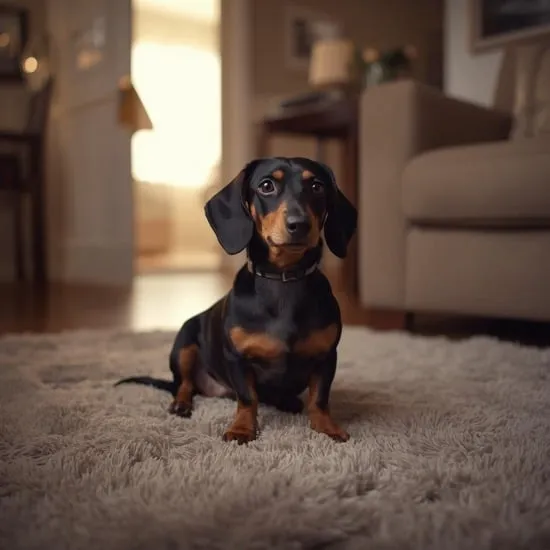
When I first tried teaching my Dachshund to be alone, I quickly realized that this breed is incredibly attached and emotional. Even stepping outside for a minute made him whine. So I started with very short alone sessions—just a few minutes at a time—so he could slowly get used to the idea of being by himself.
These tiny windows of alone time built his confidence without overwhelming him. Over several days, I increased the length little by little. It wasn’t fast, but it was gentle and effective. Eventually, he understood that being alone didn’t mean I was leaving him forever.
That slow progress made our bond stronger, and his anxiety became easier to manage with every session.
Give Them a Safe, Comforting Space
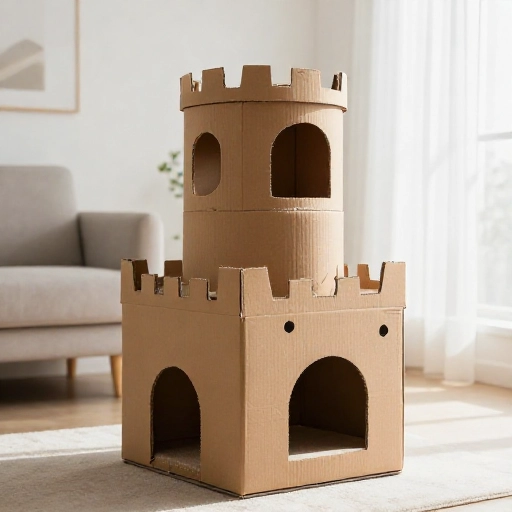
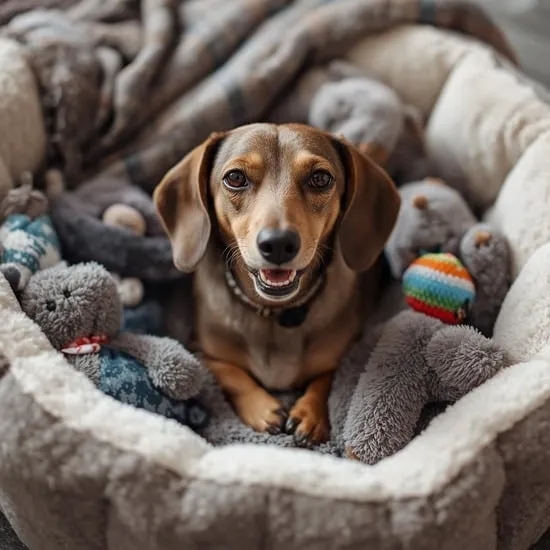
Creating a cozy spot made a huge difference for my Dachshund. I set up a soft blanket, his favorite toys, and a comfortable bed in a quiet corner of the house. This became his “safe zone,” a place he associated with calmness and security.
Having this familiar space helped him settle down faster whenever I stepped away. Dachshunds love routine and comfort, so giving them a dedicated area helps them relax instead of panicking when they’re alone.
Practice Calm Exits and Entries
I used to give big emotional goodbyes before leaving the house, and that only made my Dachshund more stressed. Once I switched to calm, neutral exits—quietly grabbing my things and walking out without drama—he responded so much better.
The same applied when I returned home. Waiting until he was calm before greeting him taught him that staying relaxed was the behavior that earned attention. It made a huge difference in his emotional control.
Keep Your Dachshund Mentally Busy
My Dachshund struggled with boredom, which made being alone even harder for him. So I started leaving puzzle toys, chew treats, and slow-feed toys to keep his mind active. When he had something fun to focus on, he didn’t stress as much about me being gone.
Mental stimulation works wonders for Dachshunds because they are intelligent, curious, and easily distracted by activities they enjoy.
Use Background Sounds for Comfort
Leaving soft background noise—like calming music or a gentle podcast—helped my Dachshund feel less alone. Silence used to make him more alert and reactive to outside noises, but steady sounds relaxed him.
This simple trick made the home feel more familiar and helped create a soothing environment during the first hours of alone training.
Exercise Before Leaving
A tired Dachshund is a calmer Dachshund. Before leaving, I always made sure to give him a quick walk or a short play session. This helped burn off energy, making it much easier for him to settle down when I was gone.
Even 15 minutes of activity changed everything. Instead of pacing around, he often napped until I returned.

Take Training Slowly and Be Patient
Dachshunds are emotional and sensitive. Some days my dog handled alone time perfectly, and other days it felt like we were starting over. But what mattered most was staying patient and consistent. Training a Dachshund to be alone isn’t a quick process—it’s a gentle journey.
With steady practice, reassurance, and lots of love, he eventually learned that being alone wasn’t something to fear. The progress was slow, but it was real and long-lasting.
Reward Calm, Independent Behavior
Whenever my Dachshund stayed calm during alone time or greeted me without anxiety, I always rewarded him with praise or a small treat. Positive reinforcement taught him that independence was a good thing, not something scary.
This boosted his confidence and helped him understand exactly what behavior I wanted. Over time, he became more secure, relaxed, and emotionally steady—even when I wasn’t home.