The Ultimate New Puppy Essentials Checklist Every Dog Parent Needs
Bringing home a new puppy is one of the most exciting, chaotic, and wonderful experiences. I remember the first night with my little furball—she was a tiny ball of energy, and I was completely unprepared. I had a bowl and a bag of food, but that was about it. I spent the next week running to the store every single day for things I should have bought beforehand.
That’s why I put together this super practical checklist. It’s not just a list of random stuff; it’s everything you actually need to survive the first few weeks. Whether you’re a first-time dog parent or a seasoned pro, this guide will make sure you have a happy, safe, and stress-free start with your new best friend.
Let’s dive into the good stuff so you can focus on the cuddles, not the chaos!
1. The Perfect Puppy Food and Feeding Supplies
Your puppy’s diet is the foundation of their health. Start with the same food the breeder or shelter was giving them to avoid an upset tummy. You can slowly transition to a new brand if you want, but do it gradually over a week. Look for high-quality puppy formulas that list meat as the first ingredient.
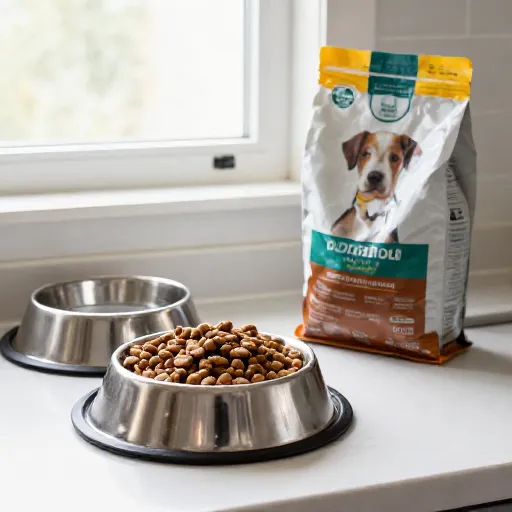
You’ll need two stainless steel bowls—one for food and one for water. Stainless steel is durable, easy to clean, and doesn’t harbor bacteria like plastic can. A slow feeder bowl is a lifesaver if your pup inhales their food like a vacuum cleaner, which mine definitely does.
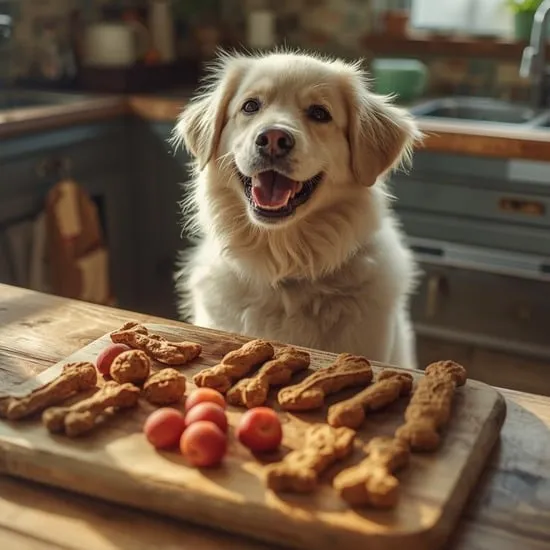
Don’t forget about treats! Get soft, small training treats that are easy to break into tiny pieces. You’ll be giving a lot of them during potty training and basic commands, so keep them healthy and low in calories.
2. A Cozy Crate and a Comfy Bed
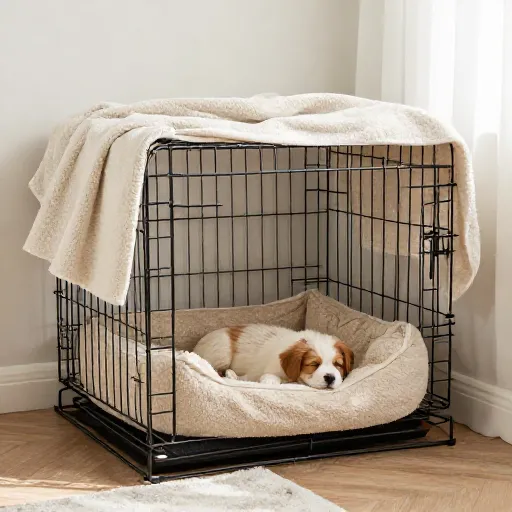
Crate training is not cruel—it gives your puppy a safe den where they can relax and sleep. The crate should be big enough for them to stand up, turn around, and lie down comfortably. If you have a large breed, look for one with a divider so you can adjust the size as they grow.
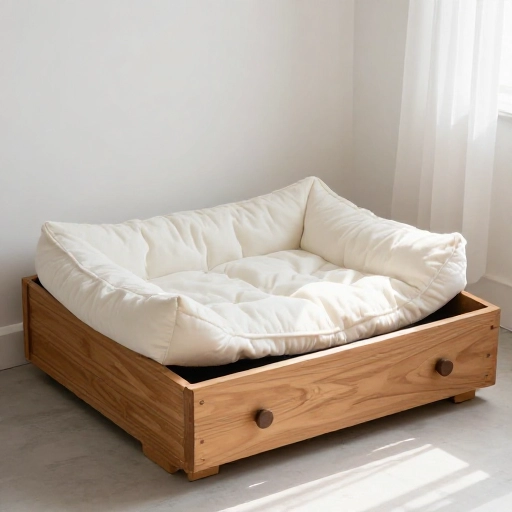
Place a soft, washable bed inside the crate. Puppies love to snuggle into something cozy, and having a designated spot helps them feel secure. I recommend getting a bed with a removable, machine-washable cover because accidents happen—a lot.
Keep the crate in a quiet corner of your main living area. Your puppy wants to be near you, so don’t isolate them in a laundry room. A covered crate can also help block out light and create a calm sleeping environment.
3. Potty Training Must-Haves
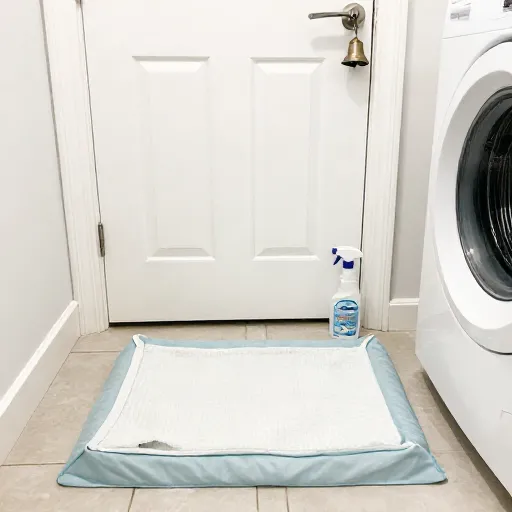
Potty training is the biggest hurdle, but the right tools make it easier. You’ll need Enzymatic cleaner—this is non-negotiable. Regular cleaners don’t break down the urine enzymes, so your puppy will keep going back to the same spot. An enzyme cleaner removes the scent completely.
Puppy pads are useful for those middle-of-the-night emergencies or if you live in an apartment. However, try to transition to outdoor potty breaks as soon as possible so they don’t get confused about where it’s okay to go.
A sturdy leash and a poop bag dispenser are essential for those frequent walks. Also, consider getting a small bell to hang on the door. You can train your puppy to ring it when they need to go out—it sounds fancy, but it’s actually pretty easy to teach.
4. Collars, Leashes, and ID Tags
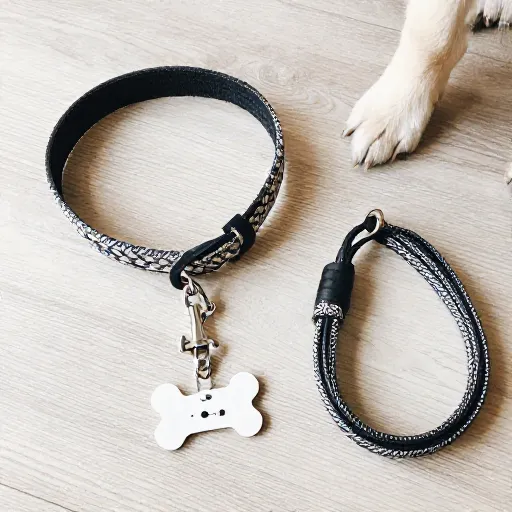
Safety first! Your puppy needs a properly fitted collar. You should be able to fit two fingers between the collar and their neck. A breakaway collar is a good option for puppies who play rough or get caught on things.
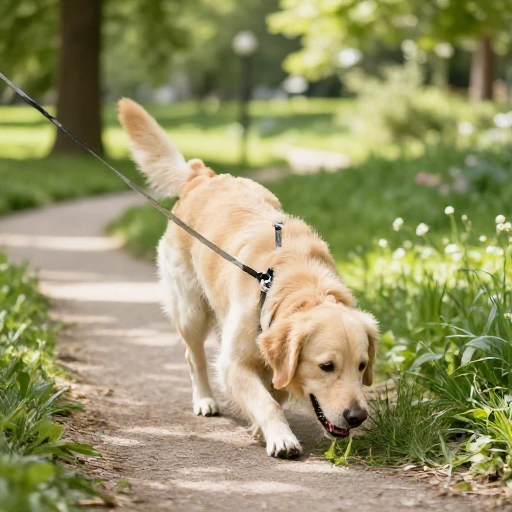
Get a lightweight, standard leash (about 6 feet long) for everyday walks. Avoid retractable leashes for now—they’re hard to control and can be dangerous for a puppy who’s still learning to walk politely. A harness is also a great investment, especially for breeds prone to tracheal issues.
Don’t skip the ID tag! Even if your puppy is microchipped, a visible tag with your phone number is the fastest way for a stranger to return them to you. Make sure to update the tag if you move or change numbers.
5. Chew Toys and Teething Relief
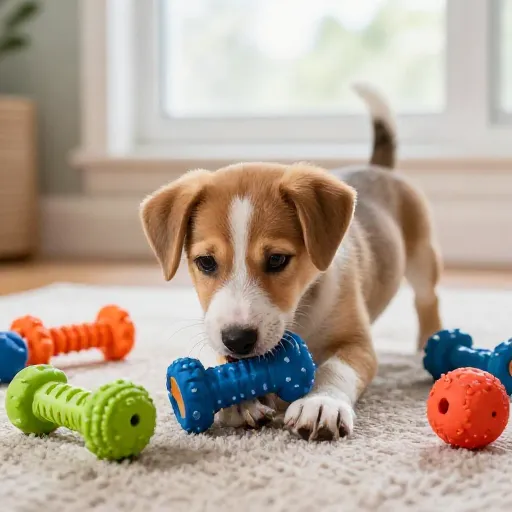
Puppies chew. A lot. Their gums hurt when they’re teething, and they’ll chew on anything—shoes, furniture, cords—if you don’t give them better options. Stock up on a variety of chew toys made of different textures: rubber, rope, and soft plush.
Kong toys are amazing because you can stuff them with peanut butter or treats and freeze them. The cold soothes their gums and keeps them busy for a while. Just make sure the size is appropriate for your puppy’s jaw.
Rotate the toys every few days to keep them interesting. If your puppy loses interest in one, put it away for a week and bring it back—it’ll feel like a brand new toy to them.
6. Grooming Tools for a Shiny Coat
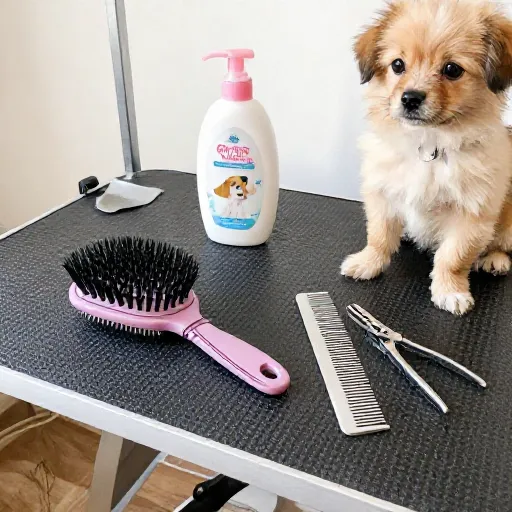
Grooming isn’t just about looking cute; it’s about keeping your puppy healthy. Start with a soft bristle brush to get them used to being handled. Brush them gently every day—this also helps you spot any skin issues or fleas early.
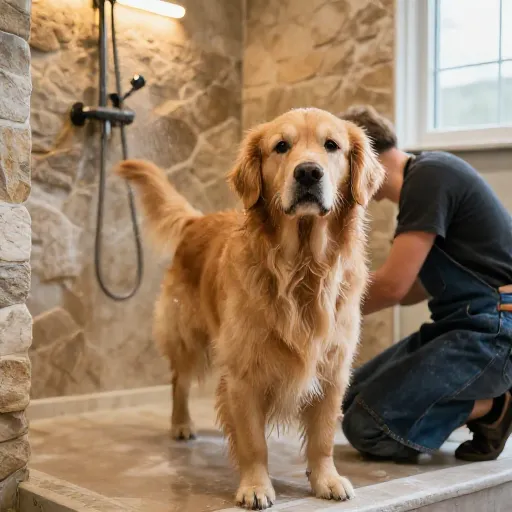
You’ll also need a gentle puppy shampoo. Their skin is sensitive, so use a formula made specifically for puppies. A non-slip bath mat is a game-changer—it keeps them from sliding around in the tub and freaking out.
Don’t forget a nail clipper or grinder. Trimming nails is tricky, so get the kind with a safety guard to prevent cutting the quick. If your puppy is squirmy, ask a vet or groomer to show you the first time.
7. Health and First Aid Kit
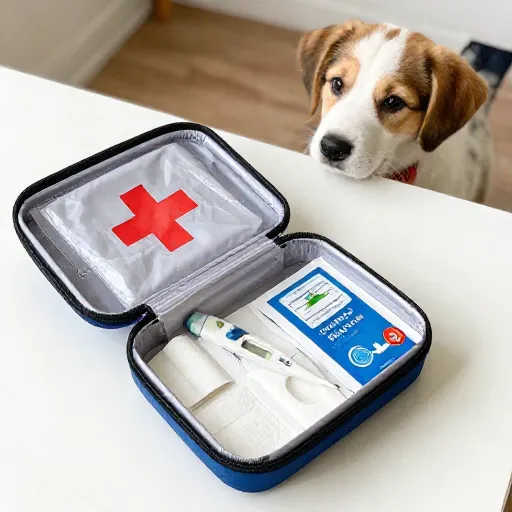
Accidents happen, so be prepared. A basic pet first aid kit should include gauze pads, adhesive tape, antiseptic wipes, tweezers, and a digital thermometer. You can buy a ready-made kit or assemble your own in a small plastic box.
Add a bottle of styptic powder to stop bleeding if you accidentally cut a nail too short. It’s a lifesaver in a panic moment. Also, include a pet-safe antiseptic spray for minor cuts and scrapes.
Keep the number of your emergency vet posted on the fridge. You never know when you’ll need it, and having it handy saves precious time in a crisis.
8. Training Aids and Mental Stimulation
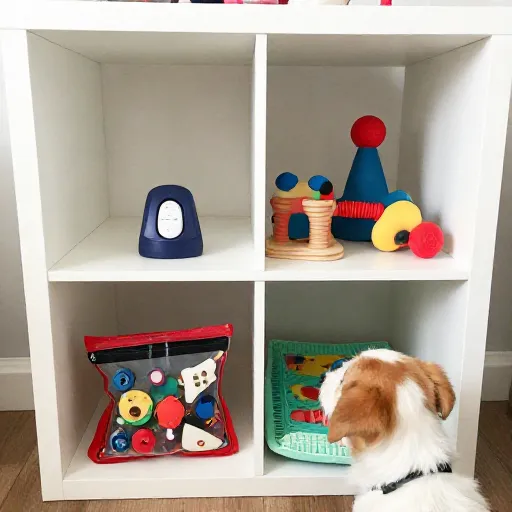
Puppies are smart and need mental challenges, not just physical exercise. A treat pouch is a must-have for training sessions—it keeps treats handy and your hands free. Fill it with tiny, pea-sized treats so you can reward good behavior instantly.
Puzzle toys are fantastic for keeping your puppy occupied. They have to figure out how to get the treats out, which tires their brain out faster than a run around the park. This is especially useful when you need to get work done.
Consider a clicker for clicker training. The sound marks the exact moment your puppy does something right, which makes training much clearer for them. It’s a small tool that makes a big difference.
9. Car Safety and Travel Gear
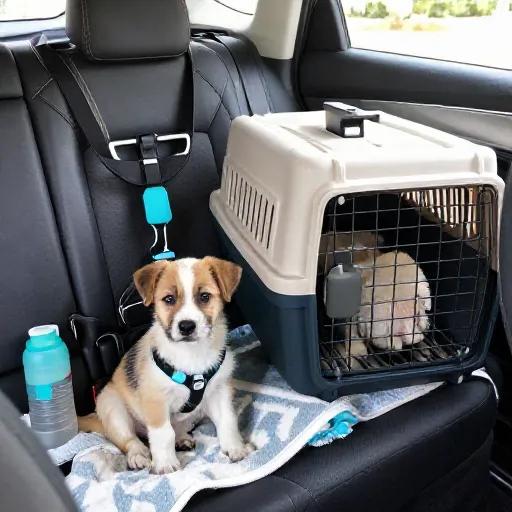
You’ll need to take your puppy to the vet, to the park, or to visit friends. A crash-tested car harness or a travel crate is essential for their safety—and yours. A loose puppy in a car is a huge distraction and a danger in an accident.
If you use a harness, make sure it’s specifically designed for car travel. The seatbelt clip should attach to the harness, not their collar. Test the fit before you hit the road.
Bring along a travel water bottle with a bowl attachment. Puppies get thirsty, especially on longer trips. A portable water dispenser is a simple way to keep them hydrated without making a mess.
10. Patience, Love, and a Routine
This is the most important item on the list, and it’s free. Puppies are a lot of work. They’ll wake you up at 3 a.m., have accidents, and chew your favorite shoes. But they’re also learning, and they need your patience more than anything.
Create a daily routine for feeding, potty breaks, and playtime. Puppies thrive on predictability. A consistent schedule helps them feel secure and makes training so much easier. Stick to it, even on weekends.
Don’t forget to take a million photos. The puppy stage goes by so fast, and you’ll blink and suddenly have a full-grown dog. Enjoy the chaos, the snuggles, and the unconditional love. It’s worth every ruined shoe.
Final Thoughts on Your Puppy Checklist
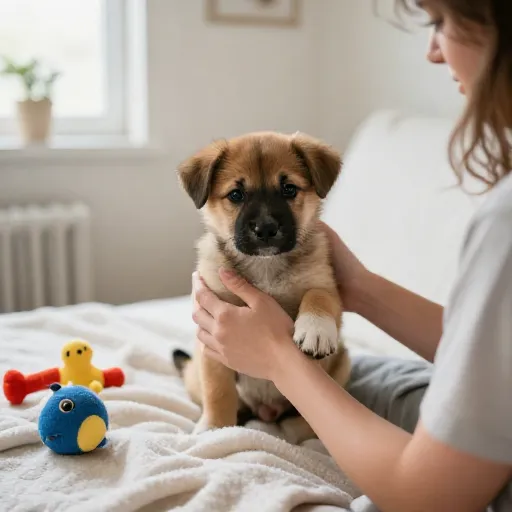
Bringing home a puppy is a big adjustment, but having the right supplies makes all the difference. You don’t need to buy everything at once—start with the basics and add as you go. The most important thing is to create a safe, loving environment where your puppy can thrive.
Remember, every puppy is different. What works for one might not work for another. Be flexible, observe your pup’s cues, and adapt. You’ll learn together, and that’s the beauty of it. You’ve got this!
Frequently Asked Questions
Q: When should I start puppy training classes?
A: Most trainers recommend starting as soon as your puppy has had their first vaccinations, usually around 8-10 weeks. Early socialization is key, so look for classes that are specifically for puppies.
Q: How many toys does a puppy really need?
A: Quality over quantity. Start with 3-5 different types of toys (chew, plush, puzzle, rope). Rotate them to keep things fresh. You can always add more later.
Q: Should I get pet insurance for my puppy?
A: It’s a personal choice, but I highly recommend it. Puppies are curious and can get into trouble. Insurance can save you thousands in unexpected vet bills. Get quotes from a few companies before you decide.
Q: How long does potty training take?
A: It varies, but most puppies get the hang of it within 4-6 months. Consistency is everything. Take them out frequently, reward every success, and never punish accidents—just clean them up quietly.
Q: What’s the best way to introduce my puppy to other pets?
A: Do it slowly and on neutral ground. Keep the first meeting short and supervised. Let them sniff each other, but watch for any signs of stress. Give your older pet plenty of attention so they don’t feel jealous.