Puppy Training Schedule by Age: The Complete Month-by-Month Guide for a Well-Behaved Dog

Bringing home a new puppy is one of the most exciting, exhausting, and wonderful experiences. But let’s be real—those tiny paws come with a lot of questions. When should I start potty training? Is it too early for basic commands? Why does my puppy bite everything in sight?
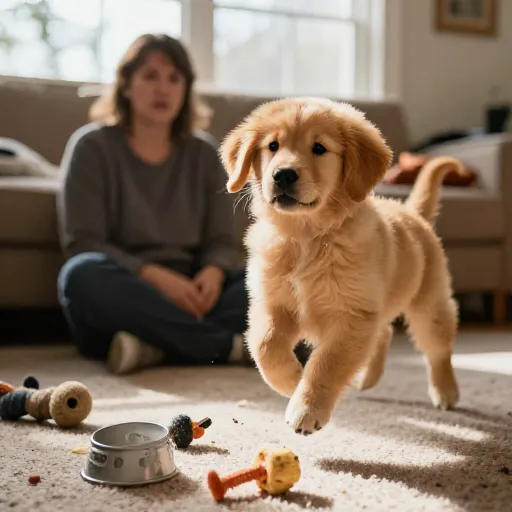
I remember standing in my kitchen with a floppy-eared ball of chaos, feeling completely overwhelmed by conflicting advice. The truth is, puppies develop in stages, and their training should match their age. What works for a 12-week-old won’t work for a 6-month-old. That’s why I put together this simple, month-by-month puppy training schedule—so you can skip the guesswork and enjoy the journey.
Think of this as your friendly roadmap. No judgment, no perfectionism—just clear milestones to help you and your pup grow together.
8-10 Weeks: The Critical Socialization Window Begins
This is the golden age for socialization. Your puppy is like a tiny sponge, soaking up every sight, sound, and smell. Their brain is primed to accept new experiences without fear, which makes this the perfect time to introduce them to the world.
Start with gentle handling—touch their paws, ears, and mouth. This builds trust and prevents future grooming battles. Carry your puppy around your neighborhood so they can observe cars, bikes, and people from the safety of your arms.
At this stage, keep training sessions super short—just 2-3 minutes. Your puppy’s attention span is basically a goldfish. Focus on building positive associations with their crate, their name, and your hands.
Remember, socialization doesn’t mean meeting everyone. It means creating calm, positive experiences. If your puppy seems scared, slow down. You’re building a foundation of confidence.
10-12 Weeks: Introducing the Potty Routine
Okay, let’s talk about the thing every new puppy parent obsesses over—potty training. At 10-12 weeks, your puppy has better bladder control, but they still need frequent breaks. A good rule? Take them out every 2 hours, plus after every meal, nap, and play session.
Choose a designated potty spot outside and always take them to the same place. Use a specific word like “go potty” when they start sniffing. The moment they finish, celebrate like they just won a gold medal. Treats and happy voices work wonders.
Expect accidents. They will happen. When they do, clean up without fuss and move on. Never punish your puppy for accidents—it only teaches them to hide from you. Instead, watch for signs like circling or sniffing and whisk them outside immediately.
Set a consistent feeding schedule. What goes in on a schedule comes out on a schedule. This simple step makes potty training ten times easier.
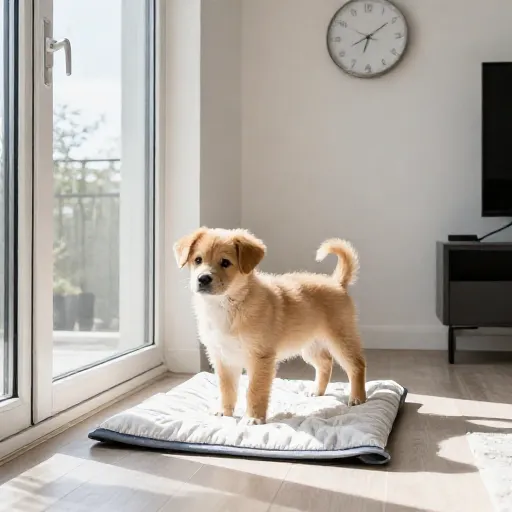
12-14 Weeks: Start Basic Commands
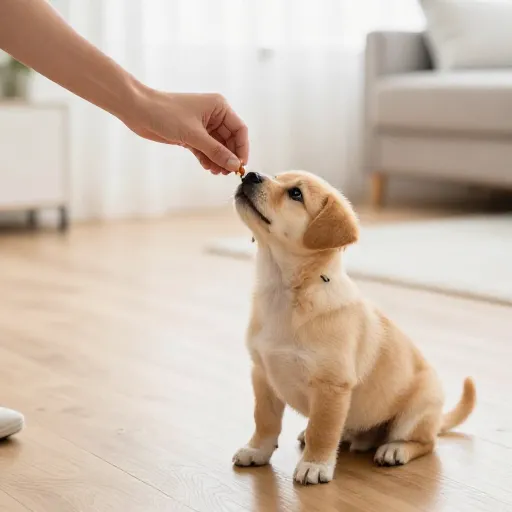
Now your puppy is ready to learn the essentials. “Sit,” “down,” and “come” are perfect starting points. These commands build communication and give your puppy a job to do. Puppies love having a job.
Use high-value treats—tiny pieces of chicken or cheese work great. Show your puppy the treat, then guide them into position. Say the word as they move, then reward. Keep it playful and light. If they lose interest, end the session and try again later.
Practice in a quiet room with no distractions. Your living room floor is the perfect classroom. Once they master commands indoors, you can slowly add distractions.
Be consistent with your words. If you say “sit” today and “sit down” tomorrow, your puppy gets confused. Pick one word per action and stick with it.
14-16 Weeks: Crate Training and Alone Time
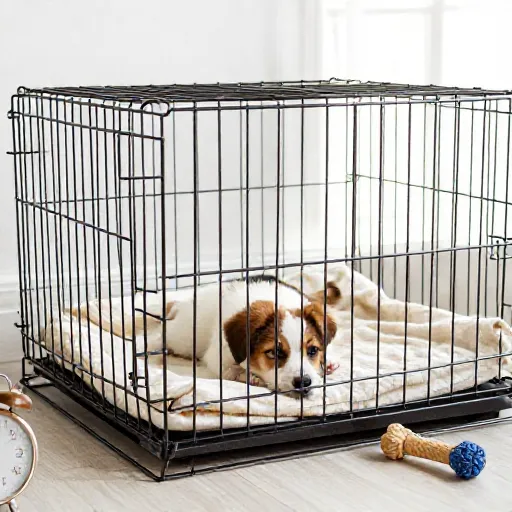
The crate can be your best friend, but only if you make it a happy place. At this age, puppies are more independent and can start learning to be alone. Start with short periods—just 5-10 minutes—while you’re in another room.
Make the crate cozy with a soft blanket and a safe chew toy. Give your puppy a treat every time they enter voluntarily. Never use the crate as punishment. This is their den, their safe space.
Gradually increase alone time, but be mindful of their bladder. A 14-week-old puppy can hold it for about 4 hours max. Set up a schedule that works for your puppy’s needs—not just your convenience.
If your puppy whines in the crate, don’t rush to let them out. Wait for a quiet moment, then reward that calm behavior. You’re teaching them that being calm equals freedom.
4-5 Months: Leash Walking Like a Pro
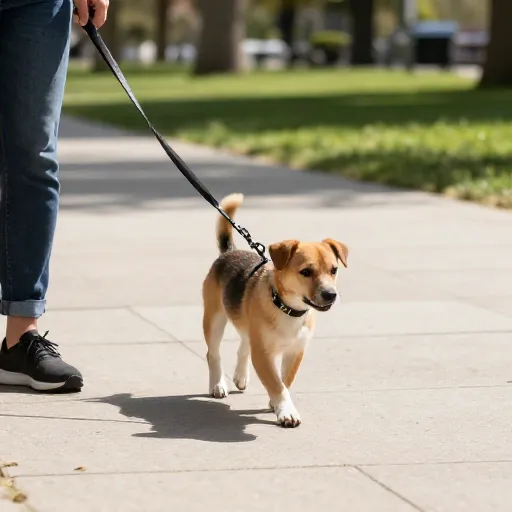
Ah, leash training. This can be a humbling experience. Your puppy might pull, freeze, or do the “dead weight” flop. Take a deep breath—this is completely normal. At 4-5 months, your puppy is strong enough to pull but not yet mature enough to understand why they shouldn’t.
Start indoors with a lightweight leash. Let them drag it around so they get used to the feeling. Then pick up the leash and follow them. Once they’re comfortable, practice walking in your yard or a quiet sidewalk.
Reward every step they take with a loose leash. If they pull, stop moving. Wait until the leash slackens, then continue. You’re teaching them that pulling gets them nowhere, but walking nicely gets them everywhere.
Keep walks short and fun. A 10-minute walk with lots of sniffing is better than a 30-minute battle. Sniffing is mental exercise, and a tired puppy is a good puppy.
5-6 Months: The Teenage Rebellion
Welcome to puppy adolescence. Your sweet baby might suddenly forget everything they learned. They might ignore you when you call, test boundaries, and become a little stubborn. This is normal, but it doesn’t mean training stops.
Double down on positive reinforcement. Increase the value of your treats and make training sessions more fun. Play games like hide-and-seek or fetch to keep them engaged. Short, varied sessions work better than long, boring drills.
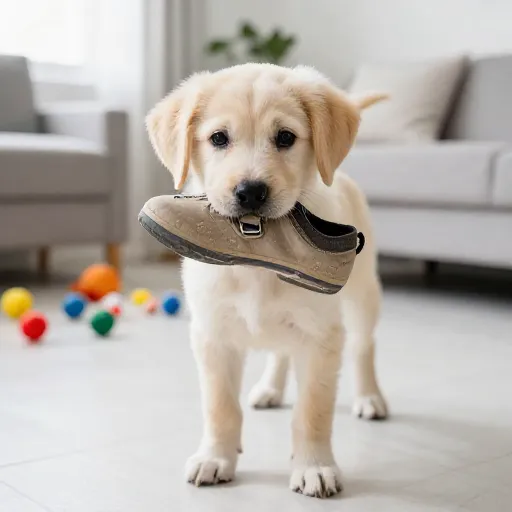
This is also the time to strengthen “leave it” and “drop it.” Adolescence brings a sudden interest in everything—socks, shoes, sticks, and other dogs’ poop. These commands will save your sanity.
Keep your sense of humor. There will be days when you wonder if you’re doing everything wrong. You’re not. This is just a phase, and consistency will get you through it.
6-7 Months: Impulse Control and Manners
Now that the teenage crazies are settling down (a little), it’s time to focus on impulse control. This means teaching your puppy to wait, stay, and make good choices even when exciting things are happening.
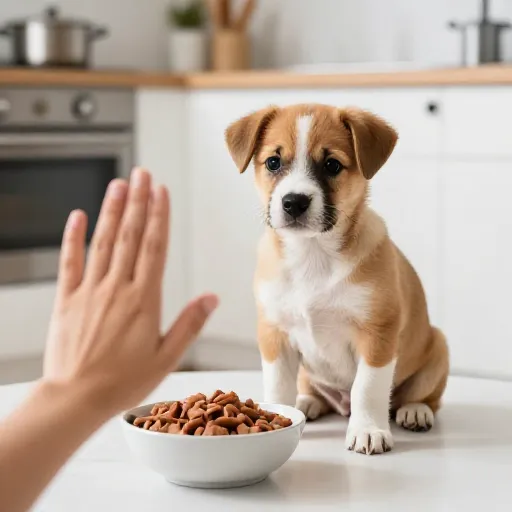
Practice “wait” before meals. Have your puppy sit while you put down their food bowl, then release them with a cue like “okay.” This teaches patience and prevents food-guarding behaviors. Practice waiting at doors before going outside.
Introduce the “settle” command. This teaches your puppy to relax on their mat or bed. It’s incredibly useful for busy households. Reward calm behavior frequently during the day—not just during training sessions.
If you haven’t already, start practicing recalls with distractions. Go to a park with a long leash and call your puppy back from interesting things. Always reward generously when they come to you. You want coming to you to be the best thing ever.
7-9 Months: Advanced Tricks and Enrichment
Your puppy’s brain is now capable of learning complex tasks. This is a fantastic time to introduce fun tricks like “roll over,” “spin,” or “play dead.” These tricks build your bond and give your puppy mental stimulation.
Puzzle toys are your best friend right now. Snuffle mats, treat-dispensing balls, and puzzle boards keep their brain busy and prevent destructive boredom. Rotate their toys regularly to keep things fresh and exciting.
Consider enrolling in a group class. At this age, your puppy can handle a classroom setting and learn to focus around other dogs. It’s a great confidence booster and strengthens your communication.
Remember that physical exercise is important, but so is mental exercise. A 15-minute training session can be more tiring than a 2-mile run. Mix it up to create a well-rounded, happy pup.
9-11 Months: Solidifying Good Habits
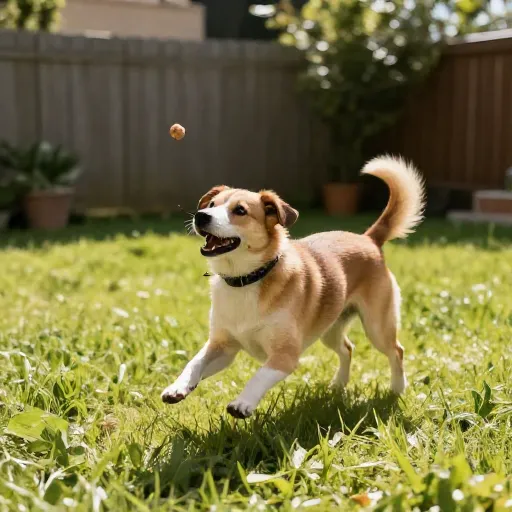
Your puppy is almost a full-grown dog now, though they might still have puppy moments. This is the time to proof all their training. Practice commands in new places—the park, the sidewalk, your friend’s backyard. A command isn’t truly learned until it works everywhere.
Start introducing more real-world experiences. Take them to a pet-friendly store, walk past a busy school, or sit on a bench and watch people pass by. Keep these outings positive and end them before your puppy gets overwhelmed.
This is also the age to address any lingering behavioral issues. If your puppy still jumps on guests or barks at the doorbell, now is the time to fix it. The longer a habit sticks, the harder it is to break.
Stay patient and consistent. You’re in the home stretch. Your puppy is becoming a wonderful companion, and all your hard work is paying off.
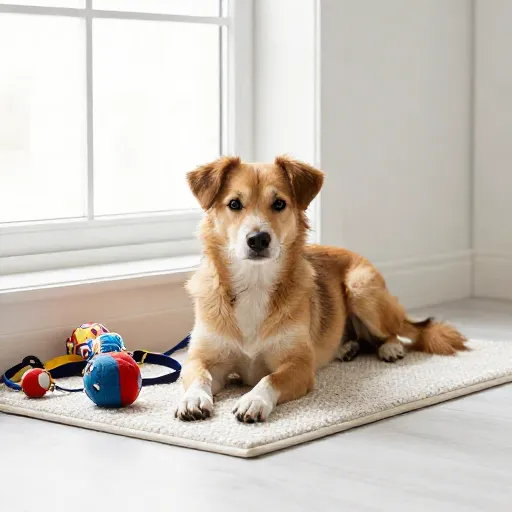
11-12 Months: Preparing for Adulthood
You made it. Your puppy is about to turn one. They might still have bursts of puppy energy, but their training foundation is solid. Now it’s time to refine and maintain all those good behaviors.
Create a daily routine that includes exercise, training, play, and rest. Dogs thrive on predictability. A structured day keeps them calm and confident. Make sure they get plenty of downtime to chew, nap, and just be a dog.
Keep up with occasional refresher sessions. You don’t need to drill every day, but a quick 5-minute session a few times a week keeps skills sharp. This is also a good time to revisit any commands that have gotten rusty.
Celebrate how far you’ve come. Remember those first chaotic weeks? Look at your dog now. You built this bond through patience, consistency, and love. That’s something to be proud of.

Conclusion
Training a puppy is a marathon, not a sprint. There will be messy moments, frustrating days, and plenty of chewed-up shoes. But there will also be moments of pure joy—the first time they sit on command, the first peaceful walk, the first time they cuddle up beside you.
Remember that every puppy learns at their own pace. Some pick up potty training in a week; others take months. That’s okay. What matters is that you show up every day with kindness and consistency. Your puppy is always trying their best—even when it doesn’t seem like it.
Give yourself grace, too. You’re learning along with your pup. As long as you’re both happy and healthy, you’re doing great.
Frequently Asked Questions
How long does it take to potty train a puppy?
Most puppies grasp the basics within 4-6 weeks of consistent training, but full reliability usually comes around 5-6 months. Some breeds take longer. Patience is key.
What if my puppy ignores treats during training?
Try higher-value treats like cooked chicken, cheese, or freeze-dried liver. You can also try using a favorite toy as a reward instead. Every puppy has a different motivation.
Is it too late to train my 6-month-old puppy?
Absolutely not. While early training is ideal, dogs can learn at any age. Older puppies might have some bad habits, but with consistency and positive reinforcement, they can absolutely learn new behaviors.
How much exercise does a puppy need?
A good rule is 5 minutes of exercise per month of age, twice a day. So a 4-month-old puppy gets about 20 minutes per session. Focus on low-impact activities like walking and sniffing to protect growing joints.
Should I use a crate during the day?
Yes, but in moderation. Puppies need naps, and a crate provides a safe, quiet place to rest. Just make sure your puppy gets plenty of playtime and bathroom breaks throughout the day. The crate should never be a prison.