Natural Yeast Remedies Your Dog Will Love!
If your dog is scratching more than usual, licking their paws, or giving off that funky “Fritos” smell, yeast might be the culprit. It’s super common, especially in floppy-eared pups or dogs who love a good swim. Instead of rushing for harsh meds, I’ve found some gentle kitchen staples that work wonders.
These natural remedies are easy to prep, safe when used right, and honestly? Most dogs think they’re treats. We’re talking plain yogurt, apple cider vinegar, and a few other surprises. Let’s dive into ten remedies your pup will actually enjoy.
Always check with your vet before trying something new, especially if your dog has allergies or health issues. Ready to help that itchy pup feel better? Let’s go.
1. Plain Unsweetened Yogurt: The Gut Helper
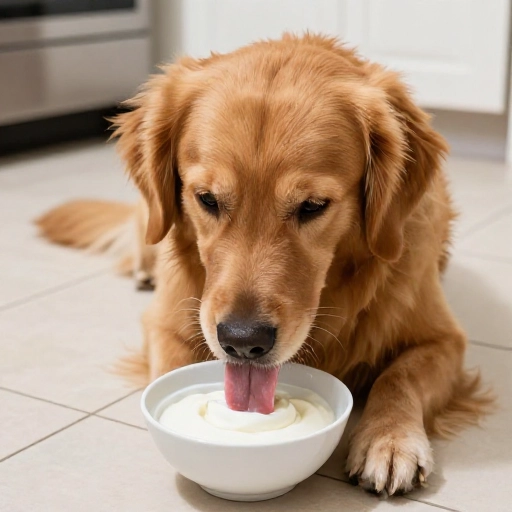
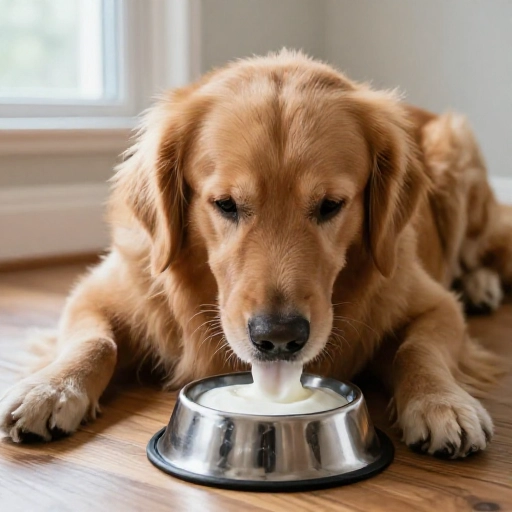
Probiotics are yeast’s worst enemy. Plain, unsweetened yogurt with live cultures helps balance the good bacteria in your dog’s gut. When the gut is happy, yeast has a much harder time taking over.
Start with just a tablespoon for small dogs, two for medium, and three for large breeds. Stir it into their dinner or freeze it in a Kong toy for a cool treat. Avoid any yogurt with artificial sweeteners, especially xylitol—it’s toxic for dogs.
Your pup will lick the bowl clean, and you’ll notice less scratching within a week or two.
2. Apple Cider Vinegar Spray: The Ear Saver
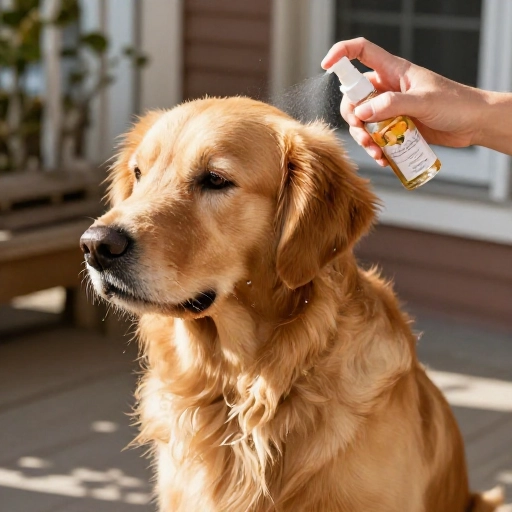
Yeast loves warm, moist places like ears and paw folds. Apple cider vinegar (ACV) changes the pH of the skin, making it less inviting for yeast. Raw, unfiltered ACV with the “mother” is best.
Mix one part ACV with one part filtered water in a spray bottle. Gently spritz your dog’s paws or wipe their ears with a cotton ball soaked in the solution. Never pour it directly into a broken or infected ear—that stings!
Do this once a day for a week. Most dogs tolerate it well, and the smell fades fast. Bonus: it also repels fleas a bit.
3. Coconut Oil: The Topical Soother
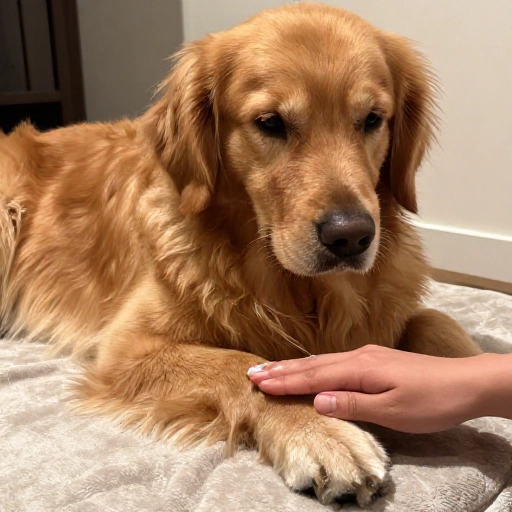
Coconut oil has natural antifungal properties from lauric acid. It’s a triple threat: you can rub it on itchy spots, add it to meals, or use it as a paw balm. Plus, most dogs think it tastes like a treat.
For topical use, warm a small amount in your hands and massage it onto red, yeasty areas. For internal use, start with a quarter teaspoon for small dogs, up to one tablespoon for large dogs, mixed into food.
Too much can cause loose stools, so go slow. A little goes a long way toward soothing that angry, yeasty skin.
4. Raw Apple Cider Vinegar in Water
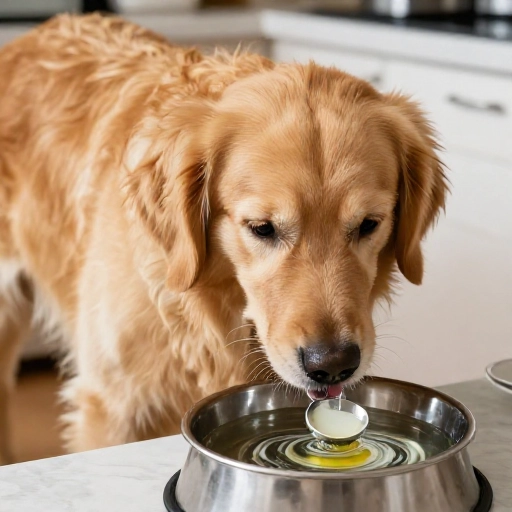
Adding a tiny bit of ACV to your dog’s drinking water can help from the inside out. It gently supports digestion and creates a less yeast-friendly environment throughout the body.
Add one teaspoon per 50 pounds of body weight to their water bowl. Change the water daily and don’t force it if your dog refuses—some pups hate the taste. Start with a smaller amount and increase slowly.
This is a gentle daily habit, not a quick fix. Over a few weeks, you might notice less ear gunk and fewer itchy episodes.
5. Slippery Elm: The Gut Liner
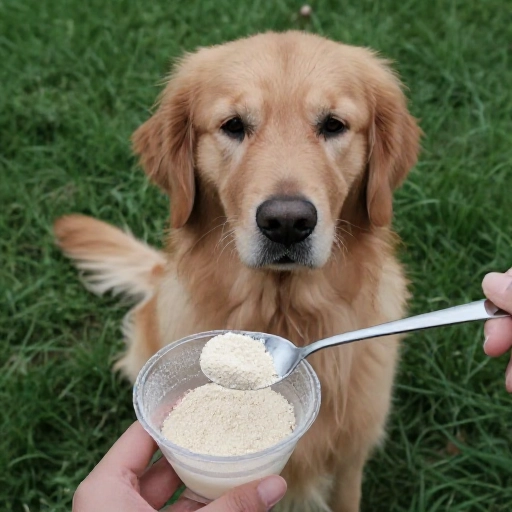
Slippery elm bark powder is a gentle herb that coats the digestive tract. It soothes inflammation and helps the gut heal from yeast overgrowth. Think of it as a calming tea for your dog’s insides.
Mix a half teaspoon (for small dogs) to one teaspoon (for large dogs) with warm water to form a slurry. Give it 30 minutes before or after meals, not with other meds.
It’s tasteless, so most dogs won’t mind it mixed into a bit of bone broth or plain pumpkin. Use it for a week or two to reset the system.
6. Pumpkin Puree: The Fiber Fix
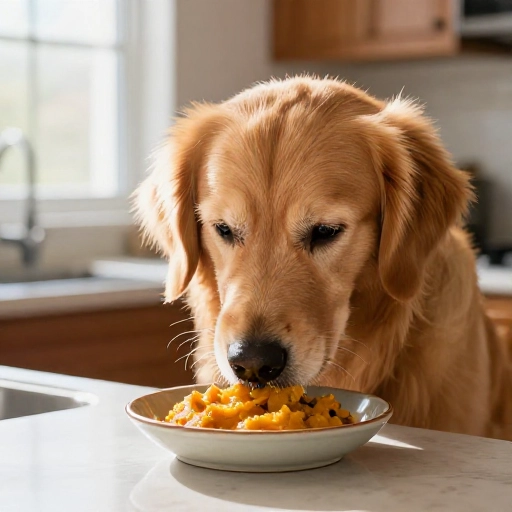
Plain canned pumpkin (not pie filling!) is packed with fiber. Fiber helps move things along in the gut, which means yeast has less time to multiply. It also firms up loose stools caused by yeast issues.
Start with one tablespoon for small dogs, two for medium, and three for large dogs per meal. Mix it into their food or freeze it in ice cube trays for a cool summer snack.
Your dog will love the taste, and you’ll love how regular their digestion becomes. Just watch their weight—pumpkin has calories.
7. Calendula Tea Rinse: The Skin Healer
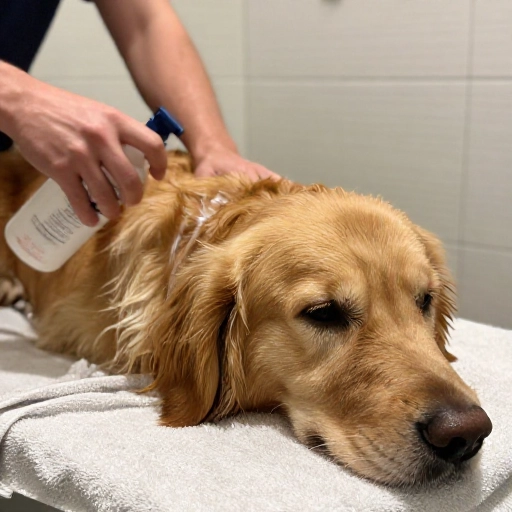
Calendula flowers are a gentle, natural antifungal and anti-inflammatory. A simple tea rinse can soothe hot, red yeast patches on your dog’s belly, paws, or armpits. It’s super mild and safe even for sensitive pups.
Steep a tablespoon of dried calendula in boiling water for 10 minutes. Let it cool completely, then pour it over your dog after a bath or dab it on affected areas with a cloth.
Do this a few times a week. The orange flowers won’t stain, and your dog will smell like a meadow. It’s a calming ritual for both of you.
8. Low-Carb Diet Swap: Starve the Yeast
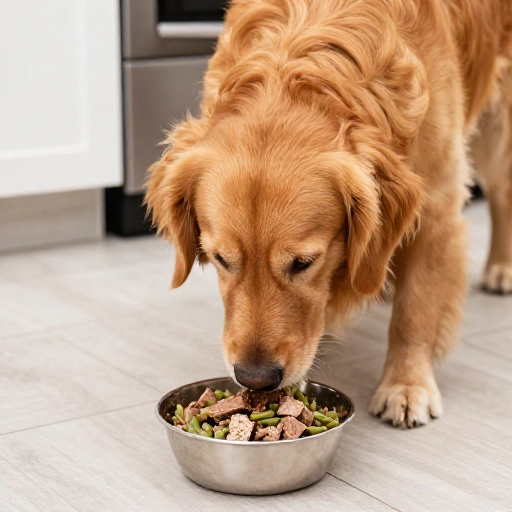
Yeast feeds on sugar and carbs. Switching to a low-carb diet can really starve out the overgrowth. Look for grain-free or limited-ingredient foods with high-quality protein and healthy fats.
Swap out starchy treats like biscuits for freeze-dried meat, green beans, or small pieces of cucumber. Even cutting out one high-carb meal per week can make a difference.
Your dog might be grumpy at first, but within a month, you’ll see clearer skin and fewer yeast-related odors. Trust me, it’s worth the grumpy side-eye.
9. Chamomile Compress: The Itch Stopper
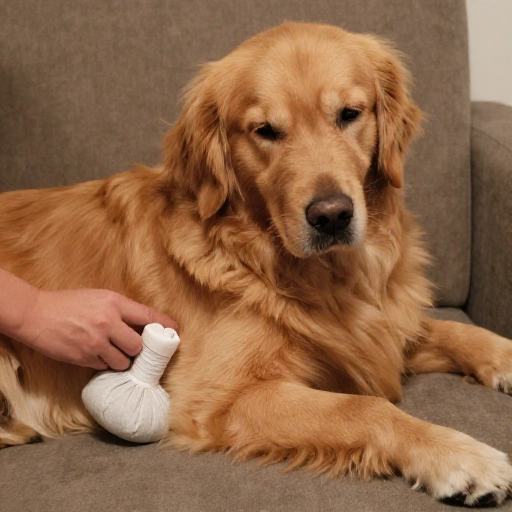
Chamomile is a natural antifungal and calming agent. A cool chamomile compress can instantly soothe itchy, yeasty paws or skin folds. It’s like a spa day for your itchy pup.
Steep two chamomile tea bags in hot water for 5 minutes, then chill in the fridge. Soak a clean cloth in the tea and hold it on irritated spots for 5–10 minutes.
Repeat twice daily during flare-ups. Most dogs find it relaxing, and you’ll both get a break from the constant scratching.
10. Probiotic-Rich Kefir: The Gut Bomb
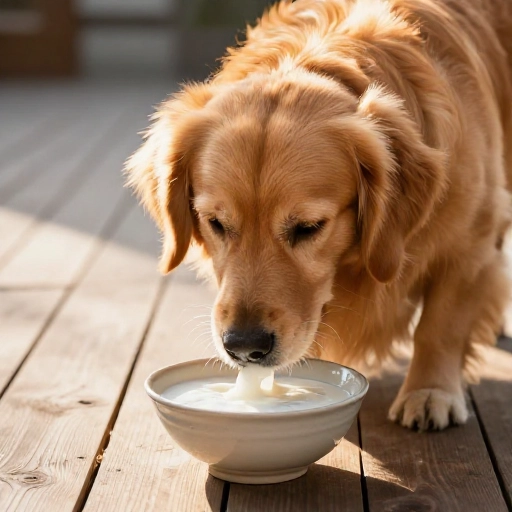
Kefir is like yogurt’s stronger cousin, packed with even more probiotic strains. It’s a powerful tool to rebalance your dog’s gut microbiome and kick yeast out for good. Plain, unsweetened kefir is best.
Start with a tablespoon for small dogs, up to a quarter cup for large breeds. Mix it into meals or serve it alone as a treat. Introduce slowly to avoid tummy upset.
Within a week, you’ll likely see less yeasty smell and more energy. Your dog will think it’s a milkshake—they have no idea it’s medicine.
Conclusion
Natural yeast remedies are gentle, effective, and your dog will actually enjoy most of them. From yogurt to chamomile, these kitchen staples can reduce scratching, odors, and discomfort without harsh chemicals. Start with one or two remedies and see what works best for your pup.
Remember, consistency is key. Yeast takes time to rebalance, so give it a few weeks. And always involve your vet if symptoms are severe or persistent. Here’s to happier, itch-free days for your furry friend.
[[IMG:IMG12]]
FAQ
1. Can I use Greek yogurt instead of regular plain yogurt?
Yes! Greek yogurt has more protein and probiotics, making it even better. Just make sure it’s plain and unsweetened with no added sugar or flavors.
2. How long until I see results with these remedies?
Most dogs show improvement within 1–3 weeks. Yeast is stubborn, so consistency matters more than quantity. Stick with one or two remedies daily.
3. Is apple cider vinegar safe for all dogs?
It’s safe for most, but avoid it if your dog has open wounds, ulcers, or kidney issues. Always dilute it and start with a tiny amount to test tolerance.
4. Can I use these remedies alongside vet-prescribed meds?
Usually yes, but check with your vet first. Some natural remedies can interact with medications, especially if your dog is on steroids or antibiotics.
5. What if my dog hates the taste of these remedies?
Mix them into strong-smelling foods like canned fish, bone broth, or peanut butter (xylitol-free). You can also hide them in a Kong or freeze them into treats.