14 Must-Try DIY Dog Shoes Patterns
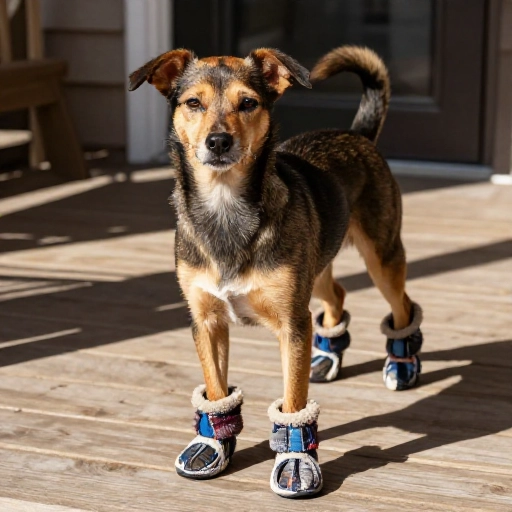
Let’s be honest—dog shoes can be expensive, and finding the right fit is almost impossible. I’ve spent way too much money on boots that my pup refuses to wear. That’s when I decided to start making my own, and honestly, it’s been a game-changer.
DIY dog shoes aren’t just about saving cash. You get to pick the fabric, adjust the size perfectly, and add personality. Whether your dog needs protection from hot pavement, sharp ice, or just muddy paws, there’s a pattern here for you.
I’ve gathered 14 of my favorite patterns that actually work. Each one is tested, practical, and totally doable for a beginner. Grab your sewing kit or glue gun—let’s get started.
1. The No-Sew Fleece Booties
This is the easiest pattern I’ve ever tried. You only need a rectangle of fleece, scissors, and about ten minutes. Cut two matching pieces, fold them around your dog’s paw, and tie the excess fabric around the ankle.
These are perfect for quick trips outside when it’s cold or wet. They won’t last for hours of hiking, but they’re great for potty breaks. Use bright colors so you don’t lose them in the snow.
Pro tip: add a small piece of non-slip fabric to the bottom by gluing it on with fabric glue. It helps a lot on slippery floors.
2. Upcycled Denim Dog Shoes
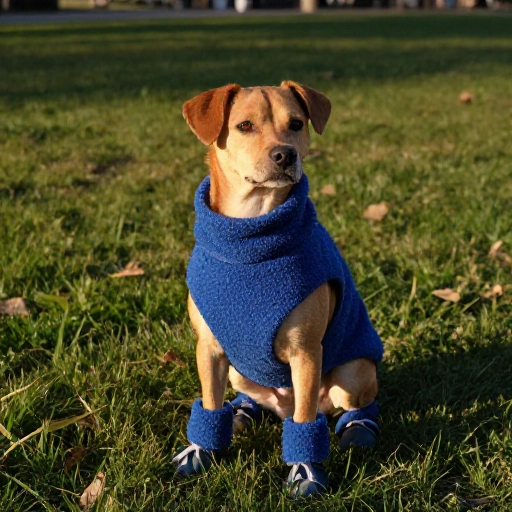
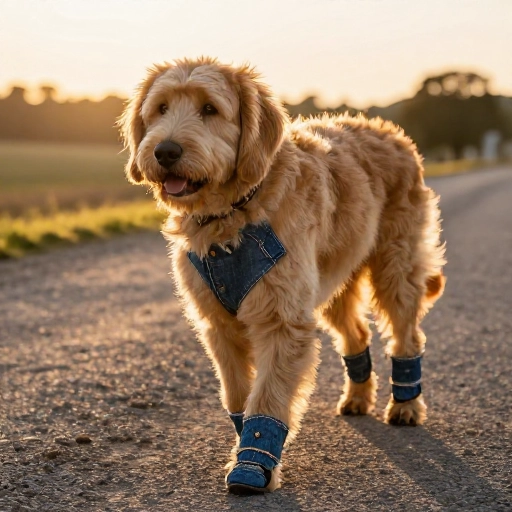
Old jeans are perfect for durable dog shoes. Cut out the leg seam, trace your dog’s paw, and sew a simple rounded shape. Add a thick denim sole for extra protection.
Denim is tough but breathable, so it works well for summer walks on hot sidewalks. The best part? The raw edges don’t fray too badly if you use pinking shears.
I like to add a drawstring at the top using the original jean waistband. It keeps the shoe snug without slipping off.
3. Waterproof Rain Boots from Vinyl
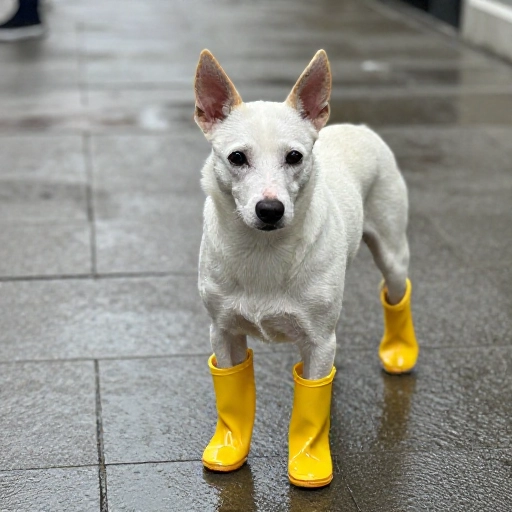
For rainy days, nothing beats a waterproof shoe. Grab some clear vinyl tablecloth material or an old shower curtain. Trace your dog’s paw and cut two layers per shoe.
Stitch the layers together using a heavy-duty needle, leaving the top open. Add a Velcro strap around the ankle for security. These keep paws dry even in puddles.
Just be careful—vinyl can get warm, so don’t leave them on for hours. They’re best for quick wet walks.
4. Felt Booties with Elastic Bands
Felt is soft, cheap, and doesn’t fray. Cut a simple oval for the sole and a rectangle for the side. Sew them together, then add a wide elastic band around the top opening.
These are great for indoor use if your dog has sensitive paws or if you have hard floors. They’re also super quiet—no clicking sounds on tile.
I use thick wool felt for extra cushioning. Wash them by hand when they get dirty.
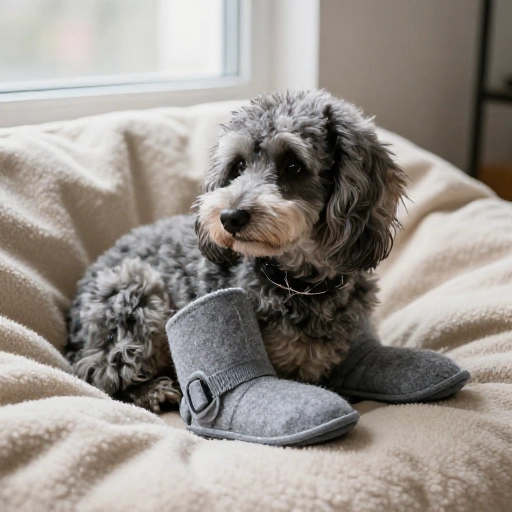
5. Crochet Dog Socks
If you know basic crochet, this is a quick project. Chain a circle that fits your dog’s paw, then work in rounds up the leg. Add a ribbed cuff to keep them in place.
Cotton yarn works best—it’s breathable and washable. These are more like socks than shoes, so they’re great for light protection indoors or on soft ground.
Make them in fun colors and patterns. My dog has a pair in neon green that I can spot from across the park.
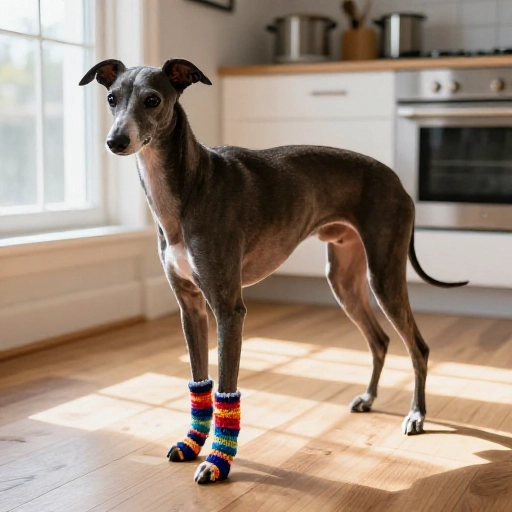
6. Leather Moccasin-Style Shoes
For serious durability, try real or faux leather. Cut a sole shape and a separate upper piece. Punch holes around the edges and lace them together with a leather cord.
These look super stylish and last forever. The leather molds to your dog’s paw over time, making them more comfortable.
I recommend using suede for the sole—it’s grippy and quiet. Condition the leather occasionally to keep it soft.
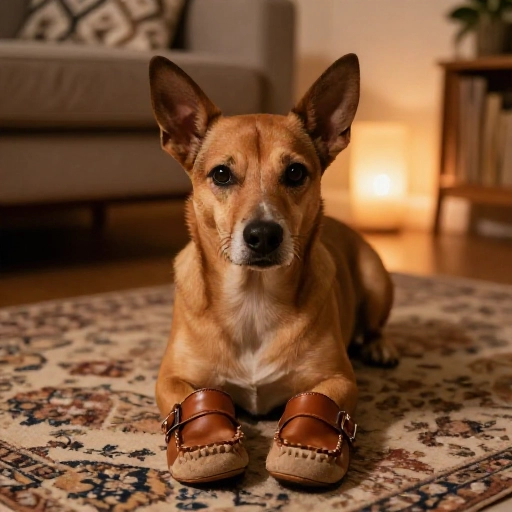
7. Fleece-Lined Winter Boots
Combine an outer fabric (like denim or canvas) with a fleece lining for warmth. Cut both layers, sew them wrong sides together, and turn right side out. Add a drawstring at the top.
These are perfect for snowy walks. The fleece keeps paws warm while the outer layer blocks wind and moisture.
Make sure the shoes aren’t too tight—your dog needs room to wiggle their toes. Leave a little extra space in the toe area.
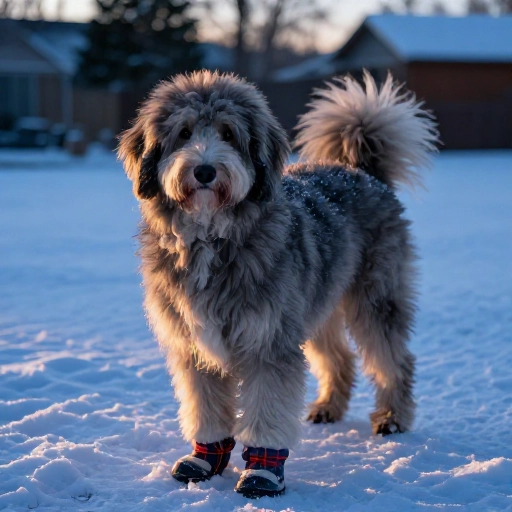
8. Velcro Wrap Shoes from Felt
No sewing required for this one. Cut a large rectangle of felt, wrap it around your dog’s paw, and secure with a strip of Velcro. Trim the excess fabric so it’s neat.
These are adjustable and easy to take on and off. They’re great for dogs who hate putting shoes on—just wrap and go.
Use extra-strong Velcro so they don’t come loose during walks. Test them indoors first.
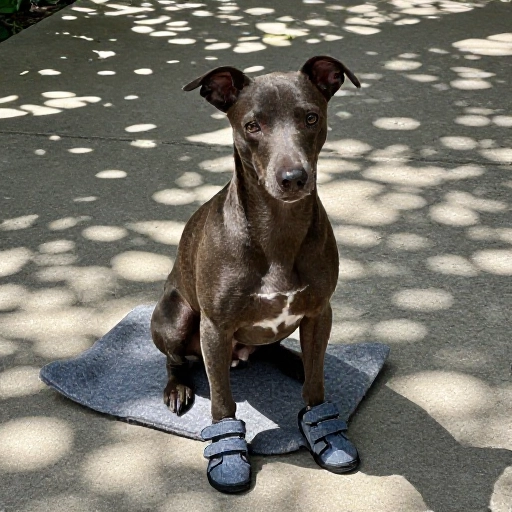
9. Mesh Summer Walkers
For hot days, use mesh fabric (like from an old sports bag). Cut two layers per shoe and sew them together with a thin foam sole. The mesh lets air flow while protecting paws from hot pavement.
These are super lightweight—your dog might forget they’re wearing them. Add reflective tape for visibility on evening walks.
Wash them in a mesh bag on gentle cycle. They dry really fast.
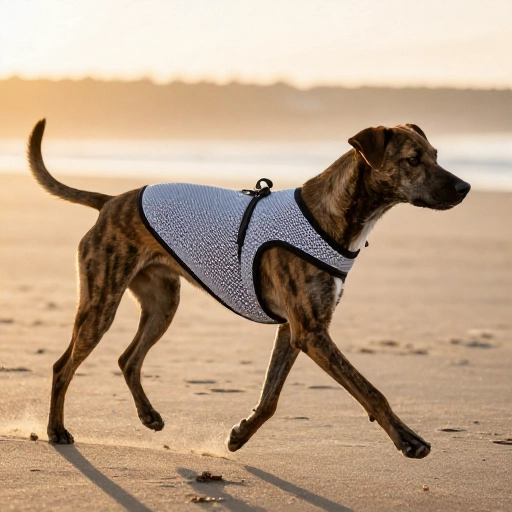
10. Convertible Paw Socks with Grips
Start with a basic tube sock that fits your dog’s leg. Cut off the toe and sew a non-slip fabric patch (like shelf liner) to the bottom. Add a cuff at the top to hold them up.
These are great for dogs with arthritis who need traction on slippery floors. They’re also easy to pull on and off.
Use old socks from your own drawer—they’re soft and already broken in. Just make sure they’re clean.
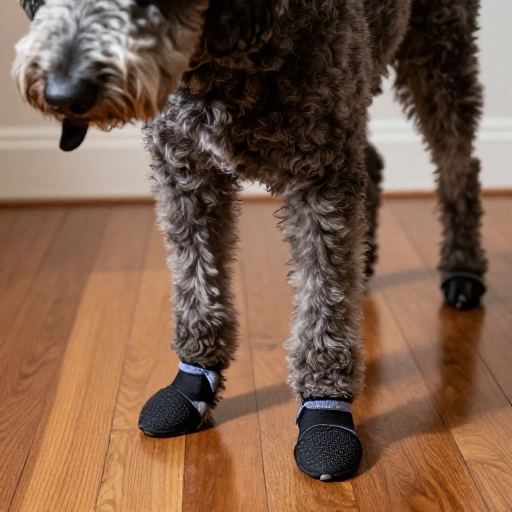
11. Adjustable Ankle Strap Shoes
This pattern uses a wide elastic band that wraps around the ankle, with a separate sole piece attached. The shoe is held in place by the strap, so it doesn’t slip off.
Perfect for dogs with oddly shaped paws or those who kick shoes off. You can adjust the tightness easily.
I use a button closure instead of Velcro for extra security. Test the fit before adding the button.
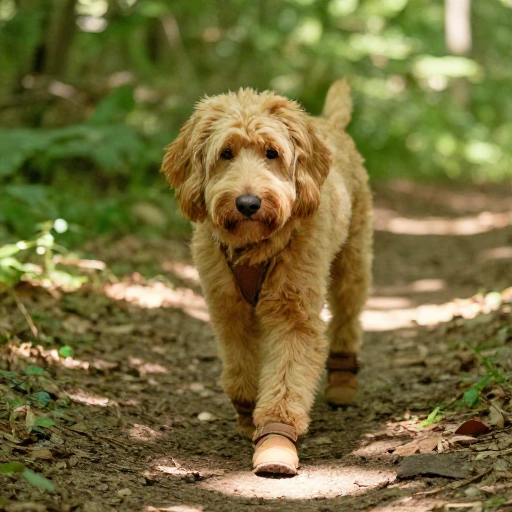
12. Double-Layer Waterproof Boots
Combine a waterproof inner layer (like a plastic bag) with a fabric outer layer. Sew them together at the top edge, then add a drawstring. The inner layer keeps water out, while the outer layer adds durability.
These are great for rainy climates. They’re not breathable, so use them only when needed.
To make them more comfortable, add a thin fleece liner between the layers. Your dog’s paws will stay dry and cozy.
13. Decorative Canvas Shoes with Patches
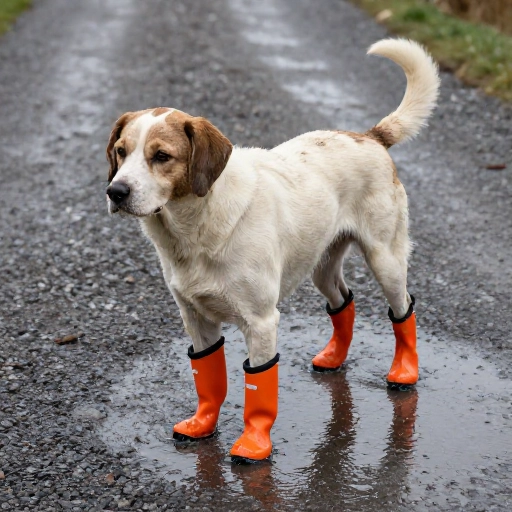
Use heavy canvas fabric and cut a simple shoe shape. Sew on patches, embroidery, or fabric paint for a personalized look. Add a rubber sole for grip.
These are more for style than function, but they still protect paws. Make matching sets for your dog and yourself—it’s adorable.
Canvas is easy to clean with a damp cloth. Avoid machine washing to keep the patches intact.
14. Easy Slip-On Booties from Old Sweaters
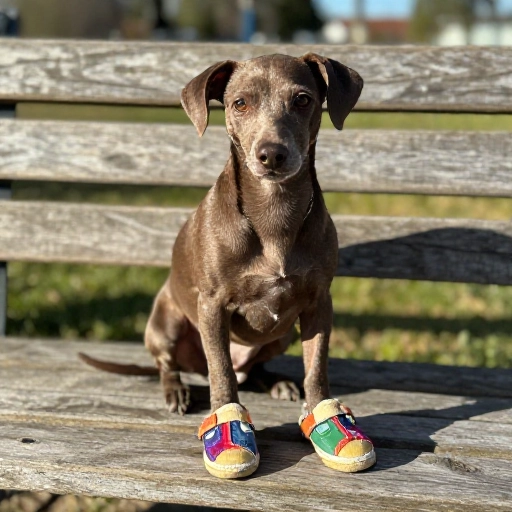
Cut the sleeves off an old wool sweater. Slide them onto your dog’s legs, then tie the bottom closed with a ribbon or elastic. Trim the length so they don’t drag.
These are the quickest booties ever—no sewing required if you tie them. The wool is warm and naturally water-resistant.
Use a sweater that’s already felted (washed in hot water) so it doesn’t unravel. They look rustic and cozy.
Conclusion
DIY dog shoes are one of those projects that seem tricky until you try. Once you make your first pair, you’ll wonder why you ever bought them. Start with a simple no-sew pattern, then work your way up to leather or waterproof boots.
Remember to measure your dog’s paws carefully—width matters more than length. And don’t forget to let your dog wear them around the house before a long walk. Patience pays off.
I hope these 14 patterns inspire you to create something special for your pup. Happy crafting, and give your dog a treat from me.
Frequently Asked Questions
1. How do I measure my dog’s paws for DIY shoes?
Place your dog’s paw on a piece of paper and trace around it. Measure the width at the widest part and the length from the longest toe to the heel. Add half an inch for wiggle room.
2. What’s the best fabric for outdoor dog shoes?
Denim, canvas, or leather work best for outdoor use. They’re durable and protect against rough surfaces. For wet conditions, add a waterproof layer like vinyl.
3. How do I keep DIY dog shoes from slipping off?
Use elastic straps, Velcro, or drawstrings around the ankle. Make sure the shoe isn’t too loose. Some patterns use a second strap that goes over the top of the paw.
4. Can I use hot glue instead of sewing?
Yes, for simple patterns like no-sew booties or Velcro wraps. But for durability, sewing is better. Hot glue can come loose with moisture and movement.
5. How do I clean DIY dog shoes?
Most fabric shoes can be hand-washed with mild soap. Air dry them—don’t put them in the dryer. For leather shoes, wipe with a damp cloth and condition occasionally.