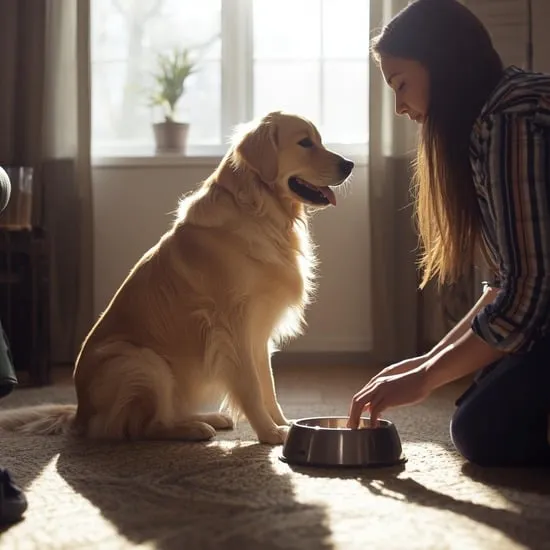
12 Dog Exercise Yards with Built-In Entertainment Your Pup Will Obsess Over
Let’s be real—dogs are basically toddlers with fur and sharper teeth. If you just toss them outside into a boring, empty yard, they’re going to find their own fun. And that usually means digging craters under the fence or barking at absolutely nothing for an hour.
I’ve spent way too many weekends watching my own pup, Milo, stare at a blank patch of grass like it personally offended him. That’s when I realized the secret isn’t just a bigger yard; it’s a smarter one. You need a space that engages their brain, burns their crazy energy, and keeps them entertained even when you’re not out there playing fetch for the hundredth time.
So, whether you have a sprawling suburban lot or a cozy city patch, here are twelve ridiculously fun dog exercise yard ideas that are packed with built-in entertainment. Get ready to build the backyard your dog will brag about to the other pups.
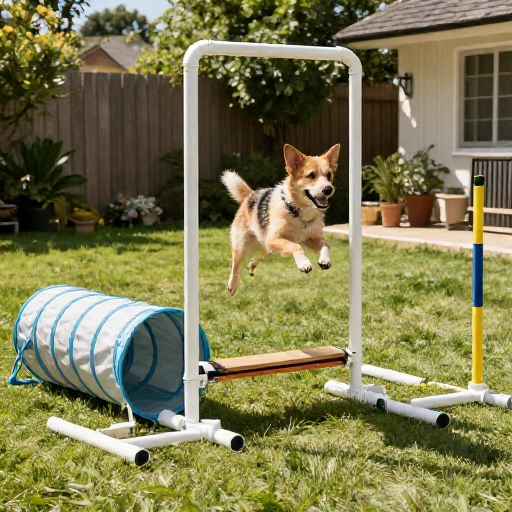
1. The DIY Agility Course (PVC Pipe Edition)
You don’t need to hire a professional to build an Olympic-level course. My favorite budget-friendly trick is using basic PVC pipes and connectors from the hardware store. You can create jumps, weave poles, and even a simple tunnel frame that you can cover with a tarp or old sheet.
Arrange the pieces in a loop around your yard so your dog can run the circuit naturally. It’s amazing to watch them learn the sequence and get faster each time.
Start low and simple, then raise the bars as their confidence grows. This is fantastic for burning mental energy because they have to remember the obstacle order.
Plus, you can easily disassemble it and store it in a shed during the winter months.
2. The Tether Tug Toy Station
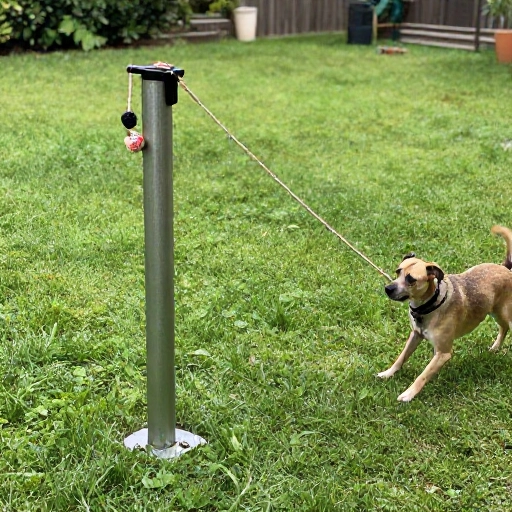
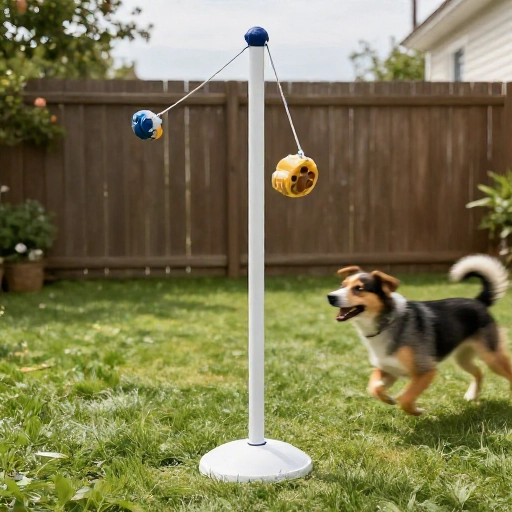
If your dog loves to play tug-of-war but you don’t always have the arm strength for a long session, this is a game-changer. Get a heavy-duty spring (like a heavy bungee cord) and attach a durable tug toy to it. Secure the spring to a sturdy post or a ground anchor.
The spring gives just enough resistance to mimic a human opponent. Your dog can grab it, pull back, and let it snap forward without you having to lift a finger.
It’s perfect for high-energy breeds like Pit Bulls or Shepherds who need to use their jaw muscles. Just make sure the spring is strong enough to handle their pull and that the toy is free of parts that can easily break off.
3. The Sandpit Digging Zone
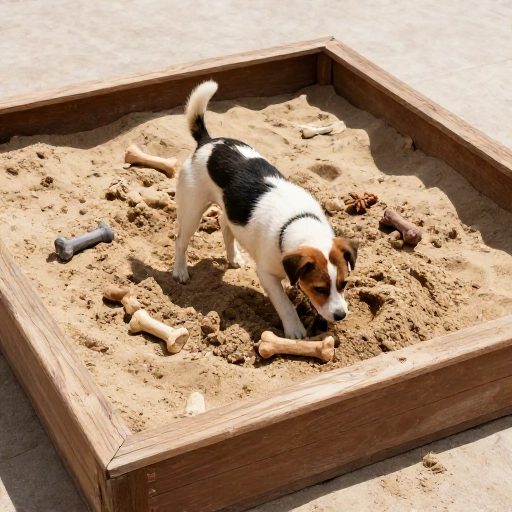
Stop fighting the digging instinct and give it a designated home. Instead of yelling at your dog for digging up your flower beds, build them a specific sandbox. Use landscaping timbers to frame a 4×4 or 5×5 area and fill it with soft play sand.
To make it even more entertaining, bury their favorite toys, bones, or even a few treats just beneath the surface. This gives them a “job” to do—hunting for treasure.
It keeps them busy for ages. The texture of the sand feels different from dirt, so they’ll naturally be drawn to this specific spot.
Just make sure to keep the sand covered when it rains so it doesn’t turn into a muddy swamp.
4. The “Sniffari” Sensory Path
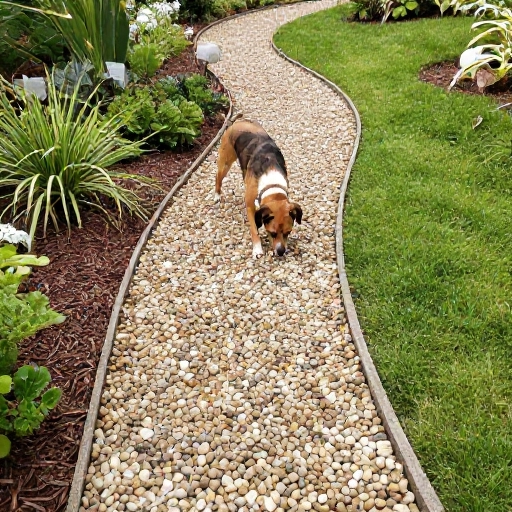
Dogs experience the world through their noses, so a visual garden isn’t for them—it’s for the humans. To make a yard truly entertaining, you need a scent trail. Plant dog-safe herbs like rosemary, mint, and basil along a winding path.
Create a loop path and place interesting (dog-safe) objects along the edges, like large rocks, log stumps, or different textures of mulch. Then, let your dog wander on a long leash while they sniff everything out.
This is the most exhausting exercise you can give them. A 20-minute sniffari is often more tiring than a 2-mile run because it’s pure mental stimulation.
5. The Kiddie Pool Splash Pad
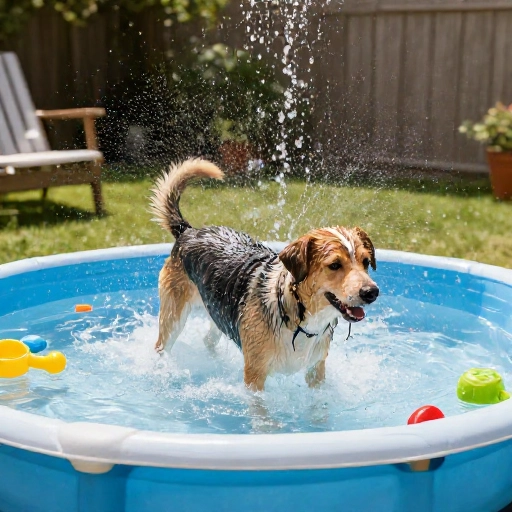
For water-loving dogs, a simple hard plastic kiddie pool can be the ultimate entertainment hub. But don’t just fill it with water—make it a splash pad adventure. Add a few floating toys and, on a hot day, throw in some ice cubes with treats frozen inside.
You can also place a non-slip mat at the bottom so they don’t scratch the plastic with their claws. This is a lifesaver during the summer months.
I also like to put a sprinkler nearby so they can run through the spray and then jump into the pool. It’s a self-contained water park that costs less than thirty bucks.
6. The Treat-Dispensing “Puzzle” Post
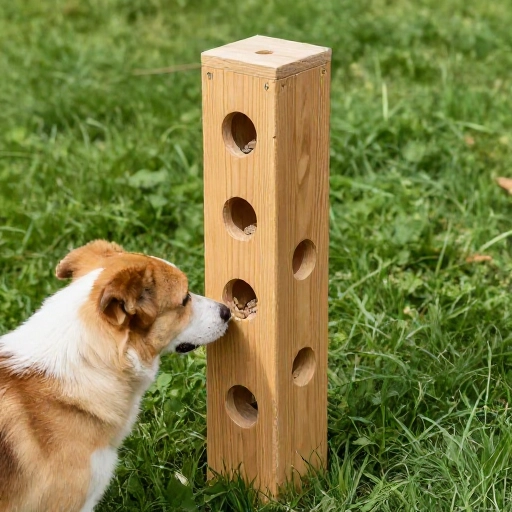
This one takes a little DIY skill, but it’s worth it. Take a large, sturdy PVC pipe (like a 6-inch diameter) and drill a few holes in the sides. Cap one end, and place a hinged door or a plug on the top.
Drop some kibble or treats inside. Your dog has to roll the pipe around with their nose or paws to get the food to fall out of the holes.
It’s essentially a giant, yard-sized puzzle toy. You can mount it horizontally on a low frame with a handle so it spins but doesn’t roll away, which is a bit easier for them to figure out.
7. The Elevated “Lookout” Platform
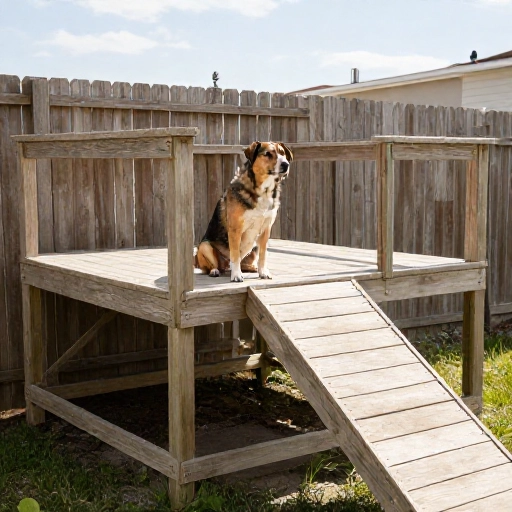
Many dogs, especially herding breeds, love to be up high to survey their kingdom. Build a sturdy, low platform (about 2-3 feet off the ground) with a non-slip top surface. This gives them a designated spot to sit and watch the neighborhood.
It’s not just a seat; it’s a confidence booster. You can train them to go to their “spot” when they want to relax outside. It also keeps them off your patio furniture.
Place it in a sunny spot for the perfect sunbathing station. It gives them a sense of control over their environment, which reduces anxiety.
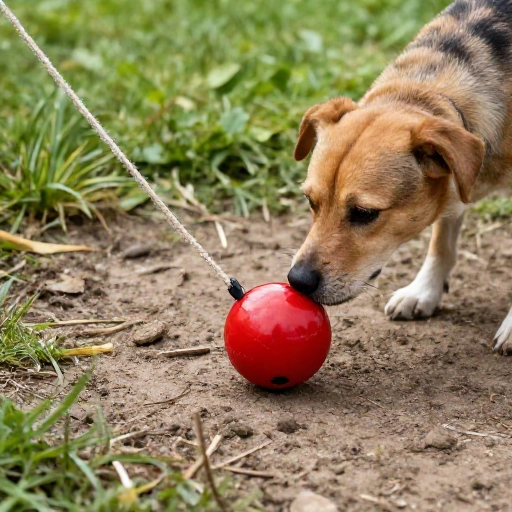
8. The Jolly Ball Tether
If you have a dog that likes to push things around (like a herding breed), a Jolly Ball is a must-have. These balls are nearly indestructible and have a handle that’s easy for dogs to grab. But they can get lost or roll under the fence.
Fix that by tethering it to a stake in the ground with a heavy-duty rope or chain. This gives them a “prey” object to push, toss, and shake that always stays in the yard.
It’s great for solo play because the resistance of the rope adds a challenge. They have to pull it back to throw it again.
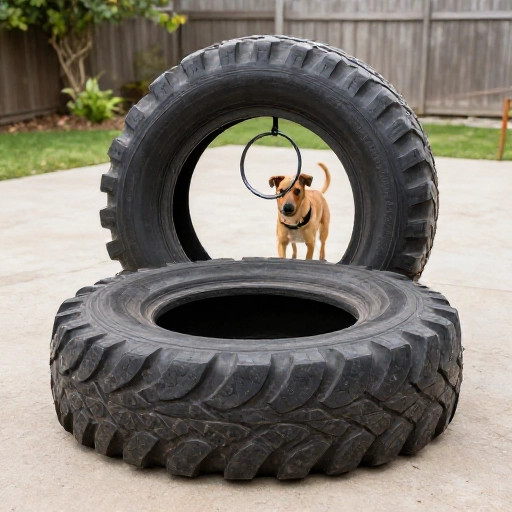
9. The Tire Run and Jump Ring
An old tractor tire (or a large rubber tire from a car) can be hung from a sturdy A-frame structure or a thick tree branch. Suspend it low enough so your dog can jump through it easily.
This is a classic agility obstacle that looks super impressive in a backyard. It’s fantastic for coordination and core strength. Make sure the tire is clean and the edges are wrapped in duct tape or rubber hose to protect their paws.
You can start by holding it still, then gradually make it swing a little so they learn to time their jump.
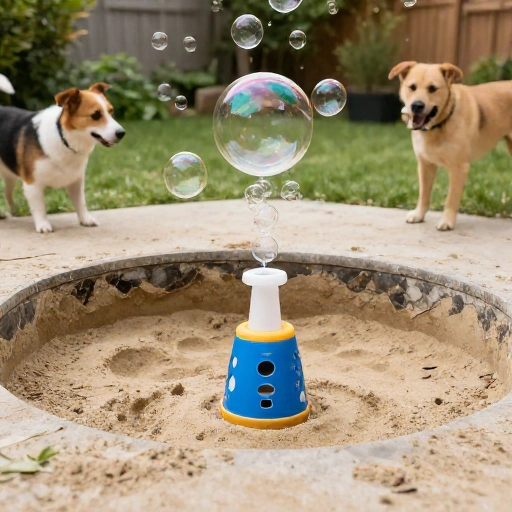
10. The “Dig Pit” with a Twist (Bubble Machine)
Okay, this is pure chaos in the best way. Place a battery-operated bubble machine near the fence or attach it to a post overlooking the yard. Turn it on while your dog is outside.
Most dogs go absolutely bonkers chasing and popping the bubbles. It encourages them to run, jump, and leap in ways they don’t normally do. It’s a fantastic interval training session.
Just make sure you buy pet-safe, non-toxic bubbles. The scent of the bubble solution is often enticing to them, which adds another layer of sensory play.
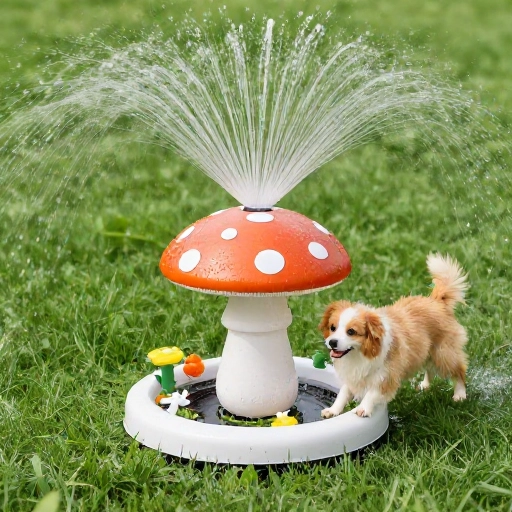
11. The “Mushroom” Sprinkler Ring
Instead of a standard sprinkler that just sprays water back and forth, get one that looks like a mushroom or a fountain. These spray water in a 360-degree circle, forcing your dog to run around the perimeter to avoid the water.
It creates a fun game of “the floor is lava” but with water. You can move it around the yard to keep the grass watered while they play.
It’s the easiest way to cool them down on a hot day without you having to get soaked. Pair it with a shady spot so they can take breaks when they need to.
12. The Flirt Pole Station
A flirt pole (a long stick with a rope and toy on the end) is the ultimate toy for exercising a dog in a small space. But you can make it a permanent part of your yard by installing a base anchor.
Install a metal loop in the ground or on a wall. Attach a long, sturdy rope to a toy, and clip it to the loop. You can then stand in the middle and swing the rope around, or let your dog grab the rope and run in circles.
It’s excellent for building drive and focus. It also lets you exercise them from a standing position, which is great if you have mobility issues or just want to sip your coffee while they work out.
Final Thoughts
You don’t need a massive budget or a landscape architect to make a fun dog yard. You just need to think about what your dog naturally loves to do—sniff, dig, run, and chew—and provide a safe and dedicated space for those instincts.
Mix and match a few of these ideas based on your dog’s personality. A lazy senior dog might just want the lookout platform, while a young Husky might need the agility course, digging pit, and splash pad all in one. The goal is to make the backyard a place where they want to play, not just a place where they wait for you to come back inside.
Frequently Asked Questions
How much space do I need for a dog exercise yard?
You can make these work in almost any space. The agility course and sandpit need a bit more room, but the tether tug, sprinkler, and puzzle post work great in small, narrow side yards. It’s more about the variety of activities than the total square footage.
What is the safest ground material for a dog run?
Pea gravel is a great choice because it drains well and doesn’t hold odors. Artificial turf is soft but can get hot. For high-energy running, natural grass is best, but it requires maintenance. Avoid bark dust, as it can splinter and get embedded in paws.
How do I keep my dog entertained in the yard when I’m not there?
Always supervise your dog when using toys with ropes or springs to prevent tangling. Puzzle feeders and sniffari paths are the safest for solo time. Never leave a dog unattended with a flirt pole or hanging tire, as they can get caught up in them.
My dog isn’t interested in toys. What should I do?
Focus on the sensory or digging elements. The sniffari path and the sandpit with buried treasures are usually irresistible, even to non-toy dogs. Sometimes it’s about finding the right high-value reward, like hot dog slices, to bury in the sand.
How do I protect my lawn from these activities?
Rotate the equipment. Move the splash pad and sprinkler around so you don’t drown one patch of grass. Consider creating a dedicated “dig zone” with sand so they don’t wreck the turf. Let the grass dry out between play sessions to prevent mud pits.