7 Homemade Dog Foods for Sensitive Stomachs That Actually Work
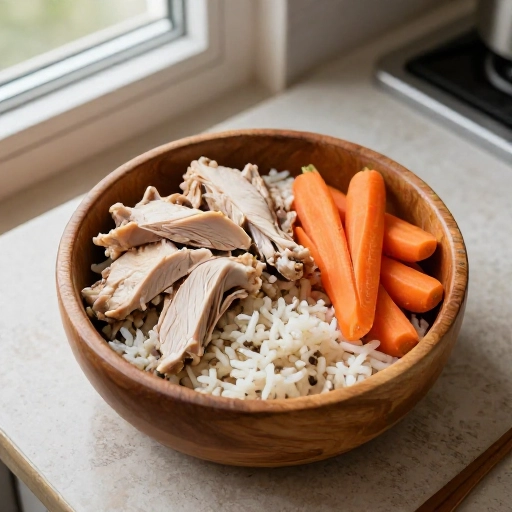
If your pup has a sensitive stomach, you know the struggle. The loose stools, the gassiness, the picky eating. It breaks your heart watching them uncomfortable. After years of trial and error with my own golden retriever, I’ve found seven recipes that truly settle things down. These aren’t fancy gourmet meals—they’re simple, gentle foods that work.
Every dog is different, but these recipes use easy-to-digest proteins and soothing carbs. Start slow, always check with your vet, and watch your furry friend feel better. Let’s dive into the meals that saved my kitchen—and my dog’s tummy.
Why These Recipes Work for Sensitive Stomachs
I learned the hard way that not all “gentle” dog foods are the same. These recipes focus on single, novel proteins like turkey or fish, plus simple carbs like white rice or pumpkin. No weird fillers, no mystery ingredients. Just whole foods that calm inflammation and give the gut a break. The key is keeping it bland enough to heal, but tasty enough they’ll actually eat it.
Equipment You’ll Need for Homemade Dog Food
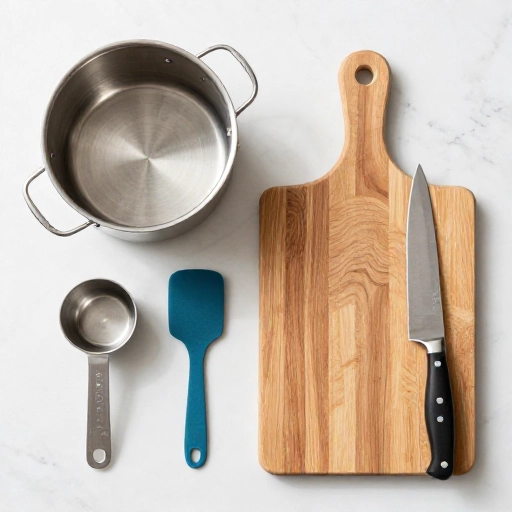
You don’t need a fancy kitchen. Here’s what I use every time:
- A large pot or Dutch oven
- Cutting board and sharp knife
- Measuring cups and spoons
- Mixing spoon
- Storage containers (glass or BPA-free plastic)
- Food scale (optional but helpful for portioning)
Recipe 1: Gentle Turkey and Rice Bowl
This is my go-to when my dog’s tummy is really upset. Boil one cup of white rice in three cups of water until soft. In a separate pan, cook one pound of ground turkey (93% lean) until no pink remains. Mix together with half a cup of canned pumpkin (not pie filling). Let it cool completely. This makes about five servings for a medium dog. The pumpkin adds fiber that firms up stools beautifully.
Recipe 2: Soothing Salmon and Sweet Potato
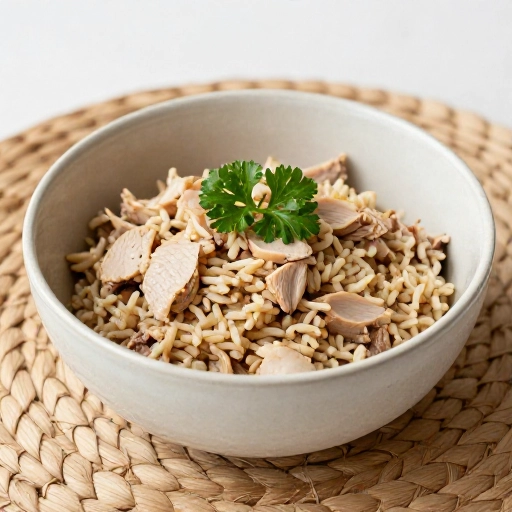
Salmon is great for sensitive dogs because it’s easy on the stomach and full of healthy fats. Bake one salmon fillet at 350°F for 15 minutes, then flake it carefully—watch for bones. Meanwhile, boil one large sweet potato until fork-tender, then mash it. Combine equal parts salmon and sweet potato. I add a splash of bone broth (no onions or garlic) for extra moisture. My picky eater goes crazy for this one.
Recipe 3: Simple Chicken and Oatmeal
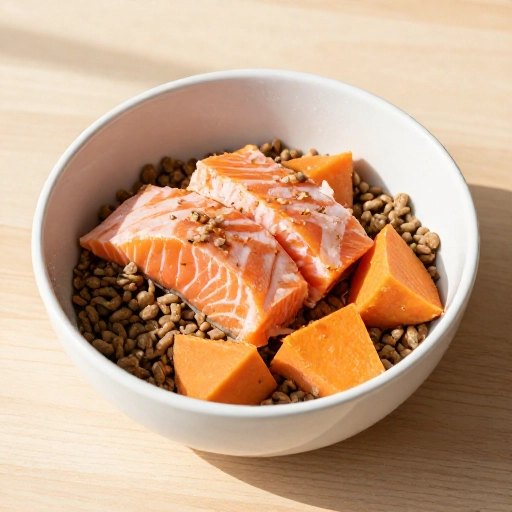
Some dogs react to rice, so oatmeal is a great swap. Cook one cup of rolled oats in two cups of water or low-sodium chicken broth. Poach one boneless, skinless chicken breast in water until cooked through, then shred it. Mix one part chicken with two parts oatmeal. This is super bland but very soothing. Perfect for when your dog has been vomiting or has diarrhea.
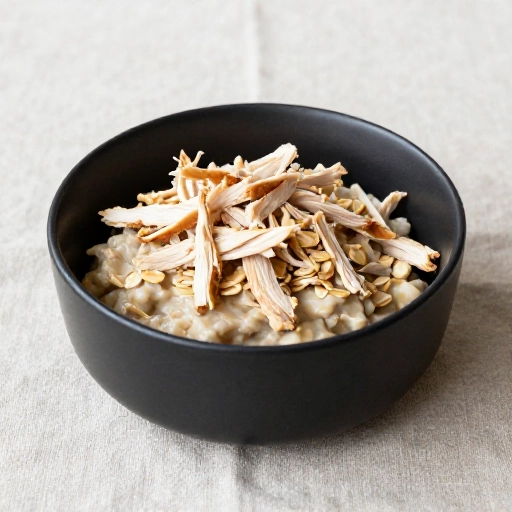
Recipe 4: Easy Egg and Cottage Cheese Scramble
For a quick, single-meal option, try this. Scramble two eggs in a nonstick pan with no oil. Let them cool, then mix with half a cup of low-fat cottage cheese. That’s it. This is high in protein and calcium, but only use it as an occasional meal—cottage cheese can be rich for some dogs. Start with a small portion to see how they handle it.
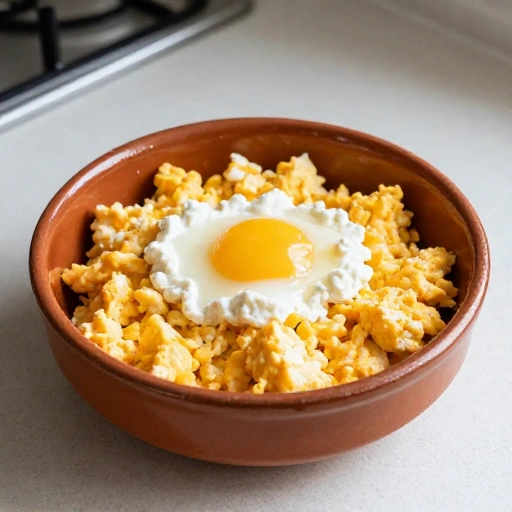
Recipe 5: White Fish and Zucchini Mix
White fish like cod or tilapia is super gentle. Poach one fillet in water for 8–10 minutes, then flake it. Steam one zucchini until soft, then chop it finely. Mix together with a tablespoon of plain, full-fat yogurt (if your dog tolerates dairy). The zucchini adds moisture and fiber without being too heavy. This is a great option for dogs with grain sensitivities.
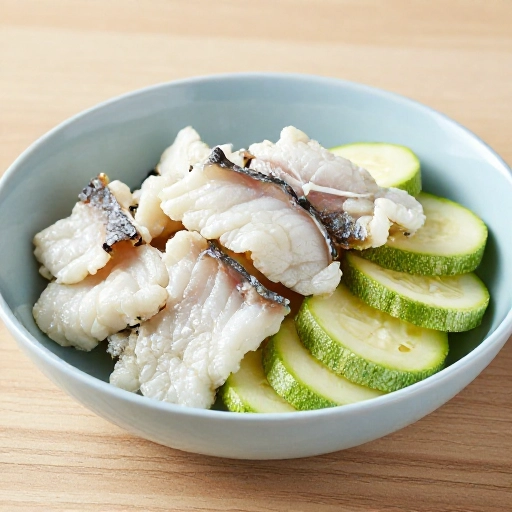
How to Transition Your Dog to Homemade Food
Don’t switch overnight. I start with 25% new food mixed with 75% old food for two days. Then 50/50 for two more days. Then 75/25. If stools stay firm, I go full homemade. Always feed at room temperature—cold food can shock their stomach. Store leftovers in the fridge for up to four days, or freeze portions for up to three months.
[[IMG:IMG08]]
Conclusion
Making your own dog food for a sensitive stomach doesn’t have to be complicated. These seven recipes have been lifesavers in my house. They’re simple, affordable, and most importantly, they work. Your dog will thank you with wagging tails and solid poops. Remember to always introduce new foods slowly and keep your vet in the loop. Here’s to happy, healthy bellies!
Frequently Asked Questions
Can I use brown rice instead of white rice?
For sensitive stomachs, white rice is better. Brown rice has more fiber, which can be hard on an upset gut. Stick with white until your dog is fully settled.
How much homemade food should I feed my dog?
A general rule is about 2–3% of your dog’s ideal body weight per day, split into two meals. But every dog is different. Start with less and adjust based on their energy and weight.
Can I add supplements to these recipes?
Yes, but keep it simple. A probiotic powder or a fish oil capsule (pierced and squeezed) can help. Always ask your vet before adding anything new.
How long can I store homemade dog food?
In the fridge, it stays good for 3–4 days. In the freezer, up to 3 months. Thaw in the fridge overnight, never on the counter.
My dog won’t eat the homemade food. What should I do?
Try warming it slightly (not hot) to release the smell. You can also mix in a tiny bit of their old food or a spoonful of plain yogurt. Patience is key—some dogs need a few tries to accept new textures.
[[IMG:IMG09]]