How to Clean Dog Hair from Your Washing Machine (The Easy Way)
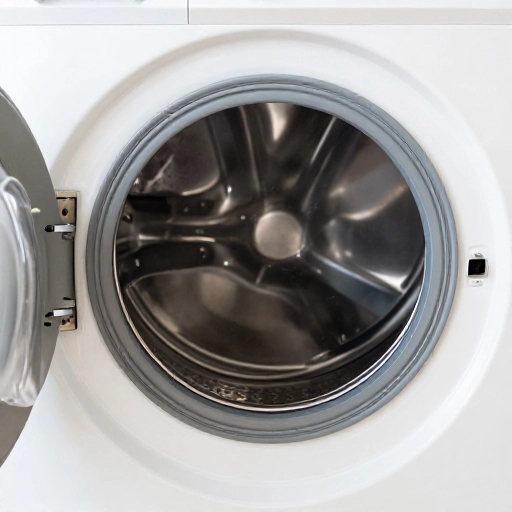
I love my dog more than anything, but the hair? That’s a whole other story. It gets everywhere, including inside my washing machine. If you’ve ever pulled a load of laundry out to find it covered in fur, you know the struggle is real. Dog hair clings to rubber seals, hides in the drum holes, and somehow survives rinse cycles.
But here’s the good news: you don’t have to live with a hairy washing machine. Over time, all that trapped fur can gunk up your machine and even make it smell. I learned this the hard way, but now I have a simple routine that keeps my washer hair-free and fresh. Let me walk you through exactly how to do it.
These steps are practical, use things you probably already have at home, and won’t take up your whole afternoon. Ready to say goodbye to dog hair in your laundry? Let’s dive in.
Start with a Dry Erase Squeegee
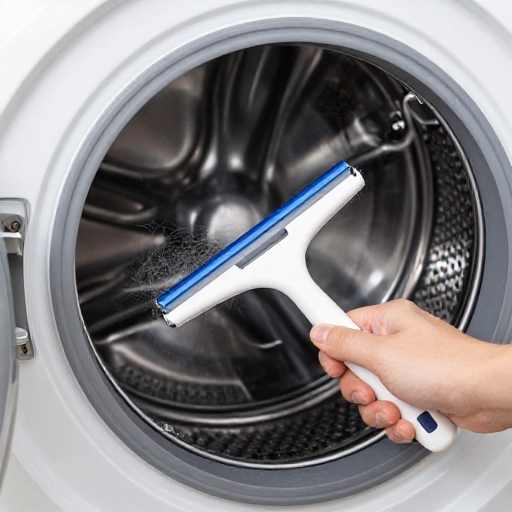
Before you even think about running a cycle, grab a dry rubber squeegee (the kind you use on windows or car windshields). It’s a game-changer for pulling hair off the inside of the drum. The rubber creates static that lifts fur right up.
Run the squeegee around the entire rubber door gasket. This is where most of the hair hides, especially in front-loading machines. You’ll be shocked at how much comes off.
- Work in one direction to gather hair into a clump.
- Wipe the squeegee clean on a paper towel between sections.
- Don’t forget the little crevices near the bottom of the gasket.
Use a Lint Roller on the Drum
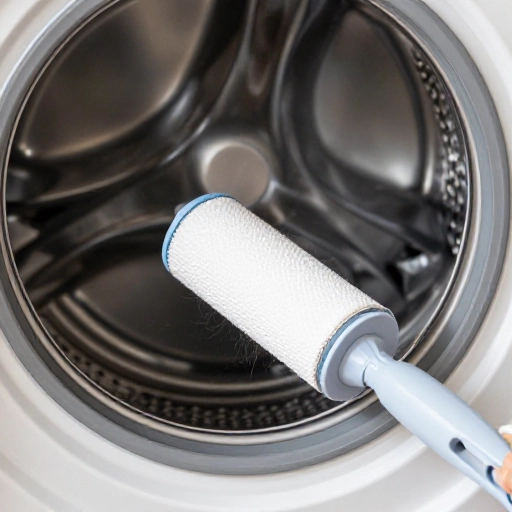
If you don’t have a squeegee, a giant lint roller is your next best friend. I keep one in my laundry room just for this. Roll it firmly over the inside of the drum, especially around the holes and the back wall.
This works surprisingly well on both top-loaders and front-loaders. The sticky surface grabs the fine hairs that a dry cloth would just push around. It’s oddly satisfying, too.
For extra stubborn hair, press the roller down and twist slightly. You’ll see the fur lift right off the metal.
Wipe Down the Rubber Gasket with a Damp Cloth
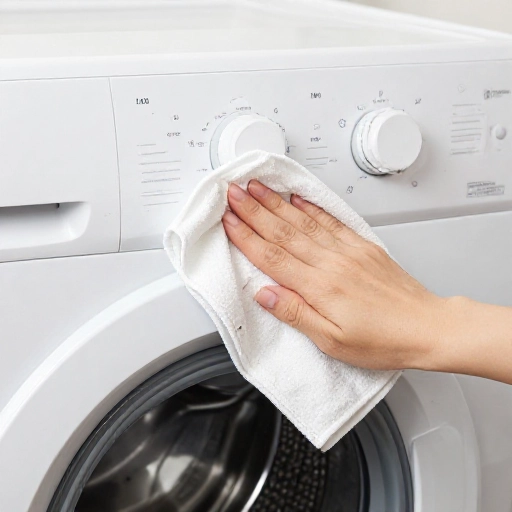
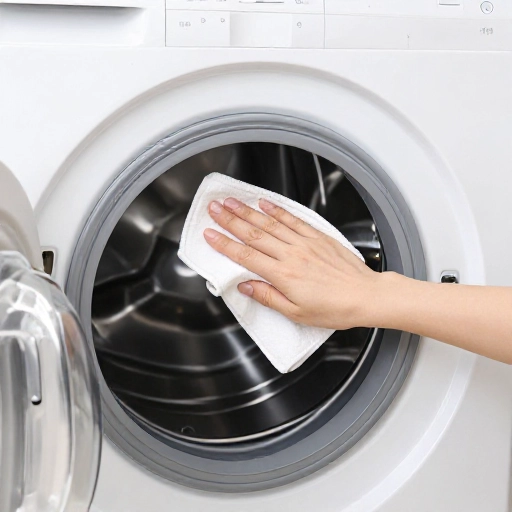
After the dry removal, switch to a microfiber cloth slightly dampened with warm water. This picks up the leftover dust and tiny hair particles that the squeegee missed. Work your way around the entire gasket, pulling it back gently to check underneath.
Don’t skip this step. Trapped moisture and hair in the gasket are a recipe for mildew. I’ve found that doing this once a week keeps smells away completely.
If you see any dark spots, those are mildew starting. Hit them with a little white vinegar on the cloth.
Run a Hot Water Cycle with Vinegar
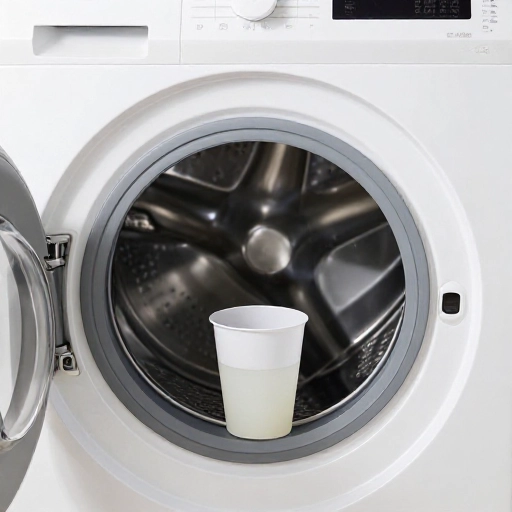
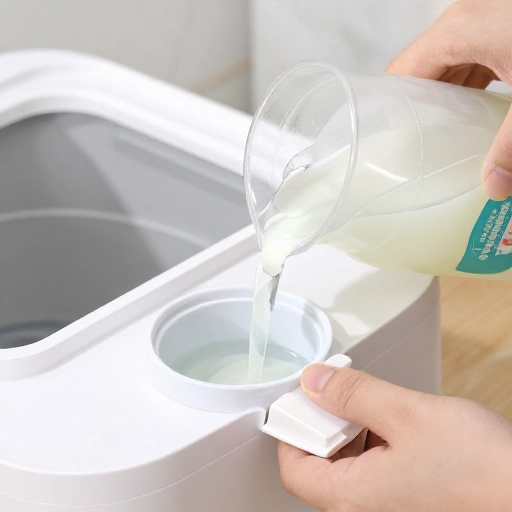
Once the visible hair is gone, it’s time for a deep clean. Pour two cups of white vinegar directly into the detergent dispenser. Then run the longest, hottest cycle your machine has. The vinegar breaks down residue and loosens any hair stuck in the drain pump or hoses.
Make sure you don’t add any clothes to this cycle. Just let the machine work on itself. The heat and vinegar together will flush out hair that’s hiding deep inside.
I do this every month, and it keeps my machine smelling fresh even with a heavy-shedding dog at home.
Follow Up with a Baking Soda Cycle
After the vinegar cycle, sprinkle half a cup of baking soda directly into the drum. Run another hot cycle (or a quick wash). Baking soda neutralizes any leftover vinegar smell and adds a gentle scrubbing action.
This two-step vinegar and baking soda combo is my secret weapon. It’s cheap, non-toxic, and safe for your machine. Plus, it leaves the inside of the washer sparkling clean and ready for your next load of doggy blankets.
Pro tip: You can also add a few drops of lemon essential oil to the baking soda for a fresh scent.
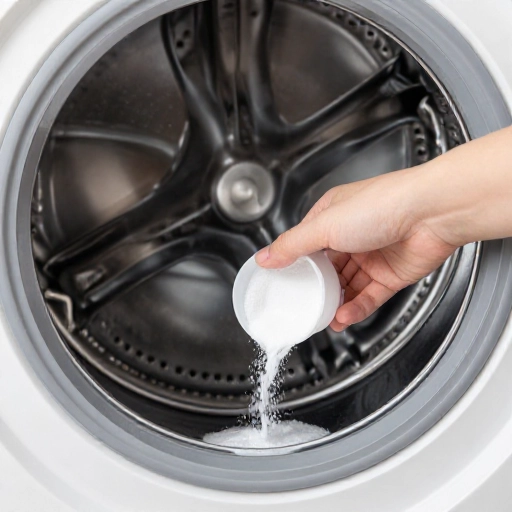
Clean the Lint Filter (Yes, Your Washer Has One)
Most people forget their washing machine has a lint filter. It’s usually located at the bottom front of the machine, behind a small access panel. Check your manual if you’re unsure. This filter catches hair and lint before it goes down the drain.
Pull it out carefully (there might be some water, so keep a towel handy). Rinse it under warm water and scrub off any hair with an old toothbrush. Let it dry completely before putting it back.
Cleaning this filter every few months prevents clogs and keeps your machine draining properly. I set a reminder on my phone so I don’t forget.
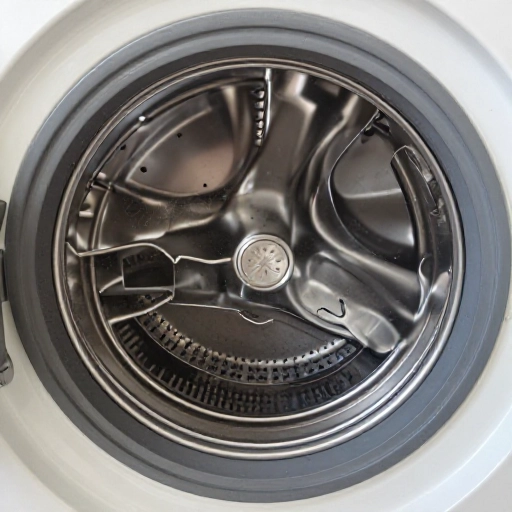
Check the Drain Pump for Hair Tangles
If your washer is acting sluggish or leaving water in the drum, hair might be tangled in the drain pump. This sounds scary, but it’s actually easy to fix. Unplug the machine, remove the bottom panel, and locate the pump (usually a small plastic housing).
Unscrew the cap slowly (water will trickle out). Reach in with tweezers or your fingers and pull out the hair clump. It’s gross, but trust me, it’s satisfying. I find a wad of fur in there every few months.
Once it’s clear, screw the cap back on and run a rinse cycle to test it.
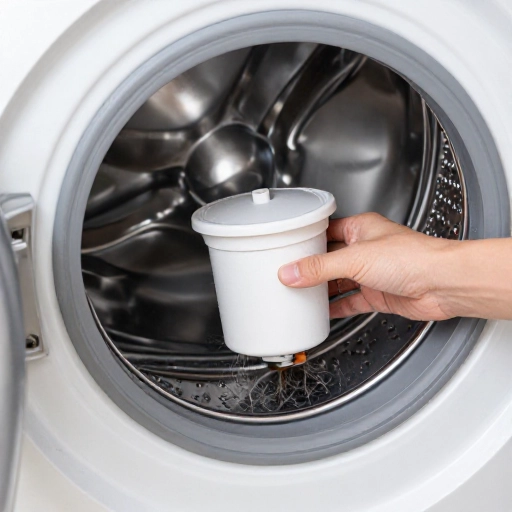
Use a Laundry Bag for Dog Bedding
Prevention is half the battle. When you wash dog beds, blankets, or towels, put them inside a mesh laundry bag. This catches most of the loose hair before it can escape into the drum. It’s a simple trick that saves a ton of cleanup time.
I use the large zippered bags meant for delicates. They’re cheap and hold a surprising amount. Just don’t overstuff them—leave room for the water to circulate.
After the cycle, empty the bag over the trash can. You’ll see a big clump of hair that didn’t end up in your machine.
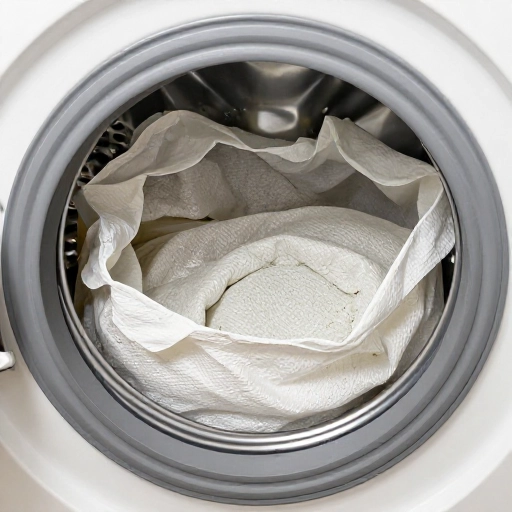
Add a White Vinegar Rinse to Every Load
Here’s a small habit that makes a big difference. Add half a cup of white vinegar to the fabric softener compartment of every dog-related laundry load. It helps loosen hair from the fabric during the rinse cycle, so less ends up stuck in your machine.
Vinegar also softens clothes naturally and removes odors. Your dog’s bed will smell fresh, and your washer will stay cleaner longer. I’ve been doing this for months and it works like a charm.
No, your laundry won’t smell like vinegar. It rinses out completely.
Wipe Down the Door and Dispenser After Every Use
The last step is the easiest. After you finish a load, take two seconds to wipe down the inside of the door and the detergent dispenser with a dry cloth. This removes any lingering moisture and hair that might be sitting there.
Leave the door open for an hour to let the inside air out. This prevents mildew and keeps hair from sticking to damp surfaces. It’s a tiny habit that pays off big time.
I keep a small microfiber cloth hanging on the laundry room door so I never skip this step.
Conclusion
Cleaning dog hair from your washing machine doesn’t have to be a chore you dread. With a few simple steps and a little consistency, you can keep your machine running smoothly and your laundry hair-free. Start with the dry removal, then move to the deep cleaning cycles, and finish with some smart prevention habits.
Your machine will thank you, and so will your clothes. Plus, you’ll save money on repairs and keep that musty smell away. Give these tips a try, and enjoy laundry day a little more—even with a furry friend in the house.
Frequently Asked Questions
Does dog hair damage my washing machine?
Yes, over time dog hair can clog the drain pump, filter, and hoses. This leads to poor drainage, strange noises, and even leaks. Regular cleaning prevents these issues.
Can I use bleach to clean dog hair from the washer?
You can, but white vinegar is safer for your machine and the environment. Bleach can damage rubber gaskets over time. Stick to vinegar and baking soda for regular cleaning.
How often should I clean my washing machine for dog hair?
I recommend a quick wipe-down after every dog laundry load. A deep clean with vinegar and baking soda once a month works great. Adjust based on how much your dog sheds.
Will a self-cleaning cycle remove dog hair?
Self-cleaning cycles help, but they don’t remove stubborn hair stuck in the gasket or filter. Always manually wipe down the drum and gasket before running a cleaning cycle for best results.
What’s the best way to prevent dog hair from getting in the washer?
Use a lint roller on dog bedding before washing, put items in a mesh laundry bag, and add white vinegar to the rinse cycle. These three things cut down hair transfer dramatically.