10 Things You Probably Get Wrong About Your Cat
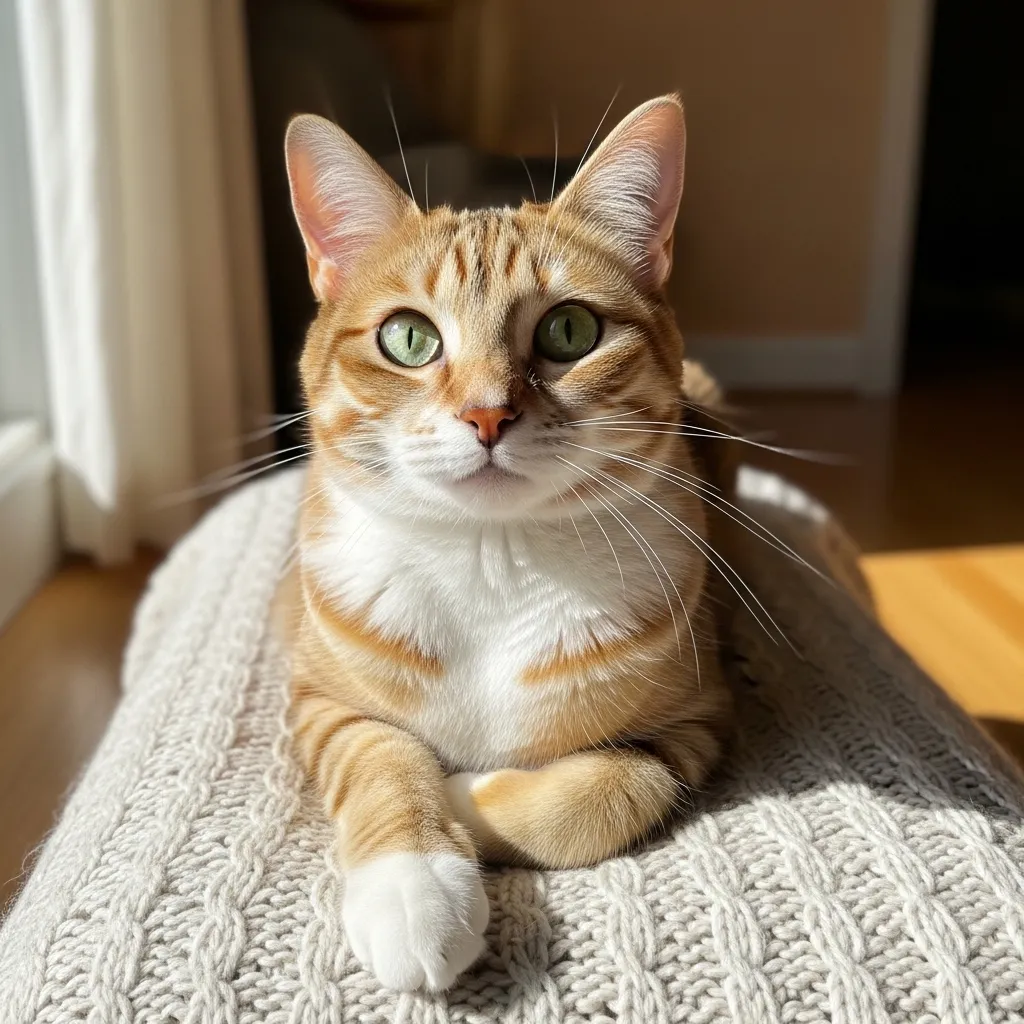
We love our cats, but let’s be honest—they can be mysterious little creatures. We often interpret their behaviors through a very human lens, which can lead to some pretty big misunderstandings. I’ve been there, thinking my cat was being spiteful or aloof, only to learn there was a totally different feline reason behind the action.
Getting to know what your cat is really trying to say deepens your bond and makes life together so much smoother. It’s time to clear up some of the most common cat myths. From purring to that intense midnight stare, here are ten things we frequently misunderstand about our feline friends.
1. Purring Always Means Happiness
We naturally think a purring cat is a happy cat, and often that’s true! That gentle rumble during a cuddle session is pure contentment. But purring is actually a much more complex communication tool.
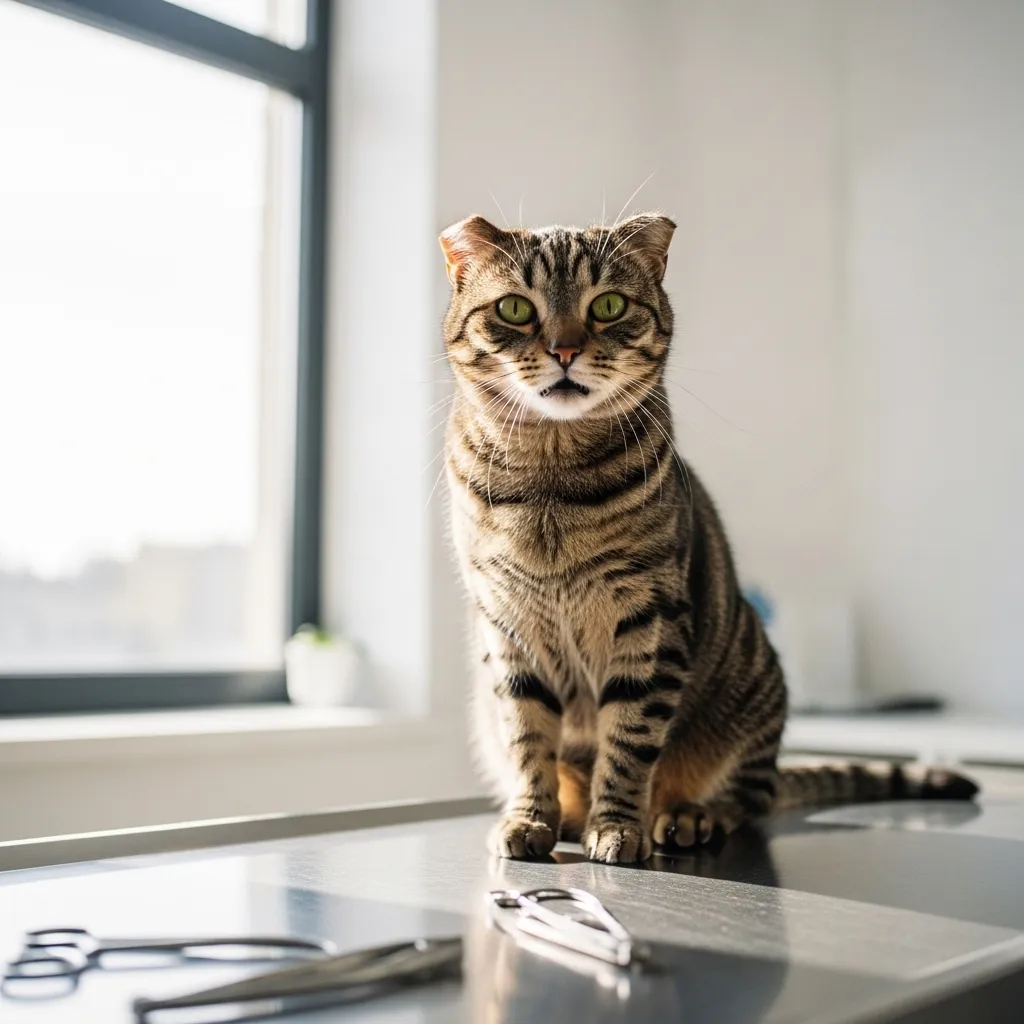
Cats also purr when they are stressed, in pain, or even seriously ill. It’s thought to be a self-soothing mechanism. A cat purring quietly at the vet isn’t necessarily relaxed; she might be comforting herself. Always look at the whole context—body language, situation, and other cues—to understand what that purr really means.
2. A Wagging Tail is Like a Dog’s
Seeing a tail wag and thinking “happy” is a classic dog-person mistake. In the cat world, a swishing or thumping tail is usually a red flag.
It typically signals irritation, over-stimulation, or concentration (like when they’re about to pounce). A gently waving tail tip might mean mild curiosity, but a full, forceful swish means “back off.” The happier feline tail signal is usually straight up with a little curl at the end—a kitty hello!
3. They’re Nocturnal Animals
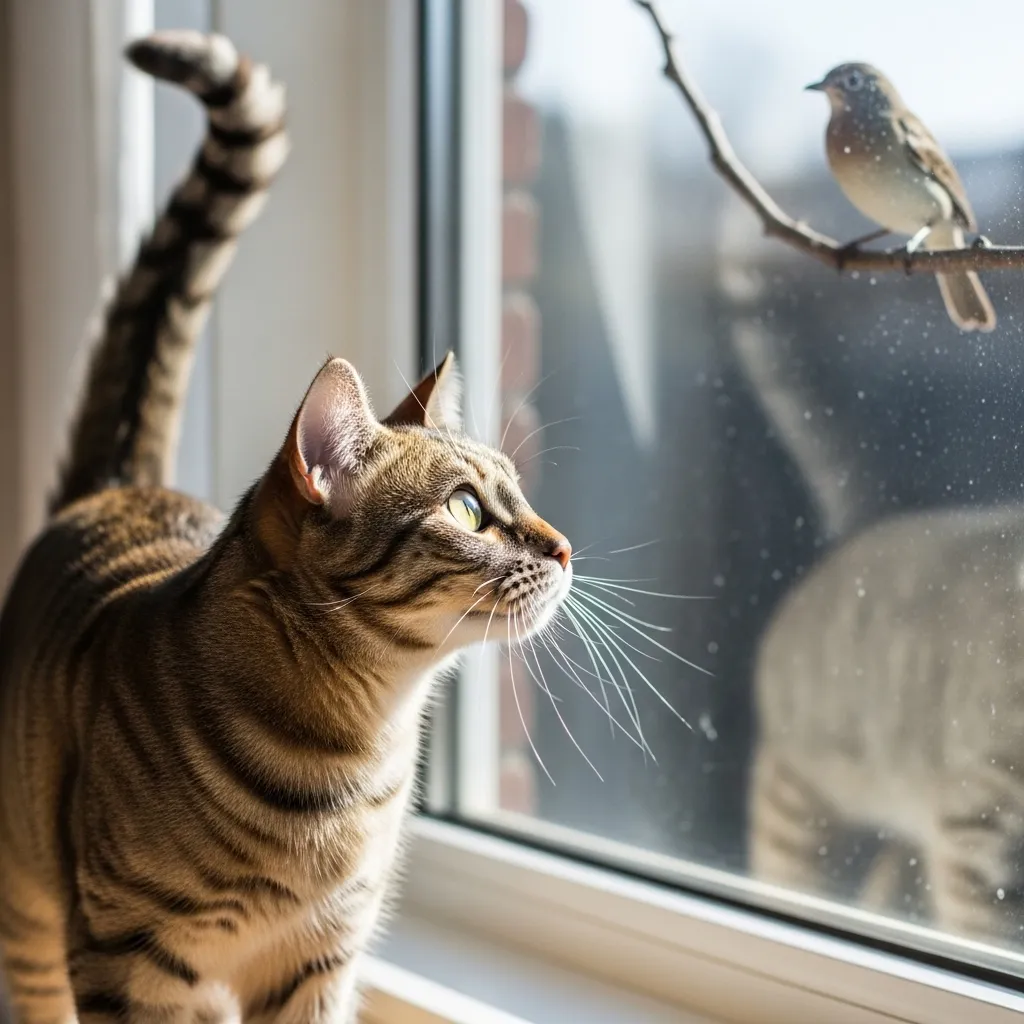
Calling cats nocturnal isn’t quite right. They’re actually crepuscular. This means their peak activity times are at dawn and dusk.
This instinct comes from their wild ancestors, who hunted when prey like rodents were most active. That’s why your cat might have a “zoomies” session at 5 AM or right as the sun sets. It’s not them trying to ruin your sleep; it’s hardwired biology. You can manage it with vigorous play sessions before your bedtime.
4. Milk is a Good Treat
The image of a cat lapping up a saucer of milk is iconic, but it’s not healthy. Most adult cats are lactose intolerant.
They lose the enzyme needed to digest lactose after kittenhood. Giving them cow’s milk can lead to an upset stomach, diarrhea, and discomfort. If you want to give a liquid treat, opt for a bit of plain, lactose-free cat milk or, better yet, stick with fresh water and their regular food.

5. Cats Are Low-Maintenance Pets
While they may not need walks, cats are far from maintenance-free. Their needs are just different. They require daily social interaction, mental stimulation, and play to stay happy and avoid behavioral issues.
- Their litter boxes need daily scooping and regular cleaning.
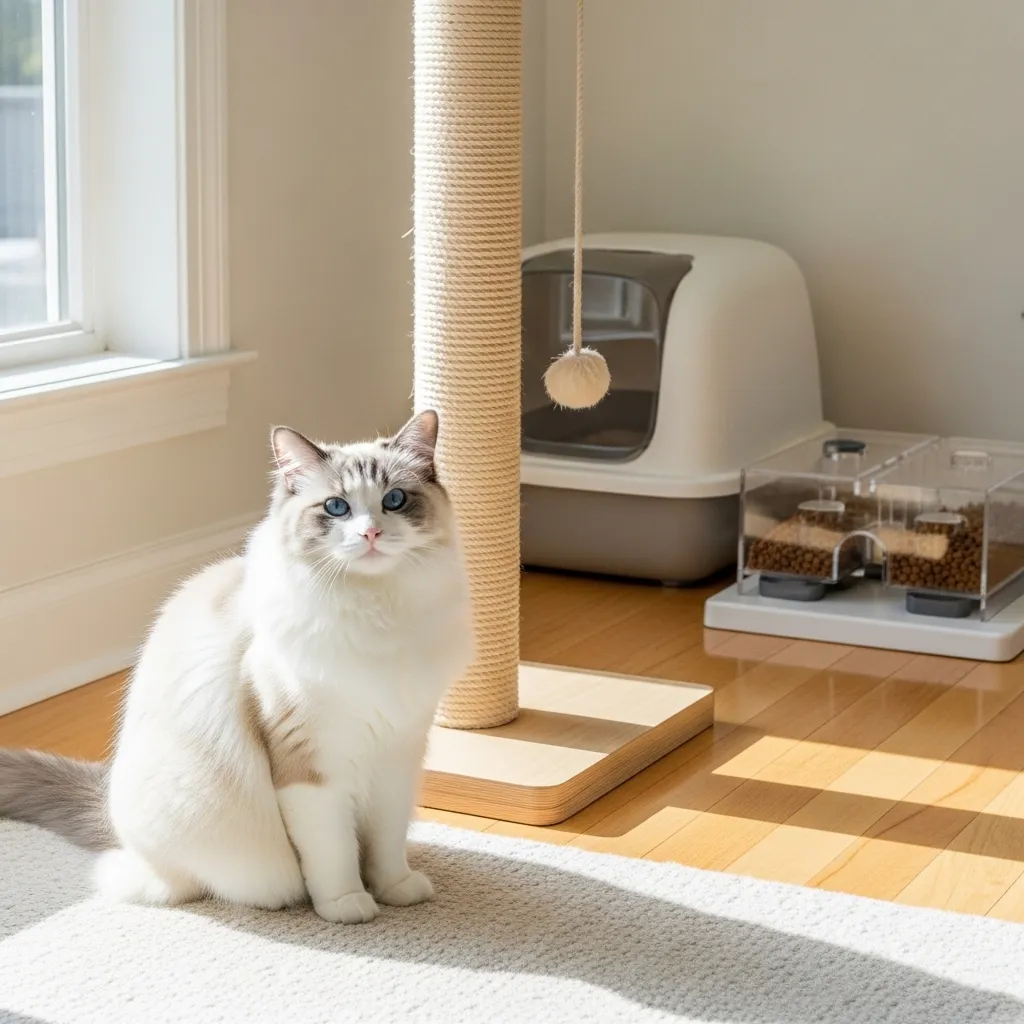
- They need scratching posts and vertical space.
- Regular vet check-ups are non-negotiable, as cats hide illness well.
It’s less about constant supervision and more about consistent, thoughtful care.
6. They Scratch Furniture Out of Spite
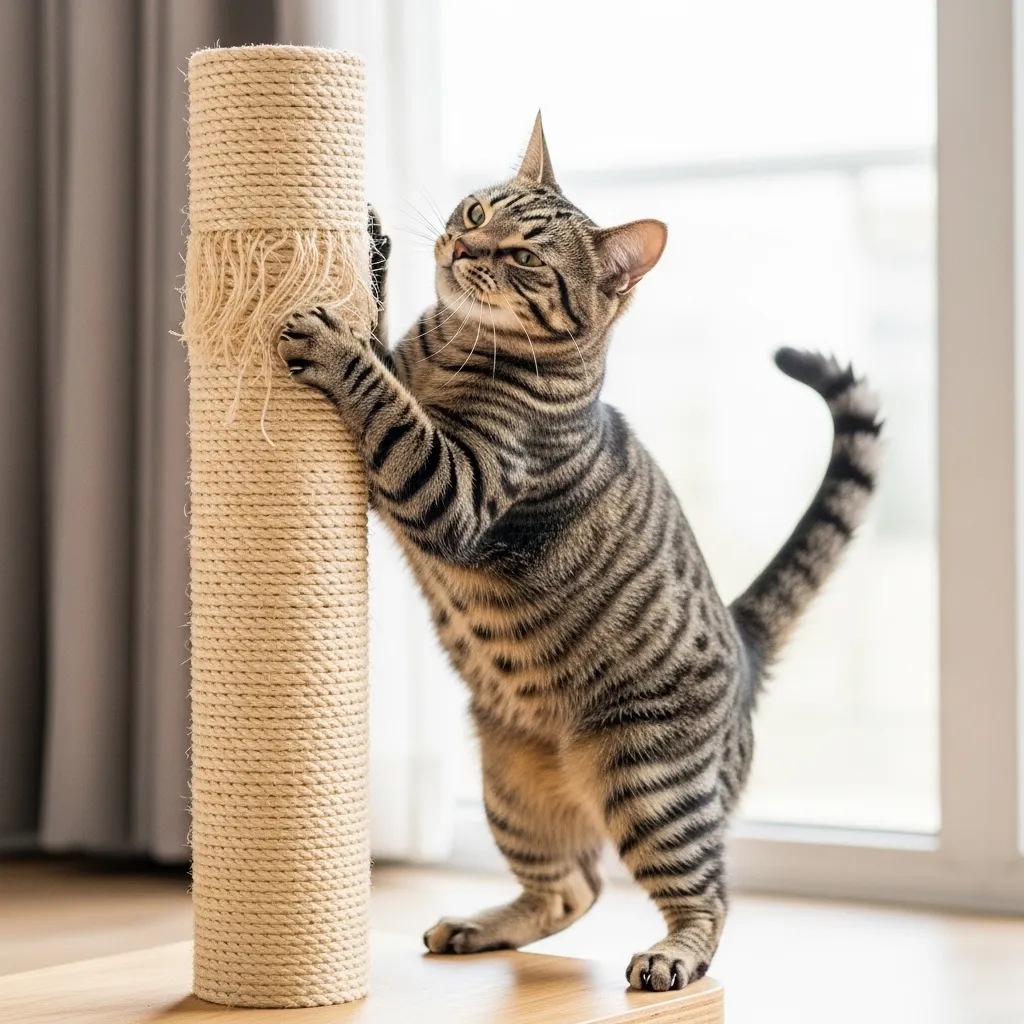
When your cat shreds the sofa corner, it feels personal. But scratching is a natural, essential behavior, not an act of revenge.
Cats scratch to mark territory (with scent glands in their paws), stretch their muscles, and shed old claw sheaths. They’re not ruining your things; they’re meeting a biological need. The solution isn’t punishment, but providing better, more appealing options like sturdy scratching posts and pads placed near their favorite “off-limits” spots.
7. A Cat Rubbing on You is Just Being Affectionate
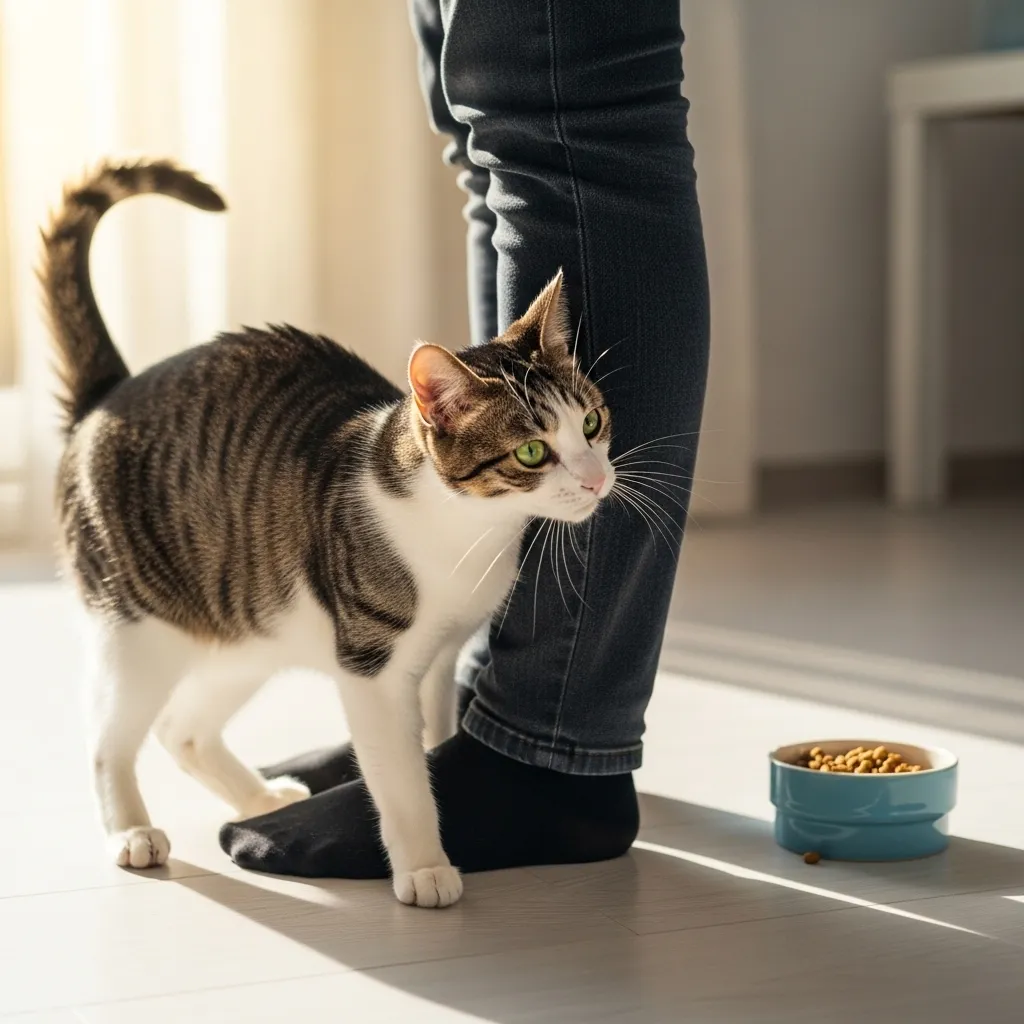
That sweet head-butt and body rub feels like pure love, and it is in a way. But there’s more to it. Your cat has scent glands on her head, cheeks, and body.
When she rubs on you, she’s mingling her scent with yours. She’s marking you as safe, familiar, and part of her family group. It’s the ultimate compliment—you’re being claimed as her property. Consider it a badge of honor.
8. Cats Can See Perfectly in Total Darkness
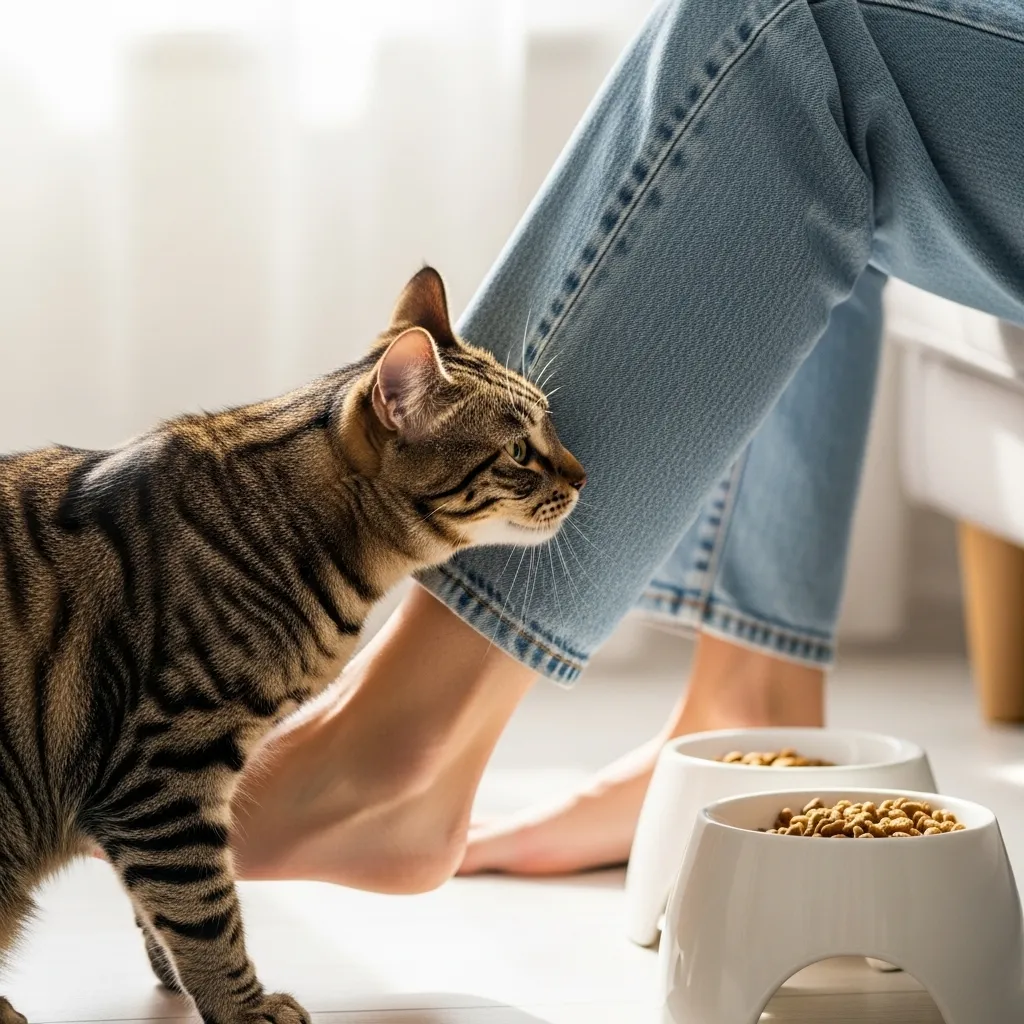
Cats have incredible night vision, but they can’t see in pitch-black darkness. Their eyes need at least a tiny bit of light to work their magic.
They have a reflective layer behind their retinas called the tapetum lucidum, which amplifies available light. That’s why their eyes seem to glow. So while they navigate a dim room far better than we can, they still appreciate that night light in the hallway.
9. They’re Solitary and Aloof by Nature
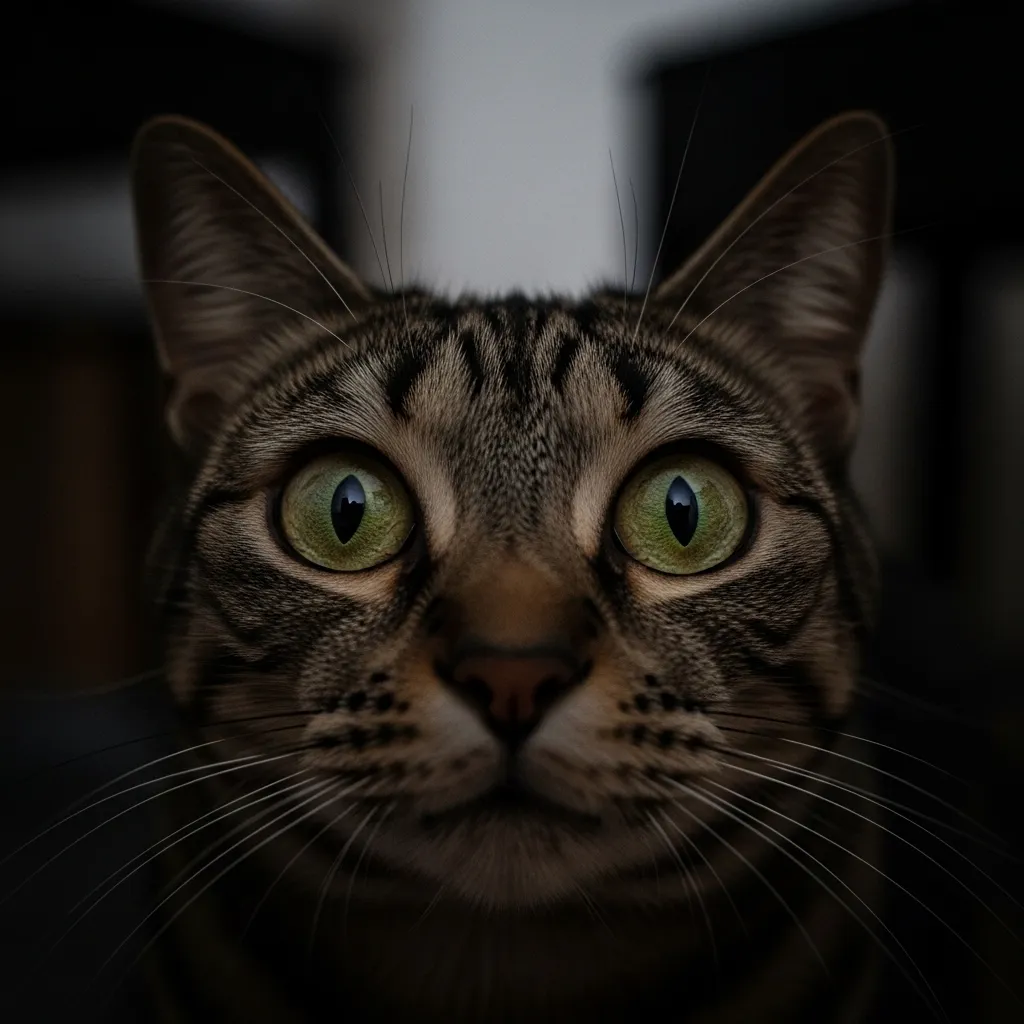
This is a huge oversimplification. While cats are often more independent than dogs, they are social creatures. They form complex relationships and can be deeply bonded to their humans and other pets.
That “aloof” behavior is often just them respecting their own space—and yours. Many cats follow their people from room to room, just at a distance. They show love in quieter ways: slow blinks, gentle touches, and simply choosing to be in your presence.
10. Bringing You “Gifts” is a Teaching Attempt
Finding a “present” of a mouse or insect is unsettling. We often say, “She’s trying to teach me to hunt.” While it might be related to hunting instincts, experts think it’s more about sharing.
Your cat may see you as a clumsy family member who can’t hunt properly, so she’s providing for you. Or, she might be bringing her prized catch to the safety of her den (your home) to enjoy it. As gross as it is, try to see it as a misguided act of generosity and care.
Understanding is the Key to a Happy Cat
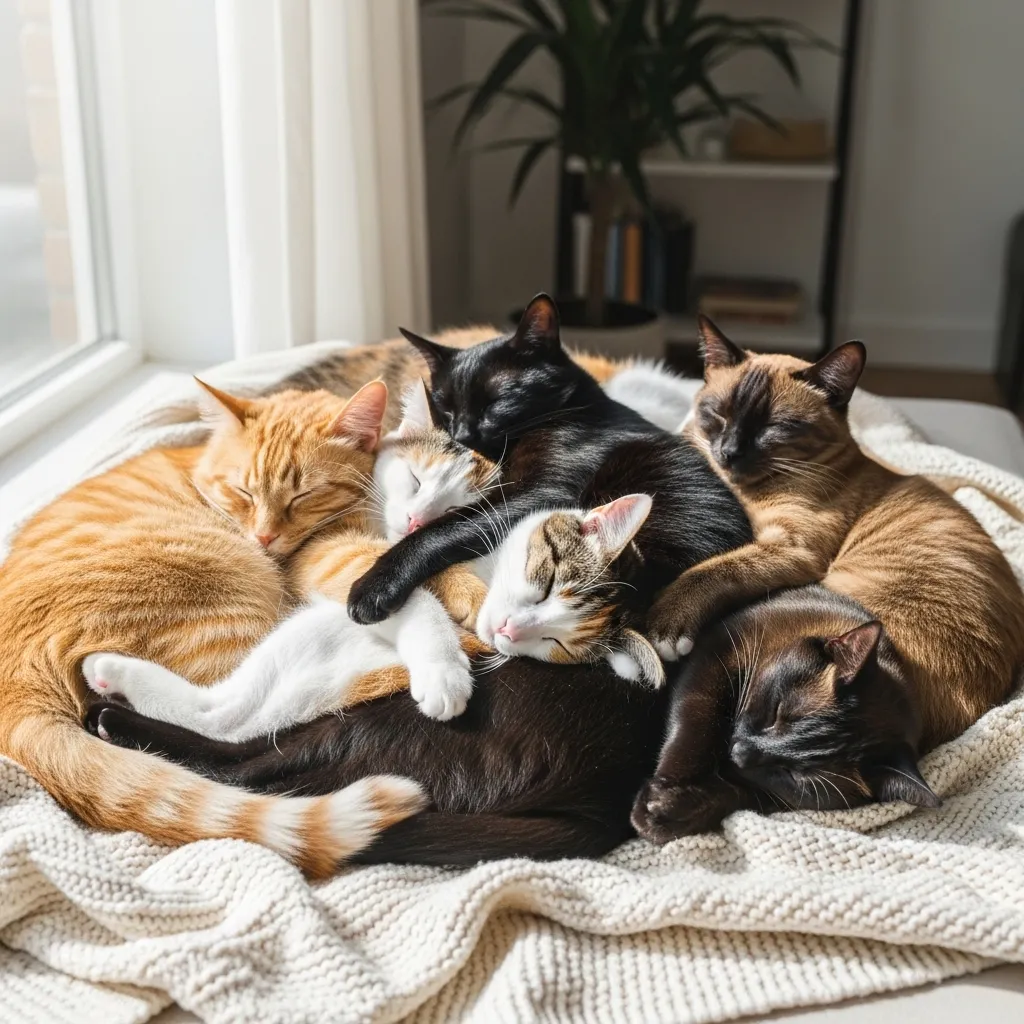
When we stop seeing our cats as tiny, mysterious humans and start understanding them as the fascinating felines they are, everything changes. Their behaviors make more sense, and we can meet their needs more effectively. Pay attention, learn their unique language, and you’ll be rewarded with a richer, more connected relationship with your incredible cat.
Your Cat Questions, Answered
Q: Why does my cat stare at me?
A: It’s usually a sign of affection and trust. A slow, soft stare with a blink is a “cat kiss.” A hard, unblinking stare might mean they’re focused on you or want something (like food!).
Q: Is it bad to stare back at my cat?
A: A direct, unblinking stare can be seen as a challenge or threat in cat language. Instead, try slowly blinking and looking away to tell them you’re friendly and relaxed.
Q: Why does my cat knock things off tables?
A: It’s often a combination of play, hunting practice (batting at objects), and a learned behavior—they’ve discovered it gets a big reaction from you! Try providing more interactive toys.
Q: Do cats really hate water?
A> Not all do! It varies by breed and individual. Many dislike sudden immersion but may play with dripping taps. Their dense fur gets heavy and cold when wet, which is likely the root of the aversion.
Q: Can my cat really sense my mood?
A> Yes, many cats are highly attuned to their human’s emotional state. They may pick up on changes in your tone, body language, and even scent. It’s why they often come to comfort us when we’re sad or stressed.