5 Balanced Raw Dog Food Recipes You Should Know About (Vet-Approved & Easy to Make)
Switching my dog to a raw diet was one of the best decisions I ever made. I remember being totally overwhelmed at first—so many recipes, so much conflicting advice. But after months of trial and error (and a very happy pup licking his bowl clean), I’ve narrowed down five balanced recipes that are simple, nutritious, and actually work for real life.
These aren’t complicated chef-level meals. They’re practical blends of muscle meat, organ meat, bone, and veggies that mimic what dogs would eat in the wild. Each recipe is designed to be complete and balanced for an adult dog, so you don’t have to stress about missing nutrients. Let’s dive in.
Essential Equipment for Raw Dog Food Prep
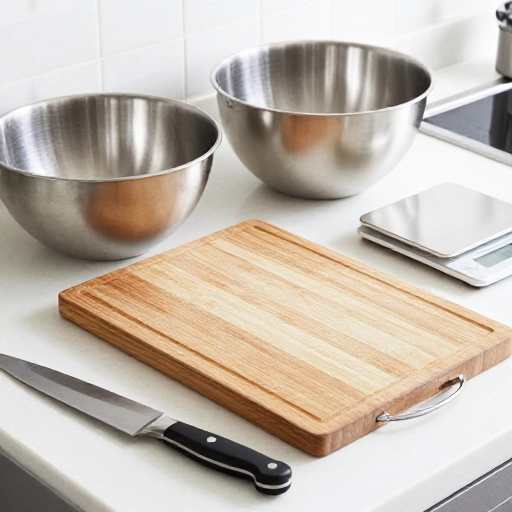
Before you start chopping, you’ll want a few basic tools. A sharp chef’s knife and a sturdy cutting board are non-negotiable. I also use a large mixing bowl and a food scale to get portions right. For grinding, a meat grinder is handy if you’re making large batches, but you can also buy pre-ground raw mixes. A set of freezer-safe containers or silicone molds makes portioning a breeze. Cleanup is easier with a dedicated set of tongs and a good scrub brush for your surfaces.
Recipe 1: Classic Chicken & Veggie Blend
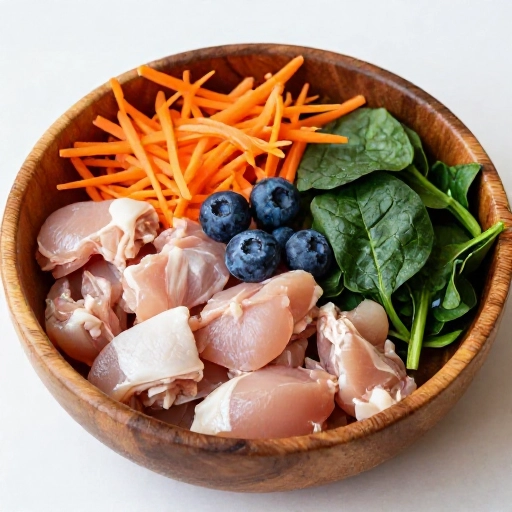
This is the recipe I started with—it’s gentle on sensitive stomachs and uses ingredients you can find at any grocery store. For this batch, combine 2 pounds of bone-in chicken thighs (skin removed), 8 ounces of chicken liver, and 4 ounces of chicken hearts. Add 1 cup of finely shredded carrots, ½ cup of steamed and cooled spinach, and 2 tablespoons of ground flaxseed for omega-3s. I also toss in a pinch of kelp powder for trace minerals.
To make it, grind the chicken thighs (including bones) in a meat grinder or food processor until coarsely ground. Finely chop the liver and hearts, then mix everything together in a large bowl. Portion into daily servings and freeze. Thaw one portion in the fridge overnight before serving.
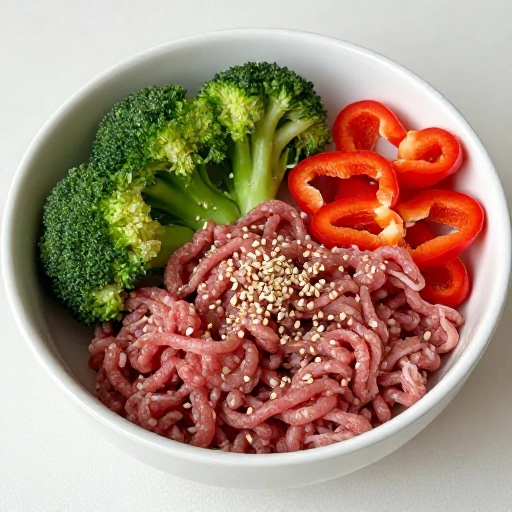
Recipe 2: Beef & Broccoli Power Bowl
Red meat is great for active dogs. Grab 2 pounds of ground beef (80/20), 6 ounces of beef liver, and 4 ounces of beef kidney. For veggies, use 1 cup of steamed broccoli florets (cooled) and ½ cup of blueberries. Add 1 raw egg with the shell (crushed) for extra calcium.
In a bowl, combine the ground beef with finely chopped liver and kidney. Stir in the broccoli, blueberries, and crushed eggshell. Mix well, then portion into silicone molds. This recipe freezes beautifully. I serve it slightly thawed so it’s cool but not icy. My dog does a happy dance every time I pull this one out.
Recipe 3: Turkey & Sweet Potato Comfort
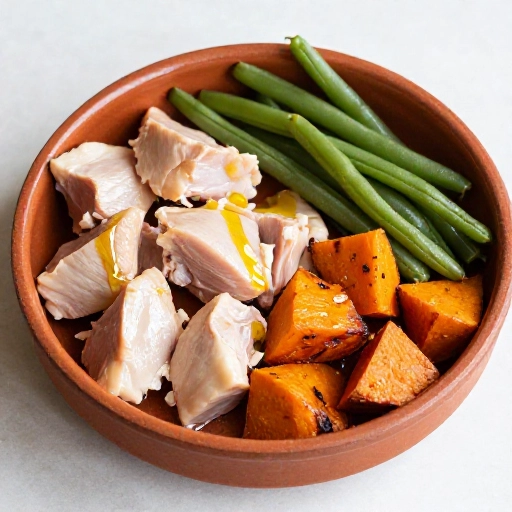
Turkey is lean and easy to digest. Use 2 pounds of ground turkey, 6 ounces of turkey liver, and 4 ounces of turkey heart. Steam 1 cup of sweet potato (peeled and cubed) until soft, then mash it. Add ½ cup of chopped kale and 1 tablespoon of coconut oil.
Mix the ground turkey with the finely chopped organs. Fold in the mashed sweet potato, kale, and coconut oil until evenly distributed. This one is a bit stickier, so I use a cookie scoop for portioning. It’s perfect for dogs with poultry sensitivities since turkey is often better tolerated than chicken.
Recipe 4: Salmon & Sardine Omega Boost
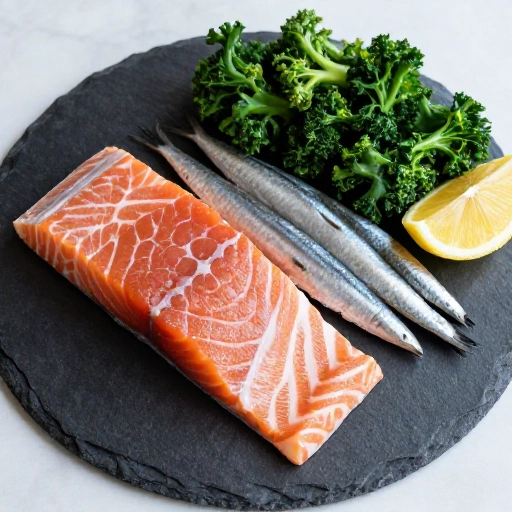
Fish-based recipes are amazing for skin and coat health. You’ll need 1.5 pounds of boneless salmon fillet, 4 ounces of fresh sardines (gutted), and 4 ounces of beef liver. Add 1 cup of steamed zucchini and ½ cup of cooked quinoa (cooled). Include 1 tablespoon of salmon oil for extra shine.
Chop the salmon and sardines into small chunks (no need to grind). Dice the liver finely. Combine everything in a bowl with the zucchini and quinoa. Drizzle in the salmon oil and mix gently. This one doesn’t freeze as solidly, so I store it in the fridge and use within 3 days.
Recipe 5: Lamb & Pumpkin Gentle Mix
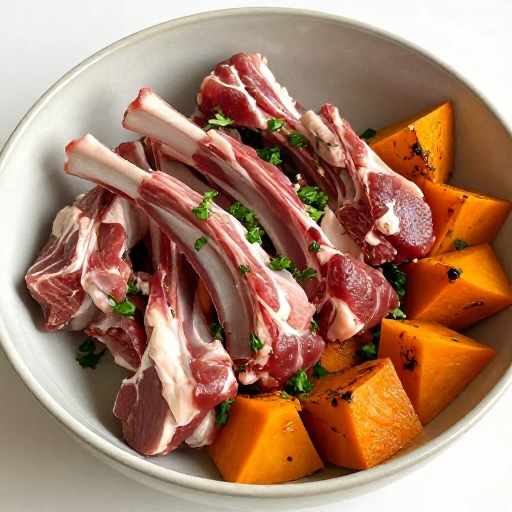
Lamb is a novel protein that works wonders for dogs with allergies. Use 2 pounds of ground lamb, 6 ounces of lamb liver, and 4 ounces of lamb kidney. Add 1 cup of plain canned pumpkin (not pie filling) and ½ cup of cooked oatmeal. Sprinkle in 1 teaspoon of dried parsley for fresh breath.
Combine ground lamb with finely chopped organs. Stir in the pumpkin and oatmeal until well mixed. The pumpkin helps firm up stools, so this is my go-to for dogs with loose tummies. Portion and freeze as usual. It’s a warm, comforting meal even when served cold.
Why These Recipes Are Balanced
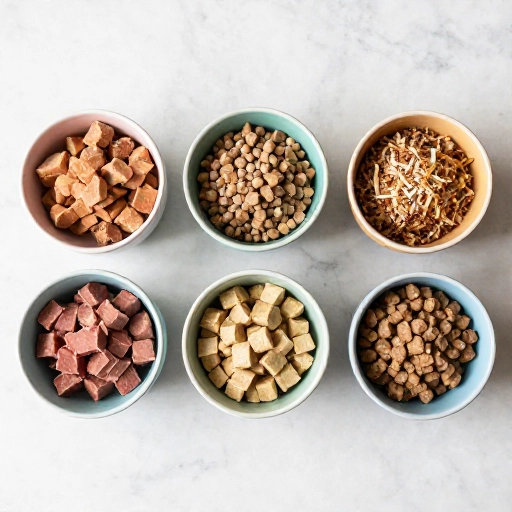
Each recipe follows the 80-10-10 rule: 80% muscle meat, 10% organ meat (half liver, half other organ), and 10% edible bone. The veggies and extras make up about 5-10% of the total meal, keeping carbs low. I always rotate proteins every two weeks to prevent food sensitivities. These recipes are designed for adult dogs—puppies need a different calcium-to-phosphorus ratio. If you’re unsure, consult your vet before starting raw feeding.
Conclusion
Raw feeding doesn’t have to be complicated or expensive. Start with one recipe, see how your dog responds, and adjust from there. I’ve seen shinier coats, cleaner teeth, and more energy since switching. The key is balance and variety. Your dog will thank you with every happy tail wag.

Frequently Asked Questions
1. Can I feed raw dog food if I have a busy schedule? Yes! Batch prep on weekends and freeze individual portions. Thaw overnight in the fridge. It takes less than 30 minutes a week once you’re in a routine.
2. How do I know if the recipes are balanced? These recipes are formulated to meet AAFCO guidelines for adult dogs. Always weigh ingredients accurately and use a variety of proteins over time.
3. Can I skip the organ meats? Organs are crucial for vitamins and minerals. Liver provides vitamin A, and kidney offers B vitamins. Don’t skip them—they’re the most nutrient-dense part.
4. What if my dog has a sensitive stomach? Start with the chicken or turkey recipe, and introduce new proteins slowly. Pumpkin or sweet potato can help settle digestion.
5. Do I need to add supplements? These recipes include natural sources of key nutrients. If your dog has specific health issues, consult your vet about adding a multivitamin or omega supplement.