12 DIY Pocket Pet Gate Designs You’ll Love (Easy & Cute Ideas for Small Animals)
If you have a pocket pet—like a hamster, guinea pig, bunny, or even a rat—you know how fast they can zoom around your home. One second they’re nibbling a treat, and the next, they’re hiding under the couch. That’s why having a small, safe gate is a game changer. You don’t need a giant baby gate; you just need something cozy and secure for your tiny explorer.
I’ve gathered 12 of my favorite DIY pocket pet gate designs that are easy to make, look adorable, and actually work. Whether you’re on a budget or love a crafty weekend project, there’s something here for you. Let’s get into the fun ideas!
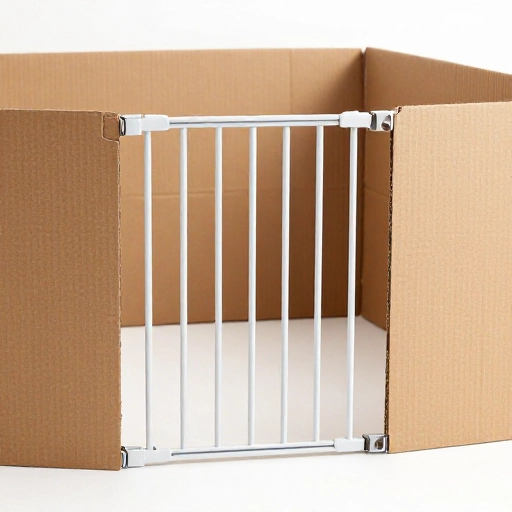
1. Simple Cardboard Playpen Gate
This is the easiest gate you’ll ever make. Grab a large cardboard box, cut it to your desired height (around 6–8 inches works great for hamsters), and fold it into a square or rectangle. Tape the corners securely. You can even cut out a little door flap. It’s lightweight, cheap, and perfect for indoor playtime.
I love this one because you can decorate it with washi tape or markers. Your pet gets a colorful little zone, and you can toss it when it gets messy. Just make sure the cardboard is thick enough so they can’t chew through it quickly.
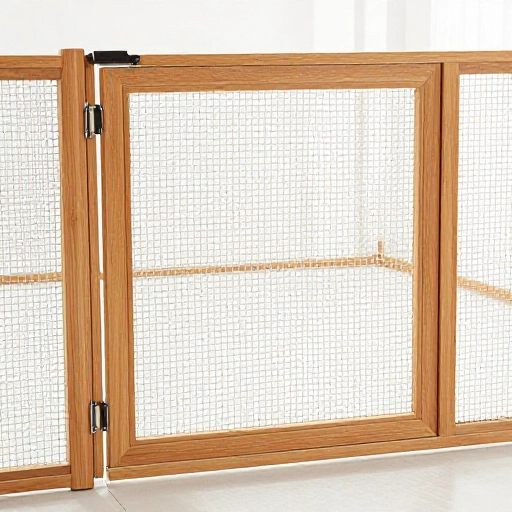
2. Mesh Panel Gate with Wood Frame
If you want something sturdier, try a mesh panel gate. Get a wooden picture frame or some thin plywood, and staple hardware mesh (the kind with small holes) across the opening. You can make it as tall or wide as you need. This works great for guinea pigs or rabbits who like to jump a little.
I’ve found that using a lightweight frame makes it easy to move around. You can even hinge two panels together for a wider area. Just sand the wood edges so there are no splinters. Your pet will love the visibility, and you’ll love how clean it looks.
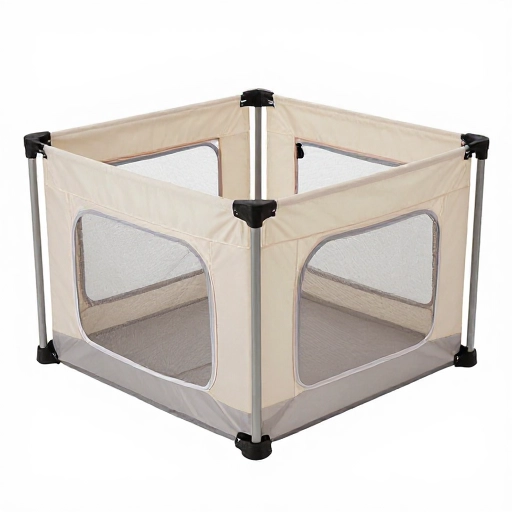
3. Foldable Fabric Play Yard
This is my go-to for travel or quick setup. Sew or glue fabric (like cotton or fleece) onto a set of lightweight dowels or PVC pipes. Make it foldable by attaching hinges or just using a simple box-stitch design. The fabric walls are soft, so no one gets hurt if they bump into it.
You can customize the fabric to match your room. I use a cute polka dot print, and it doubles as a portable playpen. Just be sure the fabric is tight enough so they can’t climb up. It’s also washable, which is a huge plus for messy little pets.
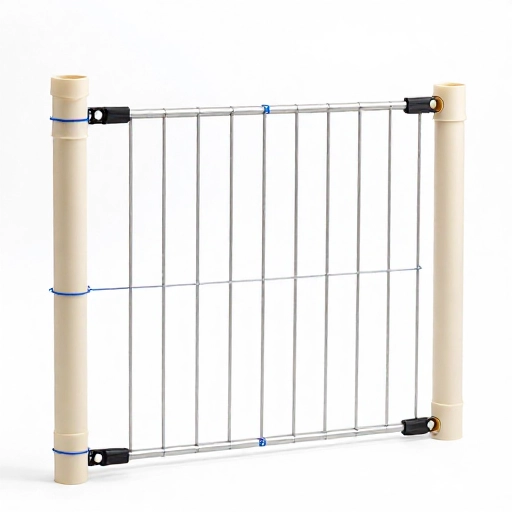
4. PVC Pipe and Zip Tie Gate
PVC pipe is super cheap and easy to cut. You’ll need a few lengths of pipe and some corner connectors. Assemble a rectangle, then use zip ties to attach a sheet of clear plastic or mesh. This creates a lightweight, see-through gate that’s surprisingly strong.
I like this design because you can easily adjust the size by adding or removing sections. It’s also waterproof, so cleaning is a breeze. Just make sure the zip ties are tight and the edges are smooth. Your pocket pet will have a clear view of the room while staying safe.
5. Upcycled Crate Gate
Look around your house for old wooden crates or milk crates. Stack them sideways to create a little wall. You can tie them together with rope or zip ties. This gives a rustic, farmhouse vibe, and it’s super sturdy for larger pocket pets like guinea pigs.
I once used a vintage crate from a flea market. I added a little cushion on top so my bunny could rest her chin. Just check for any sharp staples or nails. It’s a great way to reuse something that might otherwise go to waste.
6. Hinged Wooden Gate with Latch
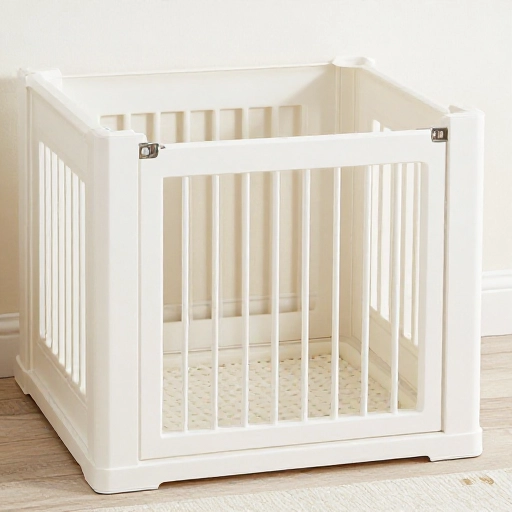
If you want a gate that swings open and closes, this is for you. Build a simple wooden frame (like a small door) and attach hinges to one side. Add a small latch on the other. You can make it any height, but 10–12 inches works well for most pocket pets.
This design feels like a real mini gate. I use it to block off a hallway or a doorway. It’s sturdy enough to keep a curious bunny in, but easy for me to step over. Paint it a fun color or leave it natural. It adds a charming touch to any room.
7. Wire Shelf Grid Gate
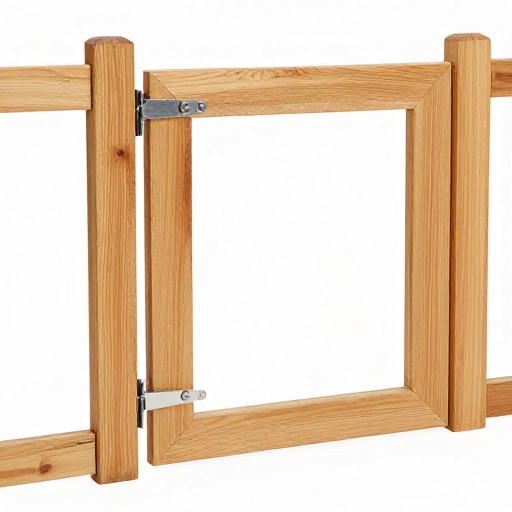
You know those wire storage cubes you can buy at any store? They’re perfect for pet gates. Just connect a few panels together with zip ties or connectors. You can create a straight fence or a circular playpen. The grid pattern allows your pet to see through and climb a little if they’re adventurous.
I love how modular this is. You can add or remove panels anytime. It’s also super easy to clean—just wipe it down. Make sure the holes are small enough so your tiny pet can’t squeeze through. For hamsters, I recommend using grids with 1/2 inch spacing.
8. Fabric-Covered Foam Board Gate
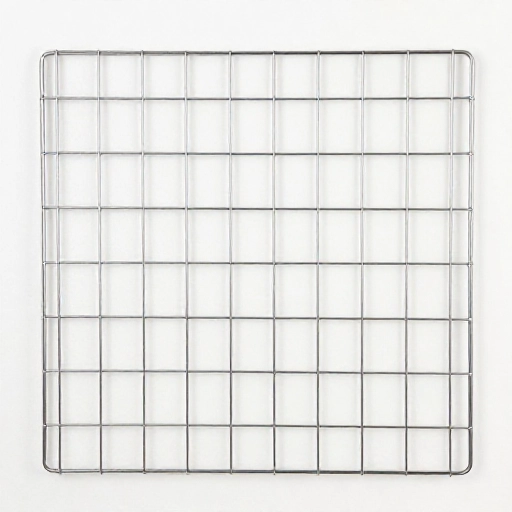
Foam board (like the kind for presentations) is lightweight and easy to cut. Shape it into a U-shape or a rectangle, then cover it with fabric using glue or tape. The foam is soft, so if your pet runs into it, they won’t get hurt. It’s also quiet, which is nice for nighttime play.
This is a great option for small spaces. You can store it flat when not in use. I made one for my rat and she loved peeking over the top. Just be aware that foam board isn’t chew-proof, so supervise your pet. It’s perfect for supervised play sessions.
9. Repurposed Bookshelf Gate
Got an old bookshelf lying around? Lay it on its side and use it as a barrier. You can even add a little ramp or tunnel inside for extra fun. The shelves create natural cubbies that your pet can explore. It’s a creative way to give them a multi-level space.
I found a small shelf at a garage sale and turned it into a mini playground. I added some fleece bedding and a water bowl. It’s not a traditional gate, but it works perfectly for keeping them contained while they play. Just make sure it’s stable and can’t tip over.
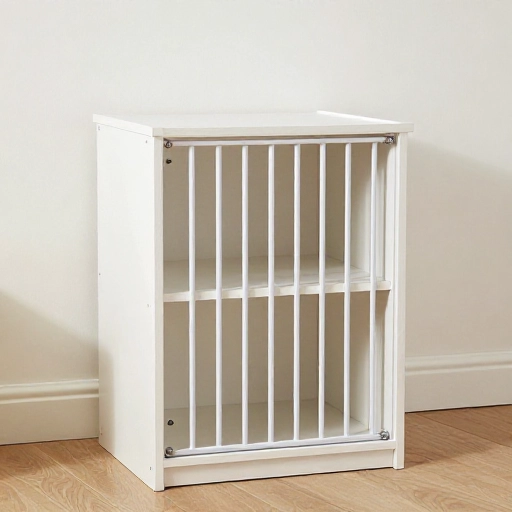
10. Tension Rod and Curtain Gate
This one is super easy and requires no tools. Use a tension rod (the kind for curtains) and hang a lightweight curtain or fabric panel across a doorway. Adjust the rod so it fits snugly. The fabric creates a soft barrier that your pet can’t easily push through.
I use this in my craft room. It’s great for small pets because it’s not intimidating. The fabric gives a cozy feel, and you can change it seasonally. Just make sure the fabric is heavy enough that they can’t climb it. It’s a no-mess solution that takes seconds to set up.
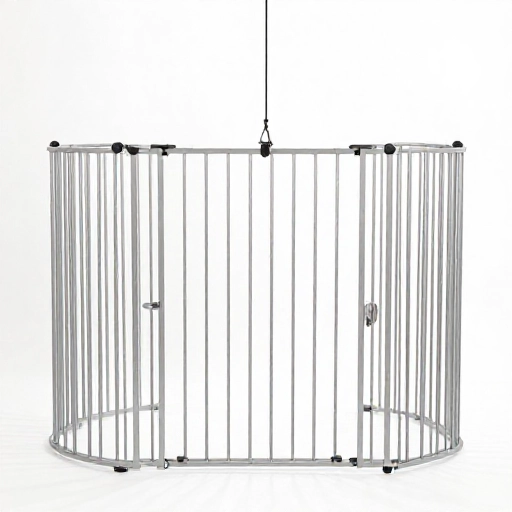
11. Decorative Pallet Wood Gate
If you love a rustic look, grab some pallet wood. Sand it down, cut it to size, and nail the pieces together to form a small fence. You can leave it weathered or paint it. This gate is heavy and sturdy, so it’s great for larger pocket pets like rabbits or chinchillas.
I made one for my guinea pig’s play area. It took about an hour, and it looks like a little picket fence. Just be careful with splinters—sand it well. You can also add a small gate with a hinge for easy access. It’s a conversation starter for sure.
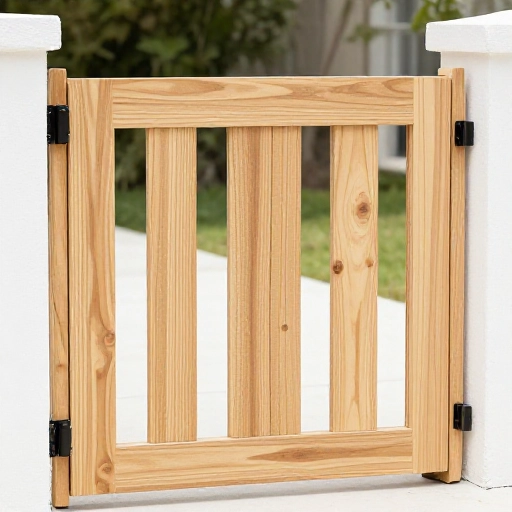
12. Clear Acrylic Panel Gate
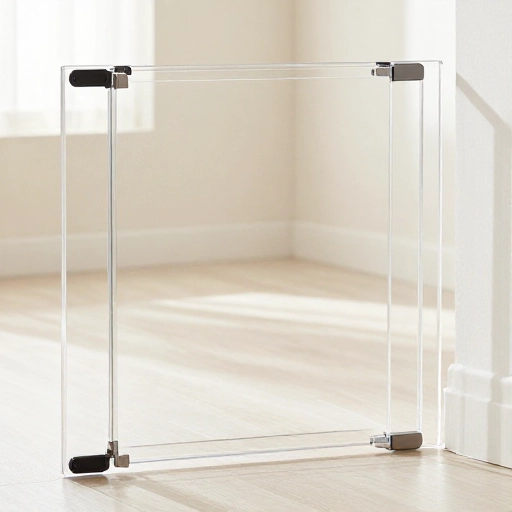
For a modern, clean look, use acrylic sheets. Cut them to size (or have them cut at a hardware store) and attach them to a simple wooden base. You can also use clear plastic panels. The transparency lets you see your pet while keeping them contained. It’s also easy to wipe clean.
I love this for small spaces because it doesn’t block light. It feels almost invisible. Just make sure the edges are smooth and there are no sharp corners. You can even drill small holes and tie them together with zip ties. It’s sleek and functional.
Conclusion
There you have it—12 DIY pocket pet gate designs that are simple, cute, and totally doable. Whether you’re a beginner crafter or a seasoned DIYer, these ideas will help you create a safe space for your little friend. I hope you found one that fits your style and your pet’s needs. Remember, the best gate is one that keeps them safe and makes you smile. Happy building!
Frequently Asked Questions
What is the best material for a pocket pet gate?
It depends on your pet. For hamsters and mice, lightweight materials like cardboard or fabric work well. For guinea pigs and rabbits, go with wood or mesh. Always avoid materials that can be easily chewed and swallowed.
How tall should a pocket pet gate be?
Most small pets can’t jump very high. A gate that’s 6–10 inches tall is usually enough for hamsters and gerbils. For rabbits and guinea pigs, aim for 12–15 inches. If your pet is a jumper, add a few extra inches just to be safe.
Can I use a baby gate for my pocket pet?
You can, but baby gates often have wide gaps that small pets can squeeze through. If you use one, make sure the bars are close together or add a mesh overlay. It’s often easier to make a custom gate that fits your pet’s size.
How do I clean a DIY pet gate?
It depends on the material. Fabric gates can be machine washed. Wood and PVC gates can be wiped down with a pet-safe cleaner. Cardboard gates are disposable. Always check for wear and tear after cleaning.
Are DIY gates safe for chewing pets?
Some materials are more chew-resistant than others. If your pet loves to chew, avoid cardboard and soft foam. Use wood, metal mesh, or hard plastic instead. Always supervise your pet the first few times to make sure they aren’t chewing on the gate.