11 Vertical Cat Spaces That Will Transform Your Home
If you share your home with a cat, you already know they crave height. They love to perch, observe, and claim the highest spot in the room. But not all of us have space for a giant cat tree. That is where vertical thinking comes in.
I have spent years finding clever ways to give my cats the high ground without turning my living room into a jungle gym. These eleven ideas are all about using your walls, windows, and empty corners. They are practical, space-saving, and honestly, they make your home look even better.
Ready to see your space from a cat’s point of view? Let’s jump in.
1. Floating Shelf Staircase
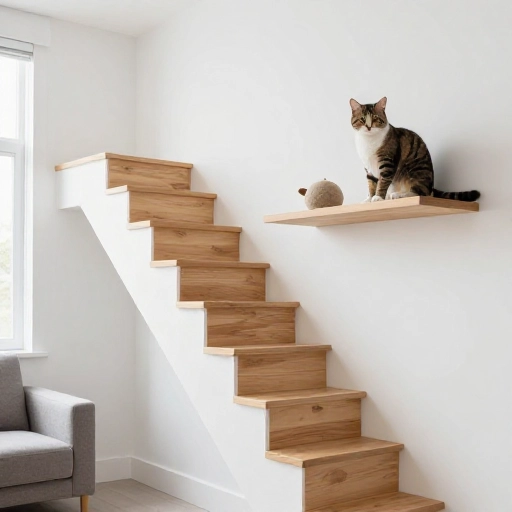
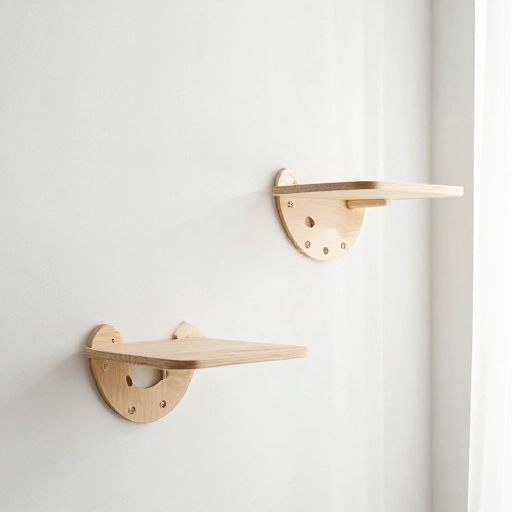
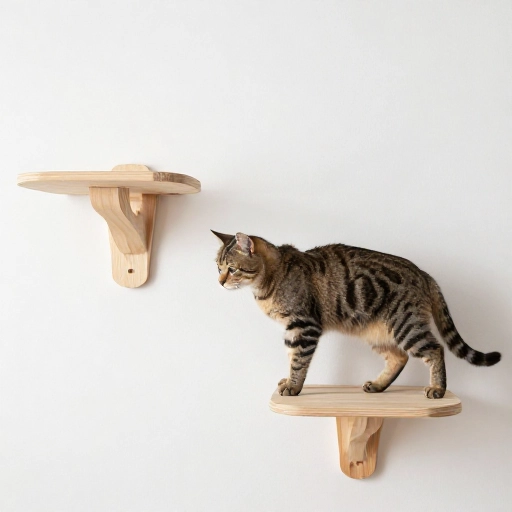
A set of staggered floating shelves creates a natural climbing path up your wall. Start low, maybe near a piece of furniture, and work your way up to a higher landing. This gives your cat a fun route and adds a modern, airy look to your room.
Paint or stain the shelves to match your trim for a seamless look. Just make sure each shelf is wide enough for a cat to turn around. A 12-inch depth works well for most cats.
2. Window Perch with a View
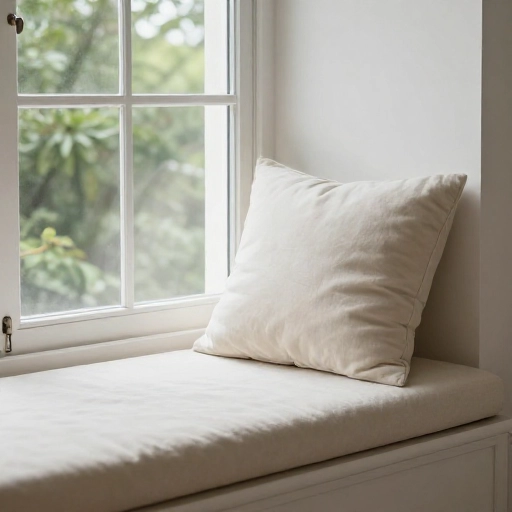
Every cat loves a sunny window. Instead of buying a bulky window bed that sticks on with suction cups, try a narrow shelf placed right under the sill. It is much sturdier and looks like it belongs there.
Add a small, washable cushion or a folded fleece blanket. Your cat will spend hours watching birds, squirrels, and the neighborhood. This is the easiest way to give them a front-row seat to the outside world.
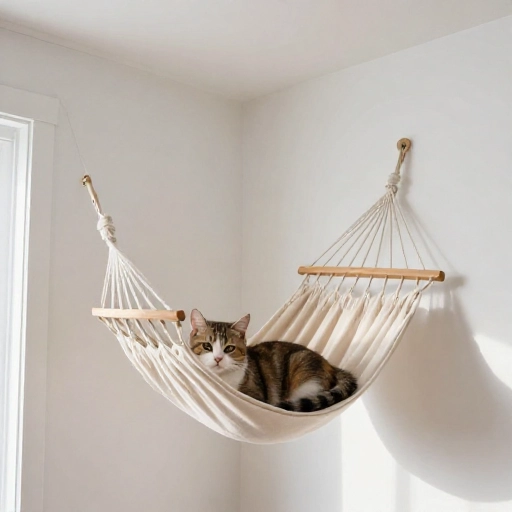
3. Corner Ceiling Hammock
Use an empty corner near the ceiling. Install two small brackets and hang a sturdy hammock made of canvas or fleece. It creates a cozy, hidden spot that feels like a secret hideout.
My cats love this because it sways just a little when they jump in. It is perfect for a shy cat who wants to be up high but out of the main traffic flow. Make sure the hardware is rated for their weight.
4. Wall-Mounted Cat Bridge
Think of a narrow shelf that runs along a wall, maybe above a door or along a hallway. It acts like a bridge connecting two higher spots. This is great for giving your cat a full circuit around the room without touching the floor.
You can buy ready-made cat bridges, or simply use a long, sturdy shelf. Add a little sisal rope wrapped around the edges for grip and scratching fun. Your cat will love patrolling their territory from above.
5. Over-the-Door Perch
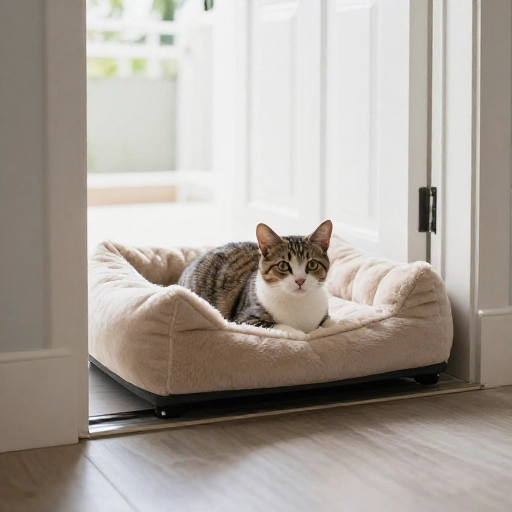
This is a genius trick for small spaces. Use a sturdy over-the-door hook or a tension-mounted shelf that fits over the top of a door. Your cat can lounge there and watch the whole room.
It works best on interior doors that you do not open and close constantly. I put a soft mat on mine, and my cat uses it as a quiet nap spot away from the kids and the dog. It reclaims dead space.
6. Catwalk Above the Kitchen Cabinets
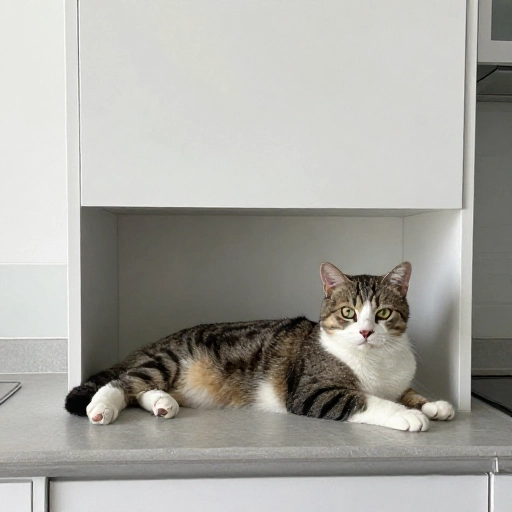
If your kitchen cabinets do not go all the way to the ceiling, you have a perfect cat highway. Install a few small shelves or a plank that connects the tops of your cabinets. Your cat can hop from the fridge to the cabinet and walk right across.
This keeps them off your countertops (mostly) and gives them a warm, high spot. Just make sure the path is safe and there are no gaps they could slip into. It turns wasted space into a favorite hangout.
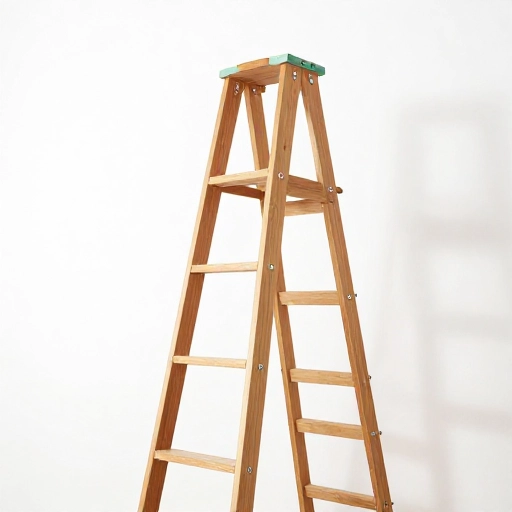
7. Ladder Leaner with Platforms
An old wooden ladder leaned against the wall becomes a multi-level cat gym. You can add small wooden platforms or shelves between the rungs. It looks rustic and charming, and your cat can climb or rest at different heights.
Secure the ladder at the top so it does not wobble. You can even wrap some rungs with sisal rope for scratching. It is a super easy DIY project that feels very natural in a cozy home.
8. High Shelf Over the Sofa
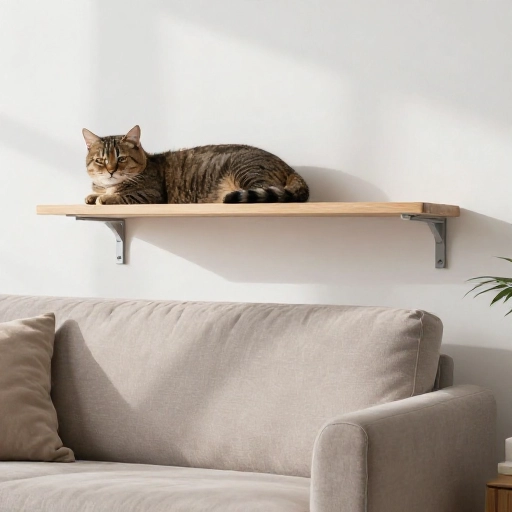
Install a deep shelf right above your couch. This is prime real estate because it is already a warm, cozy spot. Your cat can jump up from the back of the sofa and have a perfect vantage point over the whole living room.
Keep it simple with a single shelf or add a small cushion. Just be sure the shelf is securely anchored into studs. Your cat will love being right above you, close enough to reach down and tap your head.
9. Wall-Mounted Cubby Holes
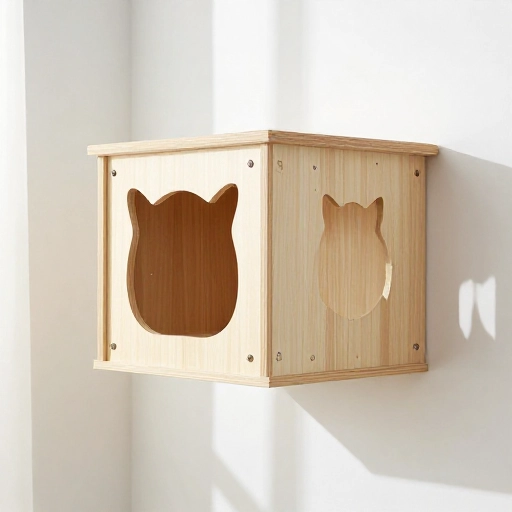
Think of a set of small, boxy shelves arranged like a honeycomb. These cubbies give your cat a sense of security because they are enclosed on three sides. You can place them at different heights for climbing and hiding.
Use cube shelves or build simple wooden boxes. Line the bottom with a soft fabric. My cats love to curl up in these and peek out. They look modern and clean, like built-in cat furniture.
10. Hanging Rope Perch
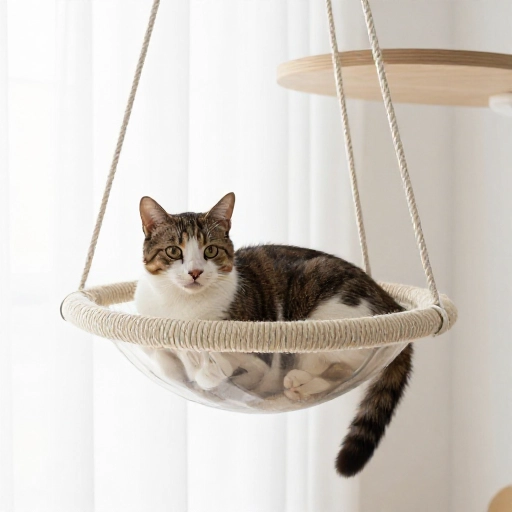
For a boho touch, try a hanging rope shelf or a macrame cat hammock. Hang it from a ceiling hook in a corner or near a window. The gentle sway is very calming for some cats.
Make sure the rope is thick and the knot is secure. You can add a small cushion inside for extra comfort. This is a beautiful, unique piece that doubles as decor and a cozy nap spot.
11. Staircase Wall Shelves
If you have a staircase, the wall alongside it is perfect for a series of small shelves. Place them at intervals so your cat can hop from one to the next as they go up or down. It turns a boring wall into a fun obstacle course.
Keep the shelves shallow so they do not stick out into the walkway. Your cat will love racing you up the stairs. It is a fantastic way to use vertical space that is often ignored.
Conclusion
Adding vertical cat spaces does not have to mean ugly cat trees or bulky furniture. With a little creativity, you can turn your walls, corners, and empty spaces into a cat paradise that blends right in with your style. Start with just one or two ideas and see how your cat responds. They will thank you with purrs and happy naps from above.
Frequently Asked Questions
How high should I place cat shelves?
Start about 3 to 4 feet off the ground for the lowest shelf. Then work your way up, leaving enough space for your cat to jump comfortably between levels. A gap of 12 to 18 inches is usually perfect.
Are wall-mounted cat spaces safe for heavy cats?
Yes, as long as you use proper hardware. Always screw into wall studs or use heavy-duty drywall anchors rated for at least 50 pounds. Test the shelf with your own weight before letting your cat use it.
How do I get my cat to use new vertical spaces?
Start low. Place treats, toys, or catnip on the shelf. You can also sit near it and encourage them gently. Most cats are curious and will explore on their own once they feel safe.
Can I combine these ideas with a cat tree?
Absolutely. Think of your wall spaces as extensions of a cat tree. You can connect shelves to a tree or use them to create a larger circuit around your home. Mixing both gives your cat more variety.
What if I rent and cannot drill into walls?
Look for tension rod shelves, over-the-door perches, or freestanding ladder options. There are also adhesive hooks and pads that can hold lightweight shelves, but always check the weight limit. You can still create great vertical spaces without permanent holes.