13 Easy Pet Feeder DIYs That Actually Work (No Fancy Tools Needed)
Let’s be real: store-bought pet feeders can be pricey, and sometimes they just don’t fit your pet’s personality or your home’s vibe. I’ve been there—staring at a basic plastic bowl, thinking, “I can do better than this.” And you know what? You absolutely can.
Over the years, I’ve tested more DIY pet feeder projects than I can count. Some were epic fails (sorry, cardboard tower), but these 13? They actually work. Whether you have a slow eater, a messy drinker, or a cat who thinks gravity is a game, there’s a fix here. Grab some supplies, and let’s make mealtime better for your furry friend.
Note: Always use pet-safe materials and supervise your pet with new DIY items. Safety first, cuteness second!
1. The Upcycled Tray Slow Feeder
If your dog inhales food like a vacuum cleaner, this one’s for you. Grab an old baking tray (or a cheap one from a thrift store) and a few clean, empty tin cans. Arrange the cans on the tray, pour kibble around them, and watch your pup work for every piece. It slows them down naturally, plus it’s dishwasher safe.
You can also use small silicone muffin cups instead of cans for a softer option. Just make sure they’re stable so they don’t tip over. This is hands-down the easiest slow feeder I’ve ever made, and it cost me exactly zero dollars.
Pro tip: Use a tray with raised edges to catch any stray kibble. Your floors will thank you.
2. Mason Jar Gravity Feeder for Cats
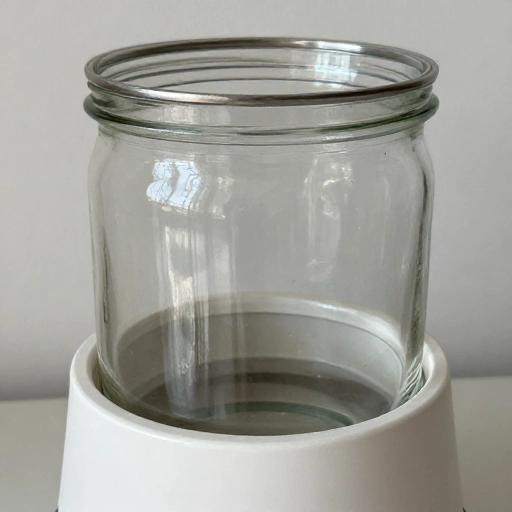
This is a classic for a reason. You’ll need a wide-mouth mason jar, a small plate or bowl, and some sturdy twine or wire. Drill two small holes near the rim of the jar (or use a hammer and nail if you’re brave). Thread the twine through, tie it around the jar’s neck, and secure the jar upside-down over the plate, leaving a small gap.
Food flows down as your cat eats, and it refills itself. It’s not fancy, but it works like a charm. I use this for my cat when I know I’ll be out for the day. Just test the gap size first—too big, and you’ll have a kibble avalanche.
Make sure the plate is heavy enough that it won’t tip. A ceramic ramekin works great too.
3. PVC Pipe Slow Feeder for Dogs
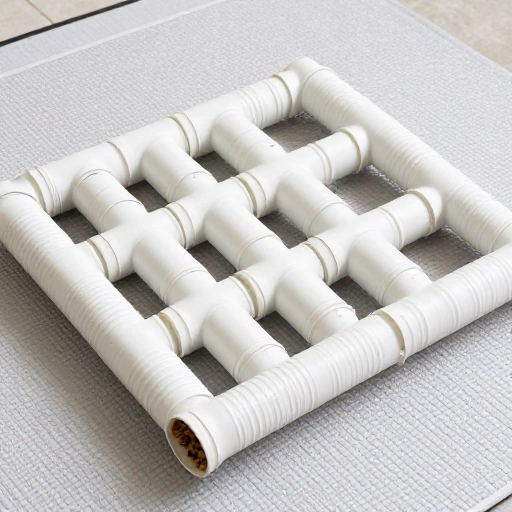
Head to the hardware store for a 4-inch diameter PVC pipe (about 12 inches long) and two end caps. Drill small holes in the pipe—just big enough for kibble to fall through. Glue one end cap on permanently, and leave the other removable. Fill with kibble, cap it, and let your dog roll it around.
This is a fantastic mental workout for high-energy dogs. It forces them to problem-solve, and it keeps them busy for a solid 20 minutes. I made one for my neighbor’s lab, and it’s now his favorite toy.
Sand the edges of the holes so they’re smooth. No sharp edges allowed!
4. The Wine Bottle Water Dispenser
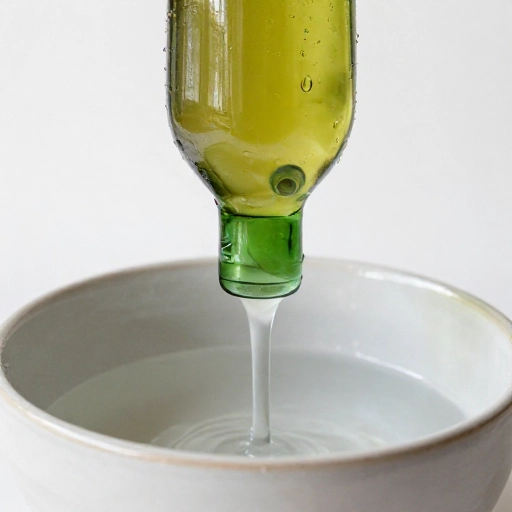
Got an empty wine bottle? Clean it thoroughly, fill it with fresh water, and invert it into a shallow bowl. The water stays clean and fresh longer because it’s not sitting in a wide, open bowl. This is perfect for cats who like to paw at their water or dogs who drool excessively.
I use this for my cat’s water station, and I only have to refill it every two days. Just make sure the bottle is stable—use a bowl with a non-slip bottom. If the bowl is too shallow, the bottle might tip.
For a fun twist, use a colored glass bottle. It looks like decor, not a pet supply.
5. Raised Feeder from a Wooden Crate
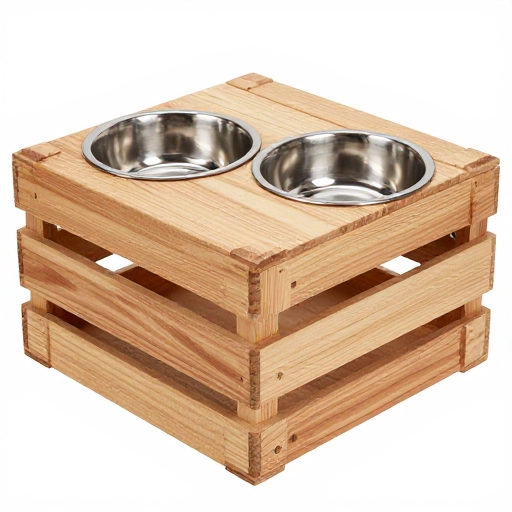
If your dog has joint issues or just looks awkward bending down, a raised feeder is a game-changer. Grab a small wooden crate (the ones from craft stores are perfect), sand it down, and paint or stain it to match your home. Place a standard bowl in the crate’s opening, or cut a hole in the top for a snug fit.
This took me 30 minutes from start to finish. The height helps with digestion and reduces strain on your pet’s neck. Plus, it looks way better than those plastic stands from the pet store.
Add a non-slip mat underneath to keep it from sliding on tile floors.
6. The Tilted Bowl for Whisker Fatigue
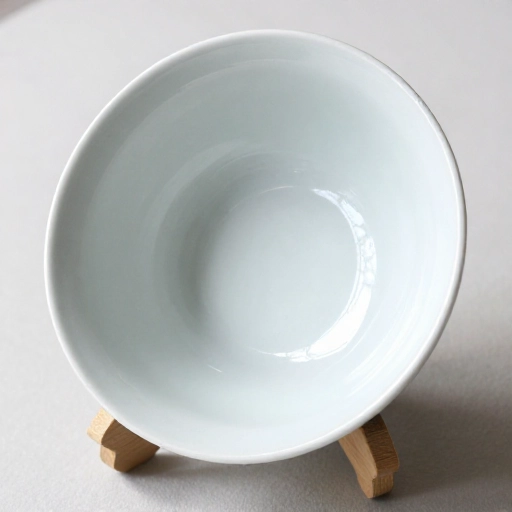
Whisker fatigue is real—cats can get stressed when their whiskers touch the sides of a deep bowl. Solve it with a tilted dish. Take a small, shallow bowl and place it on top of an upside-down mug or a small ramekin. The angle makes it easier for your cat to eat without their whiskers hitting the rim.
You can also use a piece of foam board to create a wedge. Just cut it at an angle and place the bowl on top. It’s simple, but my cat stopped leaving food in the bowl after I made this switch.
Bonus: It looks like a tiny art installation.
7. Hanging Feeder for Outdoor Pets
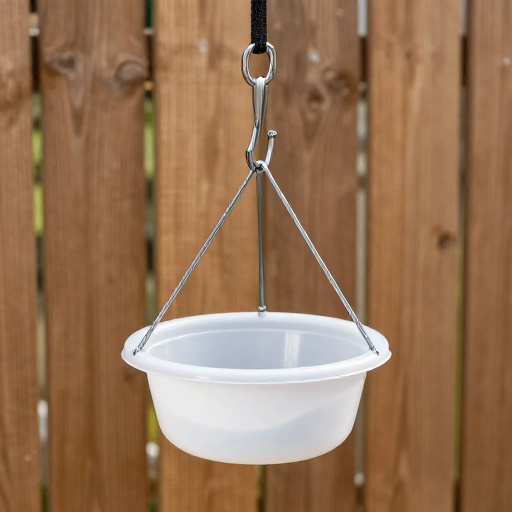
If you have a dog who eats outside or a feral cat you feed, a hanging feeder keeps the bowl off the ground and away from bugs. Use a plastic or metal bucket, drill two holes near the top, and thread a strong rope through. Hang it from a hook or tree branch at a comfortable height.
Fill with dry food only—wet food might attract ants. I made one for my porch, and it’s been a lifesaver for keeping the stray cats fed without inviting every ant in the neighborhood to the party.
Make sure the bucket is food-grade plastic. No chemical leaching!
8. The Puzzle Bowl from a Muffin Tin
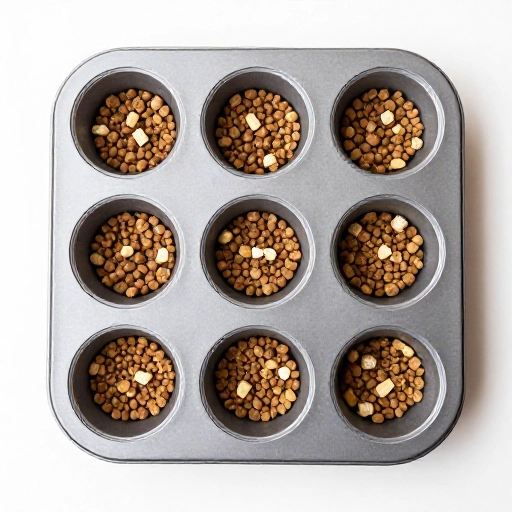
This is the laziest DIY ever, but it works. Take a standard muffin tin (the kind with six cups) and place a few treats or a small amount of kibble in each cup. Cover some cups with a tennis ball or a small toy. Your dog has to figure out how to move the objects to get the food.
It’s a great indoor activity for rainy days. I use this when I need 15 minutes of peace. Just make sure the tin is clean and free of any sharp edges. Some dogs might try to chew the tin, so supervise closely.
For extra difficulty, put a bit of peanut butter in a few cups first.
9. Collapsible Travel Feeder from a Fabric Pouch
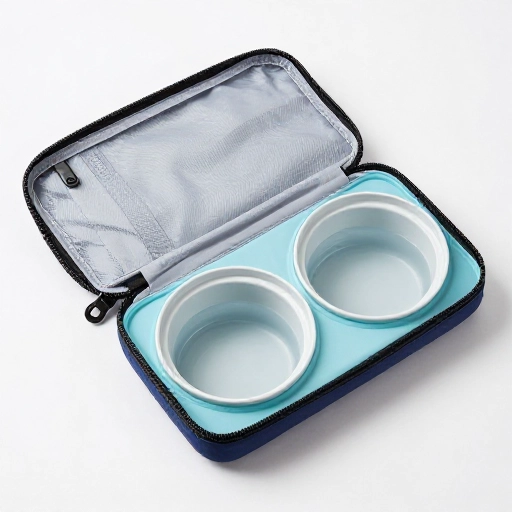
Stop using plastic bags for on-the-go feeding. Sew or glue together two pieces of heavy-duty fabric (like canvas or denim) to make a pouch that folds flat. Attach velcro or a button to keep it closed when not in use. When you’re ready to feed, open it up and fill with kibble.
I made one from an old pair of jeans, and it’s perfect for hikes and road trips. It takes up zero space in my bag, and it’s machine washable. You can also add a small loop to clip it to your backpack.
Just don’t use it for wet food unless you’re okay with stains.
10. The Soda Bottle Treat Dispenser
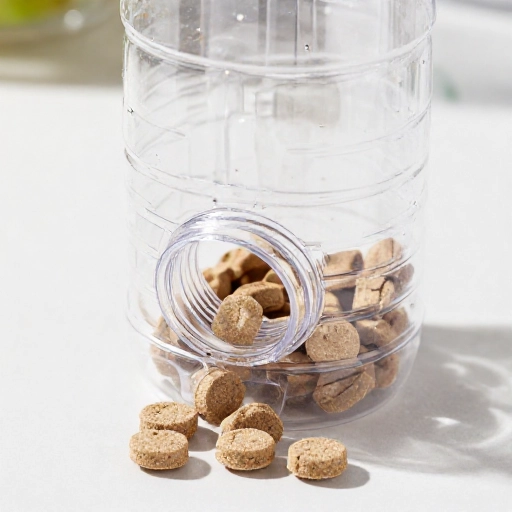
Take a clean, empty 2-liter soda bottle. Cut a few small holes in the sides (just big enough for treats to fall through). Remove the cap, fill with small treats or kibble, and screw the cap back on. Your pet will bat and roll the bottle to get the goodies out.
This is a fantastic boredom buster for cats and small dogs. I use it for my cat’s nightly “hunt” session. She goes crazy for it. Just watch out for sharp plastic edges—sand them down with fine-grit sandpaper.
You can also use a smaller water bottle for tiny treats.
11. Slow Feeder from a Silicone Baking Mat
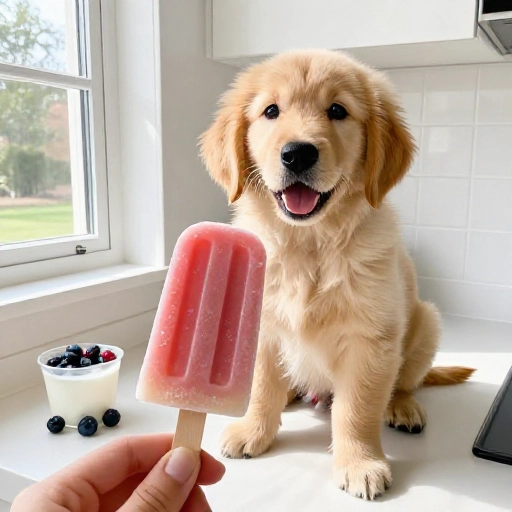
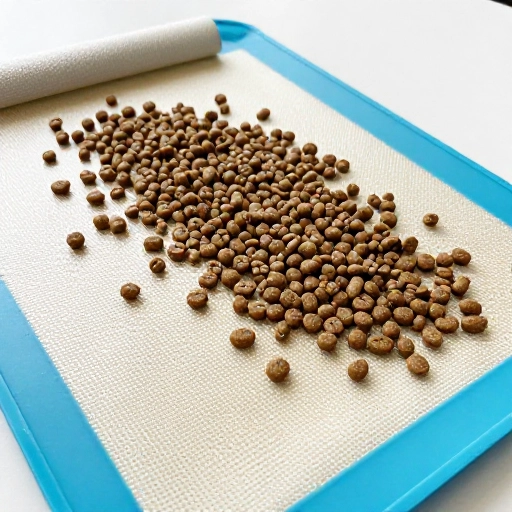
If you have a silicone baking mat (the kind with ridges or patterns), you already own a slow feeder. Spread a thin layer of wet food or yogurt over the mat, then freeze it. Your pet will have to lick and work to get every bit, which slows them down and keeps them entertained.
I use this for my dog’s pumpkin puree treats in the summer. It’s like a popsicle for dogs. Plus, cleanup is a breeze—just rinse the mat. You can also use a silicone muffin pan for individual portions.
Make sure the mat is BPA-free and food-grade.
12. The Tiered Feeder for Multiple Pets
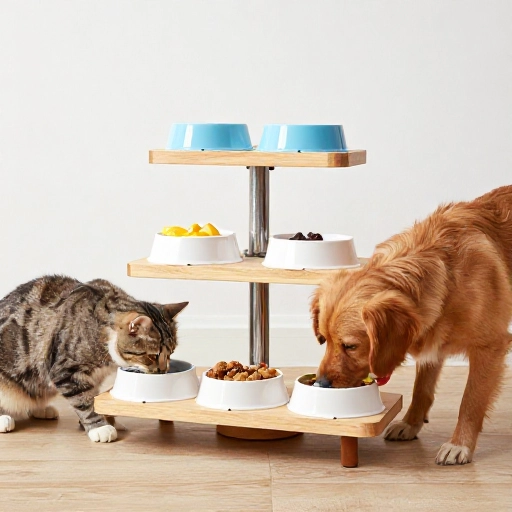
Do you have a cat and a dog, or two cats who fight over food? Build a tiered feeder using a wooden shelf or a sturdy cardboard box. Cut holes for two bowls at different heights. Place the taller bowl on top for the bigger pet and the lower bowl for the smaller one.
I built one from an old bookshelf, and it stopped my dog from stealing the cat’s food. The cat eats in peace on the lower level, and the dog can’t reach. It’s a simple solution to a common problem.
Make sure the structure is stable so it doesn’t tip over during meal time.
13. The No-Chew Water Bowl from a Paint Tray
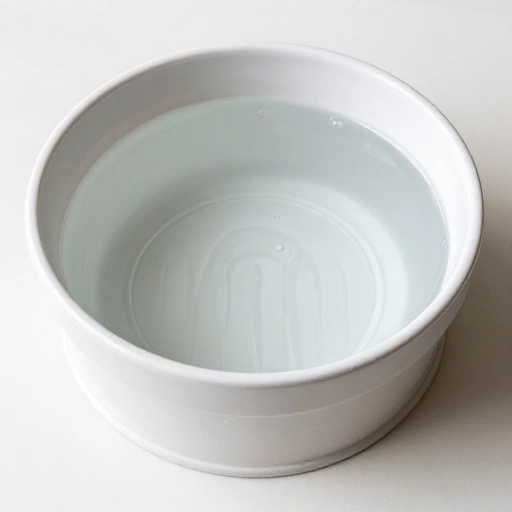
If your dog chews everything, including their water bowl, try a metal paint tray. The angled design keeps the water in the deep end, and the shallow end prevents splashing. Plus, it’s nearly impossible to chew. I use one for my German Shepherd who destroyed three plastic bowls in a month.
Just clean it thoroughly before use—no paint residue allowed. It’s lightweight yet durable, and it holds plenty of water. You can even find them in fun colors at the hardware store.
This is the most unexpected DIY on the list, but it’s the one I’m most proud of.
Conclusion
DIY pet feeders don’t have to be complicated or expensive. Most of these projects use items you already have at home, and they solve real problems—slow eating, mess, boredom, or multiple pets. The best part? You get to customize everything for your pet’s unique needs.
I’ve made several of these myself, and every single one has improved my pets’ mealtime experience. Start with the easiest one (the muffin tin puzzle, maybe), and see how your pet reacts. You might be surprised how much they love a little DIY love.
Remember to always use pet-safe materials and keep an eye on your furry friend the first few times they use a new feeder. Happy crafting, and give your pet an extra treat from me!
FAQ
1. Are DIY pet feeders safe for all pets?
Most are safe, but always supervise your pet the first time. Avoid small parts that could be swallowed, and use non-toxic materials. If your pet is a heavy chewer, skip plastic and use metal or wood.
2. How do I clean a DIY pet feeder?
Most can be hand-washed with warm soapy water. Wood feeders should be wiped down and not soaked. Silicone and metal items are usually dishwasher safe—check the material first.
3. Can I use these for wet food?
Some work better than others. The silicone mat and muffin tin puzzle are great for wet food. Gravity feeders and PVC pipes are best for dry kibble only.
4. How do I know the right height for a raised feeder?
A good rule is to have the bowl at your pet’s chest height. For small dogs and cats, about 4–6 inches off the ground works. For larger dogs, 8–12 inches is ideal.
5. My pet isn’t interested in the puzzle feeder. What now?
Start with easy-to-get treats, like a few pieces of kibble on top. Gradually make it harder as they get the hang of it. Some pets need a little encouragement at first. You can also use high-value treats like cheese or chicken to spark their interest.