14 Vet-Verified Plants That Are Safe For Cats
Let’s be real—cats are little chaos machines. They knock over pots, nibble on leaves, and somehow always go for the one plant you were told to keep away. I’ve lost a few good ferns to my own furry troublemaker, so I get it. You want greenery in your home, but you also want peace of mind.
The good news? There are plenty of gorgeous, cat-safe plants that won’t send you rushing to the vet. I’ve rounded up 14 vet-approved options that are beautiful, easy to care for, and totally non-toxic to your feline friend. Let’s make your home a jungle they can safely snack on.
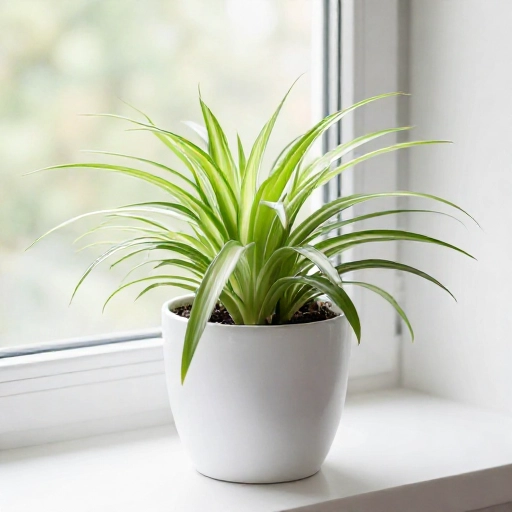
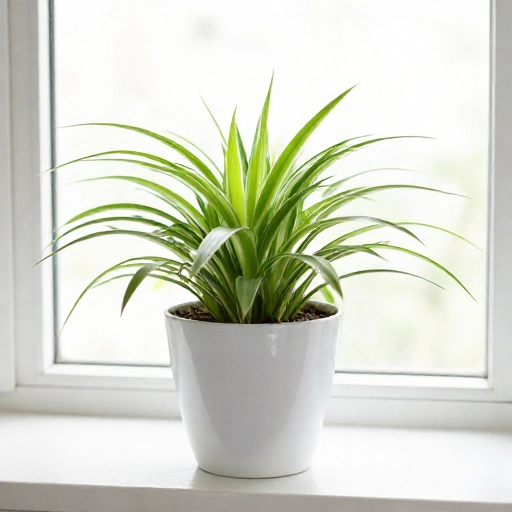
1. Spider Plant (Chlorophytum comosum)
This is the ultimate starter plant for cat owners. It’s practically indestructible, grows fast, and produces little baby plants that dangle like cat toys. Honestly, your cat might love it a little too much.
The best part? Even if your cat takes a few bites, it’s completely harmless. It’s not toxic, though it might give them a mild stomach upset if they overdo it (which is true for any plant).
Spider plants thrive in bright, indirect light and only need water when the soil feels dry. They’re forgiving if you forget them for a week, which is perfect for busy plant parents.
Just keep an eye out—some cats get obsessed with the dangling babies and will try to bat them around like prey. Consider hanging yours if your cat is extra playful.
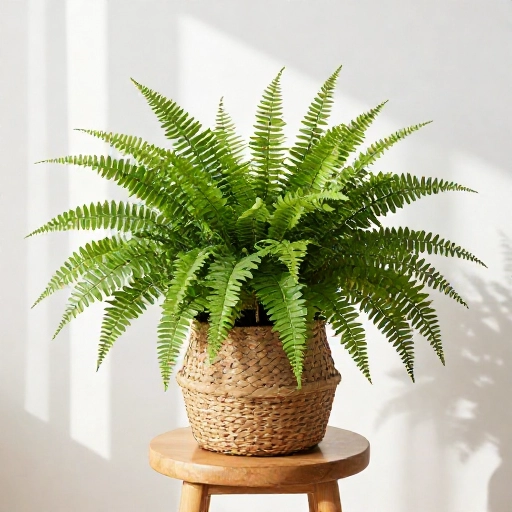
2. Boston Fern (Nephrolepis exaltata)
If you want lush, feathery foliage that makes your space feel like a cozy forest, Boston ferns are a dream. They’re fluffy, soft, and completely safe if your cat decides to investigate with their mouth.
These ferns love humidity, so they’re great for bathrooms or kitchens. Keep the soil consistently moist, but not soggy, and give them bright, indirect light.
One thing to know: they can be a bit dramatic when thirsty. Leaves might drop or turn brown if they dry out too much. But once you find a watering rhythm, they’re pretty low fuss.
Your cat might be drawn to the soft fronds for a nap spot. If that happens, just gently redirect them—no harm done either way.
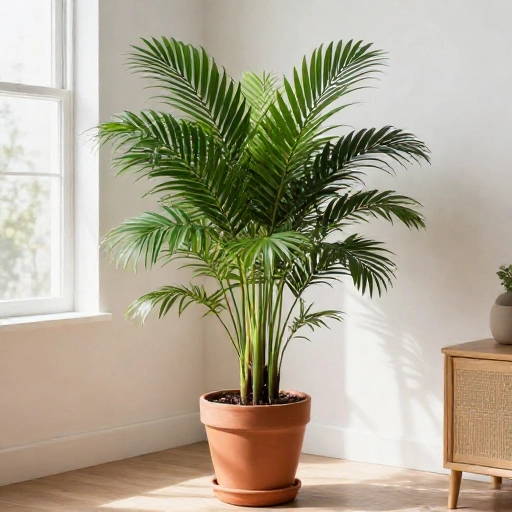
3. Areca Palm (Dypsis lutescens)
Areca palms are the tall, graceful statement pieces that instantly make a room feel tropical. And guess what? They’re totally safe for cats. No toxicity concerns at all.
These palms like bright, indirect light and prefer their soil to dry out a bit between waterings. They’re not too picky, but they do appreciate a little extra humidity now and then.
The leaves are feathery and arching, which might tempt your cat to swat at them. But even if they take a nibble, you’re in the clear.
I love placing mine in a corner where the fronds can spread out. It gives the room that relaxed, vacation vibe without any worry.
4. Calathea (Calathea spp.)
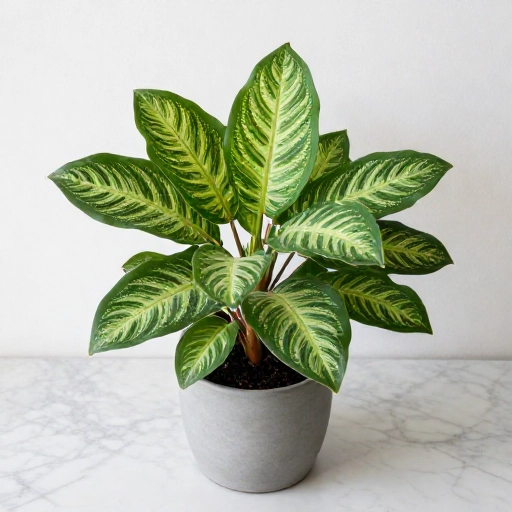
Calatheas are famous for their stunning, patterned leaves that almost look painted. They come in so many varieties—like the rattlesnake or the peacock—that you’ll definitely find one that matches your style.
These plants are 100% non-toxic to cats, which makes them a total win. But they do have a bit of a reputation for being divas. They need high humidity, consistent moisture, and filtered light.
If your cat decides to munch on a leaf, don’t panic. The biggest risk here is the plant itself getting damaged, not your cat getting sick.
Just be ready to mist your calathea regularly or keep it near a humidifier. Your cat might also try to dig in the soil, so a layer of pebbles on top can help.
5. Parlor Palm (Chamaedorea elegans)
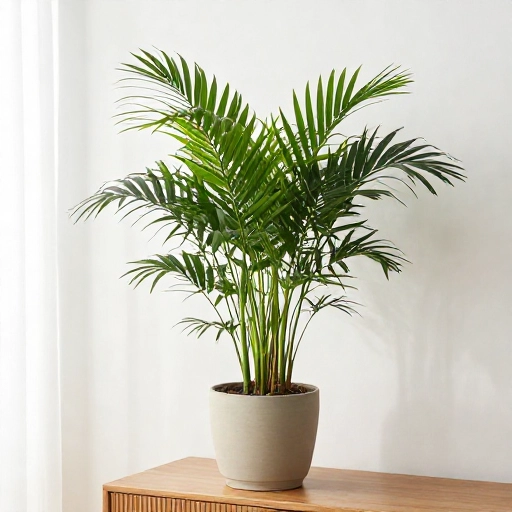
Parlor palms are compact, elegant, and have been a houseplant favorite since the Victorian era. They’re slow growers, so they won’t take over your space, and they’re completely safe for curious cats.
They do well in low to medium light, which is a rare find among cat-safe plants. Water them when the top inch of soil feels dry, and they’ll stay happy for years.
Because they’re so easygoing, they’re great for beginners. You basically can’t go wrong with this one.
Your cat might not even notice it, but if they do, there’s zero risk. It’s a worry-free addition to any room.
6. Haworthia (Haworthia spp.)
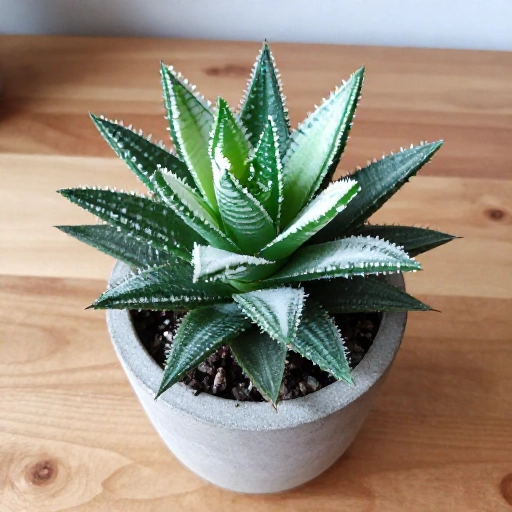
Succulents are all the rage, but many of them (like aloe and jade) are toxic to cats. Haworthia is the safe exception. These little zebra-like succulents are non-toxic and seriously adorable.
They need bright light and very little water—think desert vibes. Let the soil dry out completely between waterings, and they’ll thrive on neglect.
Their spiky leaves might look dangerous, but they’re actually soft enough that they won’t hurt your cat. Still, most cats won’t be too interested in them, which is a bonus.
If you want a low-maintenance plant that’s safe for your furry friend, this is it. No fuss, no worry.
7. African Violet (Saintpaulia spp.)
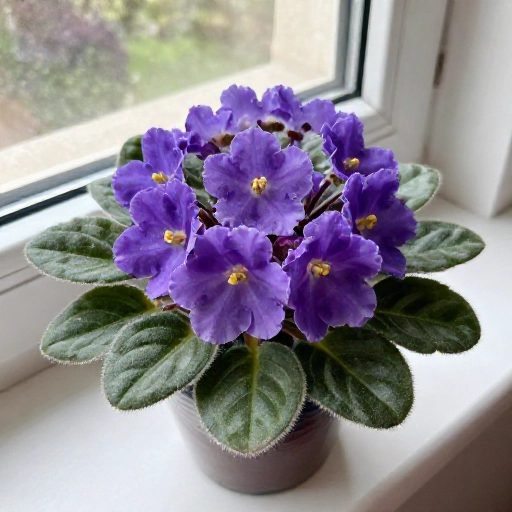
If you love flowers indoors, African violets are a perfect pick. They bloom in beautiful shades of purple, pink, and white, and they’re completely safe for cats.
They prefer bright, indirect light and like to be watered from the bottom to avoid getting their leaves wet. Keep the soil lightly moist, but not waterlogged.
These plants bloom for months at a time if they’re happy, which gives you that pop of color you’re craving. Your cat might be curious about the flowers, but again, no worries.
Just keep them away from direct afternoon sun, which can scorch the leaves. Other than that, they’re pretty easygoing.
8. Staghorn Fern (Platycerium spp.)
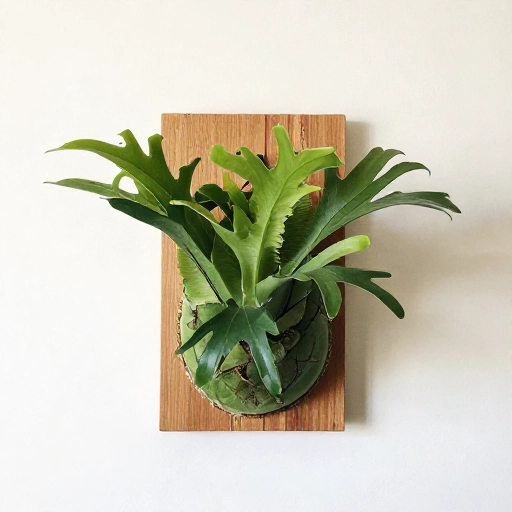
Staghorn ferns are unique and quirky—they grow mounted on boards or in hanging baskets, with fronds that look like antlers. They’re definitely a conversation starter, and they’re safe for cats.
They like bright, indirect light and need to be watered thoroughly but infrequently. They can be mounted on wood or grown in a basket with moss.
Because they hang on walls, they’re naturally out of reach for most cats. That’s a double win—safe AND out of the way.
If your cat does manage to reach one, the fronds are tough and not appealing to chew on. But even if they try, there’s no toxicity to worry about.
9. Cat Grass (Dactylis glomerata / Hordeum vulgare)
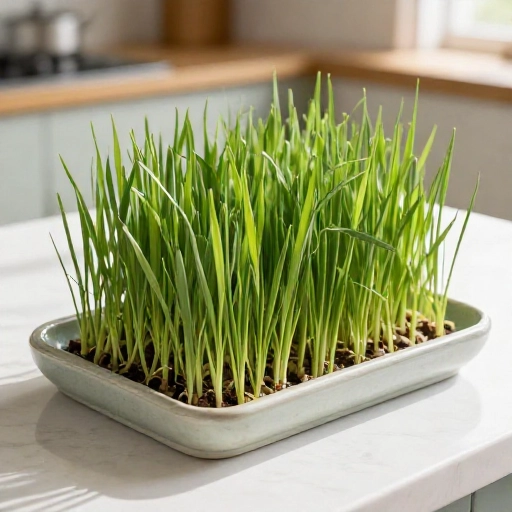
Okay, this one is technically for your cat. Cat grass—usually wheatgrass, barley, or oat grass—is grown specifically for them to nibble on. It’s safe, healthy, and actually good for their digestion.
It grows super fast in just a few days and doesn’t need much light. Just keep the soil moist and give it a sunny windowsill spot.
Growing cat grass gives your cat their own plant to destroy, which often saves your other houseplants from becoming snacks. It’s a smart move.
You can buy ready-made kits or just scatter seeds in a shallow pot. Your cat will thank you for it.
10. Polka Dot Plant (Hypoestes phyllostachya)
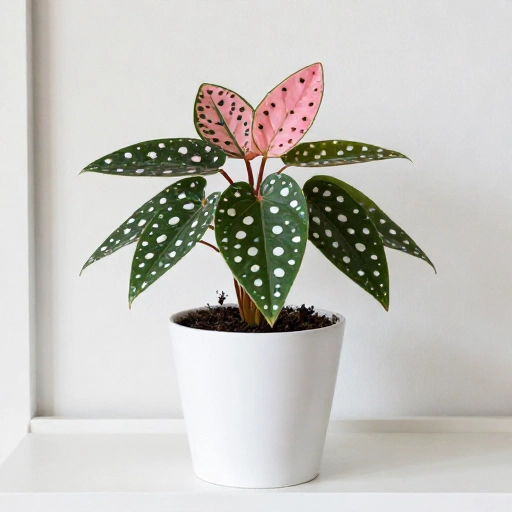
The polka dot plant is a little burst of color with its speckled pink, white, or red leaves. It’s compact, cute, and completely non-toxic to cats.
It loves bright, indirect light and regular watering. If it gets too much sun, the leaves can fade, so keep it in a spot that’s bright but filtered.
This plant is a great choice for small spaces, terrariums, or mixed pots. It stays low and bushy, which keeps it off your cat’s radar.
Even if your cat decides to investigate, the worst that happens is a few chewed leaves. No vet visits needed.
11. Friendship Plant (Pilea involucrata)
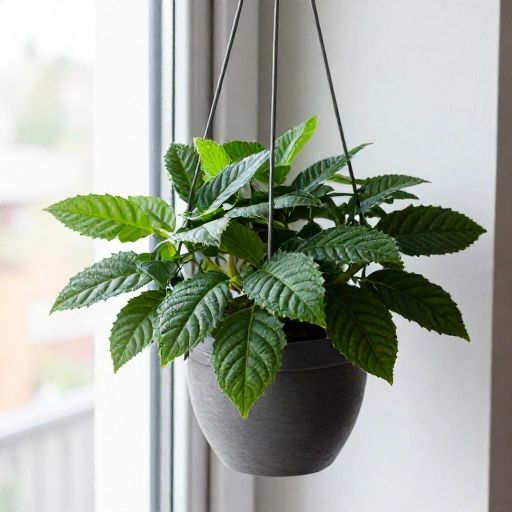
The friendship plant has deeply textured, bronze-green leaves with a quilted look. It’s a trailing plant that looks great on shelves or in hanging baskets, and it’s safe for cats.
It likes medium to bright indirect light and prefers consistently moist soil. It also appreciates humidity, so a bathroom spot works well.
This one grows quickly and is easy to propagate, which is why it’s called the friendship plant—you’ll likely share cuttings with friends. Your cat will be fine with it too.
If your cat brushes against it or takes a nibble, no harm done. It’s a gentle, friendly addition to your home.
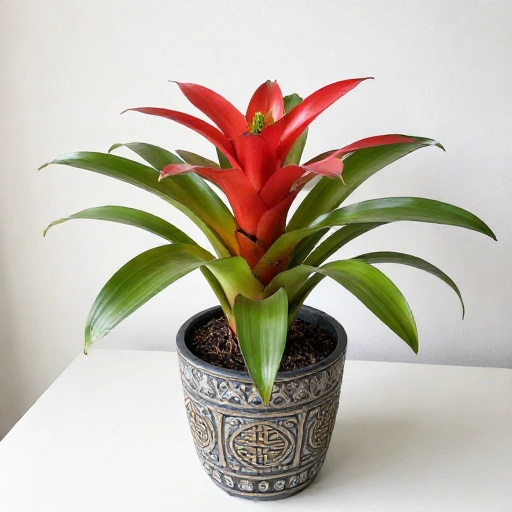
12. Bromeliad (Guzmania spp.)
Bromeliads are tropical stunners with bright pink, red, or orange blooms that last for months. They’re epiphytes, which means they can grow in soil or mounted on bark, and they’re safe for cats.
They like bright, indirect light and water in their central cup rather than the soil. It’s a fun, low-maintenance way to water them.
Because they’re so colorful, they might attract your cat’s attention. But no worries—they’re non-toxic and harmless.
These plants are a bit more exotic, but they’re actually pretty easy to care for once you get the hang of the watering cup trick.
13. Cast Iron Plant (Aspidistra elatior)
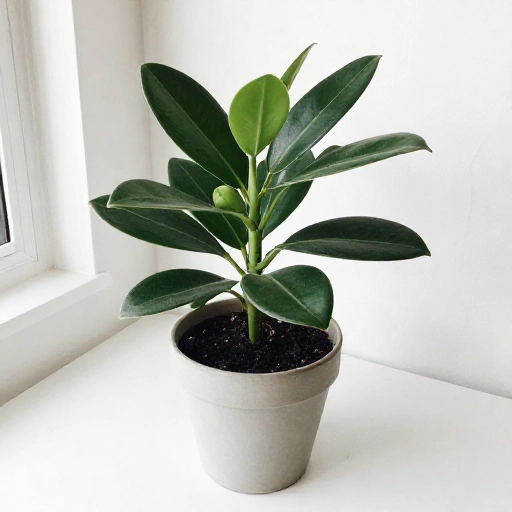
True to its name, the cast iron plant is nearly impossible to kill. It survives low light, neglect, and even a curious cat. And yes, it’s completely safe.
It has long, dark green leaves that add a classic, timeless look to any room. It’s not flashy, but it’s dependable and beautiful in its simplicity.
Water it sparingly—it prefers to dry out between waterings. It’s the perfect plant for anyone who forgets to water regularly.
Your cat might ignore it completely, or they might rub against the sturdy leaves. Either way, you’re covered.
14. Baby’s Tears (Soleirolia soleirolii)
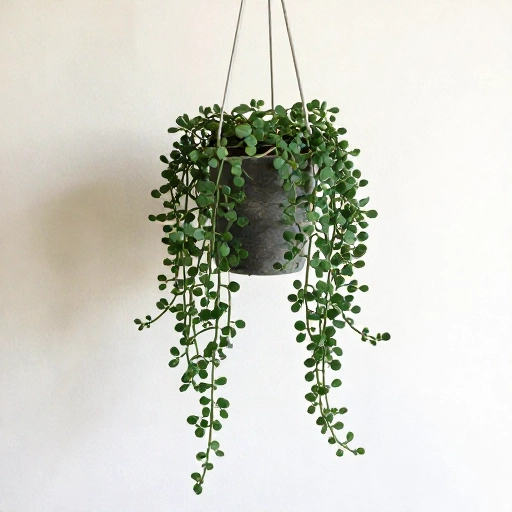
Baby’s tears is a delicate, trailing plant with tiny round leaves that form a dense, cascading mat. It looks amazing in hanging baskets or as a ground cover in larger pots, and it’s safe for cats.
It loves humidity and consistent moisture, so it’s another great bathroom plant. Give it bright, indirect light and don’t let it dry out completely.
The tiny leaves might look like a fun toy to your cat, but there’s no risk. They can bat and chew to their heart’s content.
If your cat does snack on it, the plant might get a little ragged, but it’ll bounce back quickly. It’s a resilient little thing.
Conclusion: A Green Home and a Happy Cat
You really don’t have to choose between having plants and keeping your cat safe. There are so many beautiful options that are completely non-toxic, and these 14 are some of the best out there.
Start with a couple that match your light and care level. Spider plants and cat grass are great first picks because they’re forgiving and fun for you and your cat. Then expand from there as you get more confident.
Remember, even with safe plants, it’s best to discourage your cat from eating them too much. Too much of any plant can cause mild digestive upset. But with these choices, you never have to worry about a panic-filled trip to the emergency vet.
Go ahead and bring some green into your home. Your cat will be fine, and so will you.
Frequently Asked Questions
Q1: What if my cat eats a safe plant?
If the plant is on the safe list, there’s no need to worry about toxicity. However, your cat might throw up or have loose stools if they eat a lot of plant material. That’s normal and usually passes quickly. Just monitor them and offer fresh water.
Q2: How do I stop my cat from eating my plants?
Try offering cat grass as a designated snack plant. You can also place plants in areas that are harder to reach, like hanging baskets or high shelves. Spraying leaves with a bitter apple spray can also help deter them.
Q3: Are all ferns safe for cats?
No, not all ferns are safe. Some, like the asparagus fern, are actually toxic. Stick to true ferns like Boston ferns, staghorn ferns, and maidenhair ferns. Always double-check the scientific name before bringing one home.
Q4: Can I have succulents with cats?
Some succulents are safe, like Haworthia and Echeveria, but many common ones—like aloe vera, jade plant, and snake plant—are toxic to cats. Always research the specific type of succulent before buying it.
Q5: How can I make my home more cat-friendly for plants?
Use sturdy pots that won’t tip over easily, avoid hanging plants in areas where your cat jumps, and provide plenty of alternative entertainment like toys and scratching posts. A happy, entertained cat is less likely to mess with your plants.