14 Cozy Dog Mud Room Ideas With Easy Storage
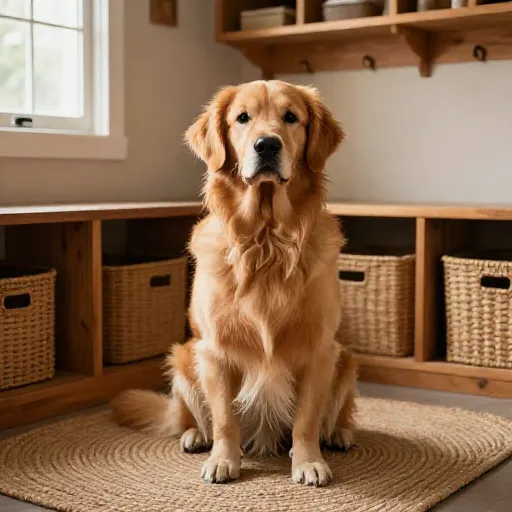
Let’s be honest—our dogs don’t care about muddy paws when they burst through the door. But we do. A mud room is that magical buffer zone between the outdoors and your clean kitchen floor. It’s where wet fur meets warm towels, and muddy boots meet a proper home.
I’ve spent way too many rainy afternoons scrubbing paw prints off my floors. So I put together my favorite mud room ideas that are actually cozy, not just functional. These are spaces you’ll enjoy stepping into, and your pup will love too. Think warm textures, smart hooks, and storage that doesn’t require a PhD to use.
1. Built-In Cubbies With a Cozy Dog Nook
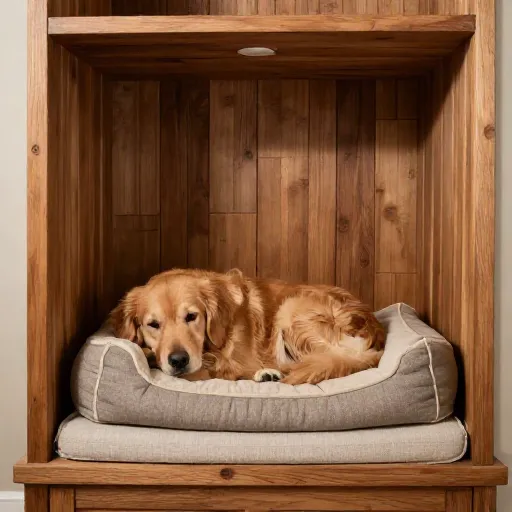
Nothing says “this mud room means business” like built-in cubbies. But instead of just storing shoes, carve out a lower cubby just for your dog. Add a plush bed, a soft blanket, and maybe a little curtain for privacy. It becomes their favorite corner.
Use the upper cubbies for leashes, treats, and towels. Assign one basket per dog (or per family member) to keep things tidy. A small cushion on top of the cubby bench makes a great spot for you to sit while pulling off muddy boots.
The key is making the dog nook feel like a cave—dogs love enclosed, den-like spaces. A simple tension rod with a curtain does the trick without taking up extra floor space.
2. Hooks at Dog Height (Yes, Really)
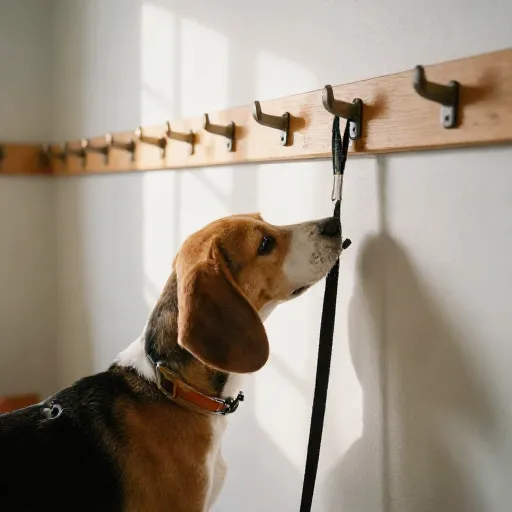
Most mud rooms hang leashes way up high, out of reach. But if your dog is trained to grab their own leash, installing a lower hook is a game-changer. It’s a small change that makes your dog feel like a helper, not just a passenger.
Place a few sturdy hooks at about 18 to 24 inches off the ground. Use them for leashes, collars, and even a lightweight raincoat for your pup. This also teaches kids to hang things at their own level, which is a bonus.
Choose rounded hooks with a smooth finish so your dog doesn’t accidentally bump into sharp edges. And make sure they’re anchored well—excited dogs can pull hard.
3. Muddy Paw Wash Station With Warm Water
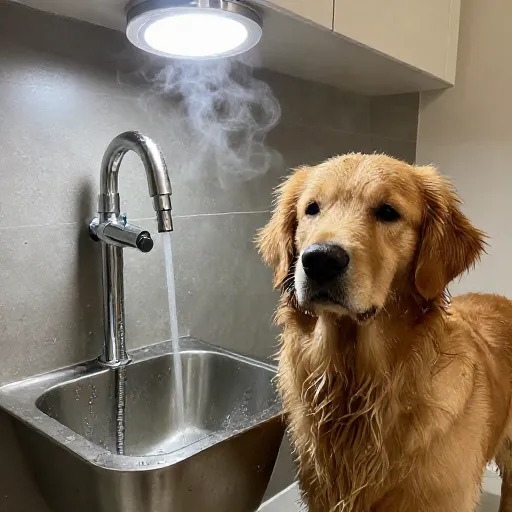
If you have the space, a low dog wash station is the ultimate luxury. But you don’t need a full groomer setup. A simple shallow basin with a handheld sprayer works wonders. Add a foot pedal or motion sensor faucet so you’re not turning knobs with muddy hands.
Place a non-slip mat inside the basin. Your dog will feel steadier, and you’ll avoid that panicked sliding dance when they realize water is coming. Warm water is a must—cold water makes most dogs hate bath time.
Keep a stack of microfiber towels right next to the wash station. They dry faster and absorb way more than cotton towels, which means less dripping through the house.
4. Open Baskets for Quick Toss Storage
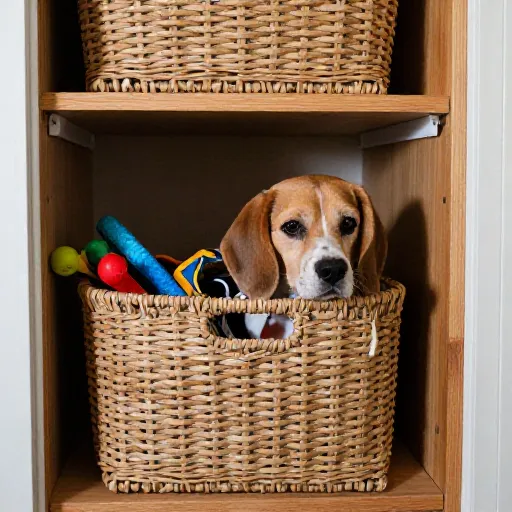
Closed cabinets hide clutter, but they also hide dirty towels and muddy toys. Open baskets are better because they force you to stay honest. If the basket is full, it’s time to do laundry. Simple as that.
Use large woven baskets for dog towels and smaller ones for toys. A basket labeled “muddy stuff” near the door can catch wet leashes and dirty bandanas before they wander into the living room.
Woven baskets add that cozy, farmhouse feel. But if you have a heavy chewer, go for metal or plastic baskets with a fabric liner. Chewed wicker is not a good look.
5. A Bench With Hidden Storage Inside
A storage bench is the Swiss Army knife of mud rooms. The top gives you a place to sit, and the inside holds everything from rain boots to dog food. You can even use a plastic bin inside to keep dog food fresh and pest-free.
Look for a bench with a hinged lid that stays open on its own—no one wants to hold the lid up while digging for a matching sock. Add a cushion on top that’s removable and washable. Trust me, muddy paws will find it.
The best part? You can hide the chaos in under five seconds when guests come over. Just sweep everything into the bench and shut the lid.
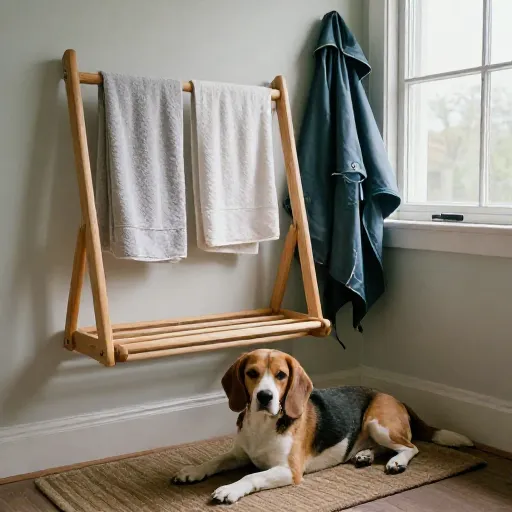
6. Wall-Mounted Drying Rack for Wet Gear
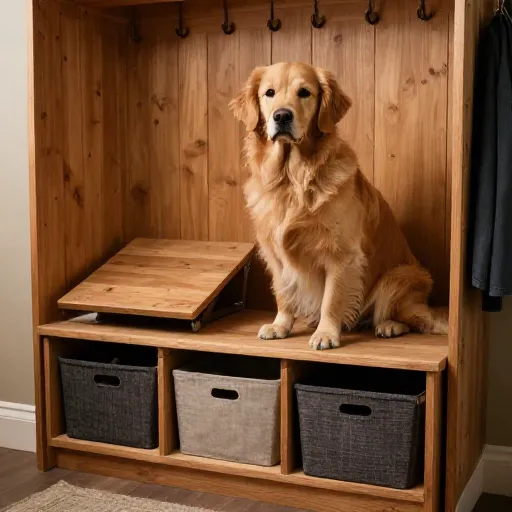
Wet dog towels and raincoats need airflow, not a crumpled pile on the floor. Install a fold-down wall rack that you can pull out when needed and tuck away when not in use. It’s perfect for small mud rooms that can’t spare a dedicated drying area.
Hang towels over the rungs, clip wet bandanas, or drape a damp dog bed cover. The vertical space means you’re using wall area instead of valuable floor space.
Choose a wooden rack with a warm finish to keep the cozy vibe. Metal racks can look too industrial, unless that’s your style—then go for it.
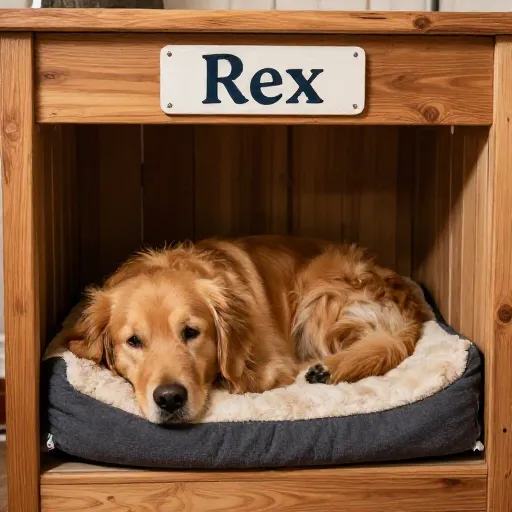
7. Personalized Dog Cubby With Name Sign
Giving your dog their own labeled cubby makes the mud room feel like a family space, not just a utility zone. Add a small chalkboard sign or a wooden name plaque above their hook and basket. It’s a sweet touch that also helps guests know where to hang things.
Inside the cubby, keep a consistent system: leash on the hook, treats in a jar, and a brush in a small bin. When everything has a home, clean-up becomes a habit instead of a chore.
You can switch out the sign seasonally—a pumpkin in fall, a heart in February. It’s a small detail that makes the room feel loved.
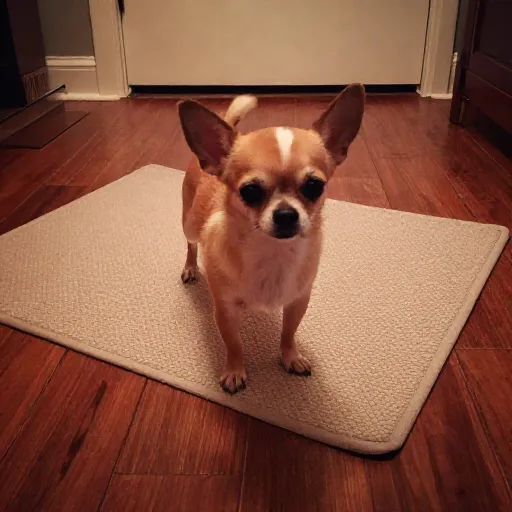
8. Heated Floor Mat for Shivery Pups
Cold tile or concrete floors can be rough on dog joints, especially in winter. A heated mat in the dog nook or near the door gives them a warm spot to wait while you dry their paws. It’s cozy for you too when you’re pulling on boots.
Look for a low-voltage mat with an automatic shut-off. Safety first, always. Place it under their bed or on top of a rug if you want extra softness.
This is one of those little luxuries that makes your dog think you’re a wizard. The look of pure bliss when they plop down on a warm spot is priceless.
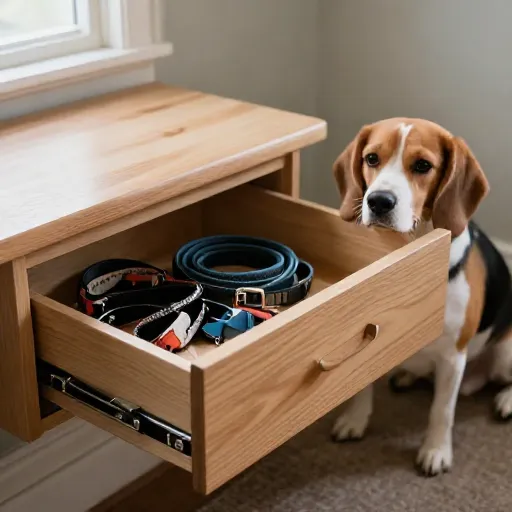
9. Easy-Glide Drawers for Leash and Collar Storage
Drawers beat baskets when you want things out of sight but still organized. Use shallow drawers for leashes, collars, and harnesses. Add small dividers so each dog has their own section—no more tangled messes.
Put a drawer liner down that’s easy to wipe clean. Mud and slobber will find their way in, trust me. And label each drawer with a simple word like “Leashes” or “Dog Stuff” so everyone in the family knows where to look.
Soft-close drawer slides are a must. Nothing wakes a sleeping dog like a drawer slamming shut.
10. Towel Bar With a Basket of Clean Spares
You can never have too many dog towels. Install a sturdy towel bar at waist height, and keep a basket of fresh spares nearby. The bar is for the current drying towel; the basket is for the next one.
Roll the spare towels instead of folding them—it looks neater and makes it easier to grab one quickly. You’ll be surprised how much faster you dry paws when you don’t have to hunt for a towel.
Pick towels in a warm, earthy tone to match the cozy vibe. Bright white towels show every muddy streak, and that gets old fast.
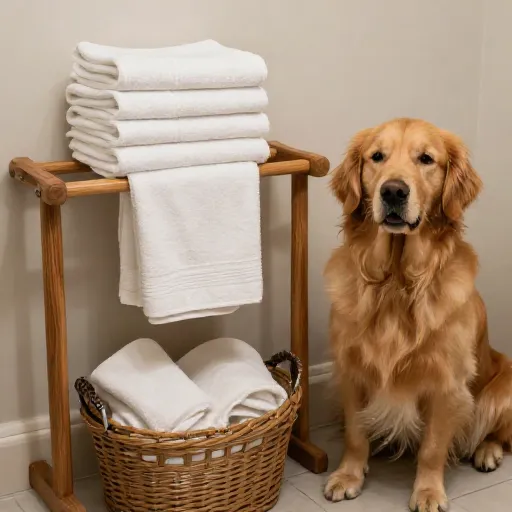
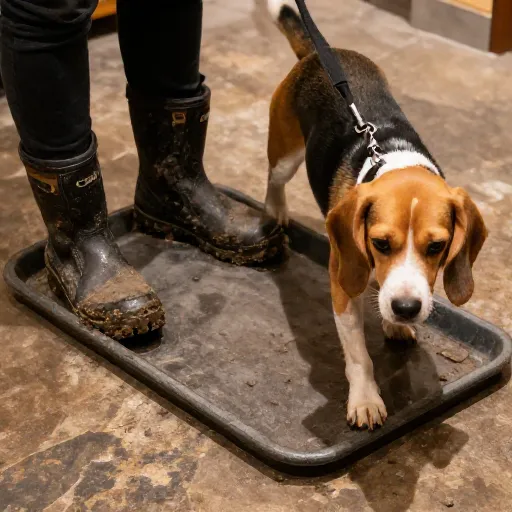
11. Boot Tray With Raised Edges
Muddy boots and paw prints go hand in hand. A boot tray with raised edges catches the mess before it spreads. Put it right by the door, and make it big enough for both your boots and your dog’s paws to stand on.
Line the tray with a rubber mat that you can lift out and rinse. That way, you’re not scrubbing the tray itself every time. Just shake off the mat, rinse, and done.
Choose a tray with a subtle pattern or a natural stone look—it’ll look intentional, not like a puddle catcher.
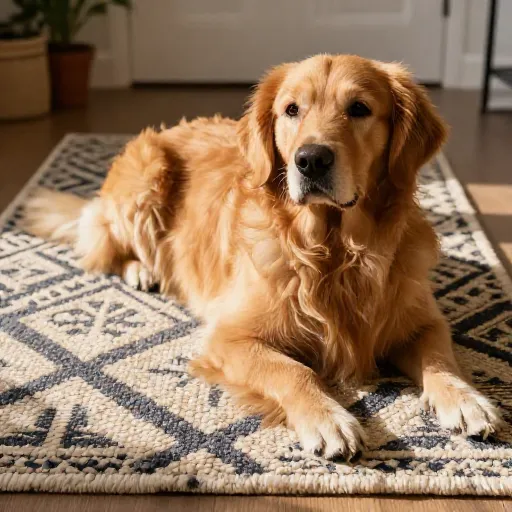
12. Cozy Rug That’s Machine Washable
Rugs make a mud room feel warm, but they have to be practical. Skip the delicate wool and go for a flat-weave, machine-washable rug. You can toss it in the wash weekly without guilt.
Look for a dark pattern or a busy texture that hides dirt between washes. A little bit of pattern goes a long way in a high-traffic mud room. And make sure it’s non-slip—dogs running in with wet paws can slip on a loose rug.
If you want extra coziness, layer a washable runner over a larger mat. The layers add warmth, and you can swap out the top layer when it gets gross.
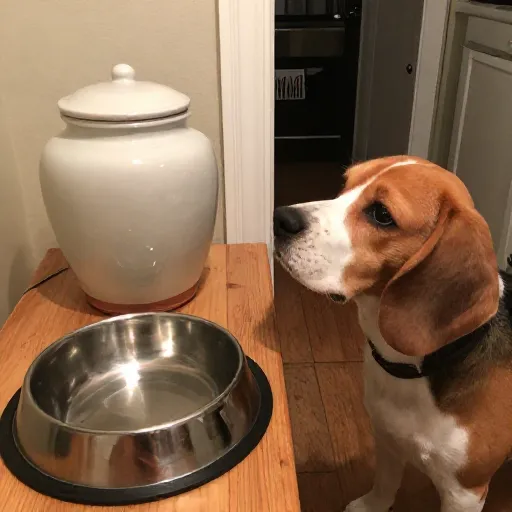
13. Treat Jar and Water Bowl Station
Mud rooms aren’t just for coming in—they’re also for gearing up to go out. A small station with a treat jar, a water bowl, and maybe a poop bag dispenser makes the routine smoother. You grab a treat on the way out and a towel on the way in.
Put the water bowl on a raised stand so your dog doesn’t have to bend down too far. It’s easier on their neck, and it looks tidier too. Use a spill-proof bowl if you can—wet floors are not the vibe.
Keep the treat jar sealed tight. Nothing attracts ants faster than an open jar of bacon-flavored treats in a warm room.
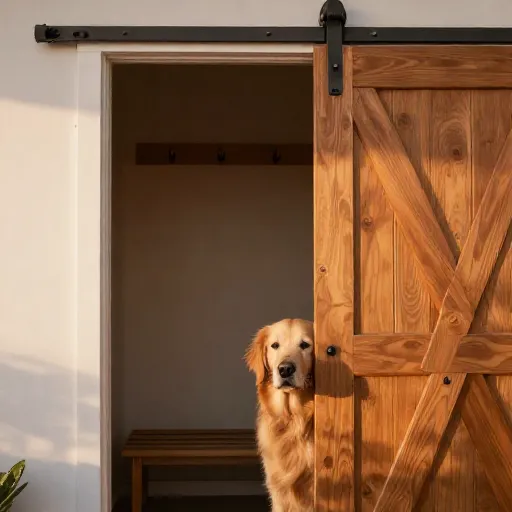
14. Sliding Barn Door for a Hidden Mess
If your mud room is actually a corner of the hallway or a nook off the kitchen, a sliding barn door can hide the chaos in an instant. It’s cozy, rustic, and gives you permission to leave things a little messy behind the scenes.
Install a door with a glass panel if you want to keep an eye on your dog while they’re drying off. A solid door works better if you want full concealment. Either way, the sliding mechanism saves space compared to a swinging door.
Paint the door a warm, muted color or keep it natural wood. It becomes a design feature, not just a barrier.
Conclusion
Your mud room doesn’t have to be a cold, utilitarian afterthought. With a little planning, it can be the coziest corner of your home—for you and your dog. Start with one or two ideas that solve your biggest pain point, whether that’s muddy floors or tangled leashes.
Remember, the best mud room is the one you actually use. Keep it simple, keep it warm, and let it work for your family’s rhythm. Your floors will thank you, and so will your pup.
FAQ
How do I keep my dog’s paws clean without a wash station?
Keep a bucket of warm soapy water and a stack of old towels by the door. Dip paws in the bucket, wipe with a towel, and you’re done. A paw cleaner cup with silicone bristles also works well—just insert, twist, and wipe.
What’s the best flooring for a dog mud room?
Porcelain tile, luxury vinyl plank, or sealed concrete are the best options. They’re waterproof, easy to wipe, and don’t get damaged by wet paws. Add a washable rug on top for warmth and comfort.
How do I keep dog food fresh in the mud room?
Use an airtight storage bin with a locking lid. Keep it off the floor on a small stand or in a lower cabinet. This prevents pests and keeps the food from absorbing moisture and odors.
How many hooks do I need for dog gear?
At least two per dog: one for the leash and one for the collar or harness. Add a third for a raincoat or drying towel if you have the wall space. More hooks mean less stuff on the floor.
Can I make a mud room dog-friendly on a budget?
Absolutely. Use a simple wall hook, a plastic boot tray, and a secondhand basket for towels. A washable rug from a discount store works fine. The goal is function, not fancy.