Build a Show-Stopping A-Frame Dog House That Looks Amazing in Your Yard
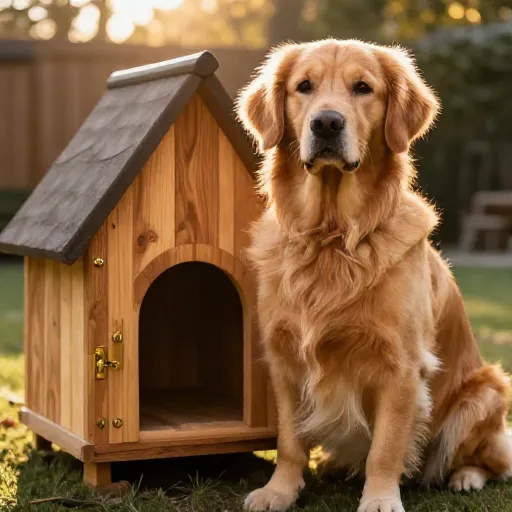
I have a confession to make: I spent way too long scrolling through Pinterest looking at dog houses that looked more like tiny human homes than actual dog shelters. But then I stumbled on the A-frame style, and honestly, it was love at first sight. There is something about that crisp, triangular silhouette that just screams “cozy cabin vibes,” and dogs absolutely adore it because it feels like a den.
If you are a DIYer like me, you know the struggle of wanting something that looks custom and high-end without paying custom prices. This project is totally doable over a weekend. You get to flex your building skills, create a backyard centerpiece, and give your pup a palace they will actually want to nap in. Let me walk you through ten different ways to make this happen, whether you are a beginner with a drill or a seasoned woodworker.
Ready to grab your tools? Let’s get building.
1. The Classic Cedar Retreat
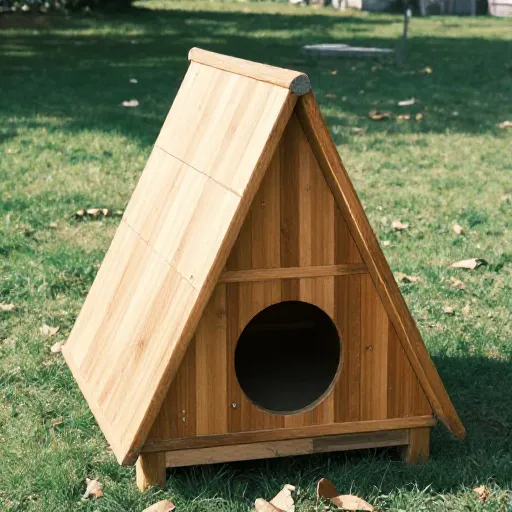
This is the one that started it all for me. Using natural, untreated cedar gives you that gorgeous, rustic look that ages beautifully. The wood has natural oils that repel bugs and rot, which is perfect for outdoor furniture. I love how the reddish-brown tone pops against green grass.
You will want to cut your plywood or cedar planks at a 45-degree angle for the peak. Leave the front open for easy access, but add a small lip at the bottom to keep the bedding inside. This design is super forgiving for beginners because you are just working with two big slanted panels.
Finish it with a clear waterproof sealant to keep the color rich. Your dog will appreciate the high ceiling inside, which gives them room to sit up and look out at the yard. It feels like a miniature ski lodge for your furry friend.
2. The Mid-Century Modern Minimalist
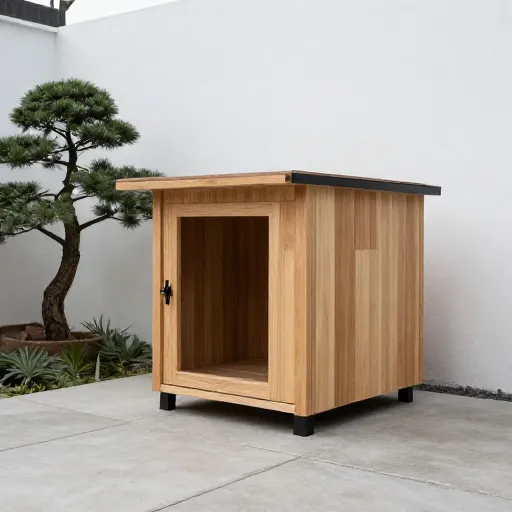
If your backyard has a sleek, modern patio set, skip the rustic vibe and go clean and geometric. Use smooth sanded plywood and paint it a solid, muted color like charcoal gray, sage green, or even a warm terracotta. The key here is the sharp lines and zero ornamentation.
Instead of leaving the front fully open, create a simple rectangular doorway cutout. This keeps the sleek profile intact while still giving your dog a private space. You can even add a floating wooden base that sits slightly off the ground to match the “mid-century” furniture legs look.
I recommend using exterior-grade paint and a matte finish. This style looks so chic that you might be tempted to move into it yourself. It’s the perfect way to blend function with high-end landscaping.
3. The Tiny Cabin With A Porch
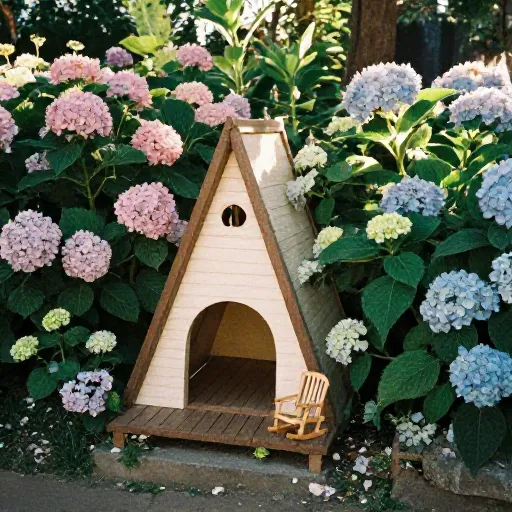
Who says a dog house can’t have curb appeal? This design adds a small overhang or awning in the front to create a little porch area. It is literally just a wider piece of trim that extends past the front edges of the A-frame. It gives your dog a dry spot to sit and watch the rain.
To make it look even more like a cabin, add a small circular window on one of the sides. You can cut this with a jigsaw and frame it with a piece of PVC trim or a wooden ring. It adds so much character and gives you a way to peek in on your sleeping pup.
Paint the porch floor a contrasting color, like a dark deck stain, while keeping the main body light. This draws the eye to the cute entrance and makes the whole structure feel intentional and designed.
4. The Reclaimed Pallet Project
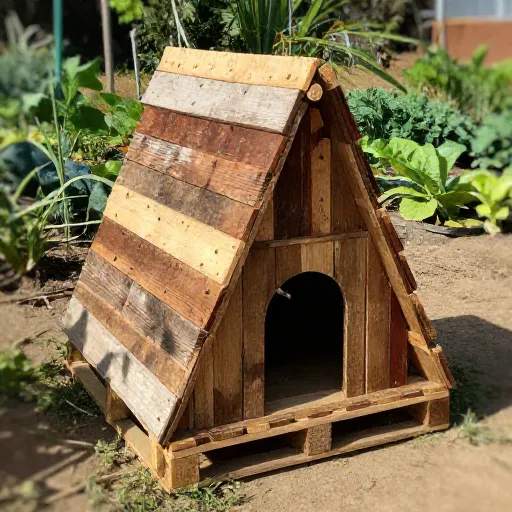
On a tight budget? I have been there. This is my absolute favorite zero-waste build. You can source pallets for free from local hardware stores or warehouses. Just make sure you pick ones that are heat-treated (stamped with HT) and not chemically treated.
Break down the pallets and sand them down hard—like, really hard—to avoid splinters. The rustic, weathered look of the wood is perfect for the A-frame shape. You don’t even need perfect cuts here; the rough edges add to the charm. Just overlap the boards slightly to keep the rain out.
Because pallets are usually thinner, you might want to double up the layers for insulation. This build is all about patience with the sanding, but the result is a rugged, organic shelter that looks like it belongs in a forest.
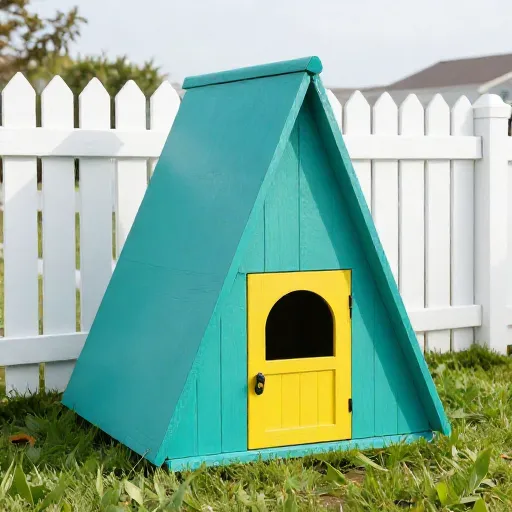
5. The Color-Blocked Pop
Make a bold statement by painting the two sides of the A-frame different colors. I did this with a bright “coral pink” and a deep “navy blue,” and it stopped traffic in my neighborhood. It is a playful, fun look that matches a bohemian or eclectic garden style.
Use painter’s tape to get a crisp, clean line right down the apex of the roof. Since this design is so simple in shape, the color does all the heavy lifting. It turns a basic build into an art installation.
Add a matching painted bowl holder or a small planter on top of the roof for extra flair. Actually, skip the planter on the roof—dogs love to climb up there—but definitely paint the base to match. It is a fun way to incorporate your favorite colors into the outdoor space.
6. The Elevated Stilt House
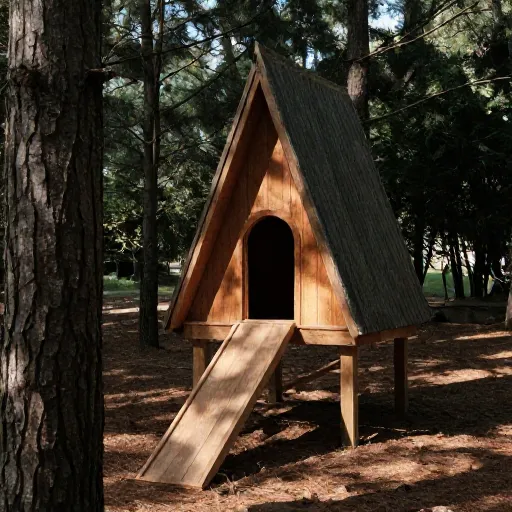
If you live in a rainy climate or have concerns about bugs, raising the A-frame off the ground is a game-changer. Build a sturdy wooden platform and attach legs to it, much like a small deck. This keeps the dog house dry and allows air to circulate underneath, preventing mold.
You can make the legs adjustable or just cut them to size. I like to use 4×4 posts for stability so the house doesn’t wobble when your dog jumps in and out. You can even add a little ramp if you have a senior dog or a small breed.
This design looks amazing in a woodland setting. It feels like a treehouse that fell to the ground. It also makes cleaning underneath a breeze—you can just sweep the dirt away without moving the entire structure.
7. The Indoor-Outdoor Glam
Who says dog houses are only for the yard? If you have a sunroom or a large mudroom, you can build a small A-frame that is more about lounging than sheltering. Use soft, light-colored wood and add a plush cushion inside.
Since it doesn’t need to withstand the elements, you can skip the heavy sealants and use a furniture-grade finish instead. This makes the wood feel smooth and silky. You can even add brass or gold hinges to a little door flap for a touch of luxury.
This is a great project for using higher-end offcuts from other builds. It becomes a piece of furniture rather than just a utility item. Your dog will definitely look like a royal sleeping in this thing.
8. The Living Roof Garden
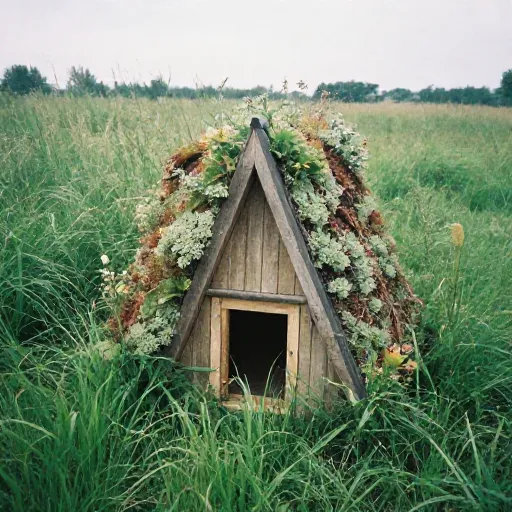
This is the ultimate “wow” factor build. It takes a bit more engineering, but the result is stunning. You build the A-frame, but instead of a solid wood roof, you create a shallow tray that holds soil and sedum or small grasses.
I used a liner and some drainage gravel to make sure the water doesn’t rot the wood. The plants act as natural insulation, keeping the house cool in summer and warm in winter. It blends the dog house into your garden so well that it looks like a natural hill.
You need to ensure the structure is strong enough to hold the wet soil weight. Use thicker plywood and cross-bracing on the inside. This is a project for the confident builder, but the payoff is a living, breathing part of your landscape.
9. The Scandi-Simple White Wash
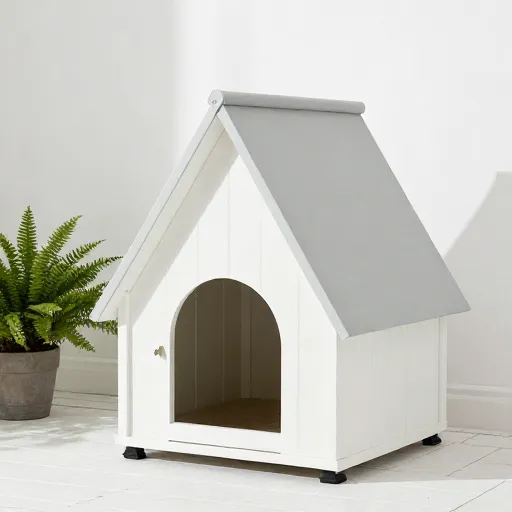
For a clean, airy aesthetic, you can’t beat a whitewashed A-frame. This technique involves mixing white paint with water and wiping it on the wood so the grain shows through. It gives a coastal, breezy feel that is perfect for summer.
Use a rough-sawn cedar or pine for this. The whitewash will soak into the softer parts of the wood and leave the harder grain lines darker, creating a beautiful texture. It looks fantastic against a backdrop of hydrangeas or ornamental grasses.
Seal it with a matte waterproofing spray to keep the white from getting dingy. The lightness of the color also reflects heat, keeping your dog cooler in the hot months. It is simple, bright, and incredibly photogenic.
10. The Insulated Winter Palace
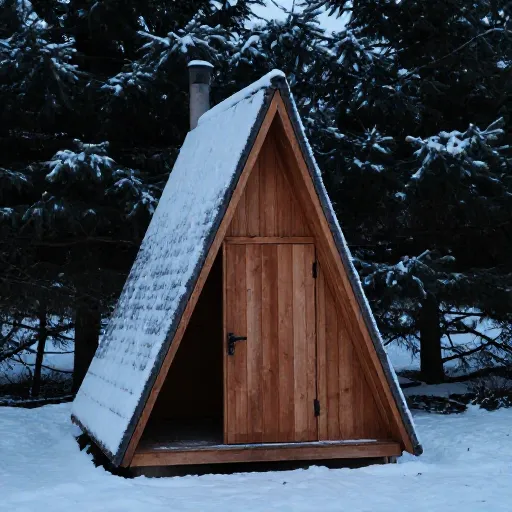
For those of us in colder climates, a dog house needs to be functional first. This build focuses on insulation using foam board or rigid insulation panels sandwiched between the interior and exterior wood layers.
You can still make it look good! Use a dark wood stain on the outside for warmth, and add a heavy-duty vinyl flap over the door to keep the wind out. Make sure the interior is spacious enough for your dog to curl up but small enough that their body heat warms it quickly.
Add a raised floor inside so your pup isn’t lying directly on the cold ground. This is the ultimate luxury comfort build. Your dog might actually refuse to come inside the main house during the winter months because this one is just too cozy.
Final Thoughts
Building an A-frame dog house is one of those projects that gives you instant gratification. It is visually striking, relatively simple to construct, and your dog will love the secure, den-like feeling it provides. Whether you go for the rustic cedar or the modern painted look, the triangle shape is timeless.
Take your time to measure your dog before you start cutting. You want the door to be tall enough for them to walk through without ducking, but not so wide that it loses heat. And don’t forget to sand everything thoroughly—nobody wants a splinter on their pup’s nose. Happy building!
Frequently Asked Questions
What is the best material for an outdoor A-frame dog house?
In my experience, cedar or cypress are the best choices. They are naturally rot-resistant and look beautiful. If you are on a budget, treated pine works well, but you must seal it properly to prevent moisture damage.
How do I size the dog house for my dog?
Measure your dog from nose to tail and add about 6 inches for length. Measure their height from floor to shoulder. The door should be about 75% of their height. The interior should be cozy—dogs like to feel snug, not cramped.
Do I need to insulate an A-frame dog house?
It depends on your climate. If you have harsh winters or hot summers, insulation is a smart move. You can use foam board between the walls, and it makes a huge difference in temperature regulation.
Can I use regular paint on the outside?
You should use exterior-grade acrylic latex paint. It is designed to withstand UV rays and rain without peeling. Always apply a primer first and a clear sealant after to get the longest life out of your paint job.
How do I keep the dog house clean?
Make the floor removable or hinged. This is a game-changer. You can flip it up and sweep out all the dirt and hair easily. Also, using a washable dog bed liner makes laundry day a breeze.