The Big List: 8 Foods Dogs Can and Cannot Have
I’ve learned the hard way that not everything in my kitchen is safe for my pup. A few years ago, I accidentally dropped a grape while cooking, and my dog snatched it before I could react. That scary moment sent me down a rabbit hole of research, and now I keep a mental list of what’s okay and what’s absolutely not.
This isn’t about being paranoid—it’s about being prepared. I’ve gathered the eight most common foods people ask me about, split into the good and the bad. Think of this as your go-to cheat sheet for the pantry. No fluff, just practical info you can actually use when you’re meal prepping or sharing a snack.
Let’s get straight to it. I’ll break down each food, why it matters, and what you should do if your dog sneaks something off the list. You’ll feel way more confident next time those big puppy eyes lock onto your plate.
Why This List Matters
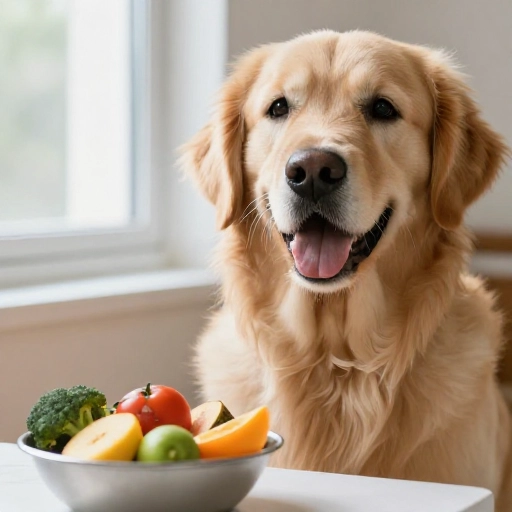
I know it’s tempting to hand over a bite of whatever you’re eating. But dogs process food differently than we do. Some things that are totally fine for us can cause serious issues for them, from an upset tummy to something much worse. I’ve seen it happen with friends who thought a little onion in the broth was harmless.
This list isn’t meant to scare you—it’s to empower you. Once you know the basics, you can relax and enjoy sharing safe treats without worry. I’ve tested these foods with my own dog (the safe ones, obviously) and talked to my vet to double-check everything here. It’s real-world advice you can trust.
Equipment Needed for Safe Treat Prep
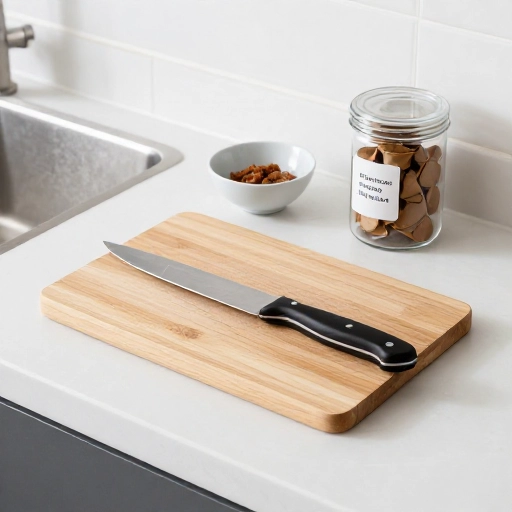
You don’t need fancy gadgets to make dog-friendly snacks, but a few basics help me stay organized. I keep a small cutting board that I only use for pup treats, just to avoid cross-contamination. A sharp knife makes chopping veggies like carrots or apples super easy.
For storing, I grab a few airtight containers—glass jars or BPA-free plastic work great. If I’m making frozen treats, silicone ice cube trays are my best friend. And always have a paper towel nearby for cleanup because dogs are messy eaters. That’s really all you need to get started.
Ingredients: The 8 Foods (4 Safe, 4 Dangerous)
Here are the big eight. I’ve grouped them so you can see the safe options first, then the ones to avoid. Memorize these, and you’ll handle most kitchen situations like a pro.
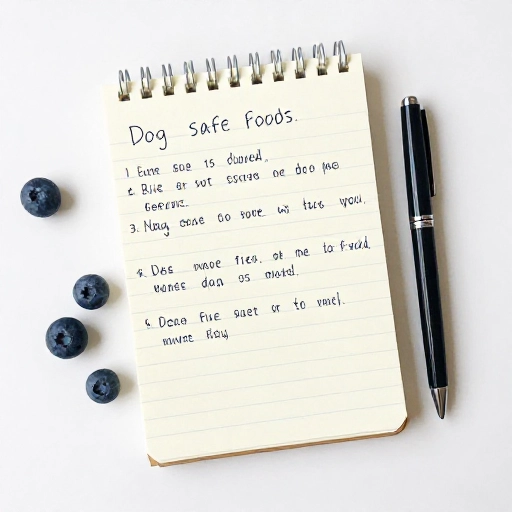
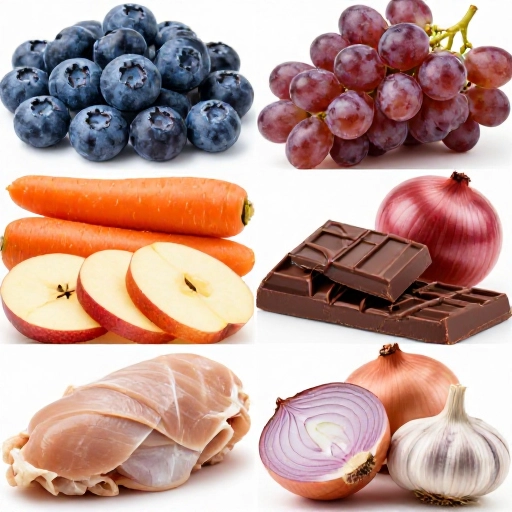
Safe Foods (in moderation):
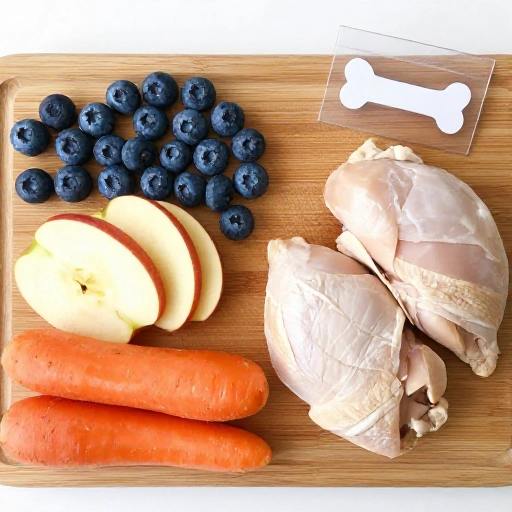
- Carrots: Crunchy and low-calorie, great for teeth.
- Plain cooked chicken: No skin, no seasoning—just boiled or baked.
- Blueberries: Tiny, sweet, and packed with antioxidants.
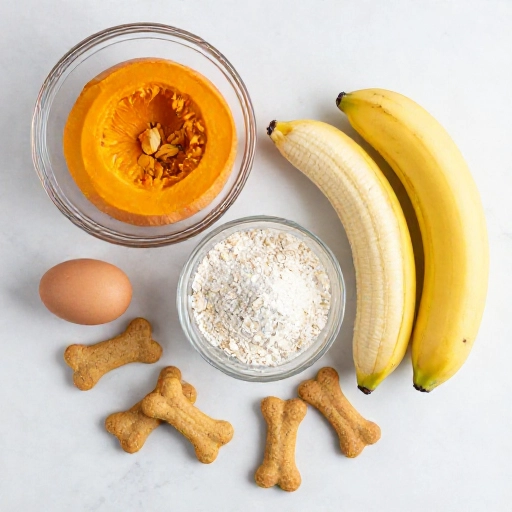
- Plain pumpkin (canned, not pie filling): Helps with digestion.
Dangerous Foods (never give these):
- Grapes and raisins: Can cause kidney failure, even in small amounts.
- Onions and garlic: Damages red blood cells over time.
- Xylitol (artificial sweetener): Found in gum, peanut butter, and baked goods—super toxic.
- Chocolate: The darker it is, the worse it is for dogs.
I always double-check labels now, especially for peanut butter. You’d be surprised how many brands sneak in xylitol.
Instructions: How to Safely Share These Foods
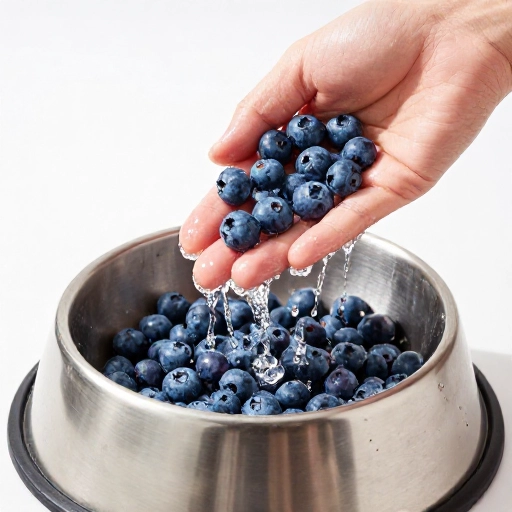
First, prep the safe foods. Wash carrots and slice them into sticks or coins—my dog loves them frozen for teething. For chicken, boil a breast with no salt, then shred it into small pieces. Blueberries? Just rinse and serve a few as a treat. Pumpkin gets scooped straight from the can, about a tablespoon for a medium dog.
For the dangerous foods, your job is prevention. Keep grapes and onions on high shelves or in sealed containers. Check ingredient lists on everything, especially peanut butter and yogurt. If your dog accidentally eats something from the bad list, call your vet immediately. Don’t wait for symptoms—time matters more than you think.
I store all safe treats in labeled containers in the fridge. That way, when I’m cooking, I can grab a carrot stick instead of worrying about what’s in my own meal. It’s a small habit that keeps everyone happy.
Conclusion
I hope this list takes some stress off your shoulders. Knowing these eight foods has honestly changed how I cook and snack around my dog. It’s not about being perfect—it’s about being aware. You’ll make mistakes, and that’s okay. I’ve had my share of “oops” moments, but now I catch them faster.
Start small: memorize the dangerous four first. Then, stock up on safe treats like carrots and blueberries. Your dog will love you for the extra attention, and you’ll feel good knowing you’re keeping them safe. If you ever feel unsure, just ask your vet—they’re your best resource.

Frequently Asked Questions
1. Can dogs eat peanut butter?
Yes, but only if it’s xylitol-free. Check the label carefully, because even “natural” brands sometimes add it. I use unsalted, no-sugar-added peanut butter as a special treat.
2. What if my dog eats a grape?
Call your vet or a pet poison hotline right away. Don’t wait for symptoms—grapes can cause kidney issues quickly. Time is critical here.
3. Are raw carrots safe for dogs?
Absolutely. They’re actually great for dental health. Just cut them into bite-sized pieces to prevent choking, especially for small breeds.
4. Can dogs have cheese?
In small amounts, yes. But many dogs are lactose intolerant, so watch for gas or loose stools. I stick to low-fat cheese like mozzarella, just a few cubes.
5. How much pumpkin can I give my dog?
Start with one teaspoon for small dogs, one tablespoon for medium, and two tablespoons for large dogs. Too much can cause diarrhea, so go slow.