12 Best Dog Breeds for Cats: A Match Made in Pet Heaven
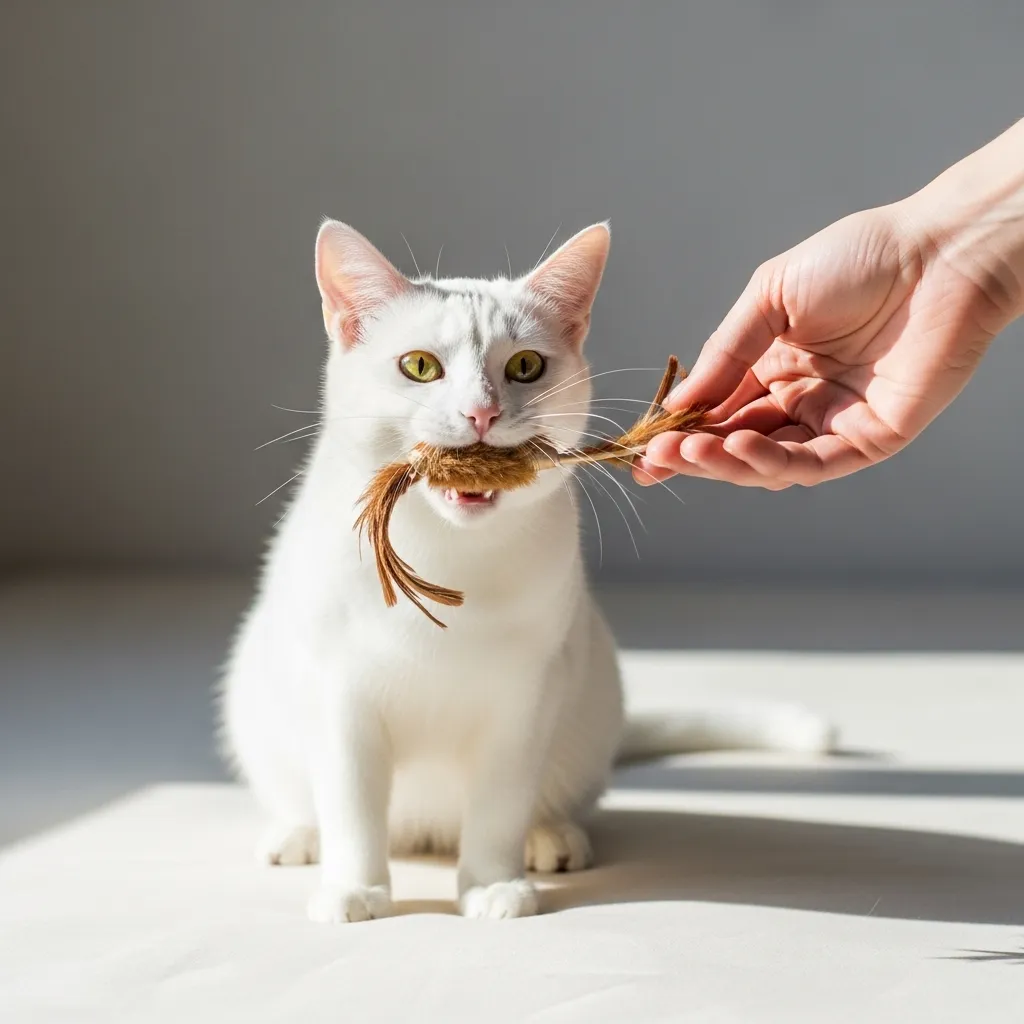
As someone who shares my home with both a purring feline and a wagging tail, I know the dream of a peaceful, multi-pet household is real. The good news? It’s totally possible! The secret often lies in choosing a dog breed with a temperament that naturally meshes with a cat’s independent and sometimes aloof nature.
You want a dog that’s more interested in companionship than chasing, with a calm demeanor and a respectful curiosity. I’ve put together this list of the best dog breeds for cats based on real-life experiences, breed traits, and that special “gentle friend” vibe. Let’s find your cat’s new best friend!
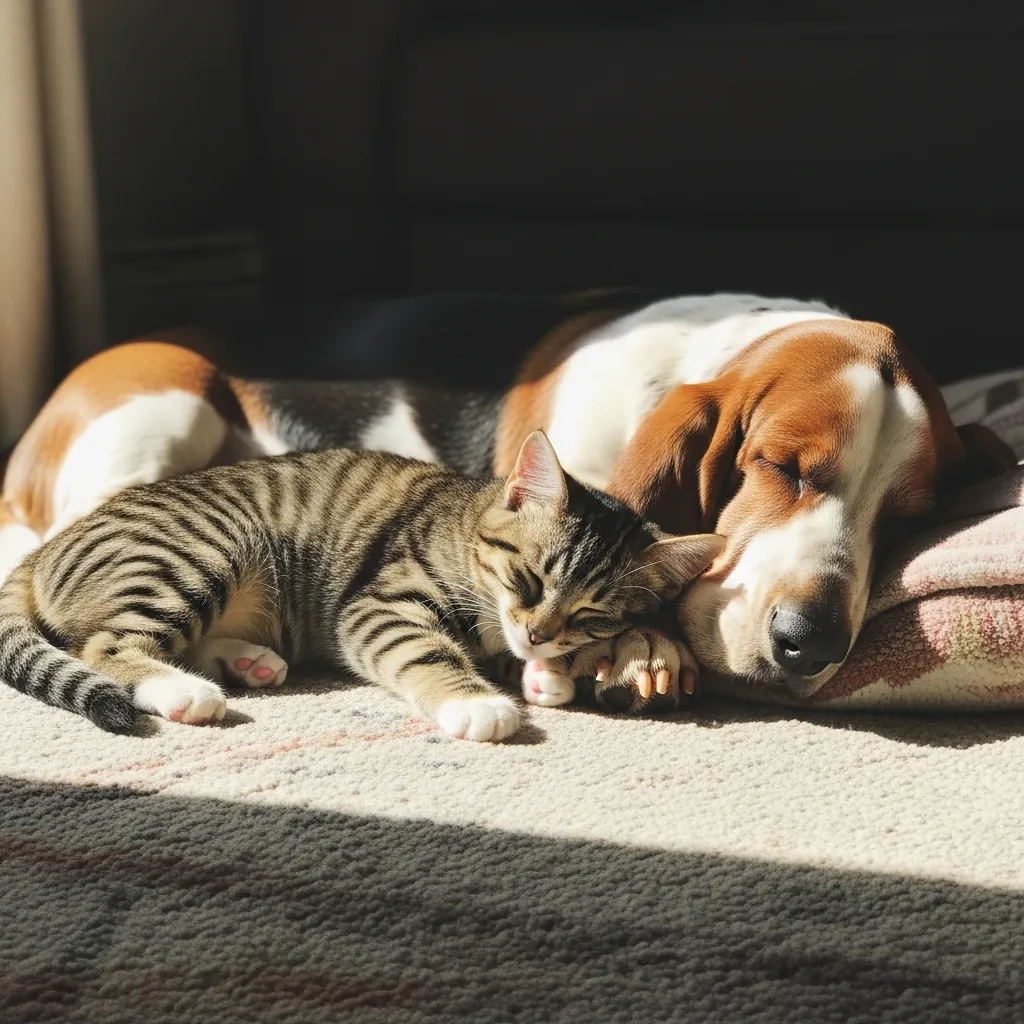
1. The Gentle Giant: Basset Hound
Don’t let their mournful expression fool you—Basset Hounds are some of the most laid-back, easygoing dogs around. Their low energy level and stubborn streak mean they’re more likely to nap on the couch than initiate a high-speed chase. They have a sweet, patient nature that cats often find non-threatening.
Their short legs and slow pace can actually be less intimidating for a cat. A confident feline might even take charge of the household, with the Basset happily following their lead. It’s a low-drama pairing built on mutual respect for nap time.

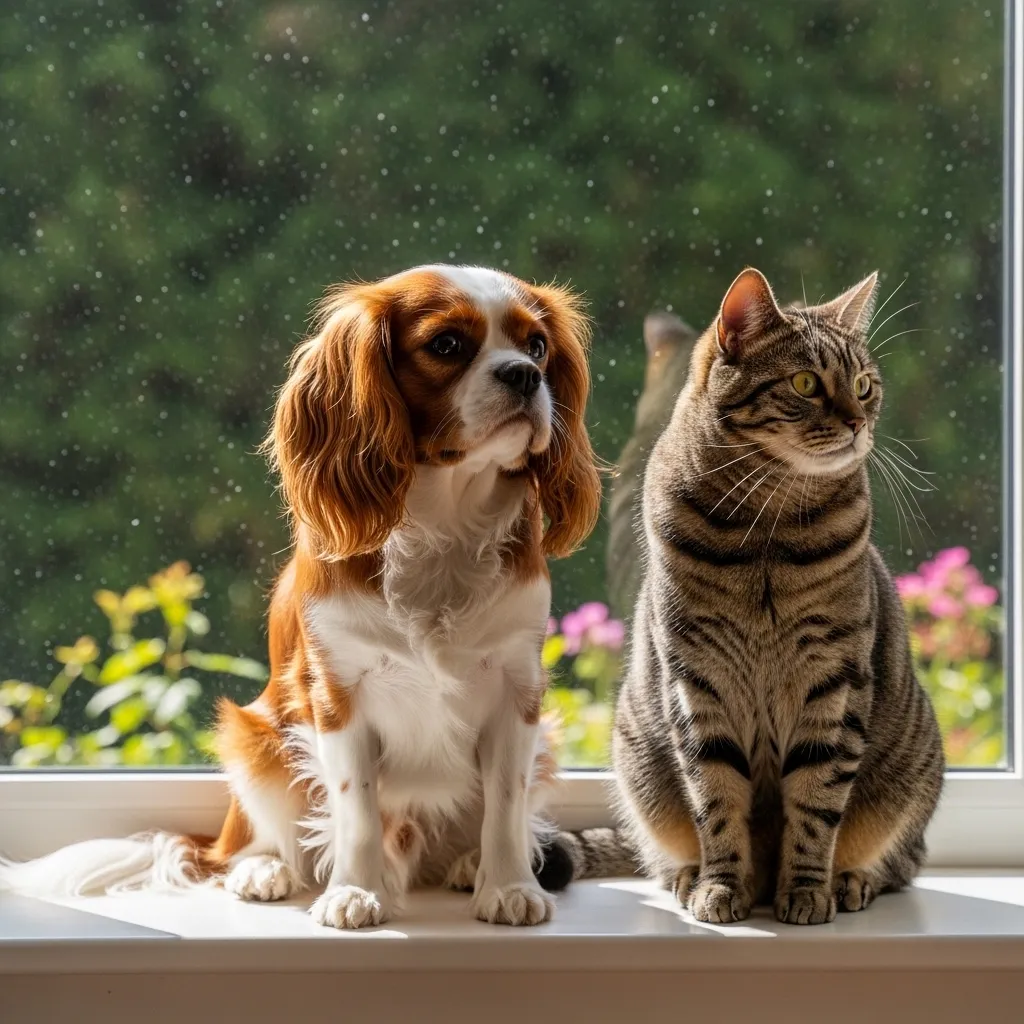
2. The Cat-Like Canine: Cavalier King Charles Spaniel
This breed is the ultimate affectionate companion, bred purely for love and laps. Cavaliers are incredibly gentle, adaptable, and tend to have a soft mouth, which translates to a delicate play style. They are eager to please and highly responsive to training, making it easier to teach them to respect the cat’s space.
Many cats appreciate the Cavalier’s moderate energy and quiet nature. They’re content to curl up together in a sunbeam, offering friendship without overwhelming demand. It’s like having another calm, cuddly pet who just happens to bark.
3. The Patient Protector: Golden Retriever
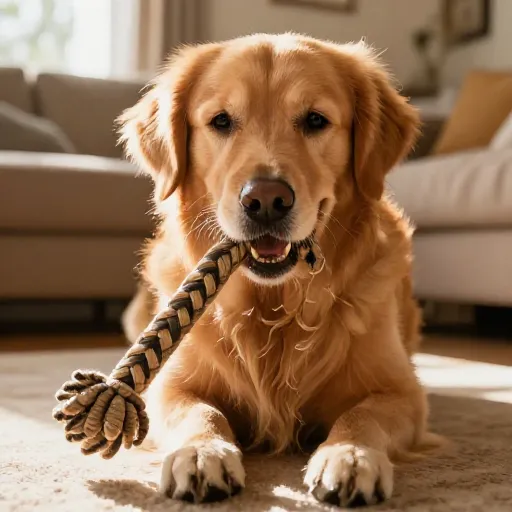
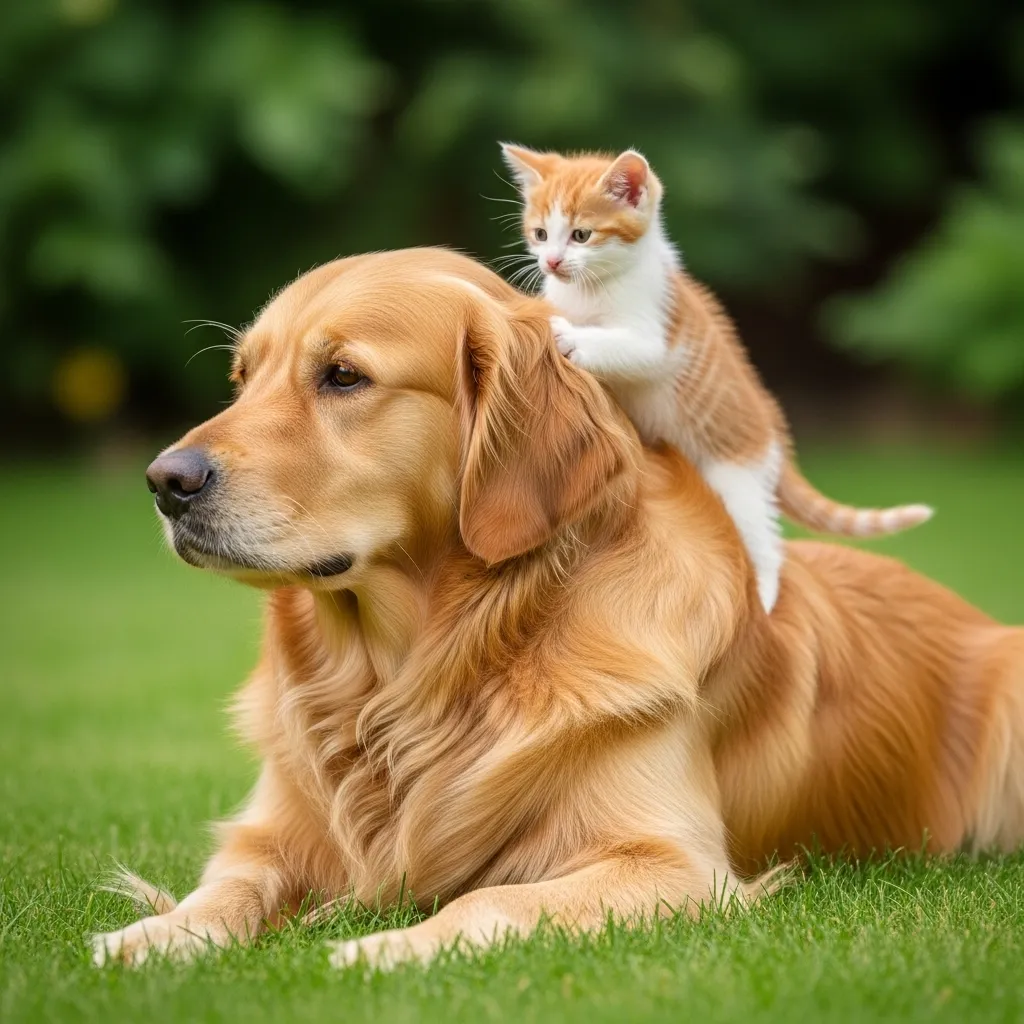
The famously friendly Golden Retriever is a classic choice for a reason. Their inherent kindness, intelligence, and patience make them excellent candidates for feline friendship. They are typically very tolerant and have a stable temperament, so a cat’s occasional swipe is met with confusion rather than retaliation.
Proper socialization is key, but a well-raised Golden often sees the cat as just another member of its “pack” to look after. I’ve seen Goldens gently play with cats, sharing toys and even cleaning their feline siblings. Their sunny disposition can win over even the most skeptical cat.
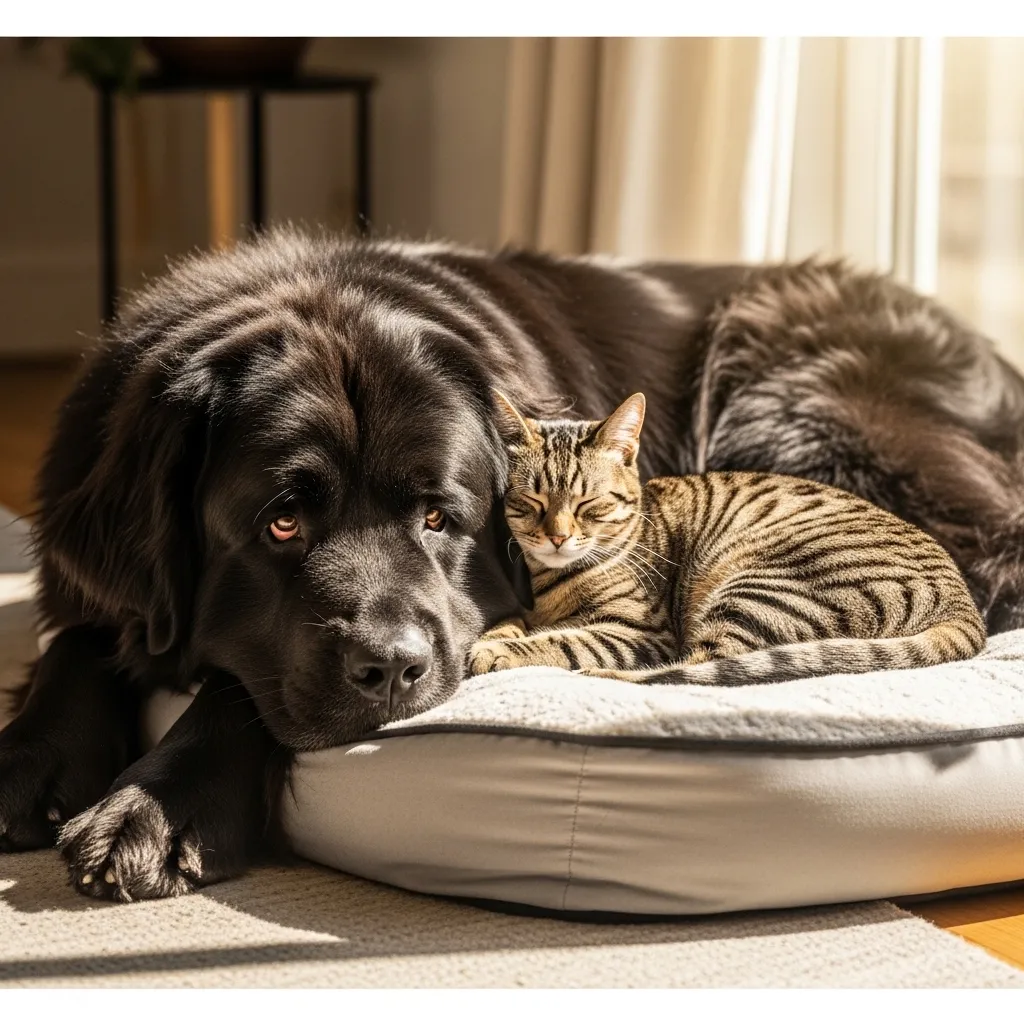
4. The Quiet Companion: Newfoundland
True “gentle giants,” Newfoundlands are known for their serene, sweet, and profoundly patient personalities. They move with a slow, deliberate grace that cats don’t perceive as a threat. Their nurturing instinct is strong, and they often adopt a protective watch over smaller animals in the home.
While their size is enormous, their heart is bigger. A cat may initially be wary, but often comes to appreciate the Newfie’s calm presence and the warmth of their massive, fluffy body. This breed exemplifies peaceful coexistence.
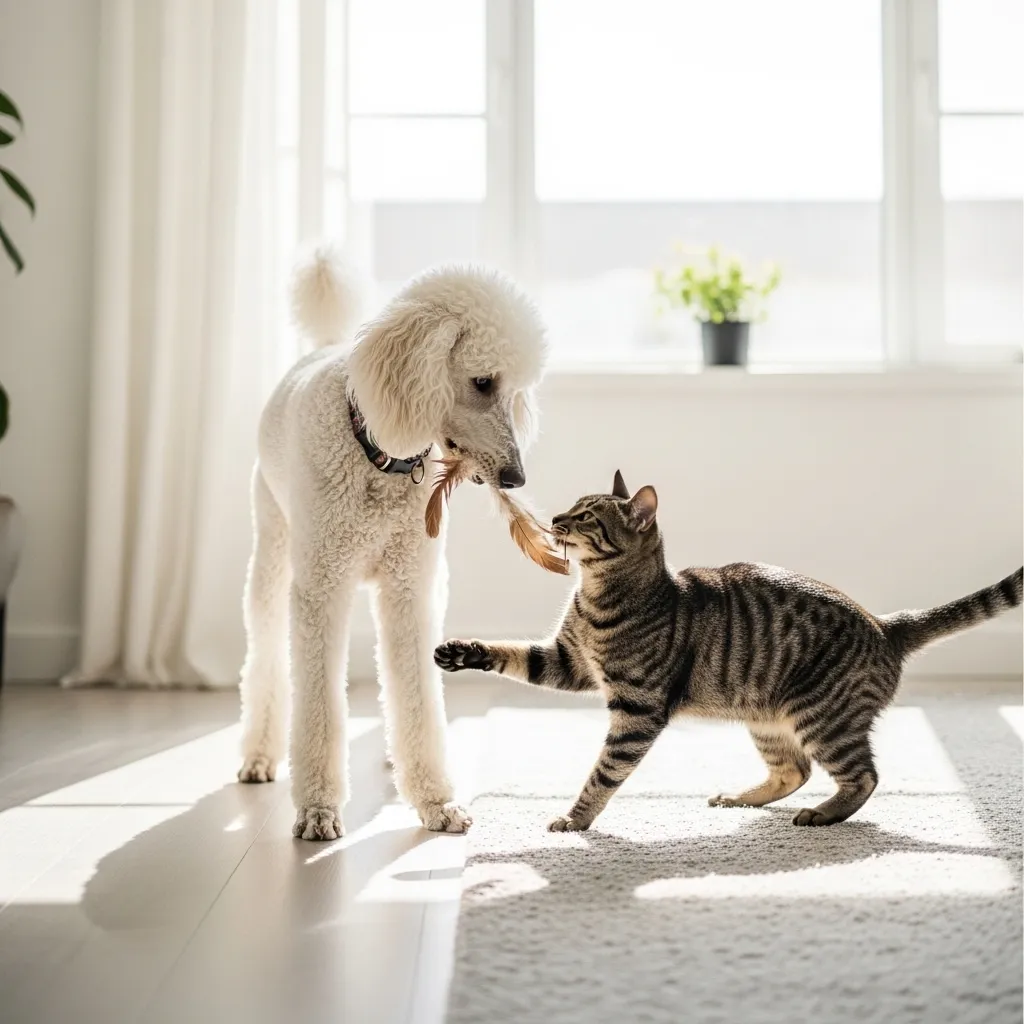
5. The Adaptable Friend: Poodle (All Sizes)
Poodles are brilliant, highly trainable, and incredibly adaptable dogs. Whether you choose a Toy, Miniature, or Standard, their intelligence means they can learn the house rules about the cat quickly. They are people-oriented but not typically prone to high prey drive when properly bred and socialized.
Their hypoallergenic coat is a bonus for all pets involved! A poodle’s energetic play can be channeled into games, and they are often clever enough to engage in complex, respectful interactions with a feline housemate.
6. The Easygoing Buddy: Maltese
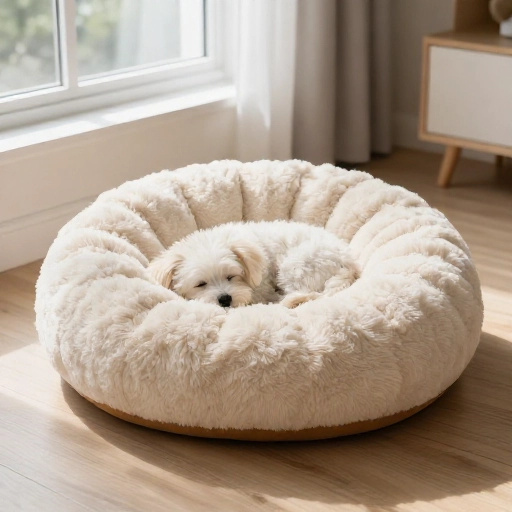
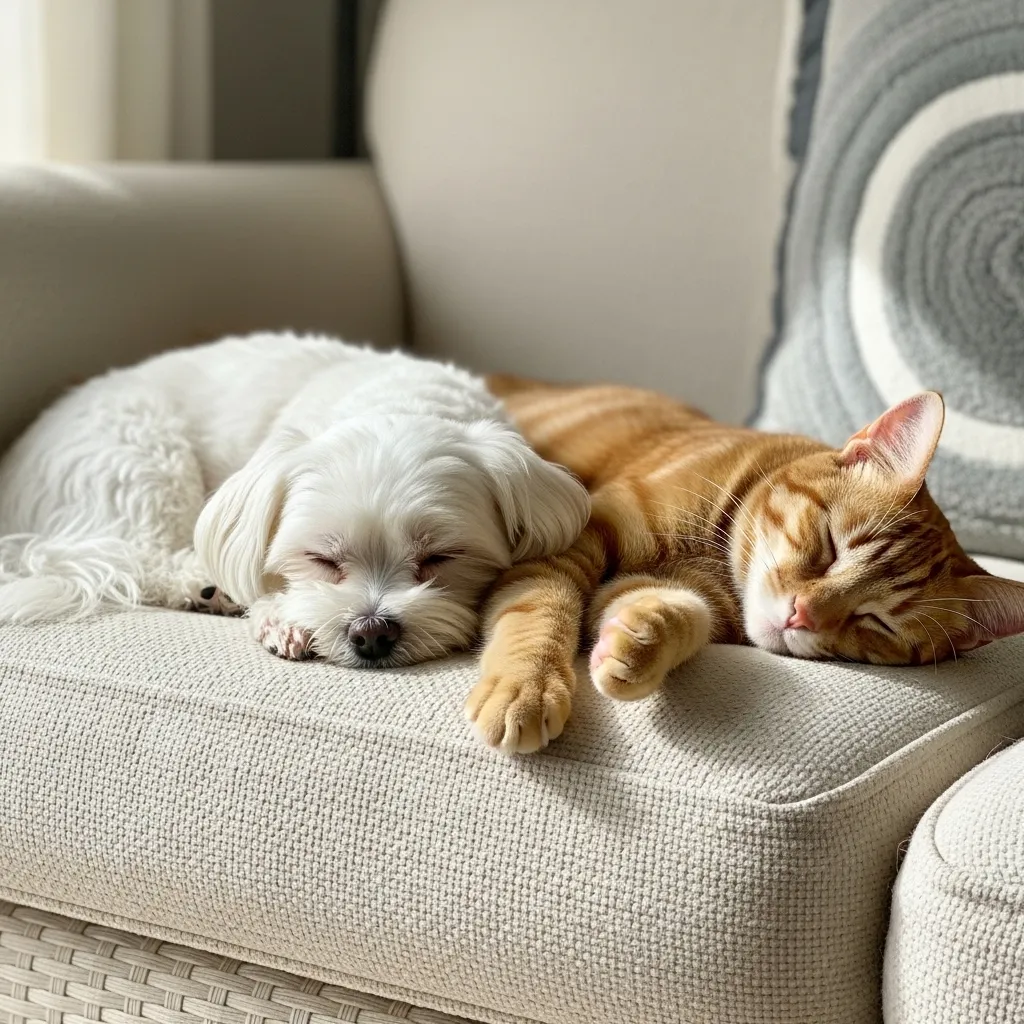
This tiny, affectionate lapdog is all about love and comfort. Maltese are bred for companionship and thrive in a calm indoor environment—sound familiar? Their small size means they are rarely a physical threat to a cat; in fact, the cat might be the bigger personality in the relationship!
They enjoy gentle play and lavish attention. A cat who dislikes boisterous activity will appreciate the Maltese’s subdued approach to life. It’s a pairing built on shared interests: napping in soft beds and receiving pets from their human.
7. The Independent Thinker: Shiba Inu
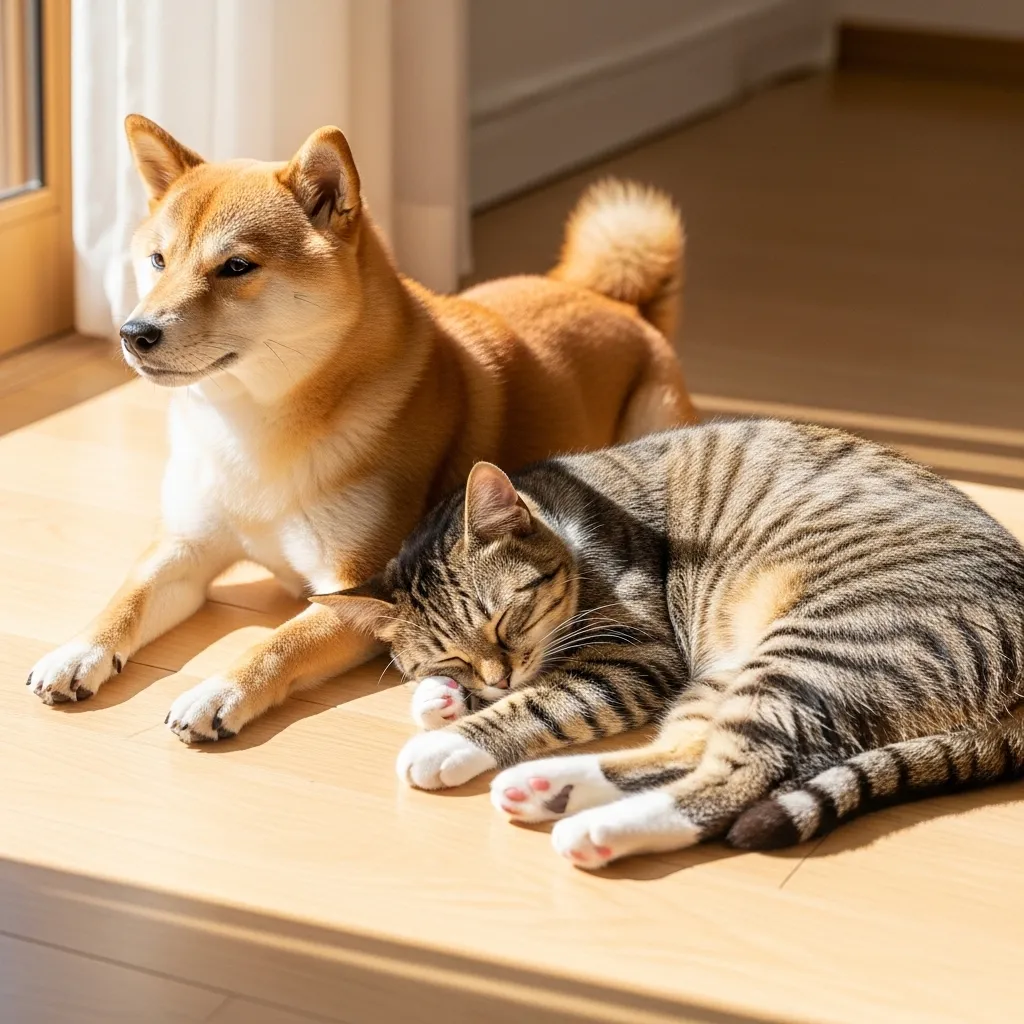
Now, this one requires a specific match! Shiba Inus are famously cat-like themselves: clean, independent, and often aloof. They aren’t needy and respect personal space, which many cats appreciate. Their dignified demeanor can create a fascinating understanding between two similarly minded creatures.
Early socialization is absolutely critical, as their prey drive can be high. But in the right home, a Shiba and a cat can coexist with a mutual, respectful distance, sometimes even forming a quiet alliance. They understand each other’s need for alone time.
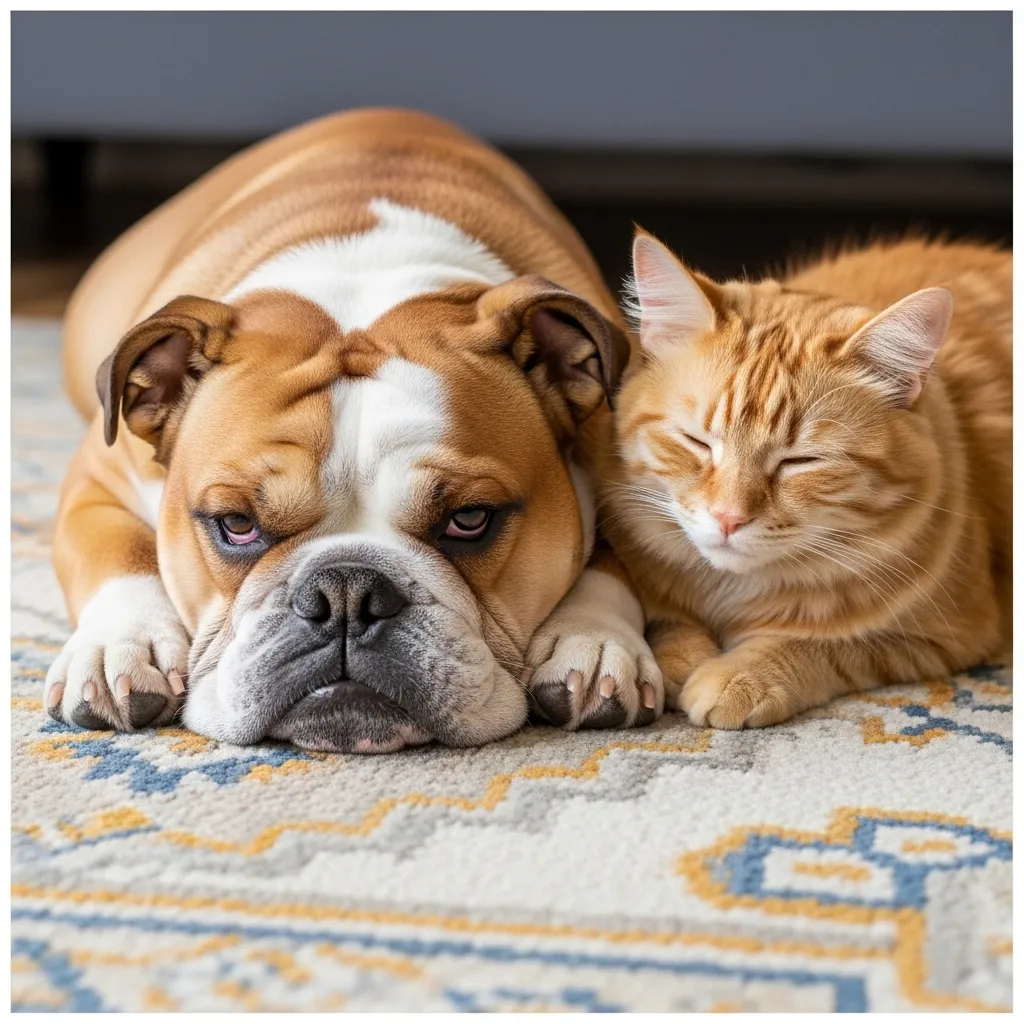
8. The Mellow Mate: Bulldog (English or French)
Bulldogs are the champions of relaxation. With their low energy levels and comical, stubborn laziness, they are not built for chasing. They have a courageous but sweet heart and form strong, loyal bonds with their family—cats included.
Their sturdy, low-to-the-ground build and grumpy-but-kind face seem to give cats pause. Many cats find Bulldogs uninteresting as a target or threat, leading to a peaceful, side-by-side existence on the living room rug.
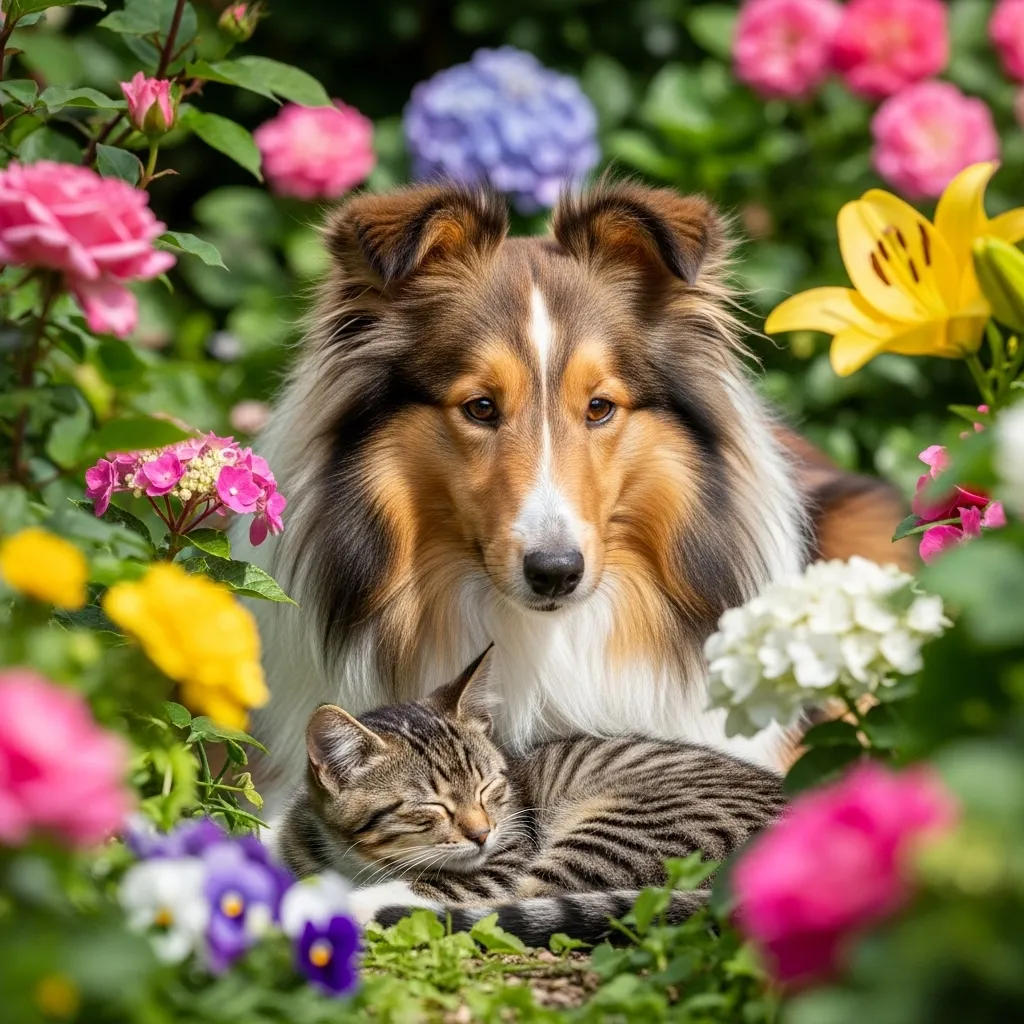
9. The Loyal Shadow: Shetland Sheepdog
Shelties are sensitive, intelligent, and intensely loyal herding dogs. While they may try to “herd” their feline friend with gentle nudges, they are rarely aggressive. They are quick to learn and aim to please, making them responsive to training around cats.
Their alert but gentle nature means they are aware of the cat’s movements without being reactive. A well-socialized Sheltie often forms a close, watchful bond with the household cat, keeping a soft eye on their quirky companion.
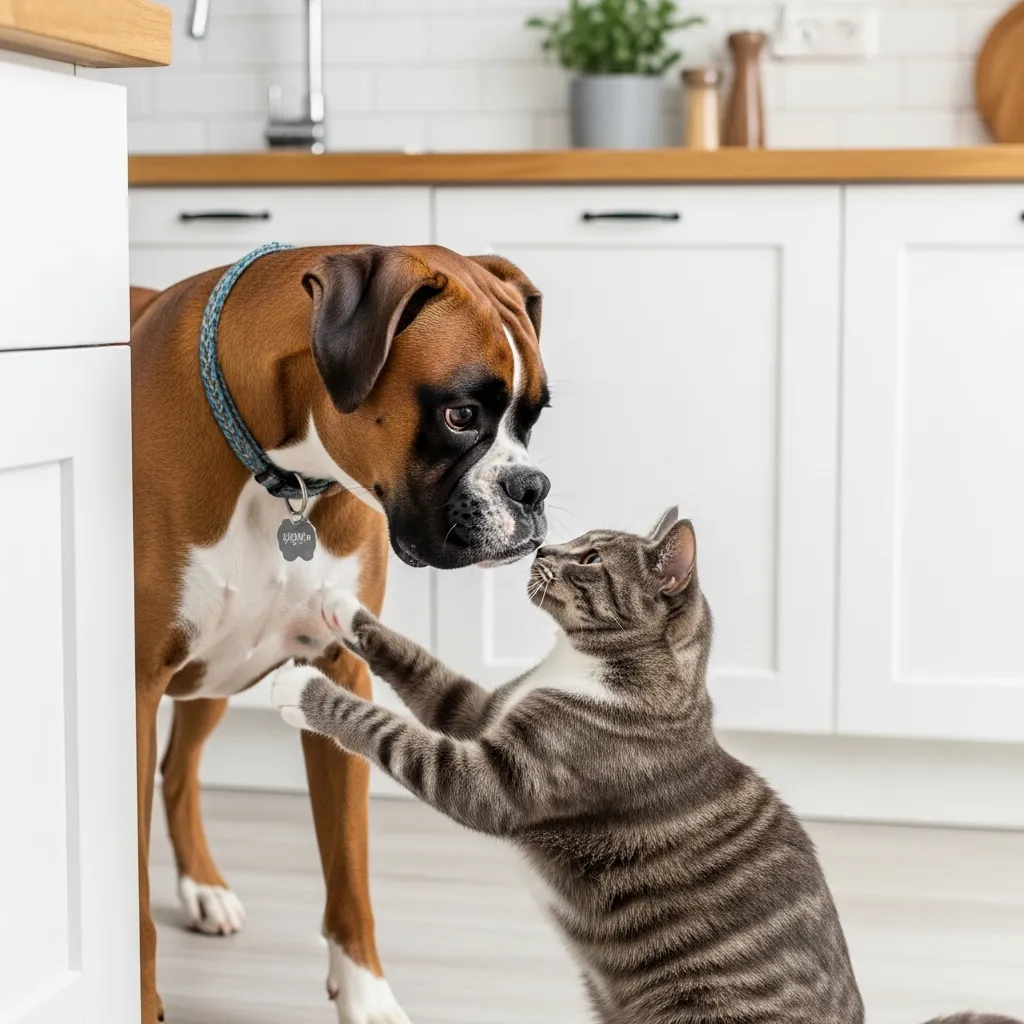
10. The Go-With-The-Flow Pal: Boxer
Boxers are playful, silly, and eternally youthful, but at their core, they are patient and loving with their family. They are known for being great with children and other pets, showing a remarkable tolerance. Their playfulness can be boisterous, so a confident cat is best.
With proper introductions, a Boxer’s joyful energy can be infectious. I’ve seen cats who initially hid come to “box” back during play, engaging in a fun, paw-swatting game. They are protective and will often include the cat as part of their cherished circle.
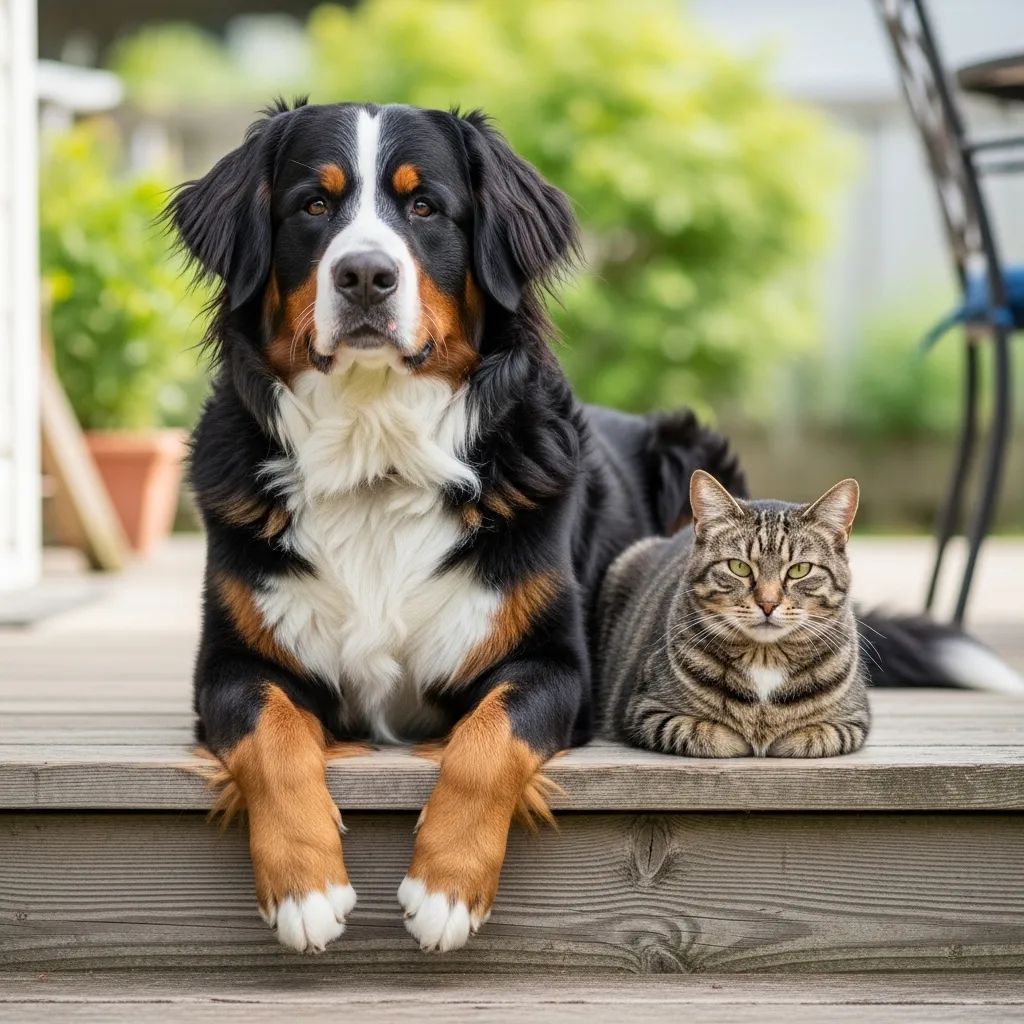
11. The Calm Confidant: Bernese Mountain Dog
Another magnificent gentle giant, the Bernese is calm, good-natured, and famously affectionate. They are steady and unflappable, which provides a sense of security for all household members. Their slow movements and tolerant attitude make them ideal for cautious cats.
A Bernese’s primary desire is to be near its family, offering a quiet, fluffy presence. Cats often warm up to this dependable, non-threatening giant, finding them to be a warm and peaceful perch.
12. The Sweet-Tempered Soul: Beagle
Beagles are merry, curious, and incredibly friendly pack animals. They love company, and that can extend to a feline friend. While their nose can lead them into mischief, their intent is rarely malicious. They are more likely to want to sniff and play than to chase aggressively.
Their happy-go-lucky attitude can break through a cat’s reserve. With consistent training to manage their scent-driven curiosity, a Beagle can become a cat’s playful, good-natured buddy, always up for an adventure (or sniffing out the cat’s food bowl together).
Creating a Purr-fect Friendship
Remember, breed is just a starting point for predicting temperament. Every dog is an individual, and a successful introduction is everything. Always prioritize a slow, controlled introduction, give your cat plenty of high escape routes, and never force interactions. Patience and positive reinforcement for calm behavior are your best tools.
When you match the right energy and personality, the bond between a dog and a cat can be one of the most heartwarming sights. Here’s to a home filled with happy purrs and contented tail wags!
FAQ: Dogs & Cats Living Together
Q: How do I introduce my new dog to my resident cat?
A: Go slow! Start with scent swapping (exchange blankets), then use a baby gate for visual contact. Keep the dog leashed during first face-to-face meetings. Always supervise and reward calm behavior.
Q: Can an adult dog learn to live with a cat?
A> Absolutely! While easier with puppies, many adult dogs adapt beautifully. It depends on the dog’s history and temperament. A slow, positive introduction process is even more crucial.
Q: My cat is the new one. Does that change things?
A> The process is similar. Give your cat a safe, dog-free room to settle into first. Let the cat explore the house and the dog’s scent on their own terms when the dog is elsewhere.
Q: What’s the biggest red flag during introductions?
A> A strong, fixated prey drive. If the dog stares intensely, lunges, or whines with a stiff posture focused on the cat, you may need professional help. Normal curiosity is more relaxed and sniff-oriented.
Q: How long does it take for them to get along?
A> It varies from a few days to several months. “Peaceful coexistence” is often the first realistic goal, with true friendship developing over time—or not. Some pets simply learn to politely ignore each other, and that’s a success!