Your Cat’s Tail is Talking: 10 Signs You Need to Know

I used to think my cat’s meows were her main way of communicating. But after years of sharing my home with feline friends, I’ve learned their most expressive language is silent. It’s all in the tail.
That fluffy appendage is a mood barometer, a thought processor, and a warning system all in one. Learning to “speak tail” transformed my relationship with my cats. It helped me understand their needs, avoid a playful nip, and know when they just needed a quiet cuddle.
Let’s decode the secret signals. Here are the ten essential cat tail signs every pet parent should know.
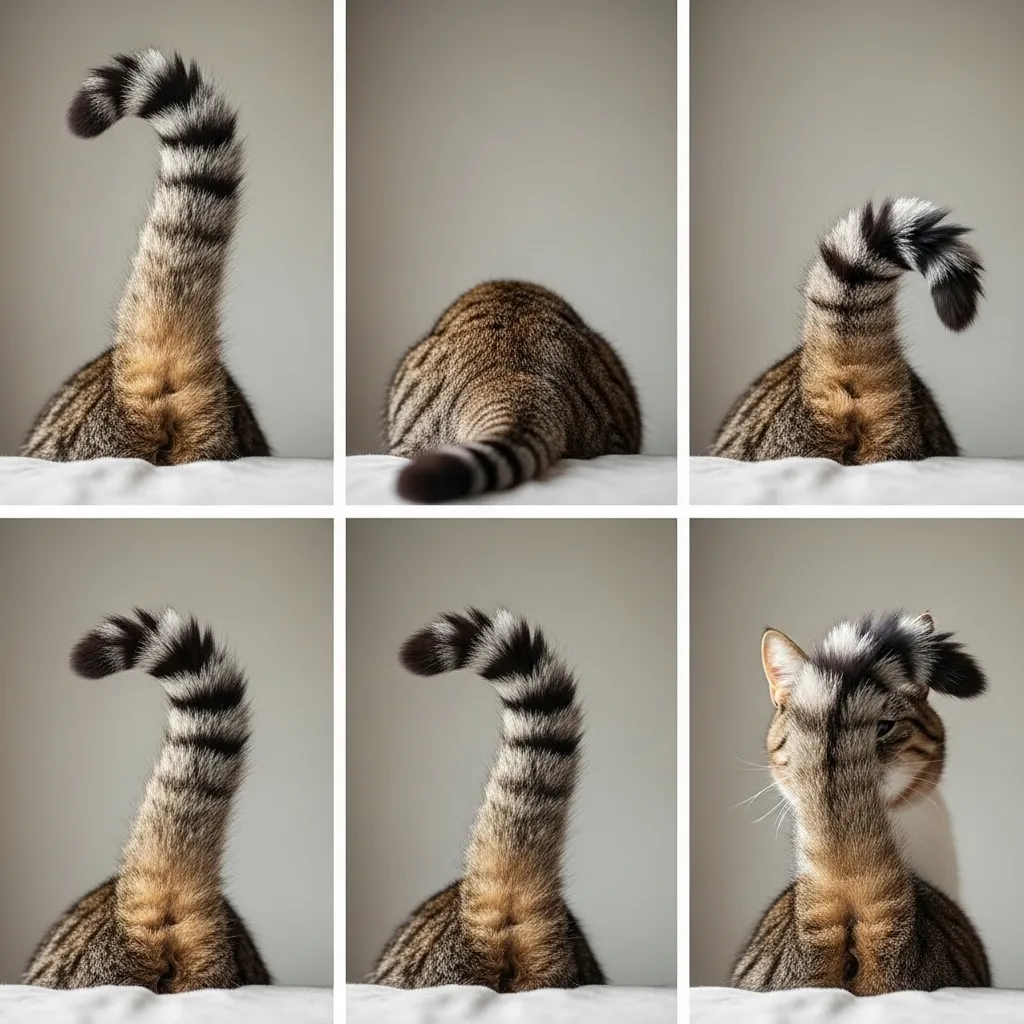
1. The Question Mark Tail: “I’m Curious & Friendly!”
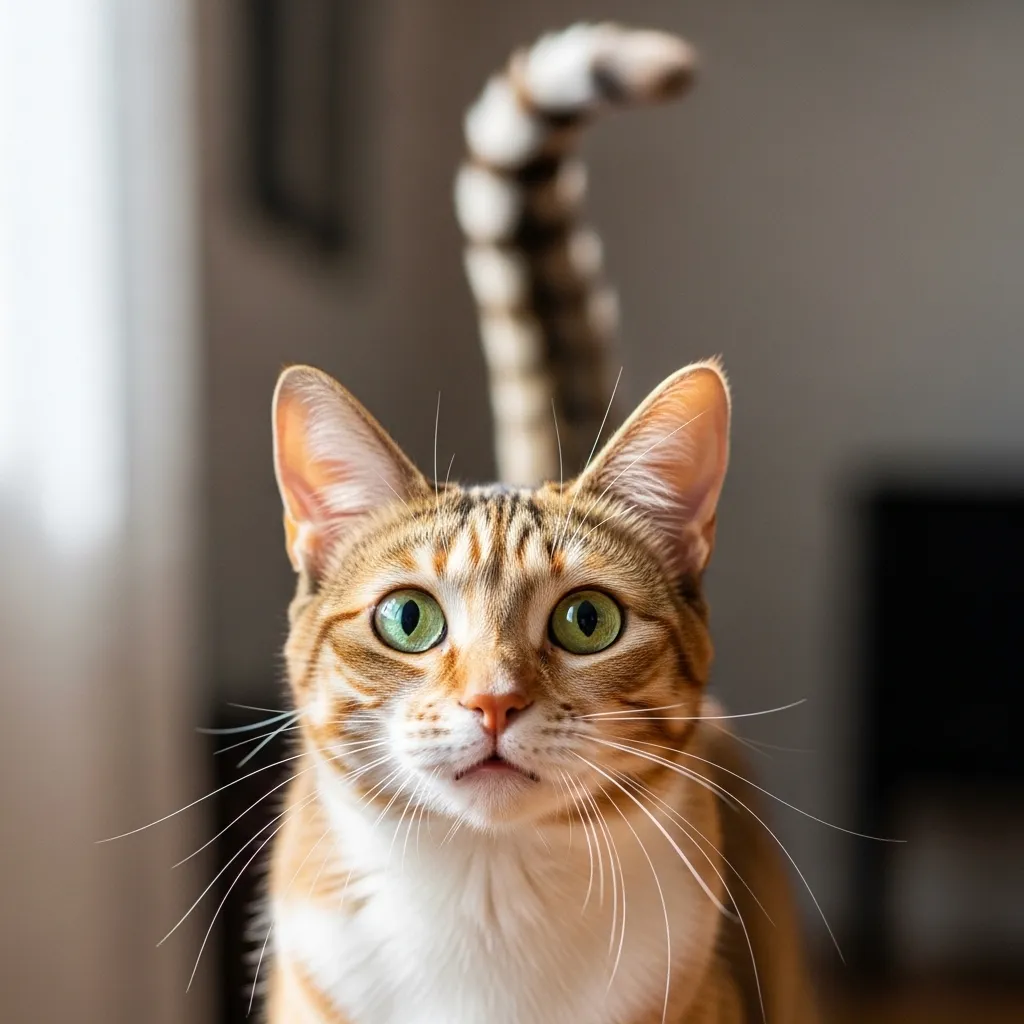
This is one of my favorite tail positions. When your cat’s tail is held high with a little curl or hook at the very tip, it looks just like a question mark. It’s an absolutely delightful sign.
You’ll often see this when they greet you at the door or are investigating a new toy. It signals a happy, inquisitive, and playful mood. This is a perfect time for interaction—they’re saying, “Hello! What’s going on? I’m interested!”
2. The Straight-Up Tail: “I’m Confident & Content”
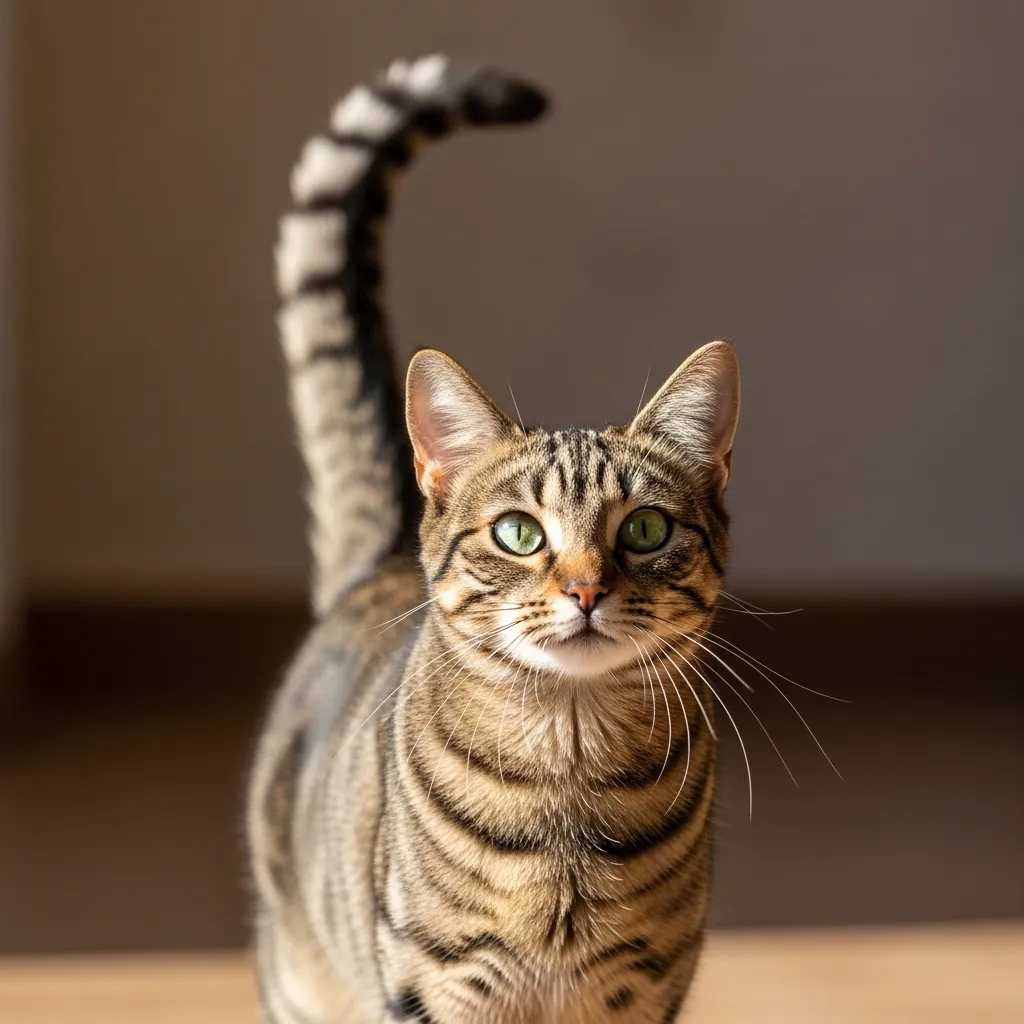
A tail held high like a flagpole is a cat’s version of a confident smile. It shows they are feeling secure, happy, and proud of their territory. Kittens often use this posture when approaching their mother.
When your cat walks toward you with their tail straight up, it’s a clear sign of affection and recognition. They are comfortable and pleased to see you. I always see it as a little “I’m happy you’re here.”
3. The Puffed-Up Tail: “I’m Scared or Threatened!”
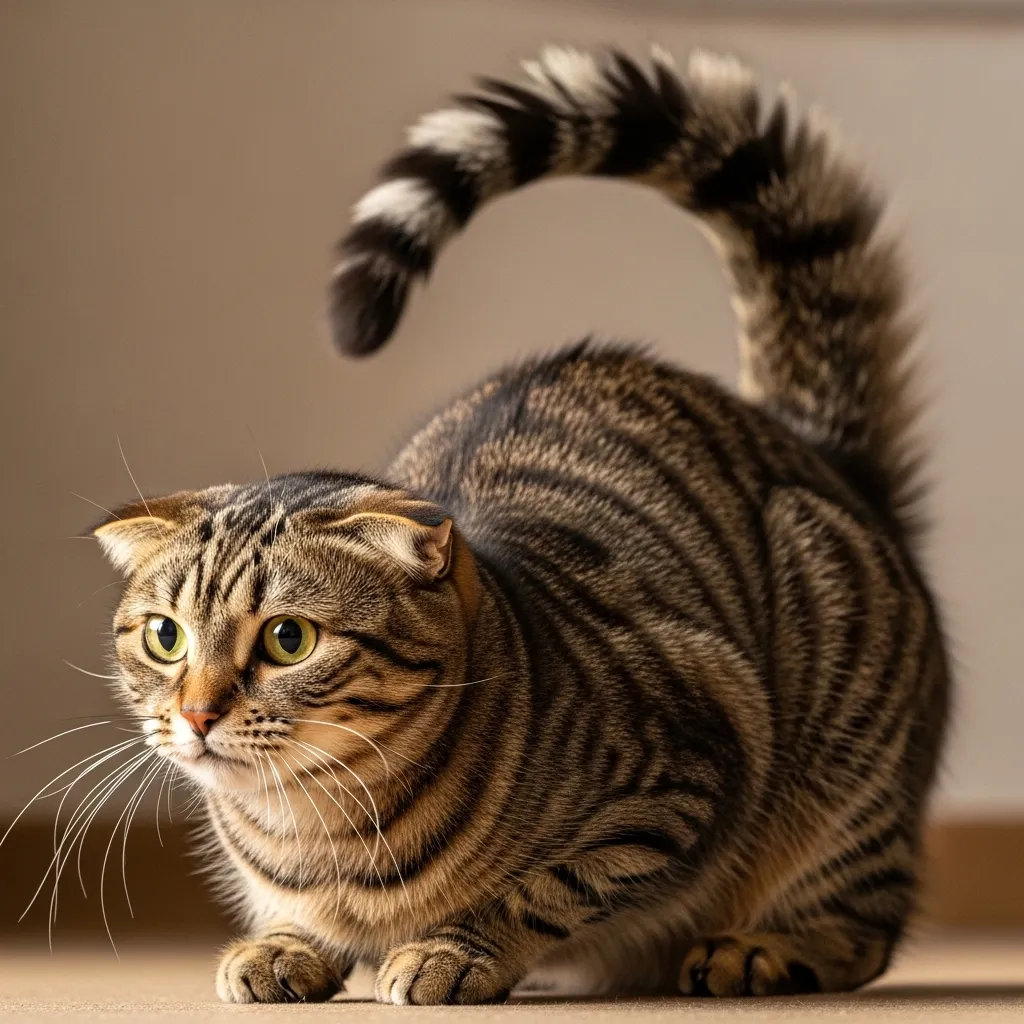
This one is impossible to miss. When a cat’s tail puffs up to twice its size (and their back may arch), they are trying to look bigger to scare off a perceived threat. It’s the classic Halloween cat silhouette.
This signal screams, “Back off!” It’s driven by fear or surprise. The best thing you can do is give your cat space and remove the stressor if possible. Never try to comfort or restrain a cat in this state.
4. The Low, Tucked Tail: “I’m Nervous or Submissive”
A tail held low or tucked tightly between the legs indicates anxiety, fear, or submission. Your cat is feeling insecure and is trying to make themselves less noticeable.
You might see this during a loud thunderstorm, a visit to the vet, or when a more dominant animal is in the house. It’s a sign they need a safe, quiet place to retreat to until they feel secure again.
5. The Twitching Tip: “I’m Focused… or Annoyed”
Watch just the very tip of the tail. A slight, rhythmic twitch usually means intense concentration. You’ll see it when they’re watching a bird out the window, about to pounce on a toy.
However, context is key! If they’re resting and you’re petting them and the tip starts twitching, it can be an early warning that they are becoming overstimulated. It’s their way of saying, “I’m getting a bit annoyed.”
6. The Thrashing Tail: “I’m Very Agitated”
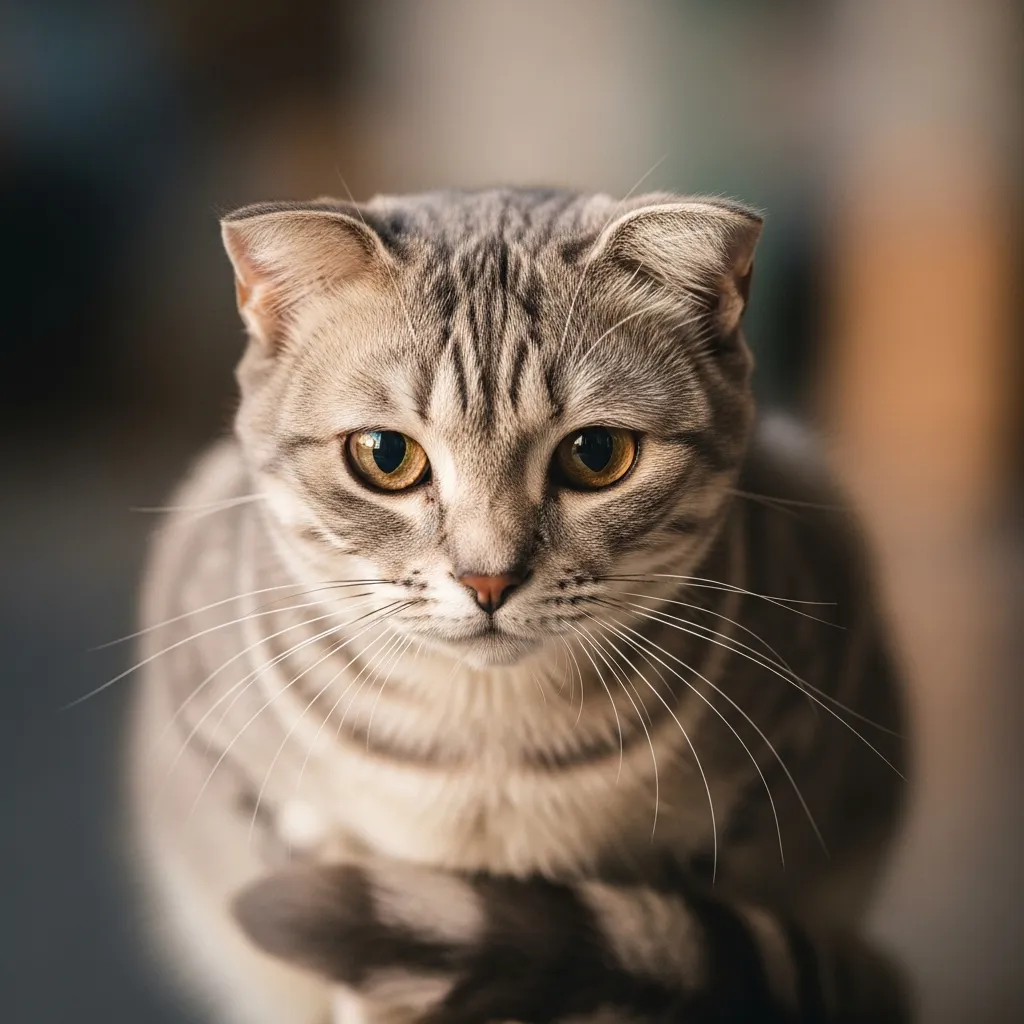
This is a major escalation from the twitch. A tail whipping or thumping forcefully back and forth is a clear sign of high agitation, frustration, or anger. Think of it as a red flag waving.
If you see this while playing or petting, stop immediately. Your cat is telling you they’ve had enough and need a break. Ignoring this sign is a sure way to get a scratch or bite.
7. The Wrapped Tail: “I’m Cozy & Trusting”
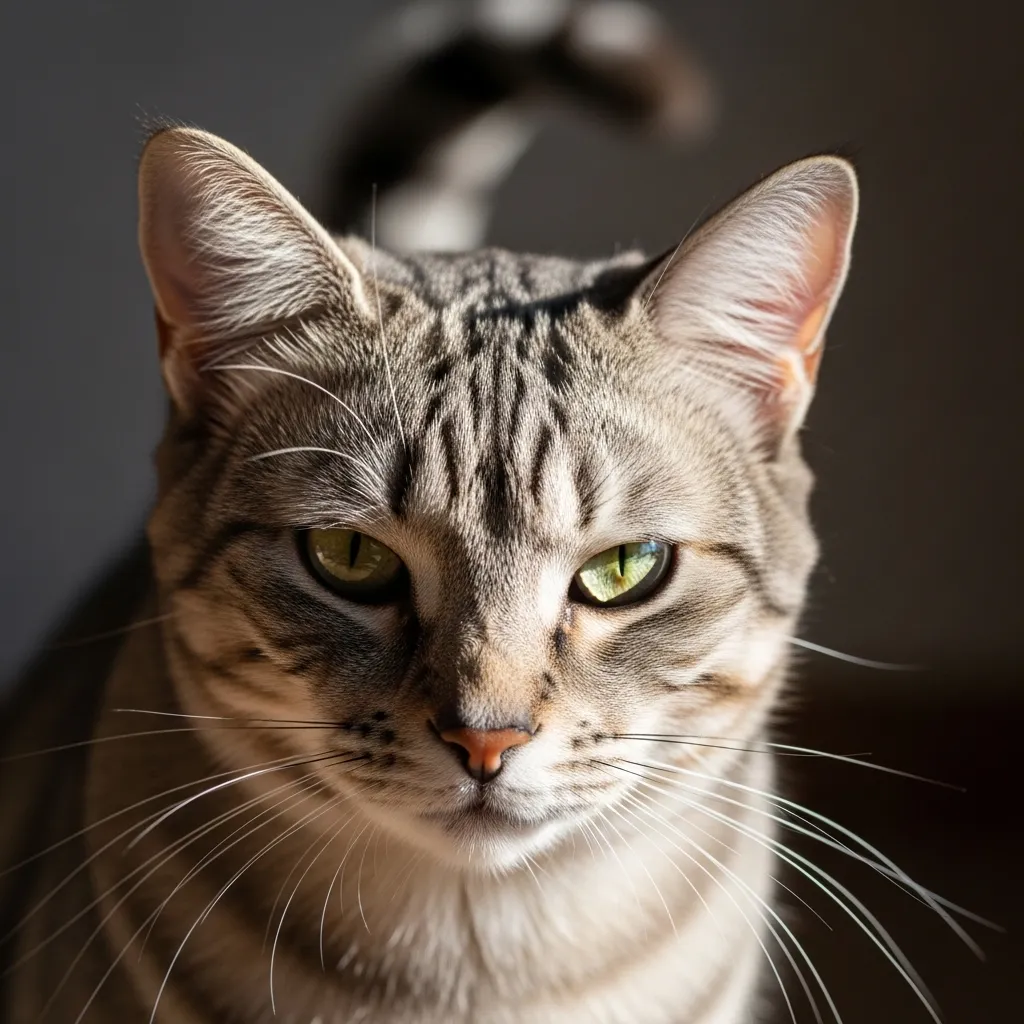
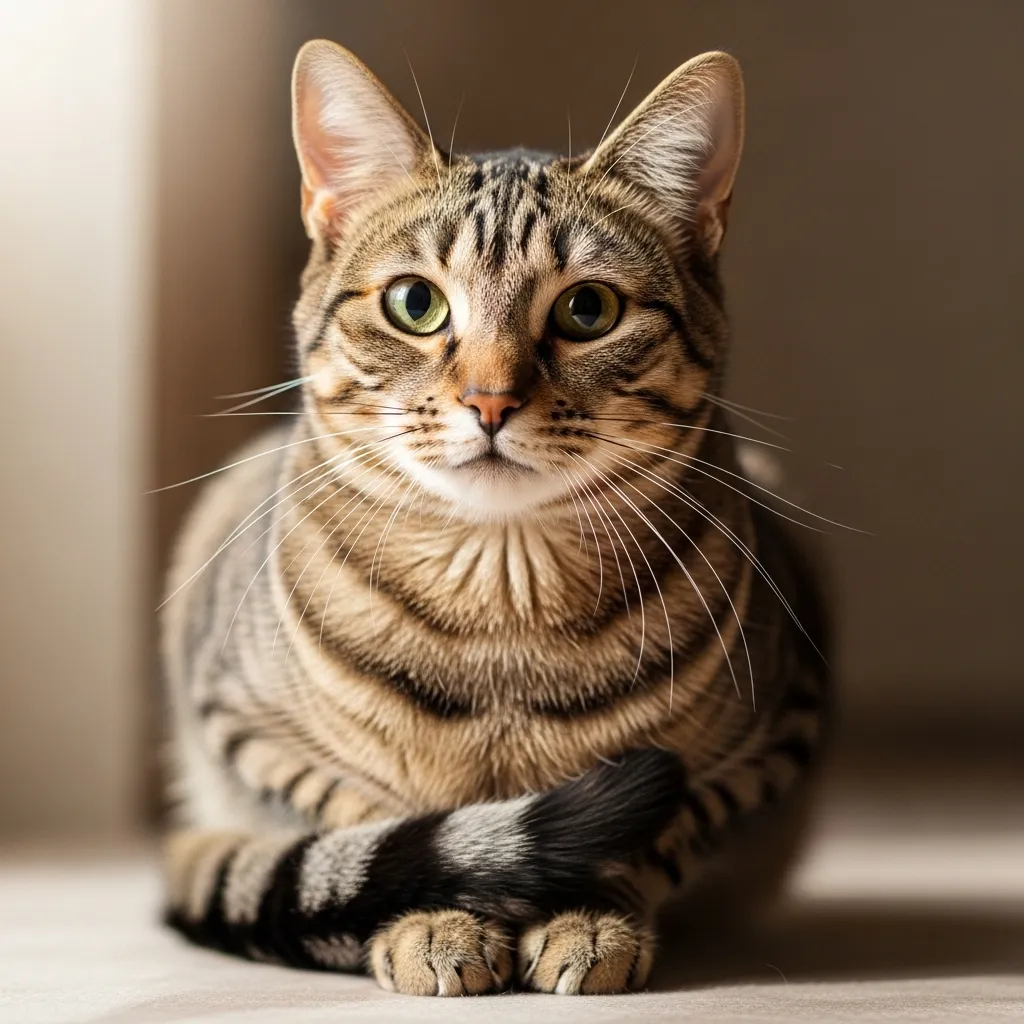
When a cat sits or lies down and wraps their tail neatly around their body, it’s a sign of contentment and self-containment. They feel relaxed and secure in their environment.
Sometimes, a cat will wrap their tail around you or another pet. I consider this the ultimate sign of feline affection and trust—a tail hug! It means they feel completely safe and bonded with you.
8. The Quivering Tail: “I’m Super Excited!”
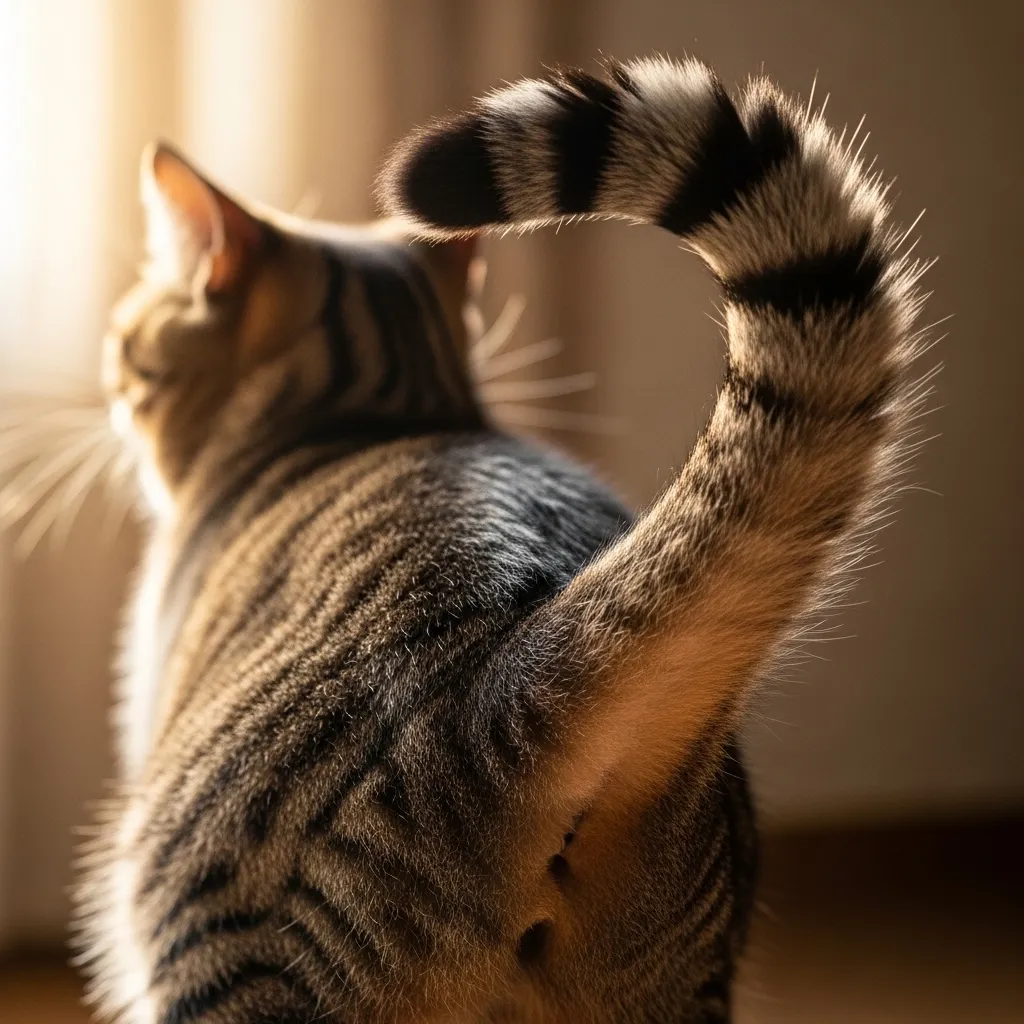
A tail held straight up that quivers or vibrates rapidly is a sign of extreme excitement, usually a happy one. You’ll often see it when you come home after a long day, or right before mealtime.
Some cats also do this when they are scent-marking (they may back up to a vertical surface). In a friendly context, it’s pure joy. My cat does this every single morning when I fill the food bowl.
9. The Lashing Tail While Lying Down: “Proceed with Caution”
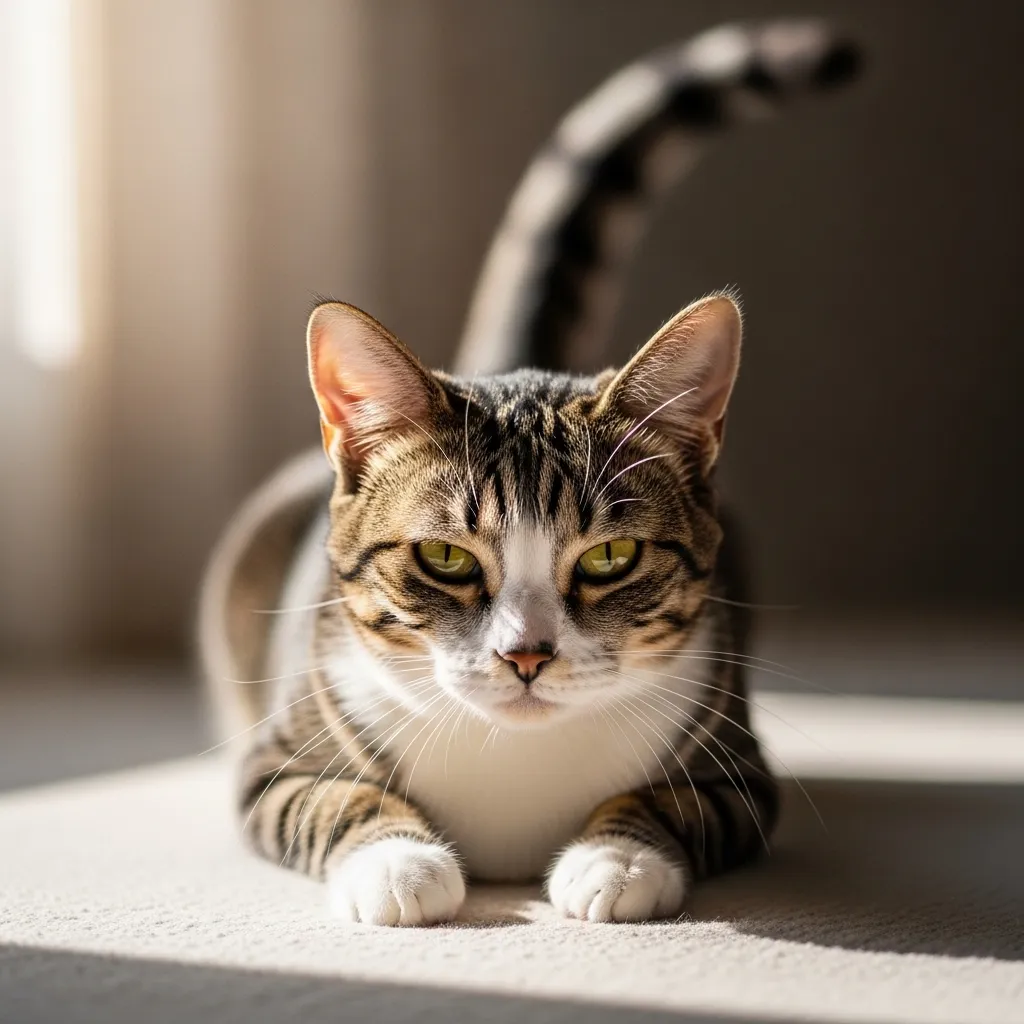
This is a tricky one. Your cat may look relaxed, lying on their side or belly, but their tail is swishing slowly and deliberately. This indicates internal conflict.
They might be relaxed enough to lie down but are still wary of something in the room. It’s a “yellow light” signal. Approach gently or just let them be until the tail movement settles.
10. The Fluffed Base with Low Tail: “I’m on the Hunt”
This is pure predator mode. You’ll see the base of the tail fluffed up slightly, while the rest is held low and may twitch. Their body will be low to the ground. It’s their stalking posture.
They are fully engaged in predatory play or are watching prey. It’s a focused, instinctual behavior. This is the perfect time to engage them with a wand toy to satisfy that natural hunting drive!
Learning these ten tail signals has made me a much more attentive and responsive cat parent. Remember, the tail is just one piece of the puzzle. Always look at their ears, eyes, whiskers, and body posture to get the full story. By paying attention to this silent language, you’ll build a deeper, more trusting bond with your feline friend.
Cat Tail Language FAQ
Q: What does it mean when my cat’s tail shakes like a rattlesnake?
A: That’s the quiver of excitement! It’s usually a very happy greeting, often seen during affectionate moments or when they’re anticipating something great, like food.
Q: Why does my cat wrap her tail around my leg?
A: Consider it a tail-hug! It’s a sign of affection, trust, and claiming you as part of their safe social circle. It’s a huge compliment.
Q: Is a swishing tail always a bad sign?
A: Not always. A slow, gentle swish while lounging might just mean contemplation. But a fast, forceful thrash is a definite sign of irritation. Context is everything.
Q: My cat’s tail is down but not tucked. Is he sad?
A: A tail held in a low, neutral position often just means a calm, relaxed state. It’s not necessarily sadness unless combined with other signs like hiding or lack of appetite.
Q: Should I ever touch my cat’s tail?
A: Most cats are very sensitive about their tails. It’s best to avoid touching or pulling it. Let them guide you—if they brush your hand with their tail, a gentle stroke is usually okay.