11 Tricks to Teach Your Cat (Yes, Really!)
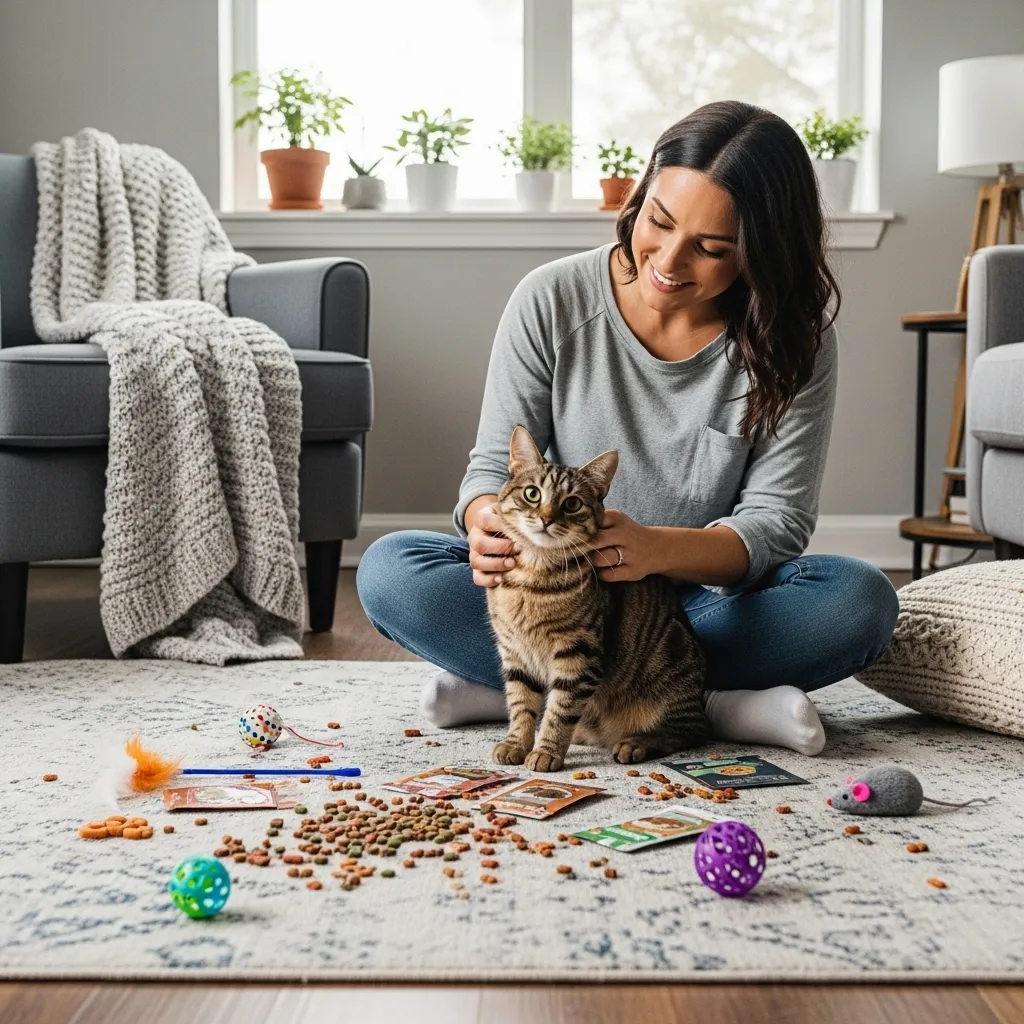
Think cats can’t be trained? Think again. I used to believe my cat, Whiskers, was too independent for tricks. But with a little patience and the right approach, I discovered a whole new side to our bond. Training isn’t about forcing obedience; it’s about fun communication and mental stimulation for your feline friend.
Forget everything you know about dog training. Cats are motivated differently. The secret? Positive reinforcement, tiny training sessions, and irresistible rewards (hello, chicken treats!). It’s a game that builds trust and keeps their clever minds active. Let’s dive into 11 simple tricks you can start teaching today.
1. Master the “Sit” Command
This is the perfect foundation trick. Start by holding a treat near your cat’s nose. Slowly move the treat up and back over their head. As their nose follows the treat, their bottom will naturally lower to the ground.
The moment their rear touches the floor, say “Sit!” clearly and give them the treat. Keep sessions to just 2-3 minutes. Repetition is key, and soon they’ll associate the word with the action for a tasty payoff.
2. Teach a Reliable “Come” When Called
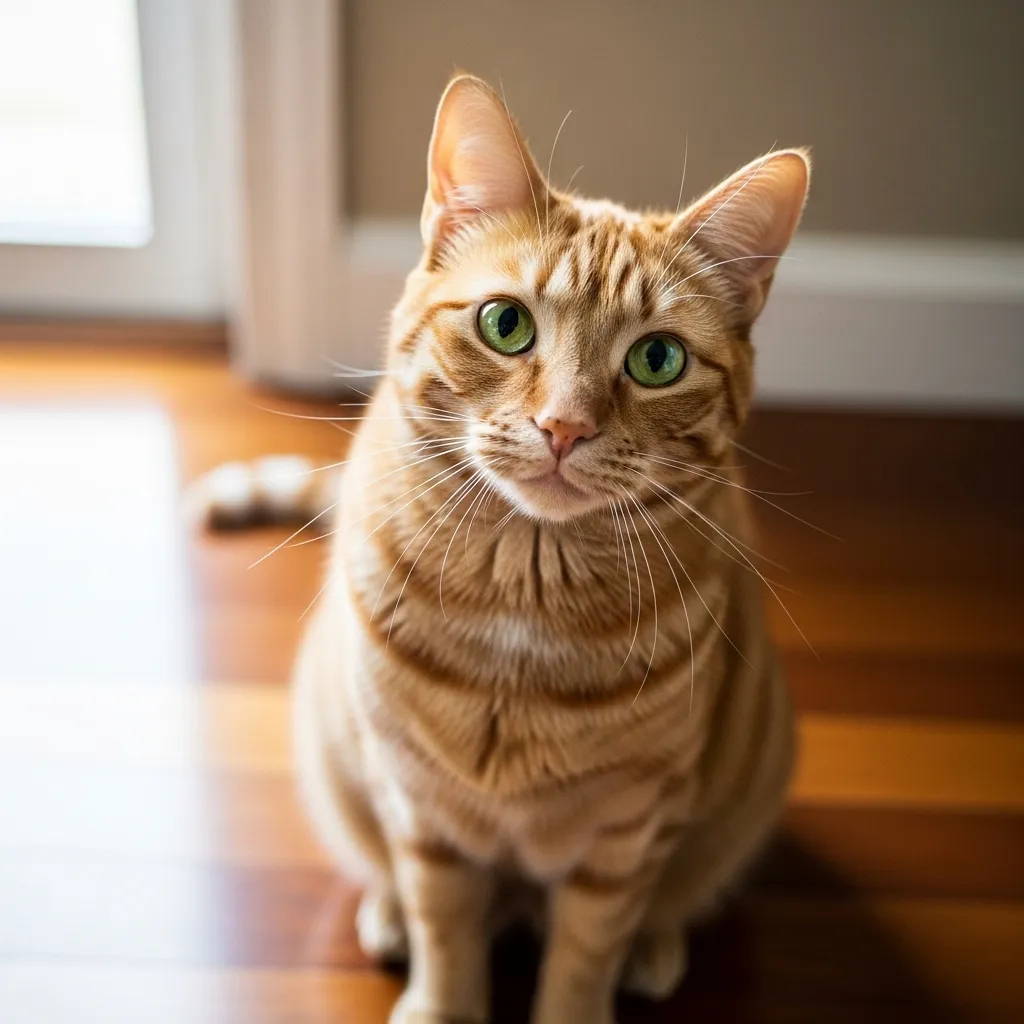
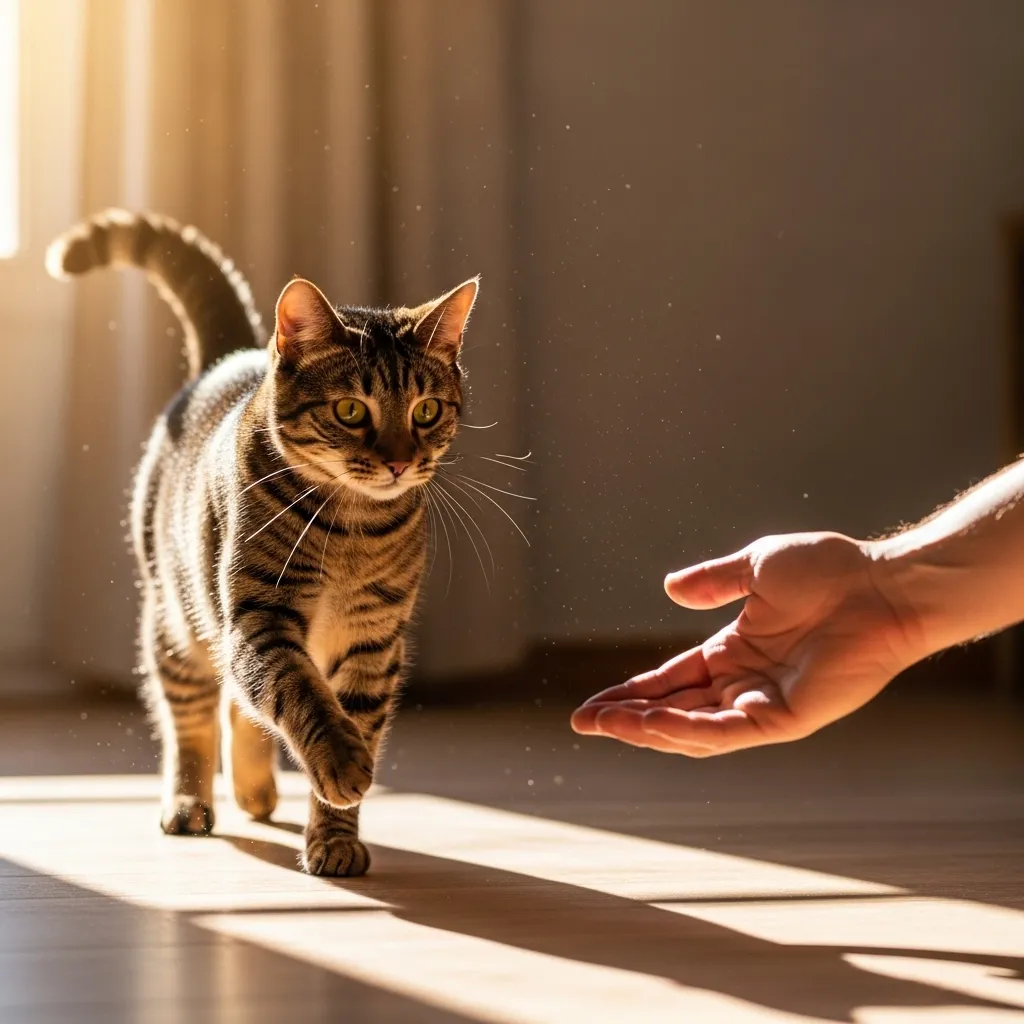
A reliable recall is more than a trick—it’s a safety skill. Begin in a quiet room. Say your cat’s name followed by “Come!” in a happy, excited voice. Shake their treat bag or tap their food bowl.
When they arrive, reward them instantly with praise and a high-value treat. Practice this at random, fun times, not just when it’s time for the vet. You want them to think “coming to you” is the best thing ever.
3. The Classic “High Five”
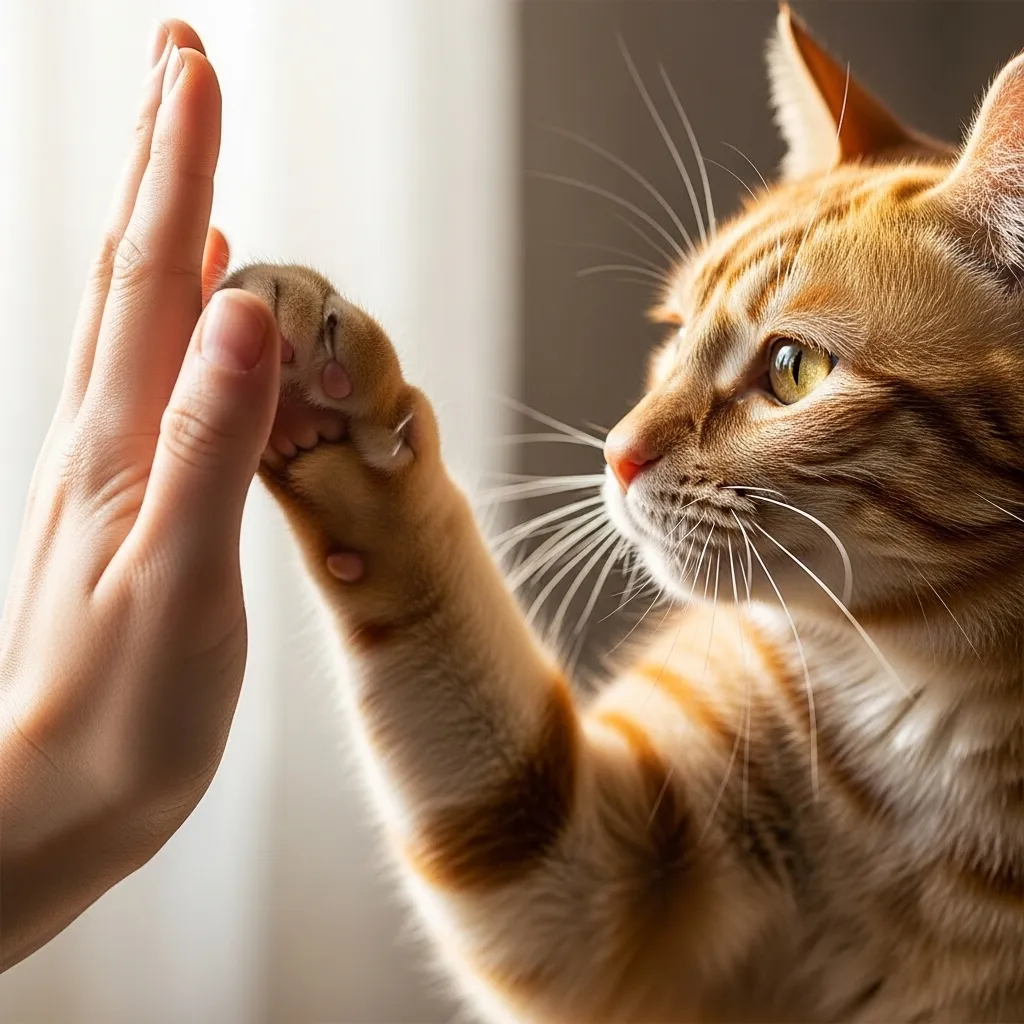
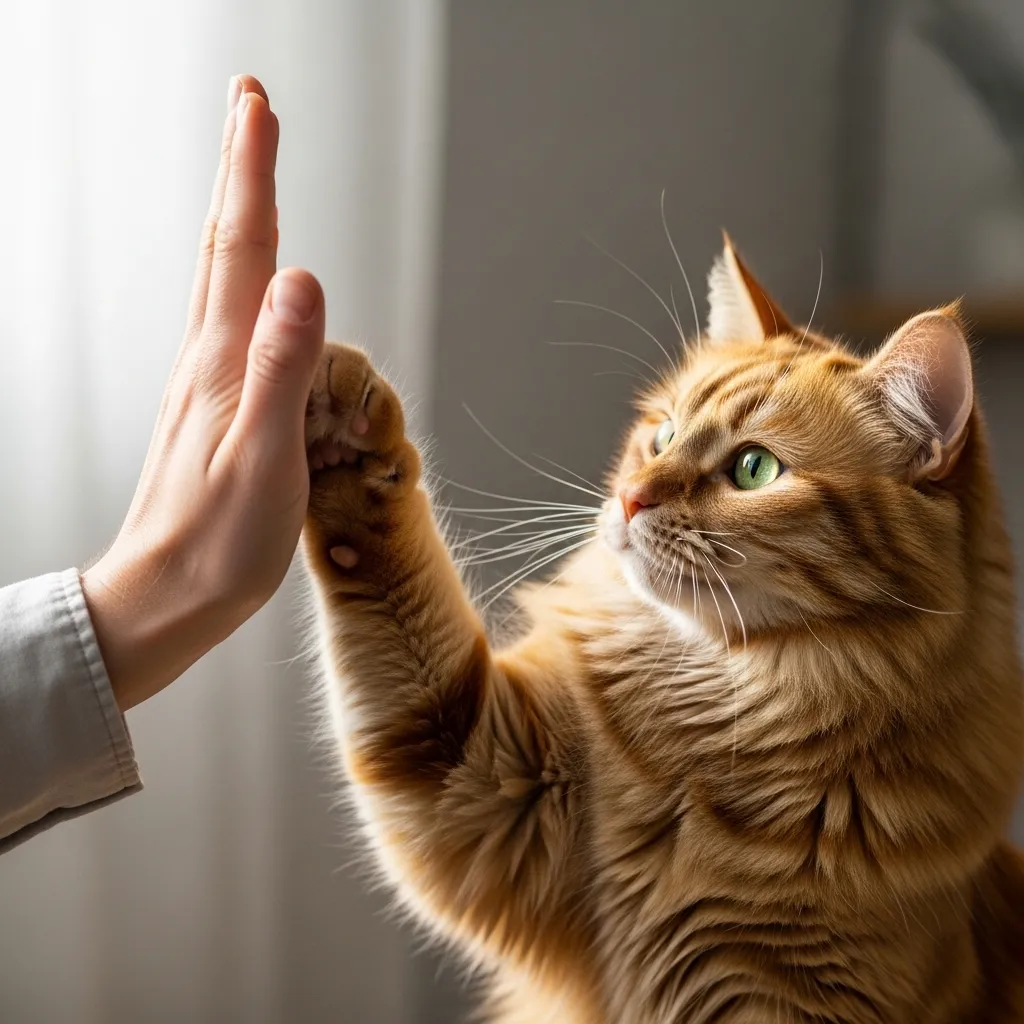
This one is a crowd-pleaser! With your cat sitting, hold a treat in your closed fist just above their paw level. Most cats will naturally paw at your hand to try and get it.
The instant their paw touches your hand, say “High five!” and open your fist to give them the treat. Gradually shape the behavior by presenting your open palm instead of a fist. It’s a adorable way to greet your furry pal.
4. Spin in a Circle
This trick uses their natural curiosity. Hold a treat near their nose and slowly lure them in a full circle. Keep the treat close so they follow it all the way around.
As they complete the spin, say “Spin!” and reward them. Practice in both directions. It’s a great way to burn a little energy and looks incredibly cute.
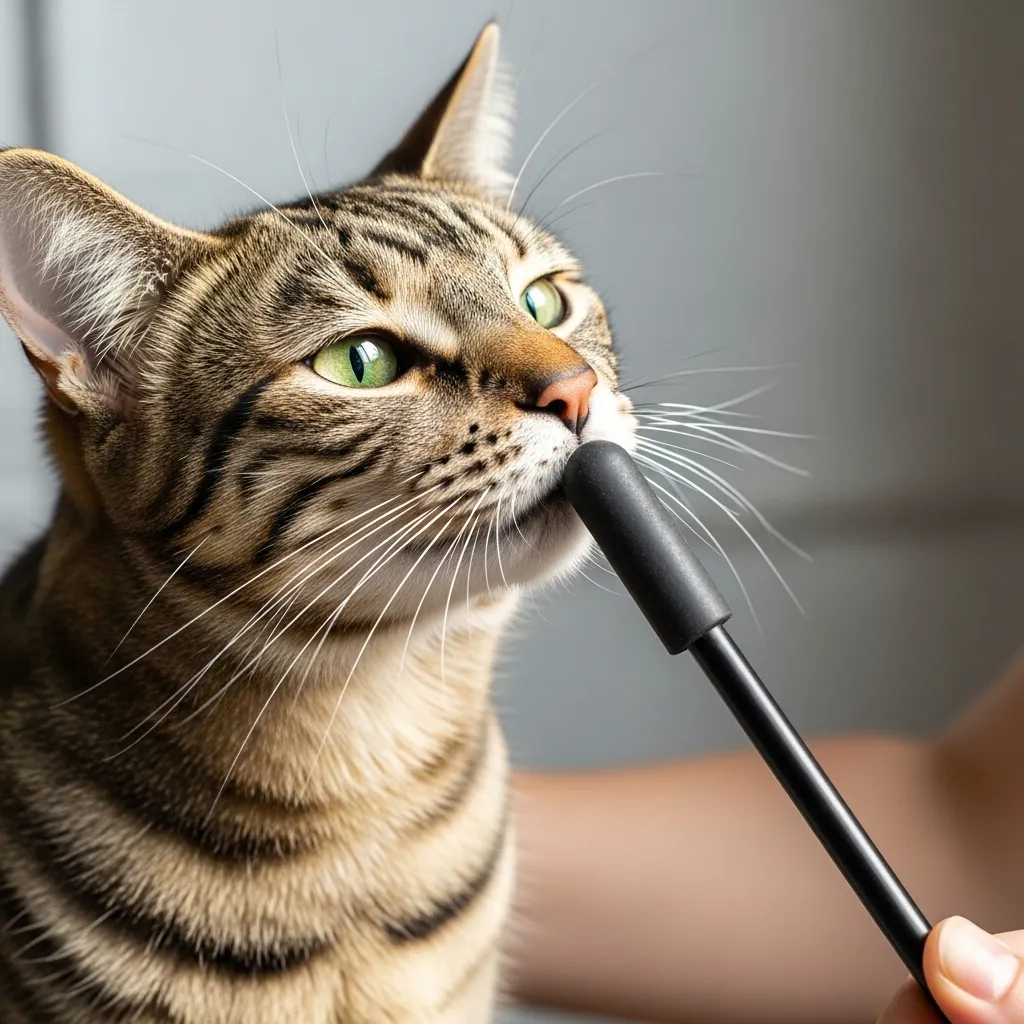
5. Target Training with a Stick
Targeting is a versatile skill. Use a chopstick or a pen. Present the tip of the stick to your cat. When they sniff or touch it with their nose, click (if you use a clicker) or say “Yes!” and give a treat.
Once they reliably touch it, you can use the target stick to guide them onto scales, into carriers, or over jumps. It gives them a clear point to focus on.
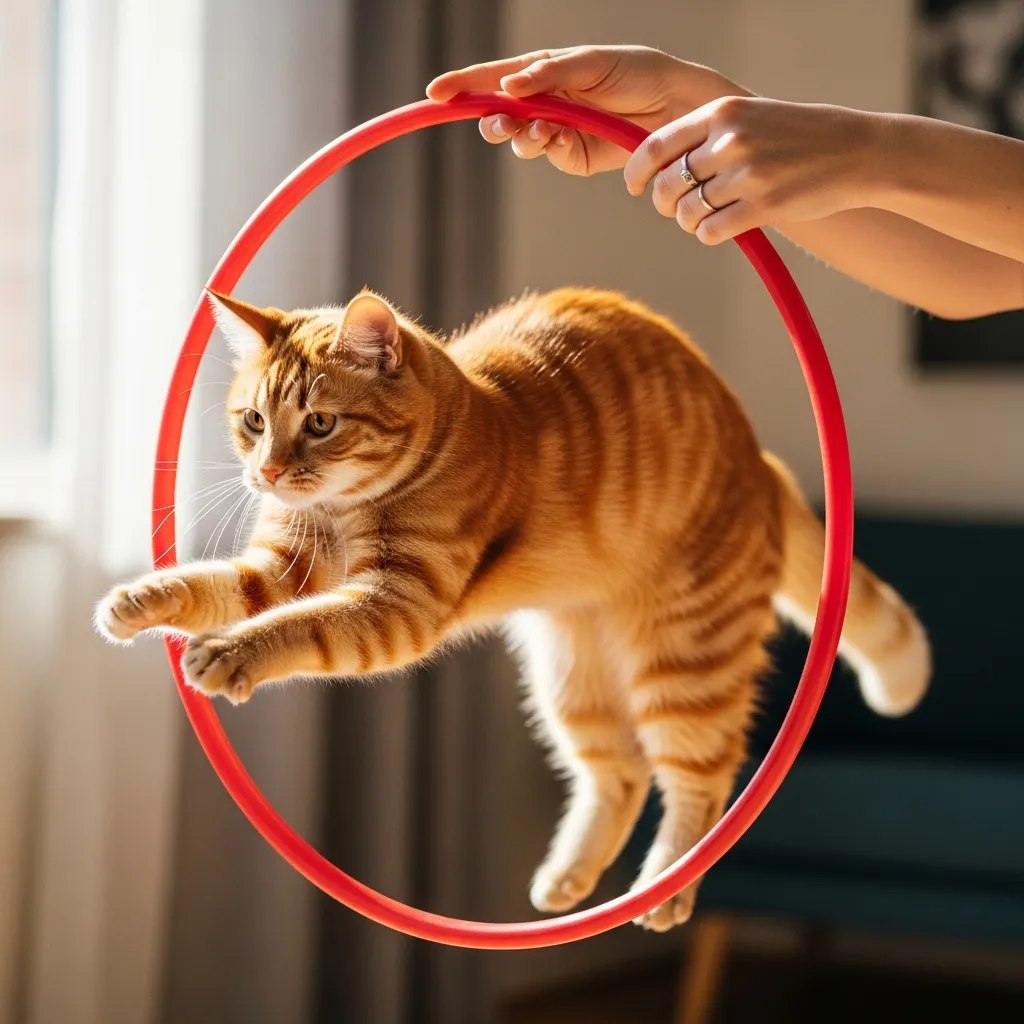
6. Jump Through a Hoop
Start with the hoop (or even your arms making a circle) on the ground. Use a target stick or a treat to lure your cat to walk through it. Reward immediately.
Gradually raise the hoop an inch at a time, only rewarding when they step or jump through. Never force them. This builds confidence and is a fantastic physical trick.
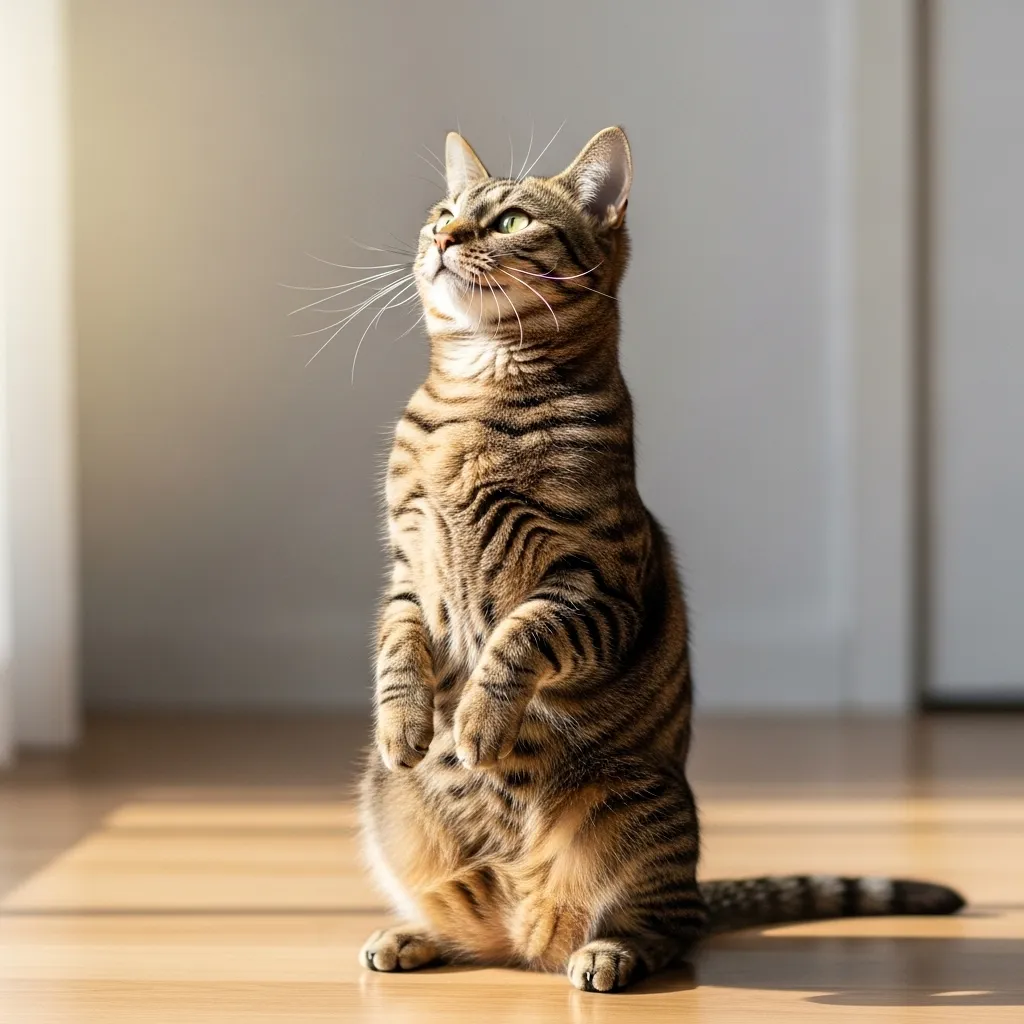
7. “Sit Pretty” or Beg
For cats who already sit reliably, hold a treat above their head and say “Pretty!” or “Beg.” They will likely lift their front paws off the ground to reach for it.
Reward even a slight lift at first. Gradually wait for them to hold the position for a second before giving the treat. This one requires good core strength, so keep it brief.
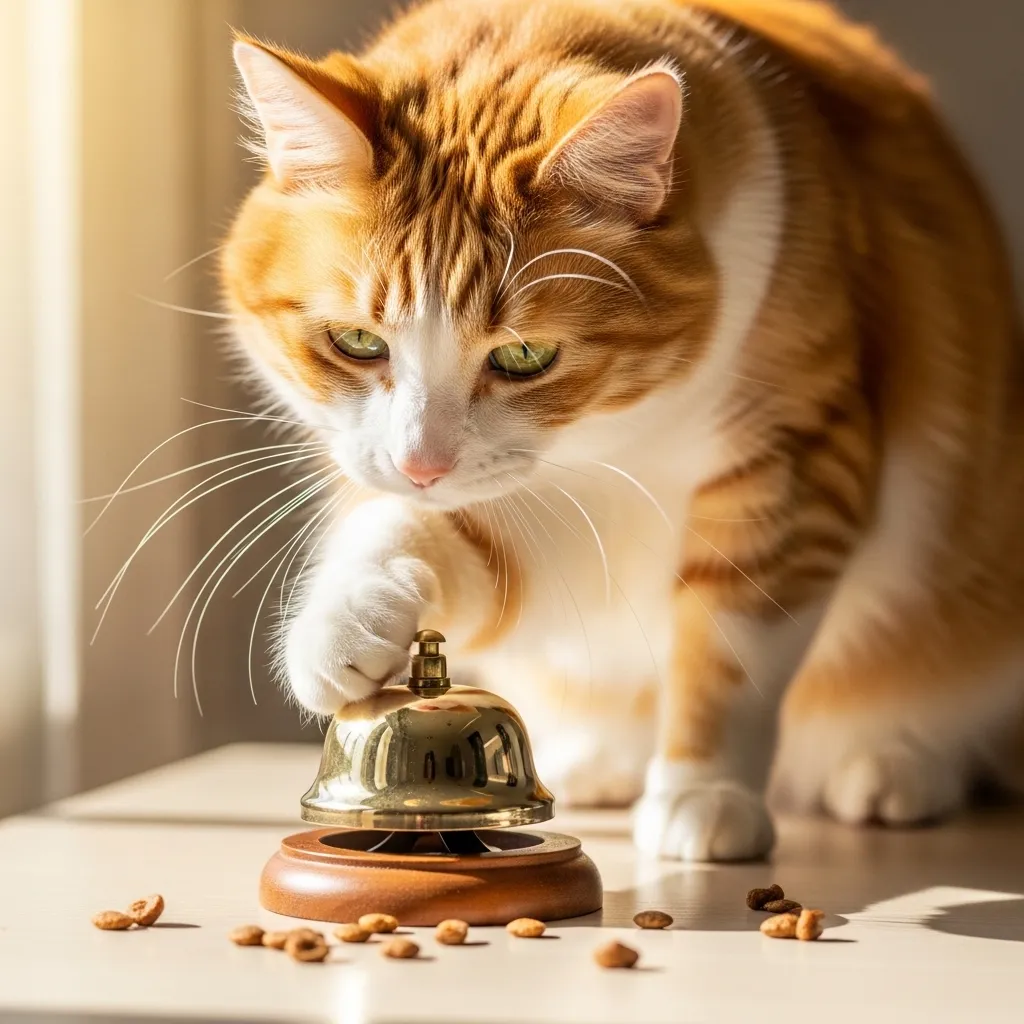
8. Ring a Bell for Treats
Place a small bell on the floor. Every time your cat investigates it and causes it to make a sound, reward them with a treat. You can gently tap it to demonstrate.
Once they understand that touching the bell makes a noise that earns a reward, you can hang it on a string. Some cats even learn to ring it to ask for things!
9. Go to a Mat or Bed
This is a wonderful calming trick. Place a specific mat or bed on the floor. Toss a treat onto it. When your cat steps on it to get the treat, say “Go to your mat.”
Practice from short distances, rewarding them for staying on it. This creates a designated “settle” spot, useful for guests or mealtimes.
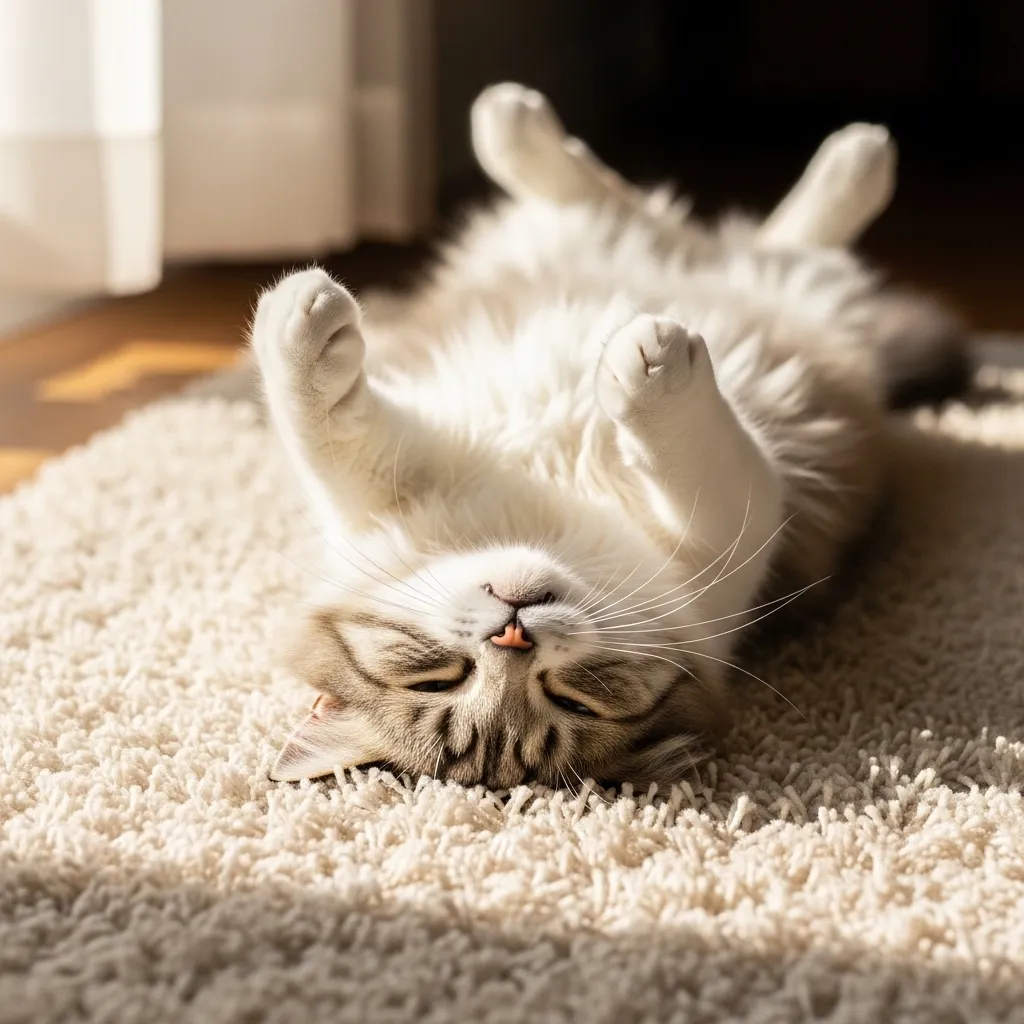
10. Play “Dead” or Roll Over
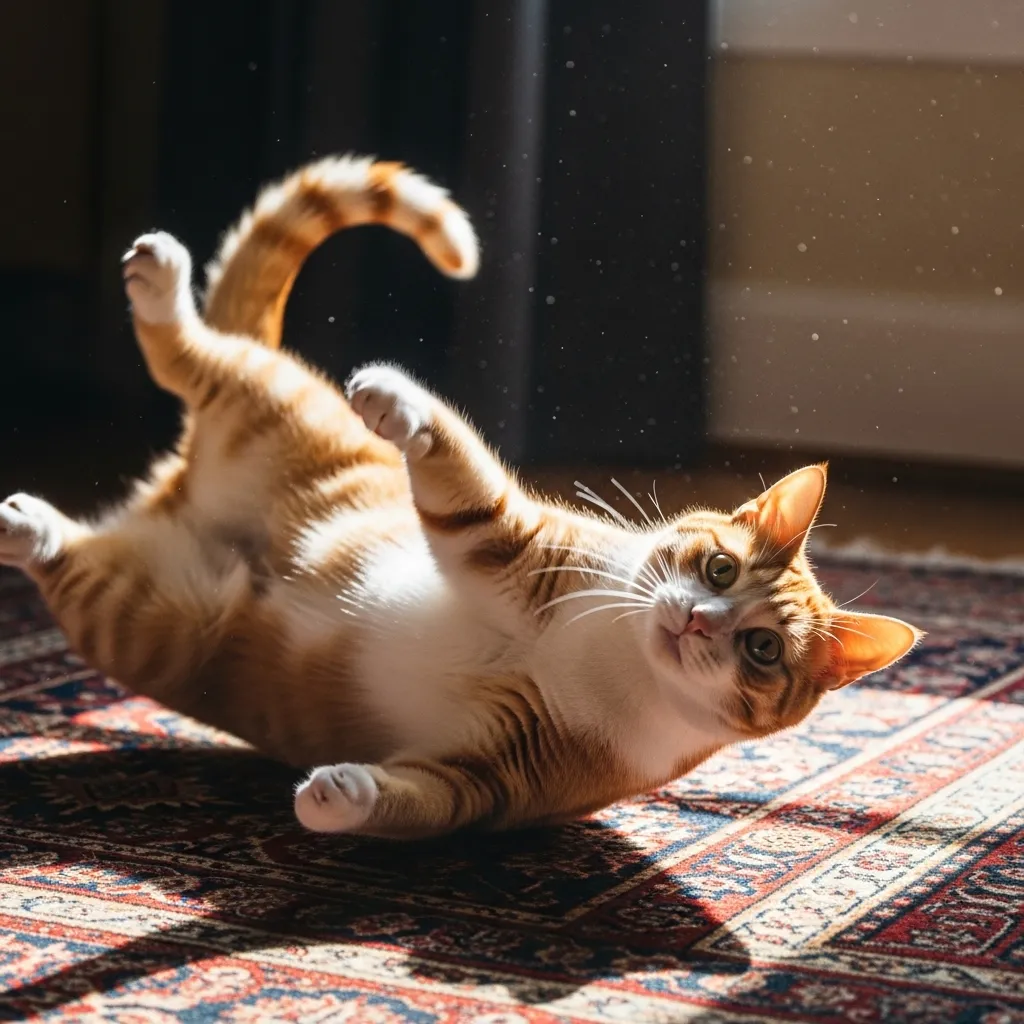
Start with your cat lying down. Hold a treat near their shoulder and slowly move it towards their spine, encouraging them to roll onto their side to follow it.
Mark and reward any small roll. Shape the behavior slowly into a full roll. Pair it with a cue like “Bang!” or “Roll over.” It’s a playful, advanced trick that requires trust.
11. Fetch Like a Pro
Many cats naturally chase and carry small toys. When your cat bats a toy, like a crinkle ball, toss it a short distance. If they chase it, praise them enthusiastically.
The key is when they pick it up or bring it near you. Immediately reward with a treat or a favorite game. They’ll learn that the “return” part of the chase is the most rewarding.
Your Training Toolkit for Success
Remember, every cat learns at their own pace. Keep these tips in mind: use tiny, soft treats they love; train before meals when they’re motivated; end every session on a positive note; and never punish—simply ignore unwanted behavior. Most importantly, have fun! These moments of connection are the real reward.
Cat Training FAQ
Q: My cat isn’t food motivated. What do I do?
A: Try different rewards! Some cats go wild for a lick of tuna, a bit of chicken baby food, or even a dedicated play session with their favorite wand toy.
Q: How long should a training session be?
A> Super short! Aim for 2-5 minutes, max. It’s better to do multiple mini-sessions a day than one long, frustrating one. Stop before your cat loses interest.
Q: What age should I start training my cat?
A> You can start with simple targeting as a kitten, but cats of any age can learn. Older cats might be slower but are often more focused. Just adjust to their energy level.
Q: My cat just walks away. Is it hopeless?
A> Not at all. It means the session was too long, the reward wasn’t valuable enough, or they’re distracted. Try again later in a quieter environment with a “higher value” treat.
Q: Do I need a clicker?
A> A clicker is a fantastic tool for precise timing, but it’s not mandatory. A consistent, sharp word like “Yes!” can work just as well as a marker to tell your cat “That’s exactly what I wanted!”