10 Dog Breeds That Live Long: Tiny Paws, Big Years

Let’s be real for a second. If you’re like me, you’ve probably looked at your dog and thought, “Please don’t ever leave.” I’ve had that exact moment—sitting on the floor, a warm nose nudging my hand, and a sudden wave of sadness hitting me. The good news? Some breeds are practically built to stick around for the long haul. We’re talking senior dog status, gray muzzles, and all the gentle, slow walks you can imagine.
I’ve done the digging (and the cuddling) over the years. I’ve watched little legends turn 15, 16, even 18 years old while still demanding their morning treat. So, if you want a partner in crime for the next decade and a half (or more), these ten breeds are your best bet. They’re small, sturdy, and full of stubborn love.
1. Chihuahua: The Tiny Titan
Chihuahuas are basically the Energizer bunnies of the dog world. I once met a 17-year-old Chihuahua named Taco who still growled at the mailman with impressive gusto. These little guys are tough, lightweight, and rarely have the massive joint issues that plague bigger dogs.
Their secret? A small body means less stress on their bones. Plus, they’re fiercely attached to their humans, which keeps them mentally sharp. If you take care of their teeth (yes, tiny dog teeth are a chore), they can easily hit 15 to 18 years.
- Lifespan: 14–18 years
- Watch for: Dental problems, patellar luxation
- Best for: Apartment living, constant lap time

2. Dachshund: The Long-Bodied Legend
Dachshunds have a stubborn streak that honestly helps them live longer. They’re determined little creatures who know what they want. I’ve seen a 16-year-old wiener dog still digging under the fence—with one eye! Their playful spirit keeps them young.
But here’s the catch: that long spine is fragile. You have to keep them lean. No jumping off the couch, no stairs if you can help it. A healthy, well-cared-for Dachshund can easily sail past 15 years. They’re loyal, a little bossy, and absolutely worth the extra ramp purchases.
- Lifespan: 12–16 years (often longer)
- Watch for: Intervertebral disc disease (IVDD)
- Best for: Families who understand “no jumping”

3. Toy Poodle: The Brainy Breed
Poodles are smart—like, scary smart. And that intelligence keeps them engaged with life. I’ve read stories of Toy Poodles living to 18 and still learning new tricks. They don’t just sit around; they want puzzles, games, and a bit of drama (they’re dramatic little things, but in a charming way).
Their curly coats are also a bonus: they shed very little, which means fewer allergens and cleaner homes. But don’t let the fancy haircut fool you. These dogs are hardy. With proper vet care and a healthy diet, your Toy Poodle could be your best friend for nearly two decades.
- Lifespan: 14–18 years
- Watch for: Luxating patella, eye issues
- Best for: People who love training and grooming

4. Jack Russell Terrier: The Firecracker
Jack Russells are basically a bundle of energy wrapped in fur. I honestly think they’d live forever if they could. A friend of mine had one that chased squirrels until age 16. They have this insane will to keep moving, which is honestly the secret to their longevity.
The downside? They need exercise—like, real exercise. Not just a walk to the mailbox. A bored Jack Russell will redecorate your house with chewed-up pillows. But if you keep them active, they’re healthy, happy, and can easily reach 15 or 16 years. They’re not for the lazy, but they’re for the adventurous.
- Lifespan: 13–16 years
- Watch for: Deafness, eye problems
- Best for: Active singles, runners

5. Shih Tzu: The Royal Fluffball
Shih Tzus were bred to be lap dogs for Chinese royalty, and they take that job very seriously. They’re calm, affectionate, and surprisingly sturdy. I’ve seen many Shih Tzus hit 16 or 17 years old, still demanding belly rubs and snoring like little old men.
Their flat faces can cause breathing issues, so keep them cool and at a healthy weight. But honestly? They’re low-energy, which means less wear and tear on their bodies. They just want to be near you. That easygoing lifestyle helps them live long, peaceful lives.
- Lifespan: 13–16 years (often longer)
- Watch for: Brachycephalic airway syndrome
- Best for: Apartment dwellers, seniors

6. Lhasa Apso: The Ancient Guardian
Lhasa Apsos are old souls. They come from Tibet, where they guarded monasteries for centuries. They have this calm, wise energy that makes you feel like they know something you don’t. And they live forever. I’ve met a 17-year-old Lhasa who still acted like the boss of the house.
They’re independent and a little aloof, but that self-reliance makes them resilient. They don’t get anxious easily, which is good for their heart health. Plus, they’re small and sturdy. Give them good food, regular grooming, and respect their personal space, and they’ll be with you for a very long time.
- Lifespan: 14–16 years
- Watch for: Kidney issues, eye problems
- Best for: People who want a dignified, low-key dog

7. Beagle: The Happy Nose
Beagles are built for sniffing, eating, and loving. They’re medium-sized but tough as nails. I’ve heard of Beagles living to 15 or 16 years old, still following their nose through the park. Their joyful, curious nature actually keeps them young—they never stop exploring.
The key is weight management. Beagles love food more than anything, and a chubby Beagle is a short-lived Beagle. Keep them lean, give them plenty of walks (they need the exercise), and watch out for ear infections. A fit Beagle is a long-living Beagle.
- Lifespan: 12–15 years
- Watch for: Obesity, ear infections
- Best for: Families, active households

8. Pomeranian: The Fluffy Dynamo
Pomeranians are like little lions with a big attitude. They’re tiny, but they have huge personalities. I know a Pom who turned 18 last year and still demands to be carried up the stairs (spoiled? yes. worth it? absolutely). Their small size is their superpower for longevity.
They can be prone to collapsed tracheas and dental issues, so gentle handling and tooth brushing are non-negotiable. But if you treat them like the delicate royalty they think they are, they’ll reward you with years of spunky, fluffy companionship. They’re basically a living stuffed animal that lives forever.
- Lifespan: 14–16 years (many hit 18)
- Watch for: Tracheal collapse, dental decay
- Best for: Patient, gentle owners

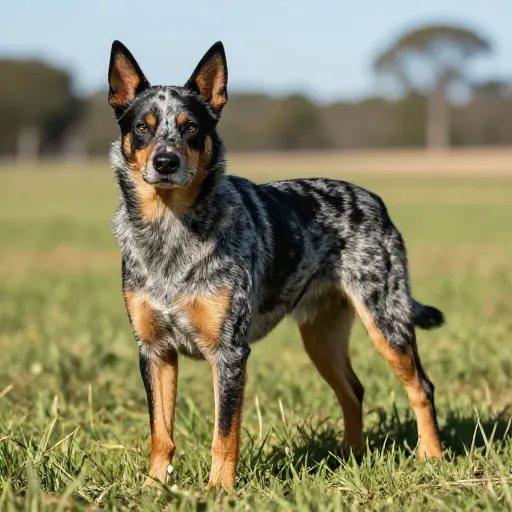
9. Australian Cattle Dog: The Blue Heeler Wonder
This is the exception to the “small dogs live longest” rule. Australian Cattle Dogs are medium-sized, but they are tough. Like, rodeo-tough. The oldest dog ever recorded was a Blue Heeler named Bluey who lived to 29 years. I’m not joking. 29!
These dogs are working machines. They need a job, they need exercise, and they need mental stimulation. They’re not couch potatoes. But if you give them purpose, they will thrive for 15, 16, sometimes even 18 years. They’re loyal, protective, and have a will to live that puts us all to shame.
- Lifespan: 13–16 years (often longer)
- Watch for: Hip dysplasia, deafness
- Best for: Active, experienced owners
10. Maltese: The Gentle Survivor
Maltese dogs are tiny, white, and look like they’d break in a stiff breeze. But I promise you, they are surprisingly tough. I’ve met Maltese dogs at 16 years old, still prancing around like puppies. They have this delicate beauty but a sturdy little body.
They don’t need a ton of exercise—just a daily walk and lots of cuddles. Their main enemy is dental disease, which can shorten their lives. Brush those tiny teeth, keep them clean, and they’ll happily sit in your lap for 15 years or more. They’re the ultimate companion for quiet, loving homes.
- Lifespan: 14–16 years (some hit 18)
- Watch for: Dental problems, tear staining
- Best for: Seniors, apartment dwellers

Final Thoughts: It’s About the Love
Okay, I’ll be honest. No matter how long a dog lives, it never feels long enough. I’ve said goodbye to a few over the years, and it’s always heartbreaking. But the joy they pack into those years? That’s what matters. Whether you pick a Chihuahua or a Cattle Dog, the secret to a long life is simple: good food, regular vet visits, a healthy weight, and tons of love.
Don’t obsess over the numbers. Just enjoy every sloppy kiss, every stolen sock, every nap on the couch. That’s the real longevity.
FAQ: Quick Answers About Long-Living Dogs
Q1: Do small dogs really live longer than big dogs?
Yes, generally speaking. Smaller breeds have less stress on their joints and organs, and they often have fewer age-related diseases. But there are exceptions, like the Australian Cattle Dog.
Q2: How can I help my dog live longer?
Keep them at a healthy weight. That’s the number one thing. Also, regular vet checkups, good dental care, and mental stimulation. A bored dog is not a healthy dog.
Q3: What’s the absolute longest a dog has lived?
The record is held by an Australian Cattle Dog named Bluey, who lived to 29 years and 5 months. That’s rare, but it shows genetics and care matter a lot.
Q4: Do mixed-breed dogs live longer than purebreds?
Often, yes. Mixed breeds have hybrid vigor, meaning they’re less likely to inherit specific genetic diseases. But a healthy purebred from a good breeder can also live a long life.
Q5: Is it true that spaying/neutering helps dogs live longer?
It can. It reduces the risk of certain cancers and infections. But talk to your vet about the best timing for your specific breed. It’s not a one-size-fits-all decision.
[[IMG:IMG12]]