10 Super Safe Fruits and Veggies Your Dog Will Absolutely Love (Vet-Approved List)
You know that feeling when you’re chopping up a crisp apple or steaming some green beans, and your furry best friend is giving you those big, hopeful puppy eyes from the floor? It’s so hard to resist sharing, right? The good news is, you don’t have to feel guilty about slipping them a bite every now and then.
Feeding your dog fresh produce is one of the simplest ways to boost their health with natural vitamins, fiber, and hydration. But I know the worry all too well—you hear scary stories about grapes and onions, and suddenly you’re second-guessing everything. I’ve been there, frantically googling at 7 PM before giving my pup a single blueberry!
So, let’s clear up the confusion. I’ve put together a super simple, totally safe list of fruits and veggies that are not only safe but genuinely good for your dog. We’ll cover how to prep them and why they’re awesome. Let’s get to the good stuff!
1. Crunchy, Sweet Apples (A Perfect Anytime Snack)
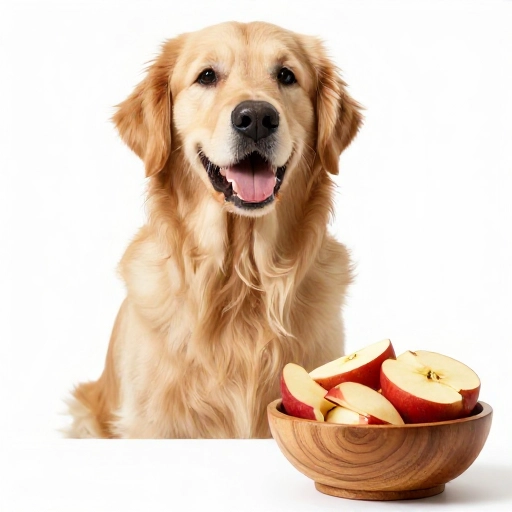
Apples are a fantastic source of vitamins A and C, plus they’re low in protein and fat, making them a great treat for senior dogs. The crunch also helps clean teeth and freshen breath in a natural way!
Just remember, the seeds contain cyanide, which is a big no-no. Always remove the core and seeds before slicing them up. Cut them into small, bite-sized wedges so your pup doesn’t choke.
- Great for: A low-calorie crunch fix.
- Skip the core and seeds, always.
- Perfect frozen treat in the summer!
2. The Ultimate Hydration Hero: Cucumbers
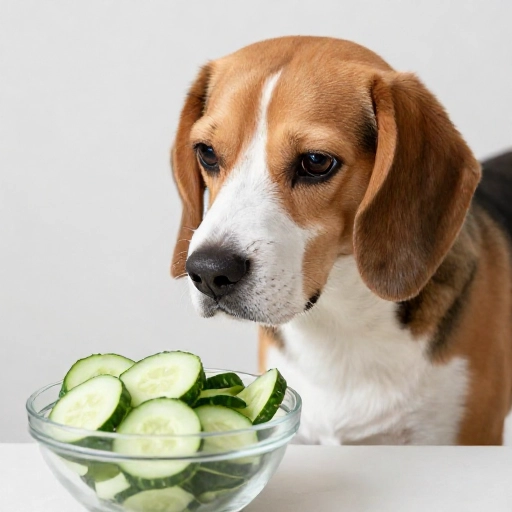
If your dog loves to munch but you’re watching their waistline, cucumbers are your best friend. They contain almost zero calories, fats, or carbs, but they are packed with water. They’re basically a hydrating salad for your pup!
I love giving my dog these on hot days. The crunch is super satisfying for them, and it helps them stay cool and hydrated without adding any extra pounds to their frame.
Just wash them well and slice into rounds or sticks. No need to peel them unless the skin seems too tough for a small dog.
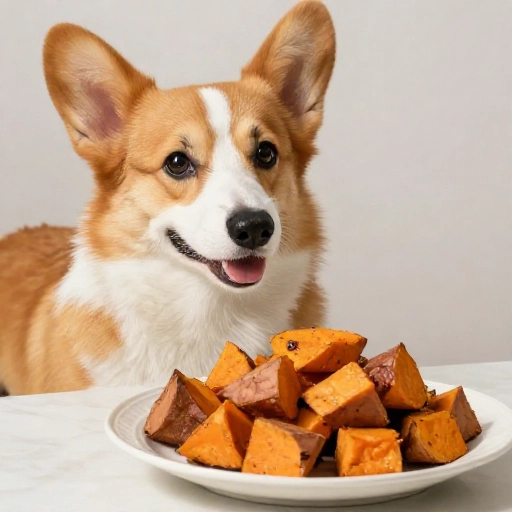
3. Sweet Potato Power (Great for Digestion)
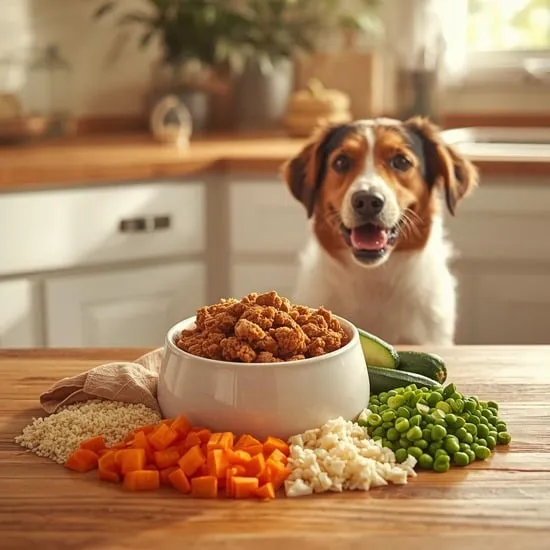
Sweet potatoes are a powerhouse of dietary fiber, which is fantastic for your dog’s digestive system. They also contain vitamin B6, vitamin C, and manganese. They are the secret ingredient in so many high-quality dog foods for a reason.
Always serve them cooked. Never feed your dog raw sweet potato, as it can cause stomach upset. Boiling, steaming, or baking them without any salt, butter, or spices is the way to go.
- Slice them thin and dehydrate them for a chewy jerky-like treat.
- Mash them up and stuff them in a Kong toy for a fun challenge.
- Start with small amounts to avoid any gassy side effects!
4. Blueberries: Tiny but Mighty Antioxidants
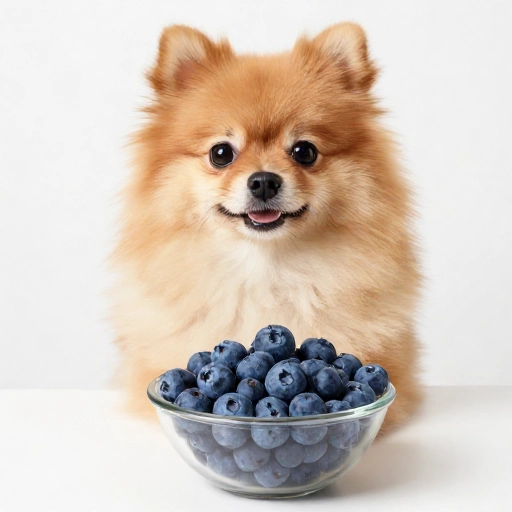
These little blue gems are loaded with antioxidants, which help fight off cell damage and support a healthy immune system. They are also packed with fiber and phytochemicals. Plus, they’re naturally sweet, so dogs usually go wild for them!
They are small, so they don’t need much chopping, but for tiny breeds, you might want to cut them in half to prevent any choking hazards. Frozen blueberries are an amazing, messy-free treat on a hot day.
Whenever I drop a blueberry on the floor, it disappears faster than I can blink. Safe, healthy, and delicious—a total win-win.
5. Green Beans: The Guilt-Free Crunch
Green beans are another amazing low-calorie option. They are full of important vitamins like A, C, and K, as well as fiber and folic acid. Many vets recommend them for overweight dogs because they add bulk to meals without the calories.
You can serve them raw, steamed, or canned—just make sure they are plain with no added salt. I personally love steaming them until they are tender-crisp so they are easier to digest.
They are the perfect “filler” snack if your dog acts like they’re starving between meals (you know the look!).

6. Carrots: The Classic Dental Chew
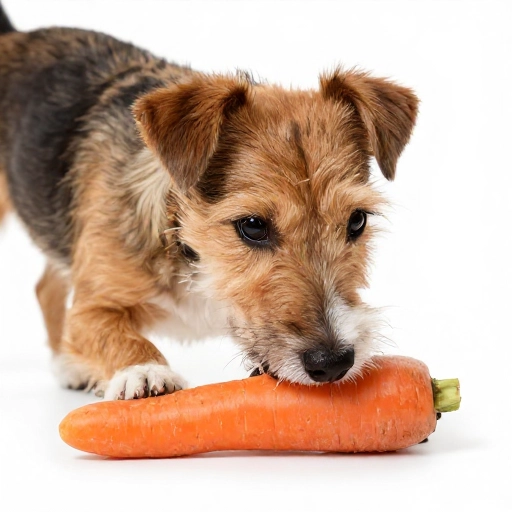
Carrots are a classic for a reason. They are rich in beta-carotene, which converts to vitamin A. This is great for your dog’s vision and skin health. Also, chewing on a raw, cold carrot can actually help scrape away plaque from their teeth.
I always keep a bag of baby carrots on hand. They are perfectly sized for most dogs, but I still chop them into smaller coins for my little guy to be safe. Steaming them makes them softer and easier to digest if your dog tends to gulp.
Just be mindful of the chunk size. A big carrot stick can be a choking hazard, so always supervise your pup when they’re chomping down.
7. Pumpkin: The Tummy Settler
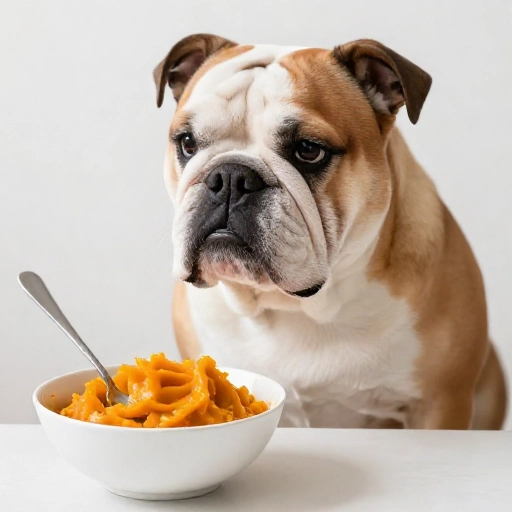
When your dog has a stomach upset, plain canned pumpkin is a miracle worker. It is incredibly high in soluble fiber, which helps regulate digestion. It can firm up loose stools and help with constipation, too.
Make sure you buy 100% pure pumpkin puree, not the pumpkin pie filling which is loaded with sugar and spices like nutmeg that can be toxic.
A spoonful added to their dinner can do wonders. It’s also a great treat to freeze in ice cube trays for a soothing snack.
- Helps with diarrhea and constipation.
- Full of essential vitamins and minerals.
- Always choose plain, unsweetened canned pumpkin.
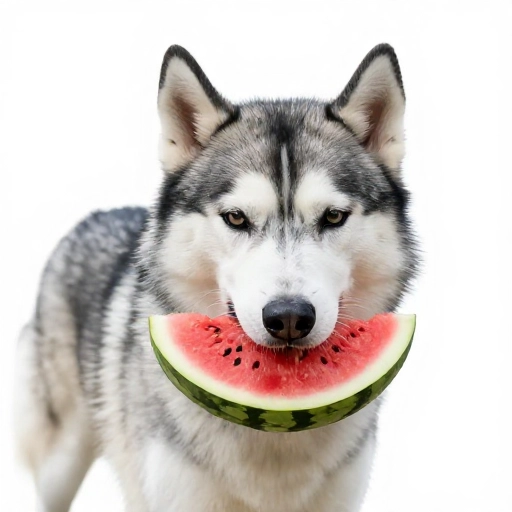
8. Watermelon: A Juicy Summer Treat
Watermelon is the ultimate summer fruit. It is about 92% water, making it incredibly hydrating and refreshing for those hot days. It also contains vitamins A, B6, and C, as well as lycopene, which is a great antioxidant.
This one requires a bit of prep. You absolutely must remove all the seeds and the rind. The rind is very tough and can cause gastrointestinal blockages.
Cut the flesh into small, seedless cubes. It’s like a natural sports drink for your dog. My pup gets so excited when he sees me cutting one open!
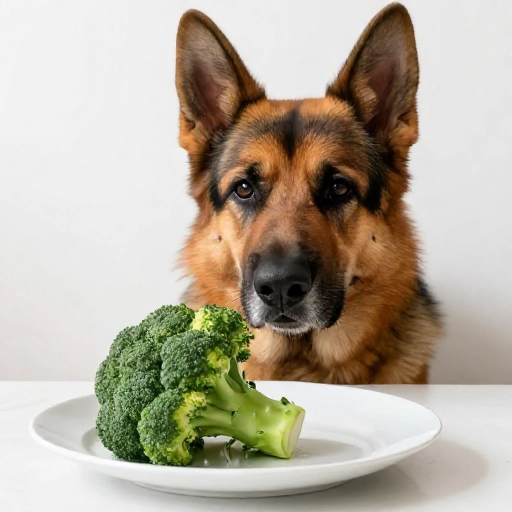
9. Broccoli: A Nutrient-Dense Green
Broccoli is full of vitamin C, vitamin K, and fiber. It’s a superfood for humans, and it can be for dogs too. The florets are crunchy and fun for them to eat.
Here’s the catch: Broccoli contains isothiocyanates, which can cause gastric irritation in some dogs. It’s totally fine in small amounts, but it shouldn’t make up more than 10% of their daily diet.
Steaming it makes it much easier to digest. Serve it as an occasional treat, not a daily staple, to be safe.
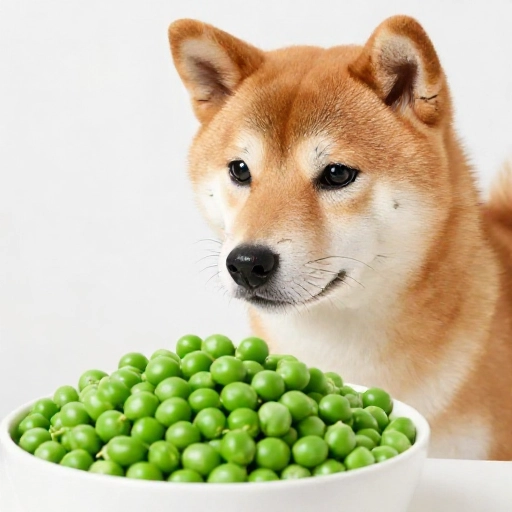
10. Peas: Sweet, Small, and Satisfying
Green peas are a fantastic source of vitamins A, K, and B vitamins. They are also packed with fiber and plant-based protein. They are small and easy for dogs to eat, making them a great training treat alternative.
You can use fresh, frozen, or thawed peas. Just make sure they are plain and don’t have any added salt or butter. Many commercial dog foods include peas as a primary ingredient for this reason.
A quick tip: I like to toss a handful of frozen peas into my dog’s bowl on a warm day. It cools the food down and adds a nice little crunch.
- Great for training treats.
- Safe for most dogs, including puppies.
- Just avoid canned peas with added sodium.
Conclusion
Adding fresh fruits and veggies to your dog’s diet is such a simple, wonderful way to show them you care. It’s not about replacing their main meals, but rather adding variety, extra nutrients, and fun textures to their day. Start with one or two options from this list and see which ones your pup goes crazy for!
Remember, every dog is different, so always introduce new foods slowly and in small quantities. When in doubt, a quick call to your vet is always the safest bet. Now go grab a healthy snack—for both of you!
Frequently Asked Questions
Can I feed my dog fruit every day?
Yes, but in moderation. Fruits should be considered treats and should not make up more than about 10% of your dog’s daily caloric intake. Too much sugar (even natural sugar) can lead to weight gain and stomach upset.
What is the absolute most toxic fruit for dogs?
Grapes and raisins are the most dangerous and can cause sudden kidney failure in dogs, even in small amounts. Also, avoid cherries, avocados, and anything with pits like peaches or plums.
Are frozen fruits and veggies safe?
Absolutely! Frozen blueberries, green beans, and even carrot sticks are excellent for teething puppies or hot summer days. Just be sure they are plain, with no added sauces or seasonings.
How should I wash the produce before giving it to my dog?
Just like you would for yourself, rinse them under cool running water to remove any pesticides or dirt. For items with thick skin, like cucumbers, you can scrub them with a vegetable brush.
My dog has a sensitive stomach. What should I start with?
Start with cooked, plain pumpkin or sweet potato. These are gentle on the digestive system and rich in fiber. Give them just a teaspoon to start and see how your dog reacts before increasing the amount.