10 Dog Obedience Training Tips You Can Start at Home Today

Bringing a new dog home is pure joy, but let’s be real—those early weeks can feel a little chaotic. I remember my pup, Max, treating my couch like a chew toy and my shoes like his personal squeaky toys. The good news? You don’t need a fancy trainer or expensive classes to build a well-behaved best friend.
Training at home is not only possible, it’s actually better for bonding. Your dog learns to listen to you, in your own space, at your own pace. It’s about trust, not perfection. I’ve put together ten simple tips that worked wonders for me and my messy, lovable mutt. These are practical, kind, and totally doable between your morning coffee and evening walk.
Let’s roll up our sleeves and get started. No stress, just treats and patience.
1. Start with a Quiet Space
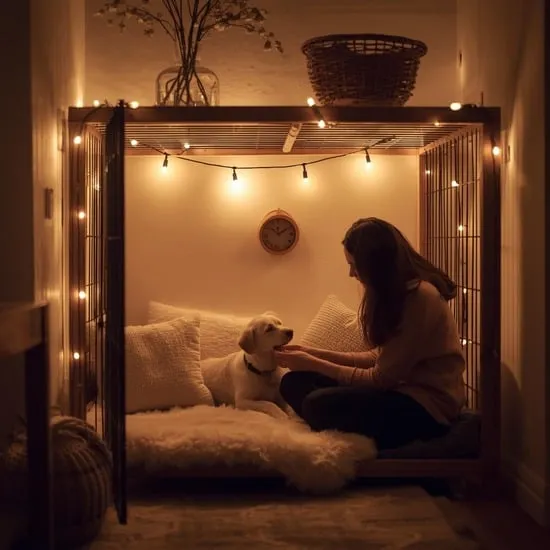
You wouldn’t study for a big exam in a loud coffee shop. Same goes for your dog. I picked a corner in my living room away from the TV and the front door. No distractions, just me, my dog, and a handful of treats.
This simple setup made all the difference. My dog stopped looking around and started looking at me. That’s the first win you want.
Keep sessions short—five minutes is plenty. The goal is focus, not a marathon.
2. Use High-Value Treats
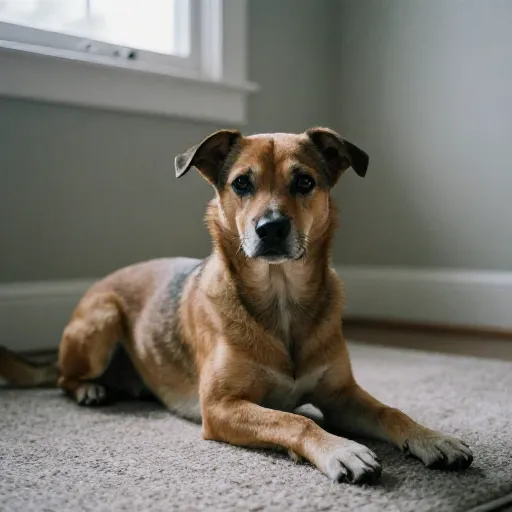
I tried using kibble for training once. My dog literally yawned. Then I switched to tiny pieces of boiled chicken or cheese. Suddenly, he was a genius.
Find what your dog loves most and save that treat only for training. It makes them want to work for it. Use pea-sized pieces so they don’t get full too fast.
Remember, it’s not bribery—it’s a paycheck for good behavior. And honestly, who doesn’t work better for a good bonus?
3. Teach “Sit” First
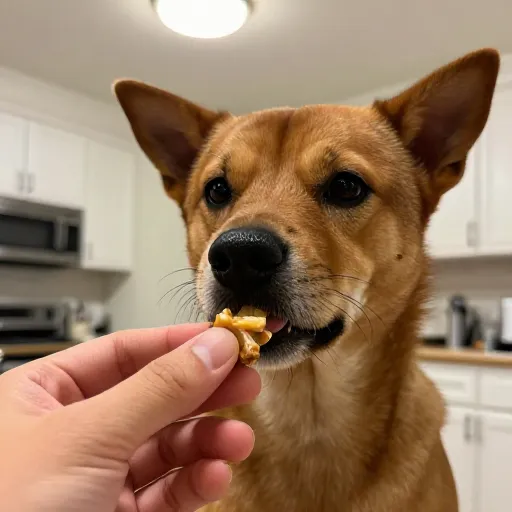
“Sit” is the building block for everything. I started by holding a treat above my dog’s nose and slowly moving it back over his head. When his butt hit the floor, I said “yes” and gave him the treat.
It took maybe four tries before he got it. Dogs catch on fast when you’re clear and consistent. Once they know “sit,” you can use it to calm them before meals, walks, or greeting guests.
Practice it in different rooms so they learn it applies everywhere, not just the kitchen.
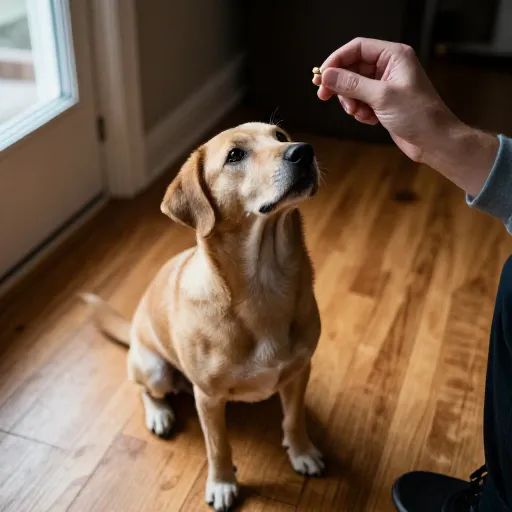
4. Keep Sessions Short and Sweet
I used to think longer training meant better results. Nope. My dog would get bored, start sniffing the floor, and I’d get frustrated. Now I set a timer for three minutes. When the timer goes off, we play.
Two to three short sessions a day work way better than one long one. It keeps your dog excited and leaves them wanting more. Always end on a positive note, even if they only got one thing right.
Short, happy, repeat. That’s the recipe.
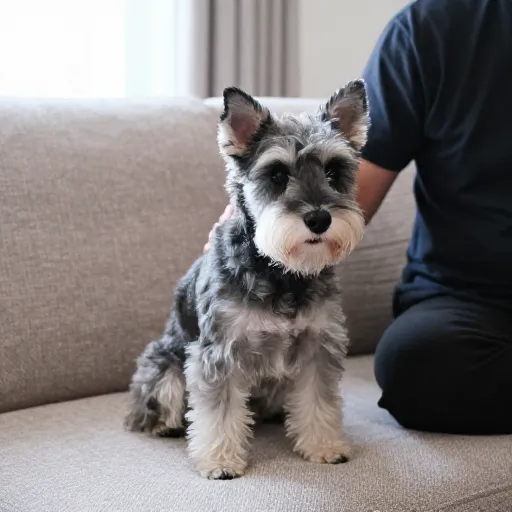
5. Use a Marker Word
Clickers are great, but I always lost mine. So I trained my dog with the word “yes.” I said “yes” the exact second he did what I asked, then gave a treat. It bridges the gap between action and reward.
Say it with a happy, bright voice. Dogs read tone better than words. “Yes” becomes a little party in their ears. It tells them exactly what you liked.
Practice charging the word first: say “yes,” give treat, repeat ten times. Then use it during training.
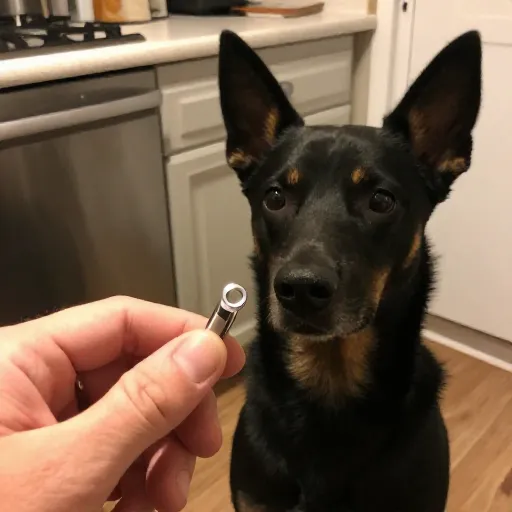
6. Ignore Unwanted Behavior
When my dog jumped on me, I used to push him down and say “no.” That was attention to him, and he loved it. So he kept jumping. Once I turned my back and ignored him completely, he stopped within days.
Dogs repeat behaviors that get them attention, even negative attention. If you ignore the jumping, barking, or mouthing, they learn it doesn’t work. Stay silent, cross your arms, look away. The second all four paws are on the floor, reward calmly.
It feels awkward at first. It works like magic.
7. Practice “Leave It” for Safety
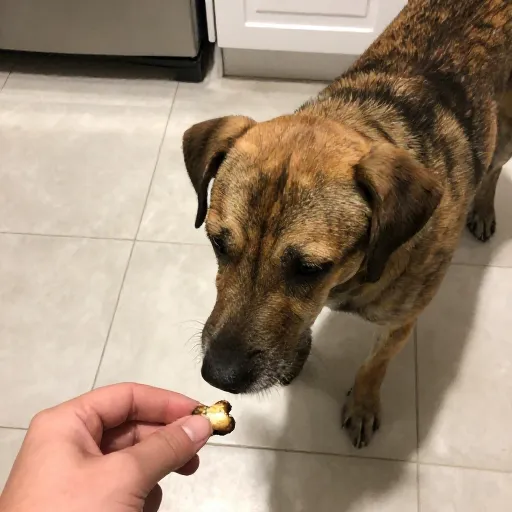
This one saved my dog from eating a dropped ibuprofen once. Start with a treat in your closed fist. Let your dog sniff, lick, paw at it. Stay quiet. The moment they pull away, say “yes” and give them a different treat from your other hand.
Then level up: place a treat on the floor under your hand. If they don’t lunge, say “yes” and reward. Eventually, you can remove your hand. “Leave it” teaches self-control, not just obedience.
Practice it with toys, food, and random objects around the house.
8. Use Real-Life Rewards
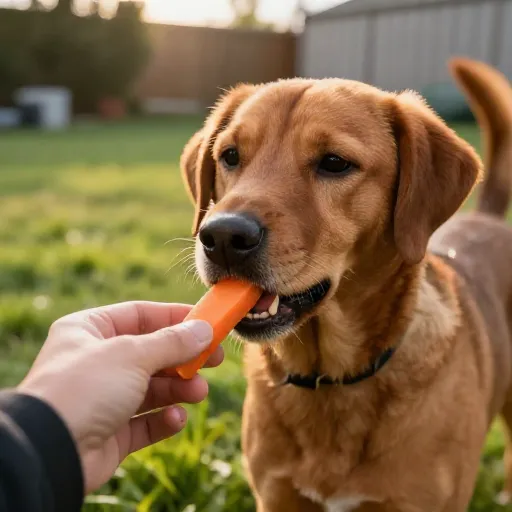
Treats are great, but life rewards are powerful too. My dog loves going outside. So I started asking for a “sit” before I opened the door. He sits, door opens. He gets to go sniff the world.
Other life rewards: a game of tug, belly rubs, or being allowed on the couch. Use whatever your dog finds valuable. It teaches them that listening leads to good things, not just snacks.
This builds a dog who chooses to listen even when you don’t have treats in your pocket.
9. Be Consistent with Cues
I used to say “down” for lying down and “off” for getting off the furniture. My husband used “drop” and “down.” Our dog was confused. We were the problem.
Pick one word per behavior and stick to it. Use the same tone and hand signal every time. Write them down if you have to. Consistency helps your dog learn faster and feel less frustrated.
Dogs thrive on clear expectations. Give them that gift.
10. Practice in Different Places
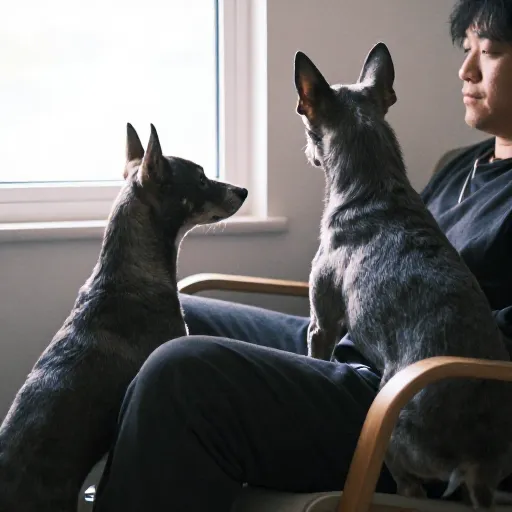
My dog was a perfect angel in the living room. Then we went to the park, and he forgot his name. Dogs don’t generalize well—they think “sit” only applies on the kitchen tile.
So I started practicing in the backyard, on a walk, at a friend’s house. Each new place needs a little retraining. Be patient. Bring treats and start simple. Over time, your dog learns that cues work everywhere, not just at home.
This is how you build a reliable, well-mannered companion.
Conclusion
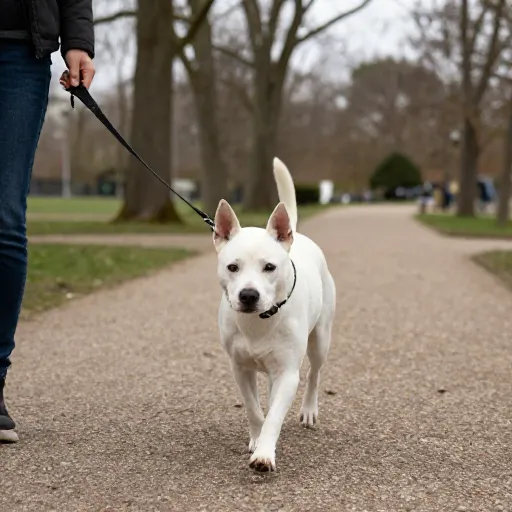
Training your dog at home is one of the most rewarding things you can do together. It’s not about being perfect or having a robot dog. It’s about building trust, understanding each other, and having fun along the way.
Start small. Be patient. Celebrate the little wins. And remember, your dog wants to please you—they just need you to show them how. You’ve got this.
[[IMG:IMG12]]
FAQ
How long does it take to train a dog at home?
It depends on the dog and the behavior. Basic cues like sit and stay can be learned in a few days with short daily practice. More complex skills take weeks. The key is consistency and patience.
What if my dog isn’t food motivated?
Try other rewards like toys, praise, or access to something they love, like going outside. Some dogs prefer a game of fetch over a treat. Experiment until you find what lights them up.
Can I train an older dog?
Absolutely. Older dogs can learn new tricks. They may need a little more patience, but they often focus better than puppies. Start with easy cues and keep sessions positive.
What do I do if my dog gets frustrated?
Take a break. Go back to something easy they know, reward them, and end the session. Frustration means you’re moving too fast. Simplify the step and try again later.
How do I stop my dog from jumping on guests?
Practice “sit” before the door opens. Ask guests to ignore your dog until all four paws are on the floor. Reward calm behavior. Consistency from everyone is key—no exceptions.
[[IMG:IMG13]]