18 Signs of Separation Anxiety in Dogs and How to Help
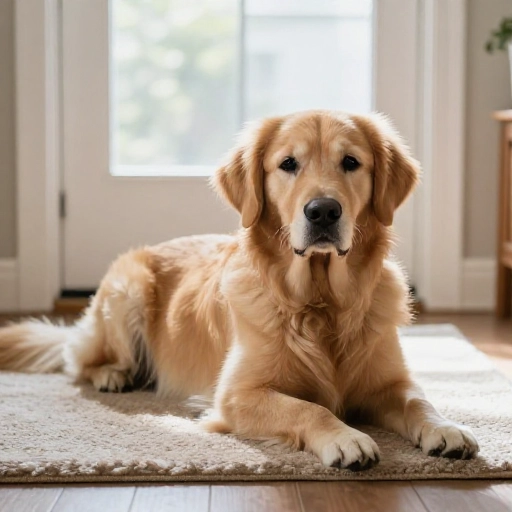
Leaving your dog at home should be a simple goodbye, not a heart-wrenching ordeal. If you’ve been finding chewed-up baseboards or coming home to a puddle of worry, you might be dealing with separation anxiety. It’s not just bad behavior—it’s panic. I’ve been there with my own pup, and it’s tough to watch. The good news? There are real, practical ways to help your furry friend feel calm and secure when you’re apart.
In this guide, I’ll walk you through 18 telltale signs of separation anxiety and share gentle solutions that actually work. Whether you’re a new dog parent or a seasoned pro, these tips will bring some peace to your home. Let’s dive into what your dog is trying to tell you.
Think of this as your go-to toolkit for understanding your dog’s stress. From tiny clues to major meltdowns, we’ll cover it all. Remember, every dog is different, so be patient and kind to both of you as you figure this out together.
1. Excessive Barking or Howling Right After You Leave
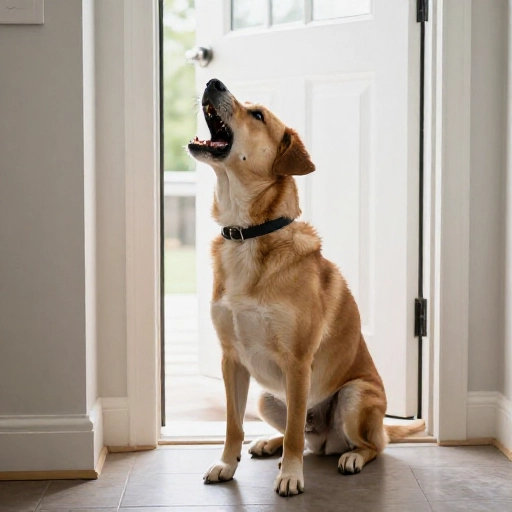
Does your dog start barking the second you close the door? This isn’t just a little noise—it’s a distress signal. Dogs with separation anxiety often vocalize nonstop for the first 15–30 minutes you’re gone. It’s their way of calling you back.
How to help: Try leaving a radio or TV on low. The background noise can soothe them. Also, practice short departures (like stepping outside for two minutes) and reward quiet behavior when you return. Build up slowly.
Don’t punish the barking. Your dog isn’t being naughty; they’re scared. Instead, focus on making your leaving routine boring—no big hugs or dramatic goodbyes.
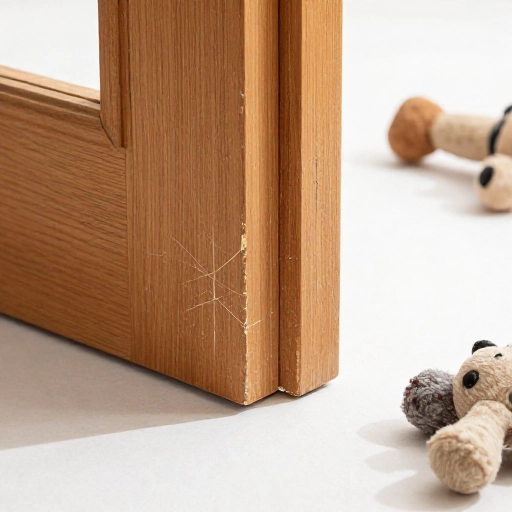
2. Destructive Chewing on Doors or Windows
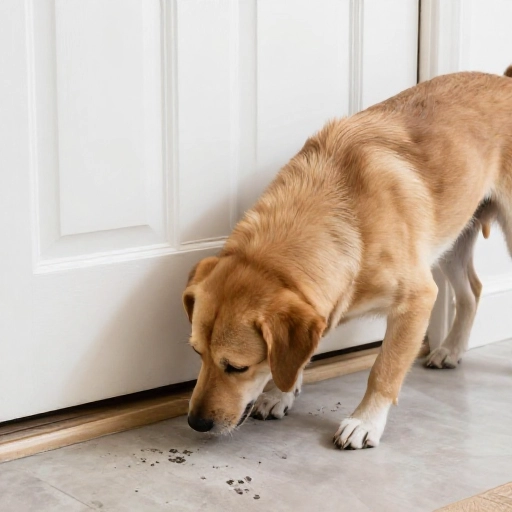
Finding scratch marks around the door frame or chewed-up window sills is a classic sign. Your dog is trying to escape to find you. This isn’t playful chewing—it’s frantic digging at the only exit they know.
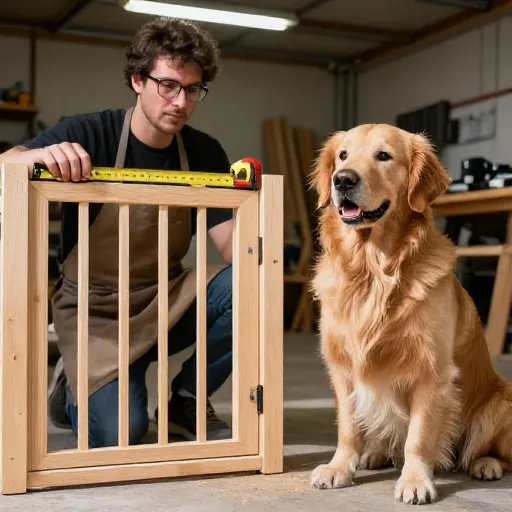
How to help: Block access to doors and windows when you leave. Use baby gates or a secure crate (if they’re crate trained). Provide a high-value chew toy, like a frozen Kong filled with peanut butter, to redirect that nervous energy.
Never leave your dog in a room with tempting escape routes. If they’re damaging the house, they’re likely injuring their paws or teeth too. Safety first.
3. Accidents in the House Even When Housebroken
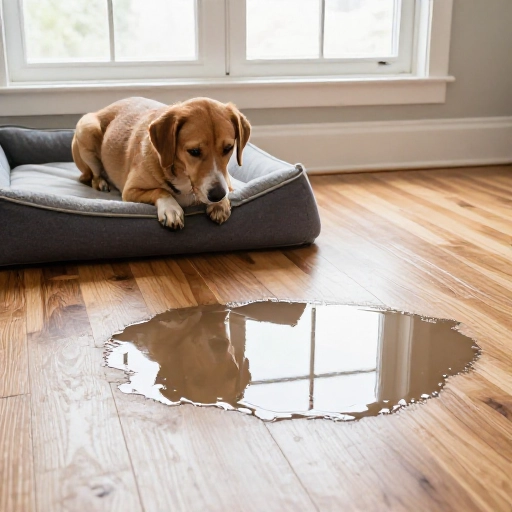
You know your dog is potty trained, yet you come home to a mess. This isn’t rebellion—it’s a physical reaction to stress. Anxiety can trigger loss of bladder control, just like it can in humans.
How to help: Clean accidents with an enzymatic cleaner to remove all scent. Take your dog out right before you leave. If accidents happen frequently, consider a dog walker or daycare to shorten the time they’re alone.
Don’t scold them for accidents. They can’t help it. Instead, focus on reducing the anxiety that’s causing the issue. Patience is key here.
4. Pacing or Restlessness Before You Leave
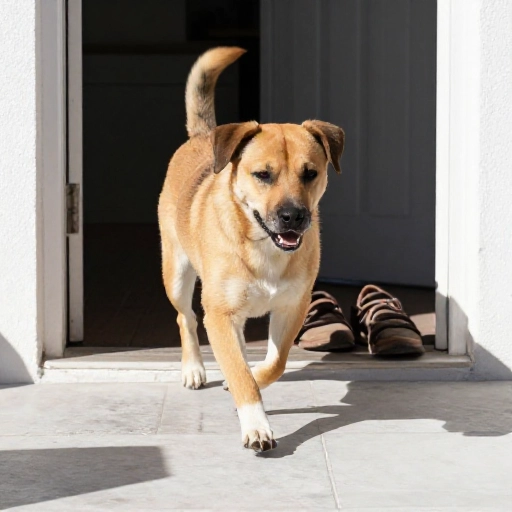
Does your dog start following you around, pacing, or panting as you grab your keys? This is pre-departure anxiety. They’re picking up on your routine cues—like putting on shoes—and getting worked up.
How to help: Change your departure routine. Grab your keys and then sit down. Put on your coat and then watch TV for ten minutes. This teaches your dog that those cues don’t always mean you’re leaving.
You can also practice “random departures” where you leave for just 30 seconds and come back. This desensitizes them to the panic triggers.
5. Clinginess When You’re Home
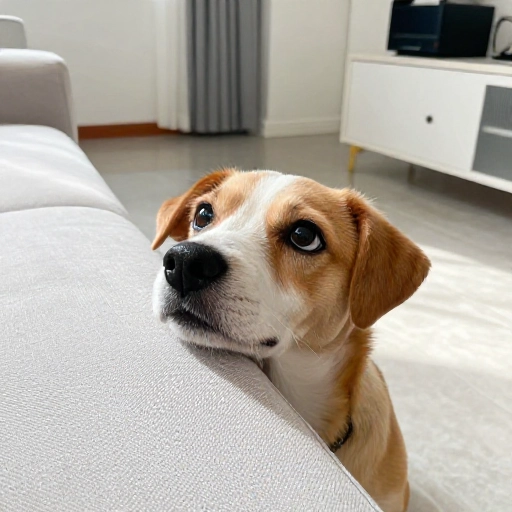
A dog that won’t leave your side, even when you’re just walking to the kitchen, might be anxious about future separation. They’re soaking up every second with you because they dread your absence.
How to help: Practice independence while you’re home. Give them a treat puzzle in another room. Close a door between you for a few minutes. Reward calm behavior when they’re not glued to you.
This builds their confidence. They learn that being apart from you is safe, even when you’re still in the house.
6. Excessive Drooling or Panting
You come home and find drool puddles or your dog panting heavily, even in a cool room. This is a physical sign of high stress. Dogs with separation anxiety often drool or pant because their nervous system is on high alert.
How to help: Make sure your home is a calm environment. Use calming aids like a Thundershirt or an Adaptil diffuser (a synthetic pheromone that relaxes dogs). Keep the temperature comfortable.
If drooling is severe, talk to your vet. Sometimes anxiety needs professional support, especially if it’s causing physical symptoms.
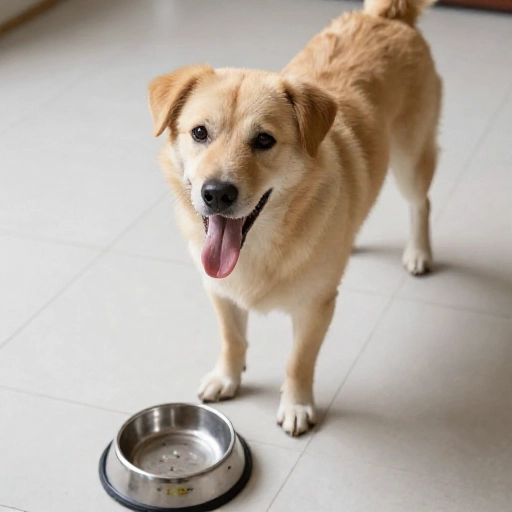
7. Trembling or Shaking When You Prepare to Leave
Notice your dog trembling when you pick up your bag? This is pure fear. Their body is reacting to the anticipation of being alone. It’s heartbreaking to see, but it’s a clear sign.
How to help: Pair your departure cues with something positive. For example, pick up your keys, then give a treat. Do this repeatedly until your dog associates the keys with a reward instead of panic.
Keep your voice low and calm. High-pitched goodbyes can make them more anxious. Act like leaving is no big deal.
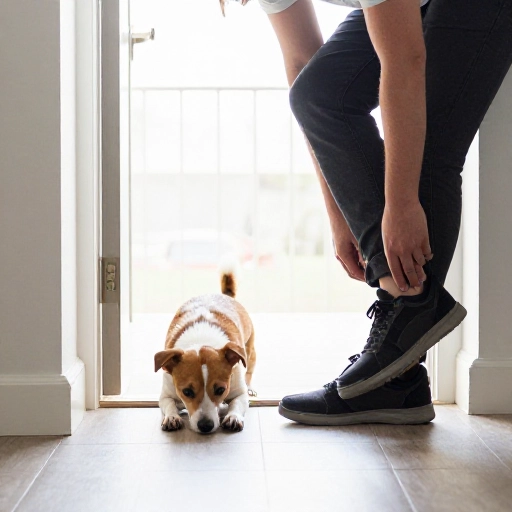
8. Refusing to Eat When You’re Gone
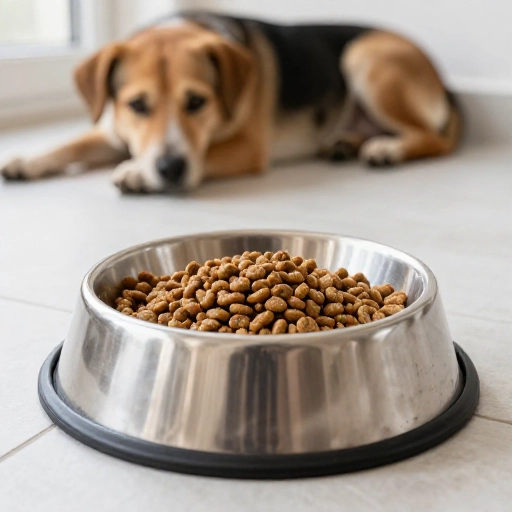
You leave a full bowl of food, but come home to it untouched. An anxious dog simply can’t eat. Their stress response shuts down their appetite until you return.
How to help: Don’t leave a big bowl of food. Instead, use a slow feeder or a treat-dispensing toy that works only when they’re calm. Try leaving a special treat that’s only for alone time, like a bully stick.
If they still won’t eat, try a walk first to tire them out. A tired dog is often a less anxious dog.
9. Overly Excited Greetings
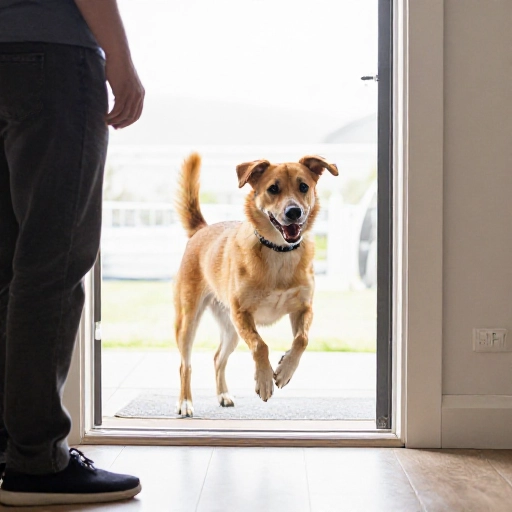
Your dog jumps, spins, and cries when you walk in. While some excitement is normal, an extreme reaction can signal relief from anxiety. It’s like they’ve been holding their breath all day.
How to help: Ignore them for the first few minutes when you come home. Don’t make eye contact or speak. Once they’ve calmed down, give them a gentle hello. This teaches them that your return isn’t a huge event.
Turn your arrival into a quiet moment. Your calm energy will help theirs settle faster.
10. Sleeping or Hiding in Unusual Spots
Some anxious dogs will hide in closets, under beds, or in a corner when you’re gone. Others might sleep in your bed or on your clothes. Both behaviors are about seeking comfort in your scent.
How to help: Leave an unwashed t-shirt or blanket with your scent in their safe space. Create a cozy den-like area with a crate or a covered bed. This gives them a sanctuary.
If they’re hiding, don’t force them out. Let them choose their comfort zone.
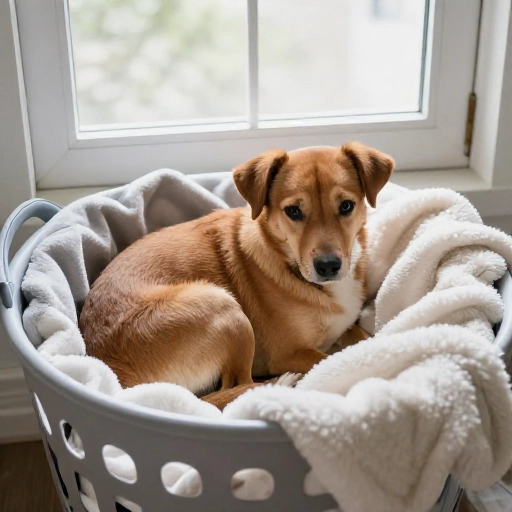
11. Excessive Licking or Self-Grooming
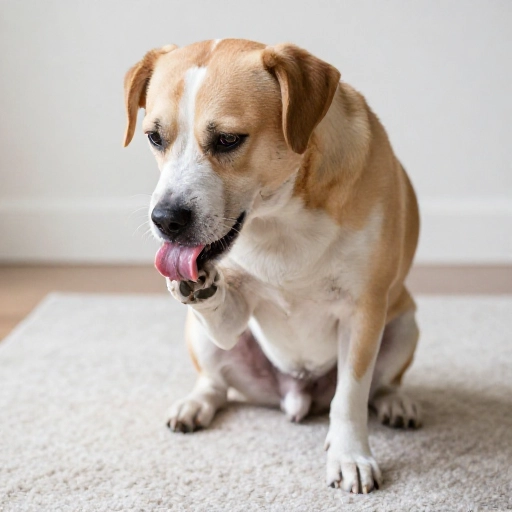
Licking their paws or legs obsessively can be a self-soothing habit. If you notice bald spots or raw skin, separation anxiety might be the cause. It’s a coping mechanism that can become harmful.
How to help: Provide appropriate licking outlets, like a Lickimat or a frozen Kong. These keep them busy and calm. Check with your vet to rule out allergies, but if it’s anxiety-related, address the root cause.
Use bitter spray on areas they target, but focus on giving them better alternatives.
12. Following You from Room to Room
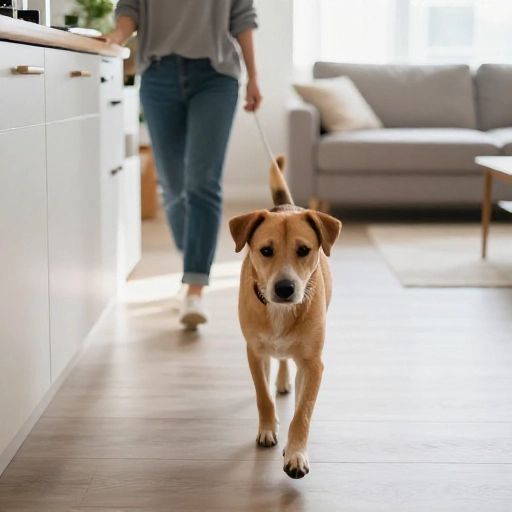
If your dog shadows your every move, even to the bathroom, they’re showing insecure attachment. They need constant reassurance that you’re still there. This often goes hand-in-hand with separation anxiety.
How to help: Practice “stay” commands in short bursts. Start with just a few seconds in another room. Reward them for staying calm. Gradually increase the distance and time.
This builds trust. They learn that you always come back.
13. Excessive Yawning or Lip Licking
Yawning when they’re not tired, or licking their lips when no food is around, are stress signals. Dogs use these as calming gestures. If you see them right before you leave, they’re trying to manage their anxiety.
How to help: Notice the triggers. If it happens when you pick up your keys, do the “keys + treat” exercise. The goal is to lower their overall stress level before you walk out.
Stay aware of these subtle signs. They’re early warnings that your dog is struggling.

14. Trying to Block Your Exit
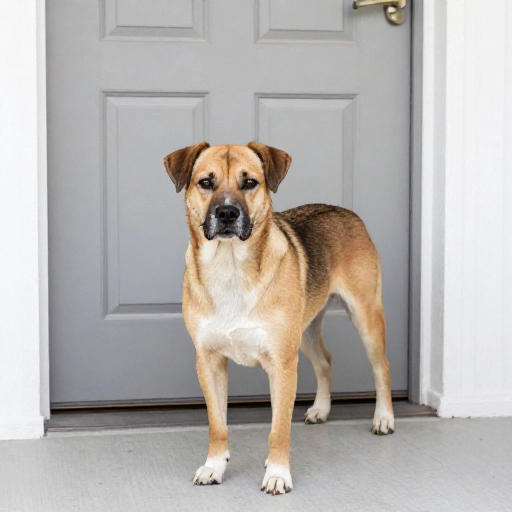
Does your dog stand in front of the door or lean on your legs when you try to leave? This is a direct attempt to stop you. They’re using their body to say, “Please don’t go.”
How to help: Practice short departures where you step out and immediately come back. This teaches your dog that leaving isn’t permanent. Use a command like “go to your bed” before you head out.
Don’t push them away. Gently redirect them to a positive spot, like their bed or a mat.
15. Restlessness at Night
Your dog might pace, whine, or have trouble settling down at bedtime. This can be linked to the same anxiety they feel during the day. They might be anticipating your absence in the morning.
How to help: Create a calming bedtime routine. A long walk, gentle brushing, or a puzzle toy can help them wind down. Keep their sleeping area close to you, like a crate in your room.
Consistency is everything. A predictable schedule reduces anxiety.

16. Diarrhea or Vomiting When You’re Away
This is a severe physical reaction. Some dogs get so anxious they actually get sick. If you find evidence of this, it’s a serious sign that needs attention.
How to help: First, see your vet to rule out medical issues. If it’s anxiety-related, you might need a behaviorist or medication. In the meantime, feed a bland diet and keep their environment super calm.
Don’t ignore this. It’s your dog’s body screaming for help.
17. Overly Attentive to Your Every Move
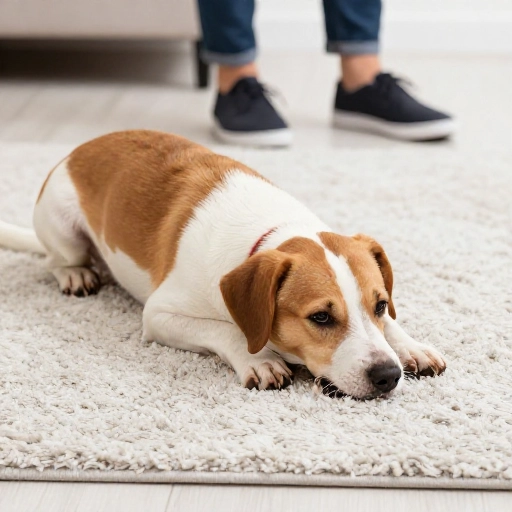
Your dog watches you constantly. They never relax or look away. This hyper-vigilance is exhausting for them. They’re always on guard, waiting for you to leave.
How to help: Teach a “settle” cue. Reward them for lying down and relaxing. Use a calming mat or bed. The more they practice relaxing, the easier it becomes.
You can also try classical music or white noise to help them tune out.

18. Escape Attempts Even When You’re Home
This is the most dangerous sign. Your dog might try to dig under fences, push through doors, or jump out of windows. They’re not trying to run away—they’re trying to find you.
How to help: Secure your home completely. Check fences, lock windows, and use sturdy doors. Never leave a dog with severe escape behavior unsupervised in the yard. Crate training can be a lifesaver here.
Seek professional help immediately. This behavior puts your dog at risk of injury or getting lost.
Conclusion: You Can Build a Calmer Tomorrow
Separation anxiety is hard, but it’s not hopeless. Every small step you take—whether it’s a shorter goodbye or a new puzzle toy—builds your dog’s confidence. You’re not just fixing bad behavior; you’re helping a scared friend feel safe.
Remember to be patient. Progress might be slow, but it’s real. Celebrate the tiny wins, like a quiet morning or a dry floor. Your dog feels your love, even when you’re apart. With time and consistency, you’ll both find peace.
If the anxiety is severe, don’t hesitate to talk to your vet or a certified dog behaviorist. You don’t have to do this alone. Your dog is worth every effort.
FAQ
1. How do I know if my dog has separation anxiety or just boredom?
Boredom usually leads to playful destruction (like shredding toys). Anxiety is frantic—chewing doors, drooling, or accidents. If your dog only acts out when you’re gone, it’s likely anxiety. A vet or behaviorist can help you tell the difference.
2. Can I leave my dog alone with separation anxiety?
Yes, but start small. Leave for just a few minutes and gradually increase time. Use tools like cameras to monitor them. If they’re panicking, reduce the alone time and work on the underlying fear first.
3. Do calming treats or supplements really work?
They can help take the edge off, but they’re not a cure. Think of them as a support tool, not a solution. Pair them with training and routine changes for the best results. Always check with your vet first.
4. Should I get another dog to help with my dog’s anxiety?
Not usually. Another dog can actually increase stress if your dog is anxious. They need to bond with you first. Focus on building their confidence and security before adding another pet to the mix.
5. When should I see a professional about my dog’s separation anxiety?
If your dog is hurting themselves, destroying your home, or if your efforts aren’t working after a few weeks, it’s time. A vet or behaviorist can create a custom plan and, if needed, prescribe medication to help your dog relax.