Hunting Dog Losing Stamina? Fix It Now With These 10 Game-Changing Tips
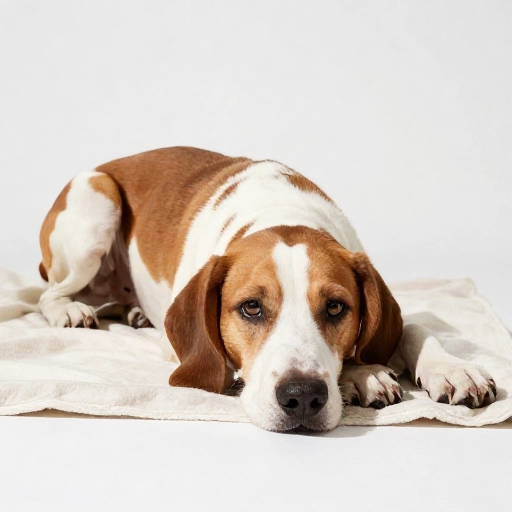
There’s nothing worse than watching your best buddy start lagging behind halfway through the hunt. You know that feeling—the one where your dog’s tail drops, their pace slows, and they start glancing back at you with those tired eyes. It’s frustrating, right? But here’s the thing: stamina isn’t just about being “tough.” It’s about proper conditioning, smart nutrition, and knowing exactly when to push and when to rest.
I’ve been there. I’ve made the mistakes, learned the hard lessons, and figured out what actually works. Whether you’ve got a young pup just starting out or a seasoned veteran who’s suddenly slowing down, these ten tips will get your hunting partner back to full power. Let’s dive in and get that tail wagging again.
1. Start With a Solid Pre-Season Vet Check
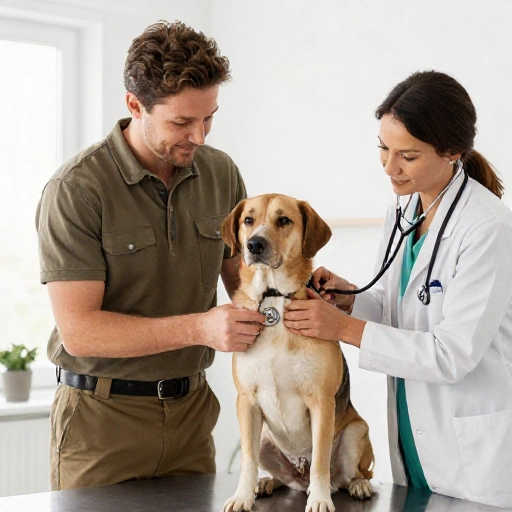
Before you even think about training, get your dog checked out. Sudden stamina loss can be a sign of something deeper—think heart issues, joint pain, or even thyroid problems. A quick blood panel and a listen to that heart can save you months of frustration.
Your vet can also check for tick-borne diseases, which are notorious for zapping energy. Trust me, it’s better to catch these things now than in the middle of a hunt. Bring a fresh stool sample too—parasites are silent stamina killers.
Once your vet gives the all-clear, you can build your plan with total confidence. This is the foundation everything else sits on.
2. Build Up Slowly—The 10% Rule Works
I know you’re excited to get out there, but don’t go from zero to hero in a week. That’s the fastest way to injure your dog and destroy their endurance. The golden rule is to increase distance or time by no more than 10% each week.
Think of it like this: if your dog runs 2 miles today, next week they get 2.2 miles. It sounds small, but it compounds fast. Before you know it, you’ll be at 5 miles without a single issue.
And here’s a pro tip—keep a simple log. Write down the distance, terrain, and how your dog felt the next morning. Stiffness or reluctance to eat is a sign you pushed too hard.
3. Mix Up the Terrain for Total-Body Strength
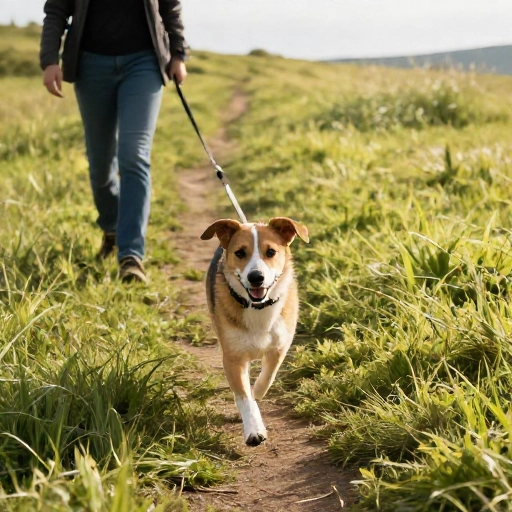
Running on flat ground is great, but it’s not real hunting. Your dog needs to handle hills, mud, thick brush, and even water. Each type of terrain builds different muscles and challenges their heart in new ways.
Start adding short hill sprints twice a week. Even a 50-yard incline will fire up those hindquarters. Then throw in some sand or soft dirt if you can—it’s like weight training for dogs.
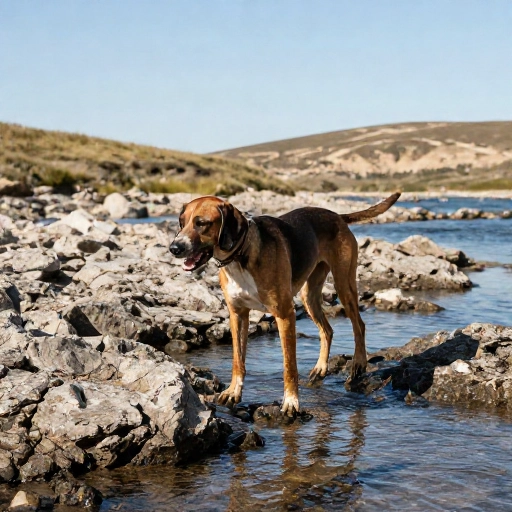
Water is the ultimate secret weapon. Swimming is low-impact but builds insane lung capacity. If your dog loves the water, use it. If not, start with shallow splashing and build from there.
4. Fuel Up With the Right Food (Not Just More Food)
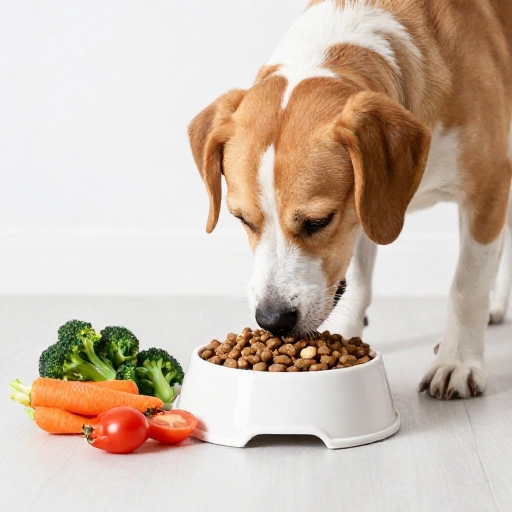
You can’t run a diesel truck on regular gas. The same goes for your hunting dog. If they’re eating cheap kibble full of fillers, they’re getting empty calories. That means less energy and slower recovery.
Look for a food with a high-quality protein as the first ingredient—think chicken, beef, or fish. You also want a good fat content (around 15-20%) because fat is the primary fuel for endurance work. Add a bit of salmon oil for those omega-3s; it does wonders for joints and overall energy.
Don’t just switch cold turkey though. Mix the new food in gradually over a week to avoid stomach issues. And always, always keep fresh water available during and after exercise.
5. Hydration Is Non-Negotiable
Here’s a scary stat: a dog that loses just 5% of its body water will see a 30% drop in stamina. That’s huge. But here’s the thing—most dogs won’t drink enough on their own, especially when they’re excited.
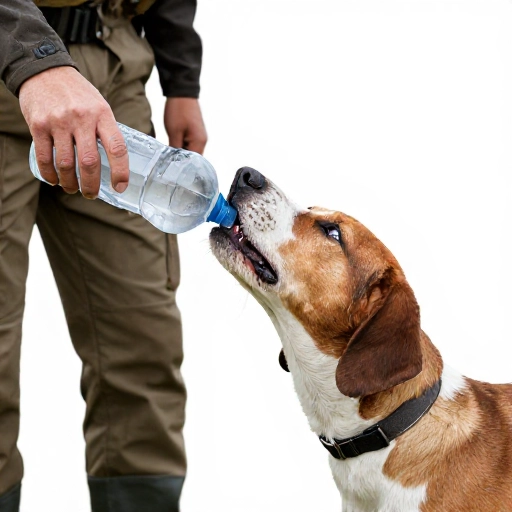
I like to pack a portable water bowl and offer small sips every 15-20 minutes during training. Not a huge gulp—that can cause bloat—just a few laps to keep them wet.
On hot days, add a little electrolyte powder made for dogs. The flavor encourages them to drink, and the minerals replace what they’re sweating out through their paws and panting.
6. Don’t Skip the Warm-Up and Cool-Down
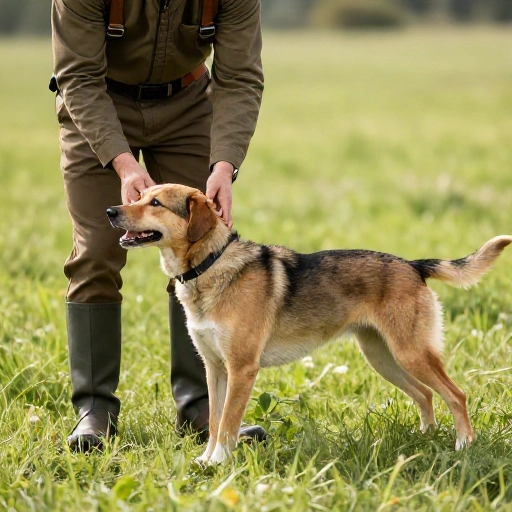
I used to just open the truck door and let my dog explode out. Big mistake. A sudden sprint on cold muscles is a recipe for strains and sprains. Now, I always do a 5-minute brisk walk or light jog before any real work.
This gets the blood flowing and loosens up those joints. Think of it like stretching before a big game—you wouldn’t skip it, so don’t make your dog.
After the hunt, do the same thing. A slow walk for 5-10 minutes helps flush out lactic acid and brings their heart rate down gradually. It also gives them a chance to pee and reset mentally.
7. Short Bursts Beat Long Slogs
Here’s a training trick most people miss: interval training. Instead of one long, steady run, do short bursts of high-intensity work followed by recovery periods. This mimics real hunting where your dog sprints, stops, sniffs, and sprints again.
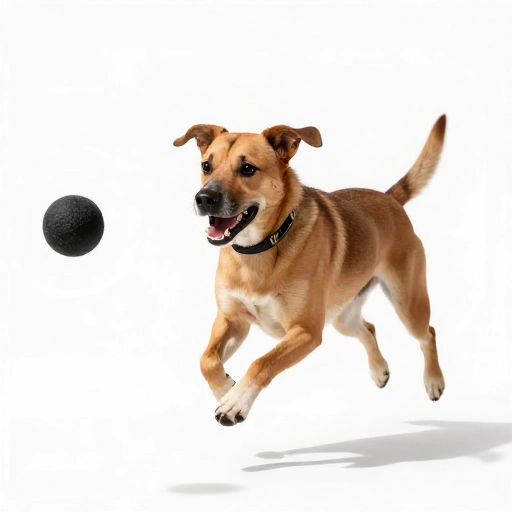
Try this: throw a bumper 30 yards, let them fetch it, then let them rest for 2 minutes. Repeat 5 times. This builds explosive power and teaches their body to recover quickly between sprints.
Over time, you can extend the sprint distance and shorten the rest. This is the single best way to build functional stamina that translates directly to the field.
8. Watch the Weight—Every Pound Matters
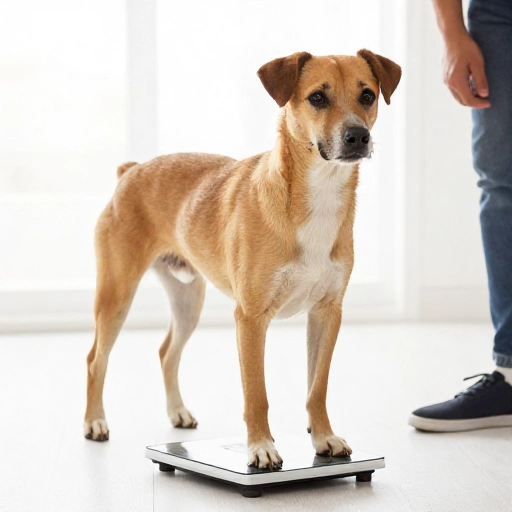
I know, I know—your dog isn’t fat, they’re just “fluffy.” But here’s the truth: an extra 2-3 pounds on a hunting dog is like carrying a bag of dog food on their back all day. It taxes their joints and drains their energy.
You should be able to feel their ribs easily without pressing hard. If you have to dig through fat to find them, it’s time to cut back on treats. Swap those training cookies for small pieces of boiled chicken or even their regular kibble.
And don’t forget—weight loss is 70% diet, 30% exercise. So measure their food and cut back by 10-15% if needed. They’ll thank you with more energy in the field.
9. Rest Days Are Just as Important as Work Days
Your dog’s muscles don’t grow during the run—they grow during the recovery. If you’re training hard every single day, you’re actually breaking them down. That leads to fatigue, injury, and a dog that just doesn’t want to go anymore.
Plan at least one or two full rest days per week. No running, no fetching, just easy walks and mental games. This lets their body repair and their mind reset.
Watch for signs of overtraining: excessive panting at rest, reluctance to eat, or a sudden change in attitude. If you see these, back off for a few days. It’s better to rest one week than to lose a whole season.
10. Use Supplements That Actually Work
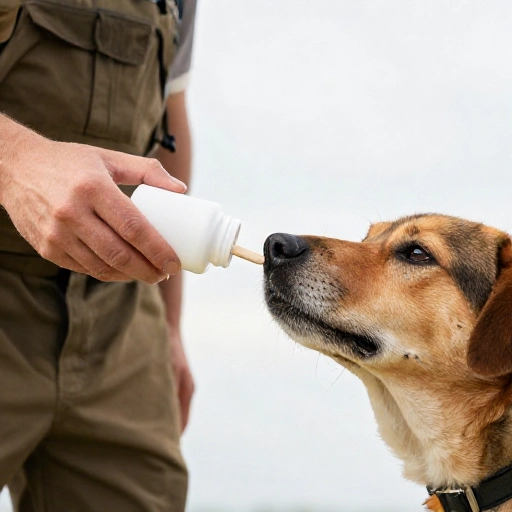
There’s a whole lot of junk in the supplement aisle, but a few things genuinely help. First, joint support with glucosamine and chondroitin—especially for dogs over 4 years old. It keeps those hips and shoulders moving smooth.
Second, consider L-carnitine. It helps the body convert fat into energy, which is exactly what endurance work needs. I’ve seen a noticeable difference in stamina within a few weeks.
And don’t forget probiotics. A healthy gut means better nutrient absorption, which means more fuel for the muscles. Just make sure you’re using products made specifically for dogs, never human versions.
Conclusion: Your Dog’s Best Days Are Ahead
Look, fixing stamina issues isn’t about one magic trick. It’s about putting all these pieces together—the right food, the smart training, the proper rest. Start with the vet check, then build up slowly, and always listen to what your dog is telling you.
Give it four to six weeks of consistent work, and I promise you’ll see a difference. That tail will be high, the pace will be strong, and you’ll both be ready to go the distance. Now get out there and make it happen—your best hunting buddy is counting on you.
Frequently Asked Questions
Q1: How long does it take to improve a hunting dog’s stamina?
Typically, you’ll see noticeable improvements in 4-6 weeks with consistent training. Full conditioning takes about 8-12 weeks, depending on the dog’s starting point and age.
Q2: Can I train my dog’s stamina every day?
No, I don’t recommend it. Your dog needs at least 1-2 full rest days per week for muscle recovery. Overtraining leads to injury and burnout, which is counterproductive.
Q3: What’s the best food for a hunting dog’s endurance?
Look for a high-protein, high-fat diet (around 30% protein and 20% fat). The first ingredient should be a named meat like chicken or beef. Avoid foods with corn, wheat, or soy as primary fillers.
Q4: My dog drinks a lot but still seems tired. Is that normal?
Excessive thirst combined with fatigue can be a red flag for diabetes, kidney issues, or Cushing’s disease. If this is a new behavior, I’d strongly suggest a vet check to rule out medical problems.
Q5: Is swimming better than running for building stamina?
They’re different. Swimming is excellent for building lung capacity and muscle tone with zero joint impact. Running builds bone density and paw toughness. The best approach is to combine both.