How to Keep Your Dog Calm Around Guests – Simple Tips That Actually Work
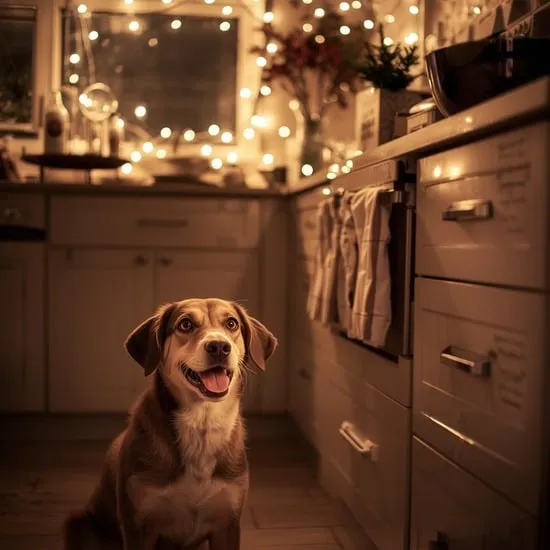
I know the feeling well. The doorbell rings, and suddenly your calm, sweet pup turns into a whirlwind of barking, jumping, and spinning. It’s not that they’re bad – they’re just excited or anxious. And you want your guests to feel welcome, not overwhelmed.
Teaching your dog to stay calm around visitors takes a little patience, but it’s totally doable. I’ve been there, and these are the tricks that actually worked for me. No fancy equipment or professional trainers needed – just consistent, kind practice.
Let’s walk through ten gentle, practical ways to help your dog feel relaxed when company comes over.
1. Start with a Pre-Guest Walk
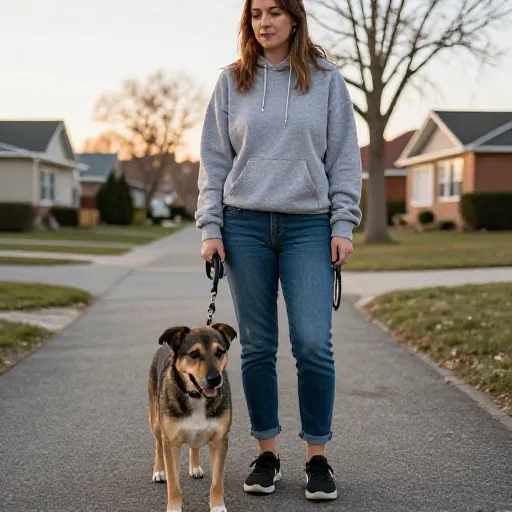
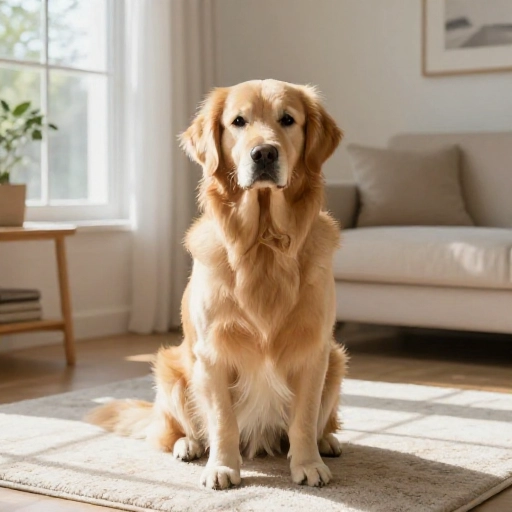
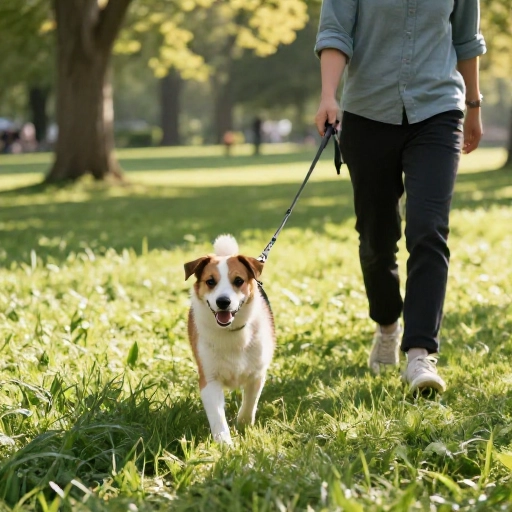
Before anyone arrives, take your dog for a good walk. A tired dog is a calmer dog. Aim for at least 20 minutes of steady walking, plus a few minutes of running or sniffing time.
Let them burn off that extra energy. A little panting and a relaxed body language later means they’re much more likely to greet guests with a wagging tail instead of a frantic jump.
I always do this even for short visits – it makes a world of difference for my pup.
2. Create a Safe Space
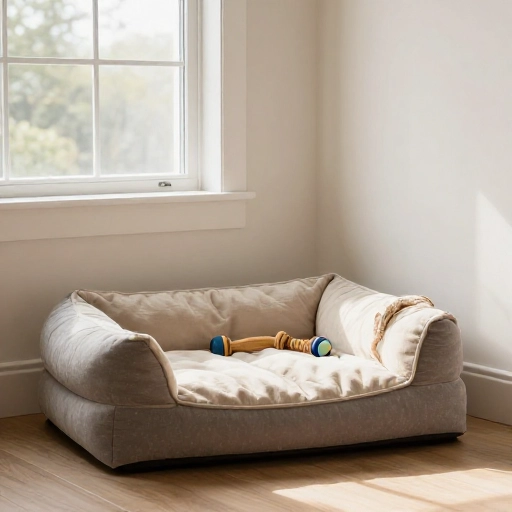
Set up a cozy corner or a crate in a quiet room where your dog can retreat if they feel overwhelmed. Put their favorite bed, a chew toy, and maybe a worn t-shirt that smells like you.
This is their personal sanctuary. Let guests know not to bother them there. Sometimes just having an escape plan makes your dog feel braver about meeting new people.
I call this my dog’s “calm cave” – and he uses it on his own when he needs a break.
3. Practice the “Place” Command
Teach your dog to go to a specific mat or bed and stay there. Start with no distractions, then add the doorbell sound (you can play it on your phone), then practice with a friend.
Reward calm behavior with tiny, tasty treats. Over time, your dog learns that staying on their mat equals good things – and that guests aren’t a big deal.
Be patient. This takes repetition, but it’s one of the most useful skills you can teach.

4. Manage the Doorbell Drama
The doorbell is often the biggest trigger. If your dog goes wild at the sound, try desensitizing them. Ring the bell yourself while dropping treats – starting softly, then gradually louder.
Another trick: ask guests to text you when they arrive. Meet them outside, so you can greet them without the doorbell even ringing. Bring your dog out on a leash for a calm hello.
This simple change cut my dog’s barking in half within a week.
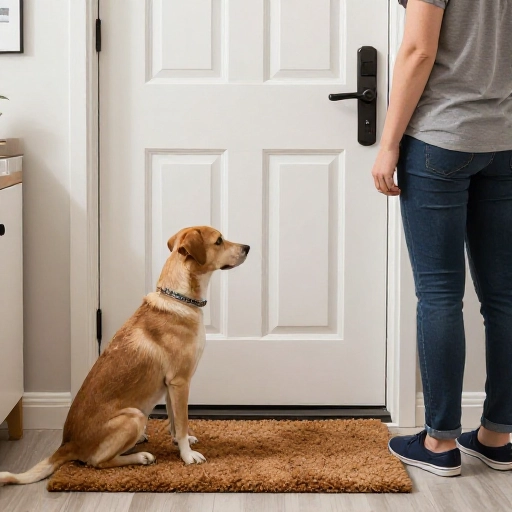
5. Use a Leash Inside
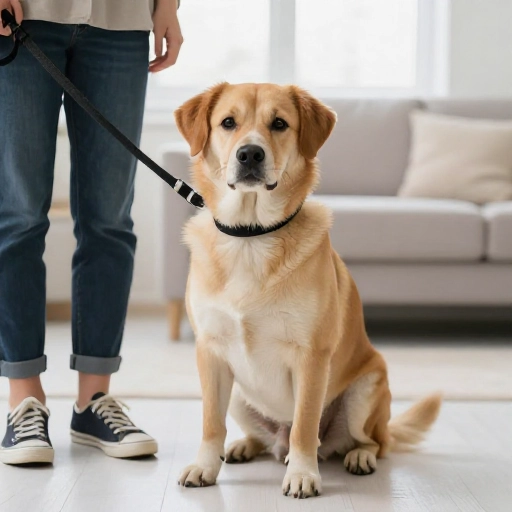
Keep your dog on a short leash when guests first arrive. This isn’t punishment – it’s a safety line that helps you guide them calmly. Let them sniff a guest’s hand, then reward them for staying with four paws on the floor.
If they get too excited, gently lead them away to their safe space for a moment. The leash gives you control without scolding.
After the initial greeting, you can let them off if they’re calm.
6. Reward the Calm Moments
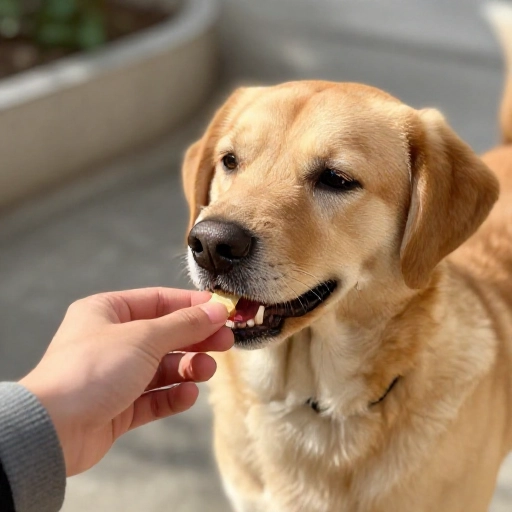
Watch for any moment your dog is quiet or relaxed around a guest. Maybe they sit, lie down, or just stop barking. Immediately drop a treat near them – silently, without fanfare.
You’re teaching them that calmness pays off. Over time, they’ll offer calm behavior more often because it’s rewarding.
I keep a pouch of treats by the door so I’m always ready.
7. Teach a “Go Say Hi” Routine
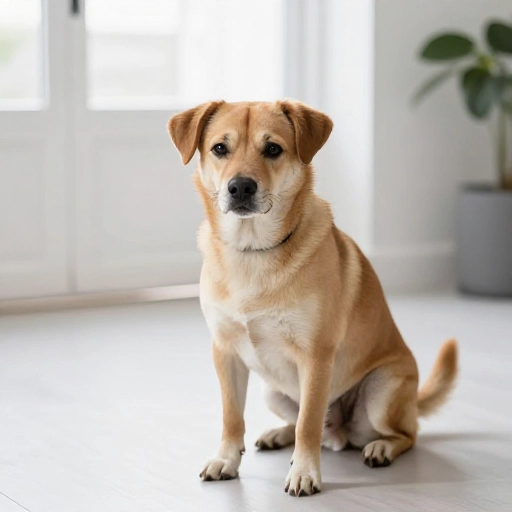
Instead of letting your dog rush the door, teach a structured greeting. Have them sit or stand calmly while the guest enters. Then, on your cue, let them approach for a quick sniff.
Keep the greeting short – just a few seconds. Then call your dog back to you and reward them. This teaches polite manners without overstimulation.
Most dogs do better with a clear, predictable routine.
8. Give Them a Job
Dogs feel more relaxed when they have a task. Give your dog a stuffed Kong or a long-lasting chew when guests arrive. This keeps their mouth busy and their mind focused on something positive.
Frozen treats work especially well – they last longer and are soothing. A licky mat smeared with peanut butter is another great option.
My dog now associates guests with his favorite frozen treat, so he actually looks forward to visitors.
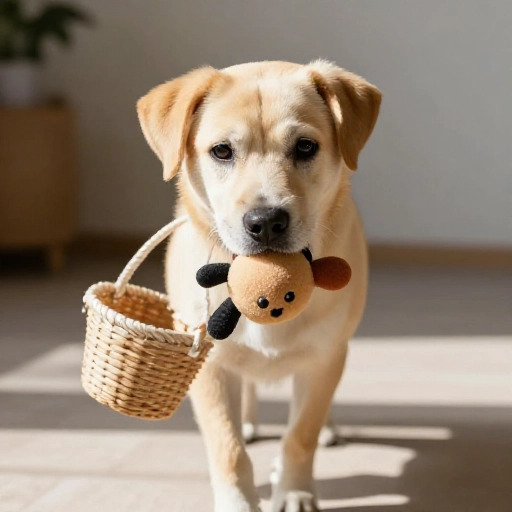
9. Avoid Overly Excited Greetings
When you first see your dog after work, keep your own energy low. The same goes for when guests arrive. If you get loud and excited, your dog will match that energy.
Speak in a calm, low voice. Move slowly. Ask guests to ignore your dog for the first few minutes – no eye contact, no petting. This helps your dog understand that visitors are no big deal.
Once your dog is relaxed, then guests can offer a gentle scratch behind the ears.
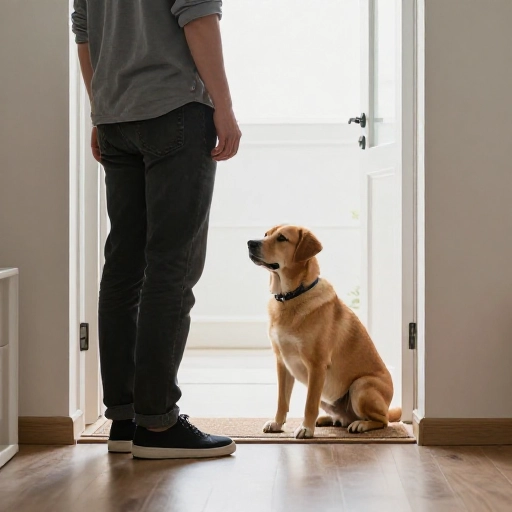
10. Be Consistent and Patient
Calm behavior around guests doesn’t happen overnight. Some dogs learn in a few weeks, others take months. The key is consistency – use the same routine every single time.
Don’t get discouraged by setbacks. Even older dogs can learn new habits with gentle repetition. Celebrate small wins, like a quiet greeting or a moment of stillness.
Your dog wants to please you – they just need clear, kind guidance.
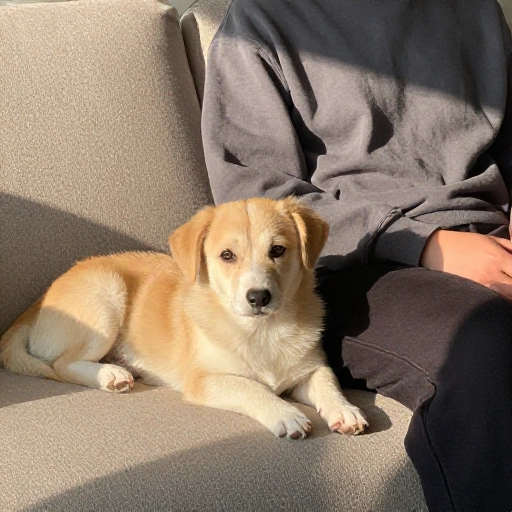
Conclusion
Helping your dog stay calm around guests is a journey, not a quick fix. But every small step counts. With a little planning, some tasty treats, and lots of patience, you can create a peaceful home where both your dog and your visitors feel comfortable.
Remember, your dog isn’t trying to be difficult – they’re just communicating the only way they know how. You’re teaching them a better way. That’s a beautiful thing.
Frequently Asked Questions
Q: How long does it take to train a dog to be calm around guests?
A: It depends on your dog’s personality and past experiences. Some dogs improve in a few weeks, while others need a few months. Consistent practice is the key.
Q: What if my dog is scared of guests, not excited?
A: A fearful dog needs extra patience. Never force them to interact. Let them approach guests on their own terms, and reward any brave behavior with treats and praise.
Q: Can I use calming aids like sprays or chews?
A: Yes, some dogs benefit from calming treats or pheromone sprays. They can be helpful as a supplement to training, but they’re not a substitute for practice and routine.
Q: My dog jumps on guests. What should I do?
A: Ignore the jumping completely – no eye contact, no talking. Turn away or step back. When all four paws are on the floor, give calm attention. Consistency works better than scolding.
Q: Should I crate my dog when guests come over?
A: Only if your dog already sees their crate as a safe space. Never use it as punishment. A crate can be a great calm zone if introduced positively and used with treats and comfort.