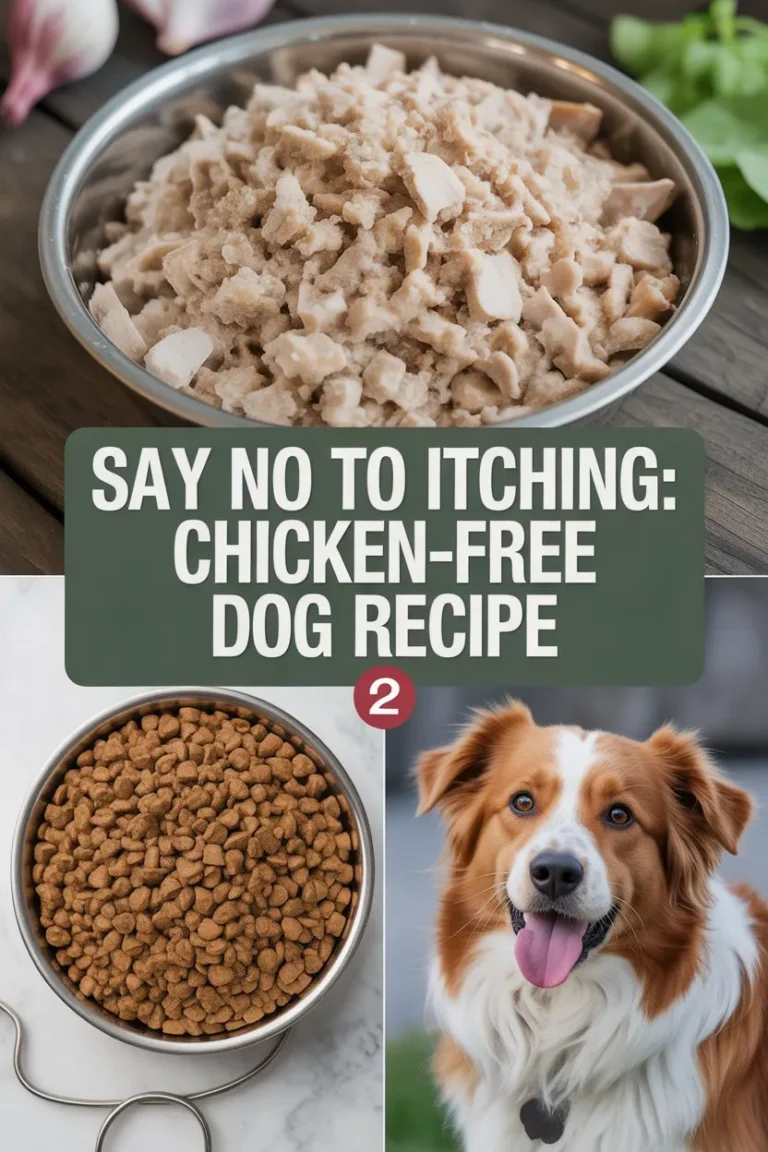
11 Natural Dog Nutrition Strategies That Actually Make a Difference

I have to be honest—when I first brought my rescue pup home, I was completely overwhelmed by the pet food aisle. Every bag promised something magical, and the ingredient lists looked like chemistry experiments. Over the years, I have learned that real, natural nutrition doesn’t have to be complicated. It just takes a little know-how and a shift toward whole foods.
These are the simple, practical shifts I have made for my own dogs. They are not about expensive supplements or complicated recipes. They are about working with nature to help your dog thrive from the inside out. Let me share what has actually worked for us.
1. Rotate Protein Sources Like a Chef
Feeding the same chicken kibble day after day can actually create food sensitivities over time. Dogs evolved as scavengers, eating a variety of prey. I now rotate between three or four proteins—beef, turkey, lamb, and sometimes fish. This keeps meals exciting and provides a broader nutrient profile.
Start slow. Introduce a new protein over a week, mixing it with the old food. Your dog’s gut will thank you, and you might notice a shinier coat and better energy levels.

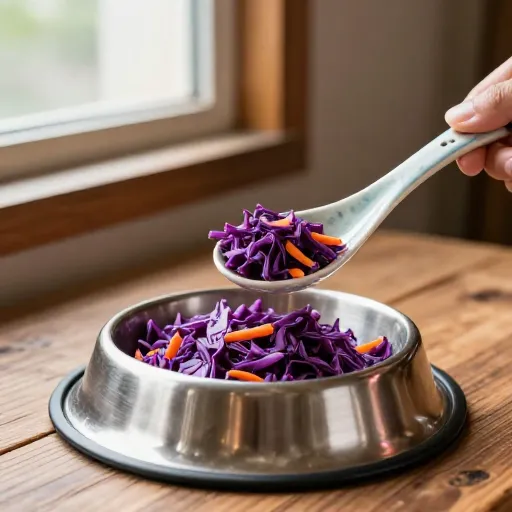
2. Add a Spoonful of Fermented Veggies
Gut health is everything. A tablespoon of fermented vegetables (like sauerkraut or kimchi, rinsed to remove excess salt) adds natural probiotics without the need for expensive powders. My dog loves the tangy taste.
Start with a tiny amount—half a teaspoon for small dogs, a full teaspoon for larger breeds. Watch for any tummy upset, but most dogs adjust quickly. It is a cheap, powerful way to support digestion.
3. Use Bone Broth as a Daily Boost
Homemade bone broth is a game changer. Simmer beef or chicken bones (with a splash of apple cider vinegar) for 12–24 hours. Strain it well. No onions or garlic allowed—just bones and water. The resulting broth is rich in collagen, glucosamine, and minerals that support joints and gut lining.
Pour a small amount over your dog’s kibble or raw meal. It adds moisture and flavor, especially for picky eaters or senior dogs with sore teeth.

4. Don’t Fear Raw Eggs (with the Shell)
A raw egg, shell and all, is a complete multivitamin. The yolk is packed with healthy fats and biotin, while the shell provides calcium. I crack one egg over my dog’s dinner twice a week. Just make sure the shell is ground into a fine powder (a coffee grinder works great) to avoid sharp edges.
If you feed raw eggs, source them from pasture-raised hens for the best nutrient profile. No need to worry about salmonella—dogs have short digestive tracts and strong stomach acid that handles it well.

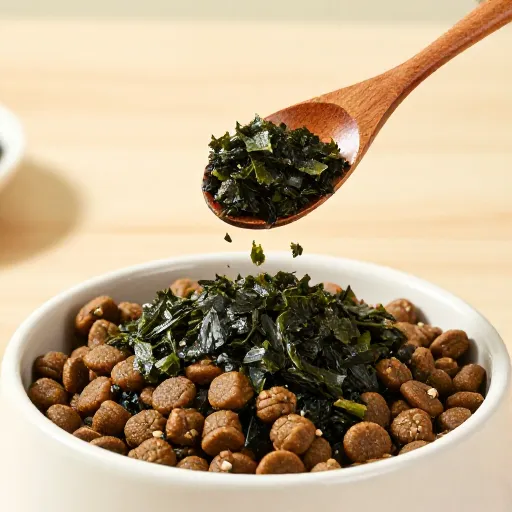
5. Sprinkle in Some Seaweed
Seaweed is a natural source of iodine, which supports thyroid health. It also provides trace minerals that are hard to find in land plants. I use a powdered kelp supplement—just a tiny pinch per day for my medium-sized dog.
Be careful with dosage. Too much iodine is harmful. Start with less than a quarter teaspoon for large dogs, and even less for small ones. Look for organic, food-grade kelp from clean waters.
6. Make Your Own “Superfood Topper”
Instead of buying expensive commercial toppers, I blend a simple mix: steamed pumpkin, a handful of spinach, a splash of unsweetened coconut milk, and a dollop of plain yogurt. I freeze this in ice cube trays and pop one out as needed.
Pumpkin is great for digestion, spinach adds iron, and yogurt provides probiotics. It takes ten minutes to prep and lasts for weeks. My dog thinks it is a treat, but it is pure nutrition.
7. Offer Raw Meaty Bones for Dental Health
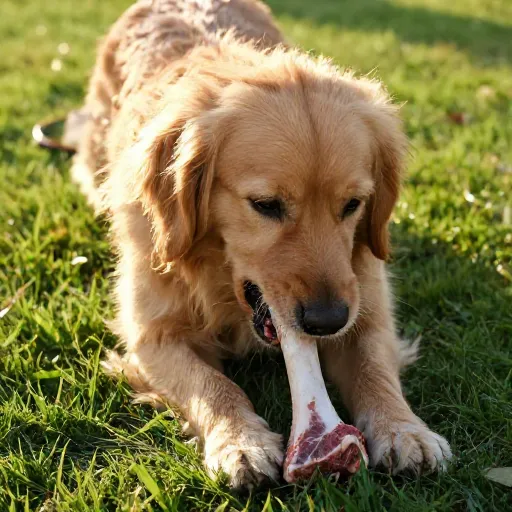
Brushing teeth is great, but nothing cleans like a raw bone. The mechanical scraping action removes plaque, and the marrow provides healthy fats. I give my dog a raw beef shank bone about once a week. Always supervise, and never feed cooked bones—they splinter.
Choose bones that are large enough that your dog cannot swallow them whole. The chewing also provides mental stimulation and relieves anxiety. It is a win-win.
8. Incorporate Organ Meats Once a Week
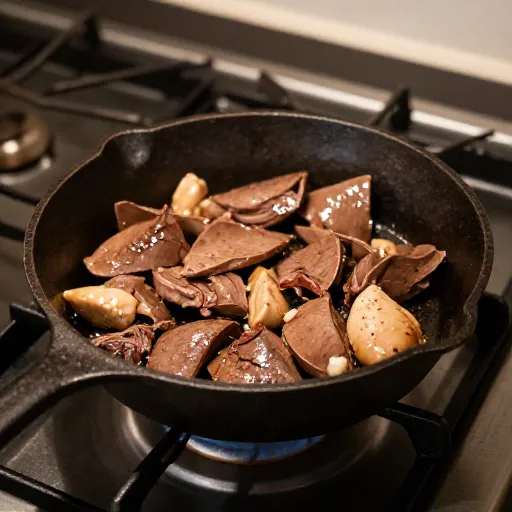
Liver, kidney, and heart are nature’s multivitamins. They are incredibly dense in vitamin A, B vitamins, iron, and CoQ10. I add a small piece of beef liver to my dog’s meal once a week. The key is moderation—too much liver can cause vitamin A toxicity.
A good rule is that organ meats should make up no more than 5% of your dog’s total diet. Freeze and grate the liver, then sprinkle a small amount over food. It is a potent, affordable superfood.
9. Hydrate with Herbal Infusions
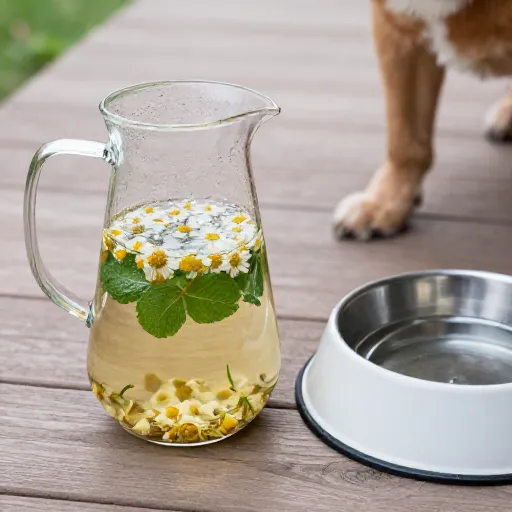
Plain water is fine, but sometimes dogs need a little encouragement to drink. I brew a weak tea using dried chamomile or nettle leaves. Chamomile is calming, and nettle is rich in minerals. Let it cool completely, then pour it into your dog’s bowl.
This is especially helpful in summer or after exercise. It adds trace nutrients and makes hydration more interesting. Avoid any teas with caffeine or essential oils.
10. Use Turmeric Paste for Joint Support
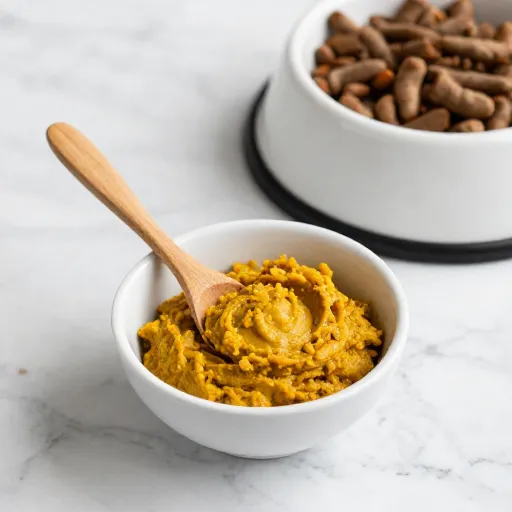
Turmeric is a powerful anti-inflammatory. I make a paste by mixing turmeric powder with a little water and a dash of black pepper (which boosts absorption). Then I add a tiny bit of coconut oil. I stir a small spoonful into my senior dog’s dinner.
Start with a pea-sized amount for small dogs, and up to half a teaspoon for large breeds. It helps with arthritis, stiffness, and even skin issues. The golden color might stain bowls, but it is worth it.
11. Feed a “Fast Day” Once a Week
Intermittent fasting is not just for humans. Skipping one meal a week allows your dog’s digestive system to rest and reset. It supports cellular cleanup and can improve insulin sensitivity. I simply skip my dog’s breakfast on Sundays and offer a slightly larger dinner instead.
Make sure your dog has plenty of fresh water. This is not suitable for puppies, underweight dogs, or those with certain health conditions. But for a healthy adult dog, a weekly fast mimics natural eating patterns from the wild.

Conclusion: Small Changes, Big Results
Natural dog nutrition is not about perfection. It is about progress. You do not need to overhaul everything overnight. Pick one or two strategies that feel doable and try them for a few weeks. Watch your dog’s energy, coat, and digestion. I promise you will notice a difference.
The most important ingredient is love—and a willingness to listen to your dog’s unique needs. You know your pup better than any label. Trust yourself, keep it simple, and enjoy the journey toward healthier, happier mealtimes.
[[IMG:IMG13]]
Frequently Asked Questions
Can I feed my dog raw eggs every day?
It is best to limit raw eggs to a few times per week to avoid an imbalance of certain nutrients. The biotin in egg yolks is actually good for skin and coat, but too much protein from eggs can be hard on the kidneys over time.
Is bone broth safe for dogs with pancreatitis?
Yes, if you skim the fat off the top after chilling. Bone broth can be very soothing for dogs with digestive issues, but always consult your vet first if your dog has a serious condition.
How do I know if my dog needs more fiber?
Signs include loose stools, constipation, or excessive licking of surfaces. Adding a spoonful of pumpkin or steamed green beans can help regulate digestion without causing upset.
Can I use human probiotics for my dog?
It is better to use a dog-specific probiotic or natural sources like fermented veggies. Human strains are not always suitable for canine gut flora, and dosages can be off.
How long does it take to see results from natural feeding changes?
Most dogs show improvements in coat shine and energy within two to four weeks. Digestive changes can happen in days. Patience is key—every dog adjusts at their own pace.
[[IMG:IMG14]]