Can Dogs Eat Almonds? What Every Pet Parent Should Know
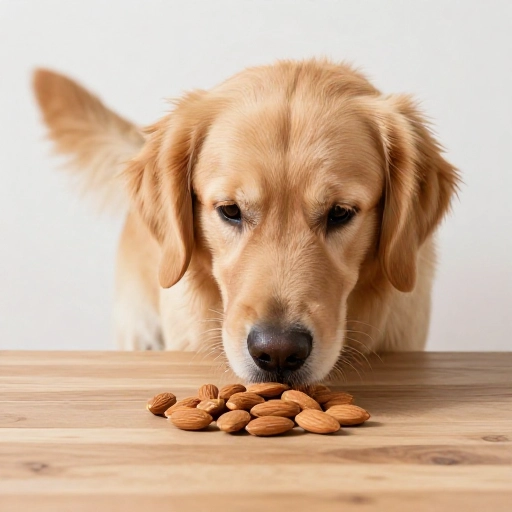
Let me guess—you’re sitting on the couch, munching on a handful of almonds, and your dog gives you that hopeful, head-tilted look. You freeze. Is it safe? I’ve been there too. Almonds are a go-to snack for us, but for our pups, the answer isn’t as simple.
I’ll walk you through the real deal on almonds and dogs. No confusing jargon, just straight talk from someone who loves their dog like family. Spoiler: it’s not a hard “no,” but it’s definitely not a “yes” either. Let’s dig in.
Why Almonds Aren’t a Dog Superfood
Almonds are packed with healthy fats and vitamin E for people. But dogs don’t process nuts the same way. Their digestive system is designed for meat and some plants, not high-fat nuts.
Even a few almonds can upset your dog’s stomach. Think gas, bloating, or diarrhea. For small dogs, the risk is even bigger because their tiny bodies can’t handle the fat load. So while you might enjoy that crunch, your pup’s tummy probably won’t thank you.
The Choking Hazard You Might Not Think Of
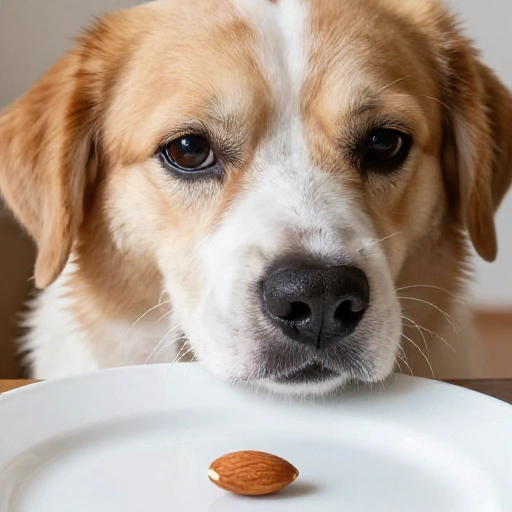
Almonds are small, hard, and oddly shaped. That’s a perfect recipe for choking. I’ve seen my own dog try to gulp down a treat without chewing—scary, right?
If your dog is a gulper (like mine), an almond can get stuck in their throat. It can even block the windpipe. Plus, those sharp edges can scratch their mouth or esophagus. It’s just not worth the risk when there are safer treats out there.
Mold and Mycotoxin Trouble on Raw Almonds
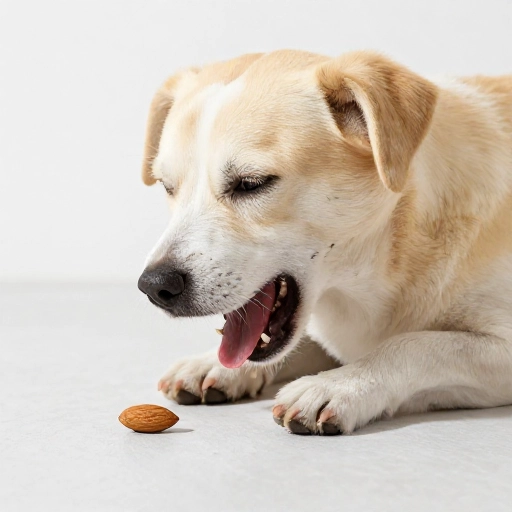
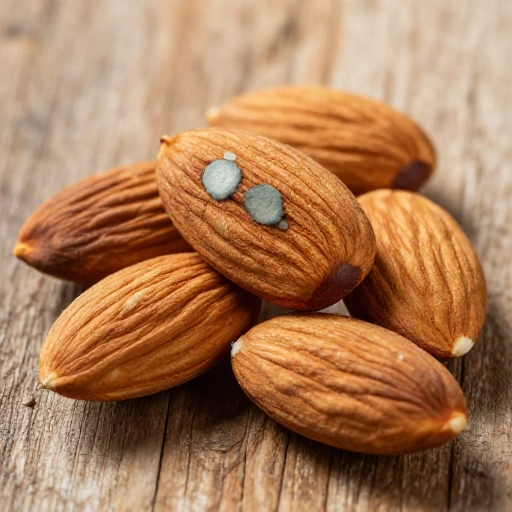
Here’s something you might not know: raw almonds can sometimes harbor mold. Not all of them, but it’s a real risk. Certain molds produce mycotoxins, which are toxic to dogs.
Even a tiny amount of mycotoxin can cause vomiting, tremors, or worse. Dogs are way more sensitive to these than we are. So even if that almond looks perfect to you, it might hide trouble your pup can’t handle.
Salt and Seasonings Are the Real Enemies
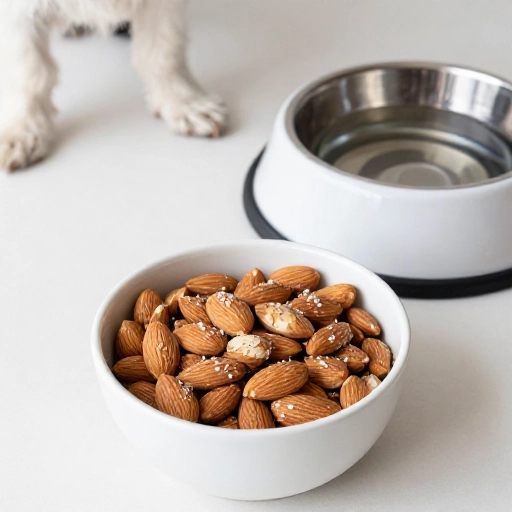
We love flavored almonds—salted, smoked, honey-roasted. But those extras are bad news for dogs. Salt can lead to sodium ion poisoning, especially in small dogs.
Garlic and onion powders, often used in seasoned almonds, are toxic to dogs. Even a light coating can cause red blood cell damage over time. Plain almonds are risky enough, but the flavored ones? Definitely keep those far away from your pup.
What About Almond Butter?
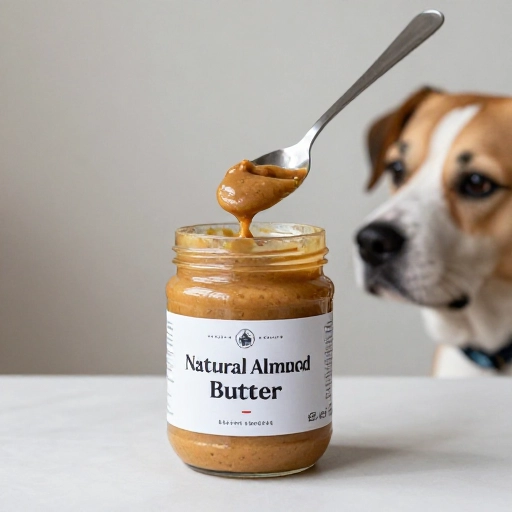
Almond butter is a different story—sort of. Plain, unsalted almond butter without xylitol (a toxic sweetener) is generally safe in tiny amounts. It’s soft, so no choking risk.
But it’s still high in fat. A small lick from your spoon? Fine. A whole tablespoon? That could trigger pancreatitis in sensitive dogs. Always check the label for xylitol—it’s deadly for dogs even in small doses. When in doubt, stick to dog-safe peanut butter.
Pancreatitis Risk: The Hidden Danger
Almonds are fatty nuts. For dogs, a sudden high-fat snack can inflame their pancreas. That’s pancreatitis, and it’s painful. Symptoms include vomiting, belly pain, and loss of appetite.
Some breeds are more prone to it, like Miniature Schnauzers and Yorkshire Terriers. But any dog can get it. I’ve watched a friend’s dog suffer through pancreatitis after sneaking fatty treats. Trust me, it’s not something you want to risk for a nut.

How Many Almonds Is Too Many?
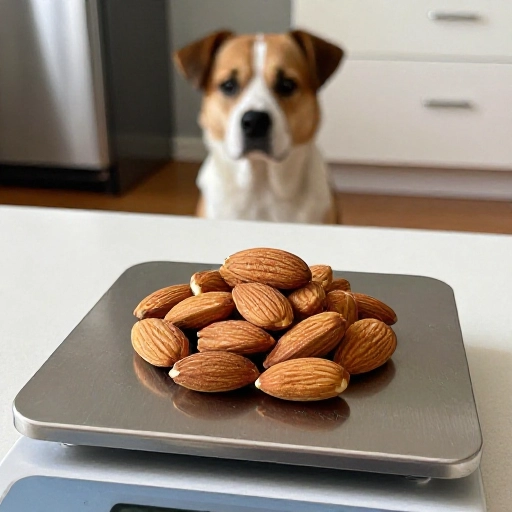
If your dog snatches a single almond off the floor, don’t panic. One or two plain almonds probably won’t cause harm for a medium or large dog. But for a small dog, even one can be risky.
The real danger comes from eating several almonds at once. A handful can block the intestines or trigger severe stomach upset. There’s no “safe daily amount” for dogs—it’s just not designed for their bodies. A accidental one? Okay. A snack bowl? Call your vet.
Signs Your Dog Ate Too Many Almonds
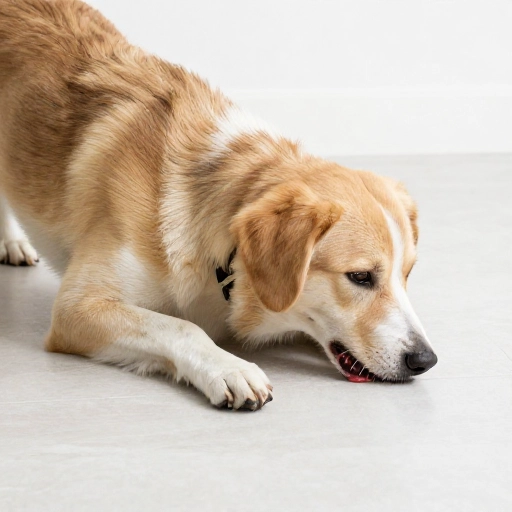
Keep an eye out for these symptoms after your dog eats almonds: vomiting, diarrhea, loss of appetite, or acting lethargic. More serious signs include coughing, gagging, or trouble breathing (possible choking).
If you see any of these, contact your vet right away. For choking, check their mouth gently. But don’t try to pull out a stuck almond if you can’t see it clearly—you might push it further. Better safe than sorry.
Better Nut Alternatives for Your Dog
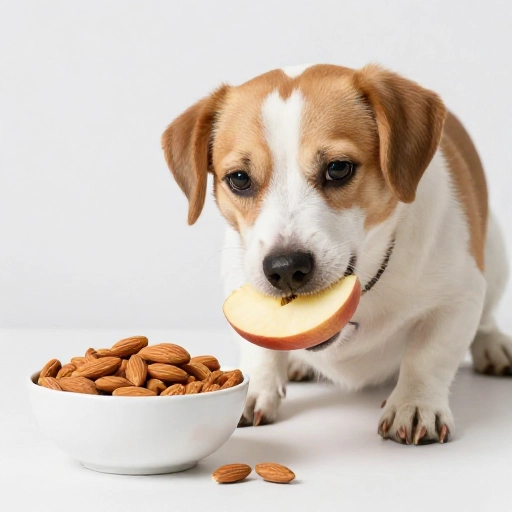
If you want to share a nutty treat, go for plain, unsalted peanuts (shelled) or cashews in tiny amounts. Both are lower in fat and safer overall. But remember: nuts aren’t necessary for your dog’s diet.
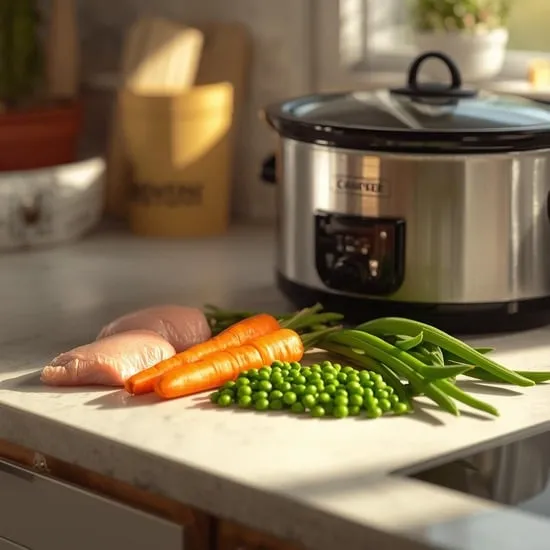
I personally stick with dog-safe treats like baby carrots, apple slices (no seeds), or plain cooked chicken. They’re crunchy, tasty, and zero worry. Your dog will love them just as much—maybe more—without the almond anxiety.
What the Vet Really Thinks
Most vets agree: almonds aren’t toxic like grapes or chocolate, but they’re not recommended. The risks—choking, pancreatitis, mold—outweigh any benefit. Your dog doesn’t need almonds to be happy or healthy.
If you’re ever unsure, ask your vet. They know your dog’s specific health history. For my dog, I decided it’s just not worth it. There are so many other treats that make her tail wag without me worrying. You’ll feel the same peace of mind.

Conclusion
So, can dogs eat almonds? Technically, a plain almond or two won’t poison them, but it’s not a good idea. The choking hazard, high fat, and potential for mold make almonds a treat best left for us humans. If your dog sneaks one, don’t panic—just watch for any issues. But please, don’t make almonds a regular snack. Your pup’s tummy (and your vet bill) will thank you.
Frequently Asked Questions
1. Can a single almond kill my dog?
No, one plain almond is very unlikely to kill a healthy dog. But it can cause choking, especially in small breeds. Always monitor your dog if they accidentally eat one.
2. Are roasted almonds safer than raw?
Roasted almonds are less likely to have mold, but they often have added salt or oil. Plain roasted almonds are slightly safer, but still not recommended due to fat content and choking risk.
3. My dog ate a handful of almonds—what should I do?
Call your vet immediately. A large amount can cause pancreatitis or intestinal blockage. Watch for vomiting, diarrhea, or belly pain. Don’t wait to see if symptoms appear.
4. Can puppies eat almonds?
No. Puppies have smaller throats and more sensitive stomachs. Almonds are even riskier for them. Stick to puppy-safe treats from the pet store.
5. What’s the safest nut for dogs?
Plain, unsalted peanuts (shelled) or plain cashews in very small amounts. But even then, moderation is key. Most vets say nuts aren’t necessary for dogs at all.