9 Truths About Reactive Dogs

Living with a reactive dog can feel incredibly lonely. You see other dogs calmly walking past each other, while yours is lunging and barking like a furry firecracker. I have been right there, holding the leash with white knuckles, feeling the judgmental stares from neighbors.
But here is the raw truth: your dog is not “bad.” They are struggling. After years of working with my own reactive pup and talking to countless trainers, I learned that most of what we think about reactivity is wrong. Let’s strip away the guilt and confusion. Here are the nine truths that changed everything for me and my dog.
1. Reactivity Is Not Aggression
This was the first truth I had to accept. Reactivity is an emotional response, not a personality trait. Your dog is not trying to be mean; they are trying to make something scary go away.
Think of it like a panic attack. A reactive dog is overwhelmed by fear, frustration, or over-excitement. The barking and lunging is their way of saying, “Please stay away, you are too close!”
Once I stopped labeling my dog as “aggressive,” I stopped being angry at her. I started being her teammate instead.

2. Your Dog Can’t Just “Get Over It”
I used to think my dog would grow out of it. She did not. Reactivity is not a phase. It is a deeply rooted emotional habit that needs to be retrained.
Telling a reactive dog to “calm down” is like telling someone with a phobia of spiders to just “stop being scared.” It does not work. Their brain is in fight-or-flight mode. They cannot learn when they are panicking.
The real fix is changing how they feel about the trigger, one tiny step at a time.
3. You Can’t Train Away Fear With Punishment
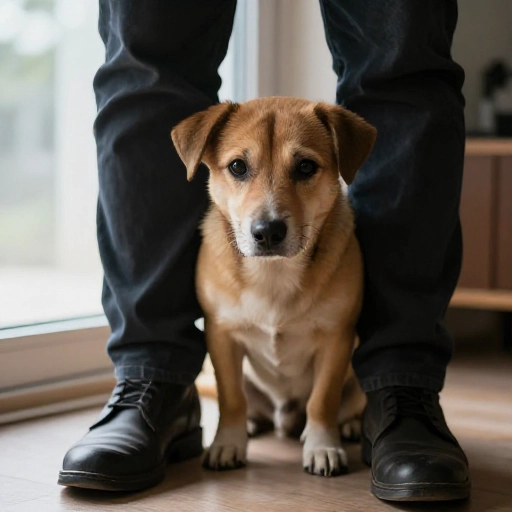
I tried the alpha roll. I tried the loud “no.” I tried the prong collar. It only made things worse. Punishment tells a scared dog that they were right to be scared, because now you are scary too.
When you punish a reactive dog, you are just adding fuel to the fire. You are teaching them that the trigger (other dogs, strangers) predicts pain or fear from you.
The only way out is through patience, distance, and high-value rewards. You have to become the safe place.
4. Distance Is Your Best Friend
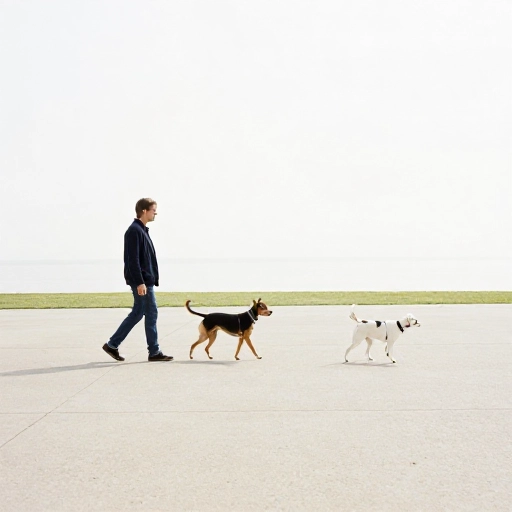
Most of us walk our reactive dogs way too close to their triggers. I was guilty of this. I thought if I just got closer, she would get used to it. That is called flooding, and it rarely works.
The golden rule is to stay under threshold. That means keeping enough space so your dog notices the trigger but does not react. This is where real learning happens.
- If your dog barks at 20 feet, walk at 40 feet.
- Cross the street. Duck behind a car. Turn around.
- Distance creates calm. Calm creates learning.
5. You Will Need to Change Your Routine
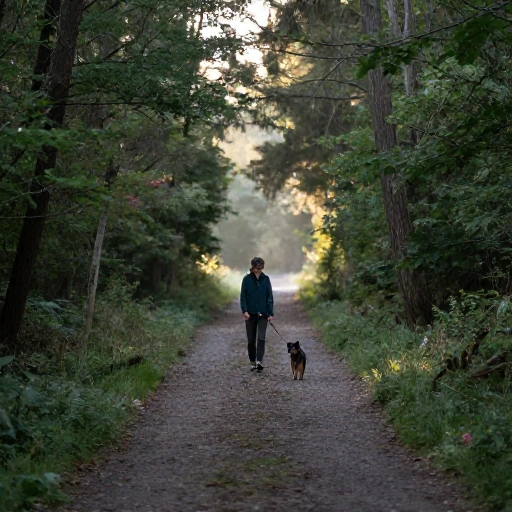
I used to walk my dog at peak hours because that is what “normal” people do. I had to let that go. Your life will look different, and that is okay.
We started walking at 6 AM and 9 PM. We drove to empty fields. We did decompression walks on long lines in the woods. It was not a failure; it was management.
Management is not giving up. It is giving your dog a chance to feel safe. Your routine should serve your dog’s nervous system, not the clock.
6. The Dog Is Mirroring Your Anxiety
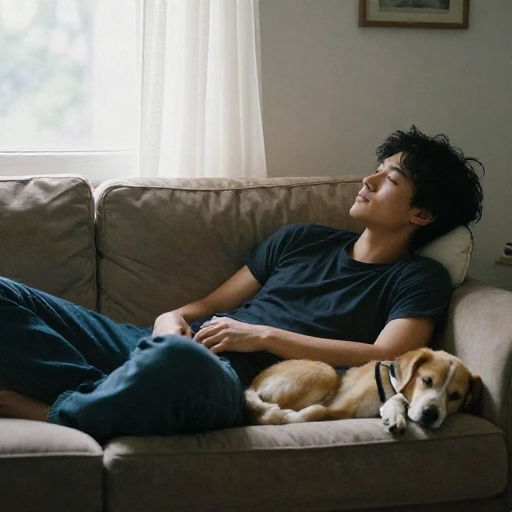
This one stung. I noticed that on days I was stressed, my dog reacted more. Dogs are masters at reading our body language. If you are tense, gripping the leash, and holding your breath, your dog knows something is wrong.
I had to learn to breathe. I practiced looking relaxed even when a dog appeared a block away. I pretended I was holding a cup of hot coffee that I did not want to spill.
When you relax, your dog gets permission to relax too. It is not magic, but it is real.
7. Progress Is Not a Straight Line
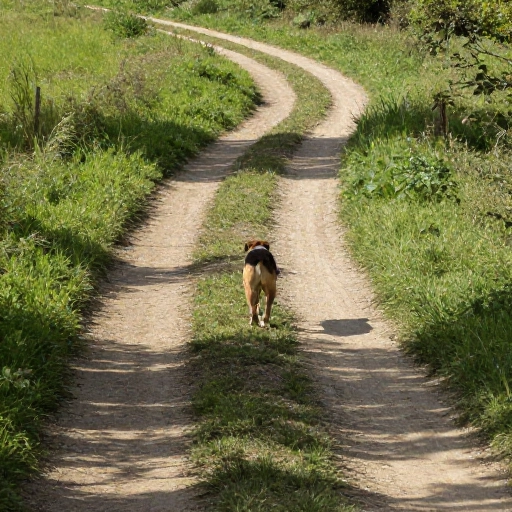
You will have good days and terrible days. My dog once went a full month without a single reaction. I thought we were “cured.” Then she had a huge meltdown over a golden retriever half a block away.
That is normal. Setbacks are not resets. They are just data. The brain takes time to rewire. One bad walk does not erase the ten good ones before it.
Be patient. Be boring. Stick with the plan. The line goes up, even if it zigzags.
8. You Are Not a Bad Owner
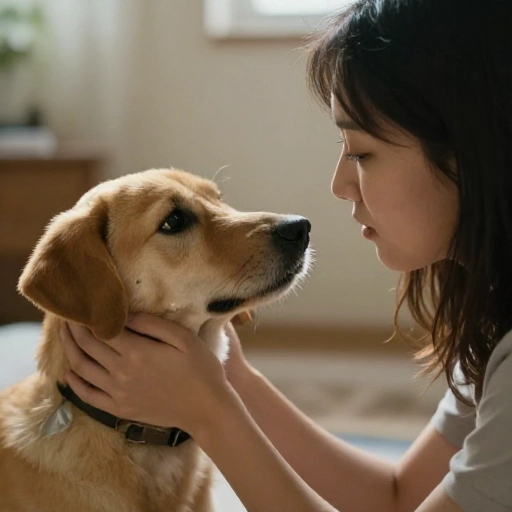
I spent years thinking I caused my dog’s reactivity. Maybe I did not socialize her enough. Maybe I babied her too much. Maybe I was not firm enough. That guilt almost broke me.
Here is the truth: reactivity often has a genetic component. Many reactive dogs are just born sensitive. It is not your fault.
You are the person who wakes up early to avoid triggers. You are the one who carries chicken in their pocket. You are a good owner. A bad owner would not care this much.

9. There Is Hope, But It Is Not a “Cure”
I will be honest: my dog will never be a cafe dog. She will never love crowded dog parks. And I have made peace with that.
But she can walk past a dog on the other side of the street now without losing her mind. She can greet calm, neutral dogs one at a time. She trusts me.
Reactivity is not something you “fix.” It is something you manage and improve over a lifetime. The goal is not a perfect dog. The goal is a happy, safe, and understood dog. That is enough.
Conclusion
Living with a reactive dog is hard, but it is also incredibly rewarding. You learn to read your dog’s subtle signals. You learn patience you never knew you had. You become their advocate.
Every small win—a loose leash, a quiet walk, a calm sniff—is a victory. You are doing the work. Keep going. Your dog is lucky to have you.
Frequently Asked Questions
Can reactive dogs ever be normal?
They can learn to cope and stay calm in many situations, but they might always be sensitive. “Normal” looks different for every dog. Focus on progress, not perfection.
Should I use a muzzle for my reactive dog?
A muzzle can be a great safety tool if you are worried about a bite. It is not cruel. It actually allows you to relax more, which helps your dog relax too. Always condition it positively with treats.
How long does it take to see improvement?
It depends on the dog and the consistency of training. Some see changes in a few weeks. Others take months. The key is to work under threshold and be very consistent.
Can medication help a reactive dog?
Yes, for some dogs. If your dog is constantly panicking and cannot learn, medication can lower their baseline anxiety enough for training to work. Talk to a veterinary behaviorist.
Is it okay to avoid triggers completely?
Management is important, but total avoidance usually does not help long term. You need to slowly, carefully expose your dog to triggers at a safe distance so they can learn to be neutral. But avoid overwhelming situations.