When Vomiting or Diarrhea Needs Veterinary Advice: 10 Signs I Never Ignore
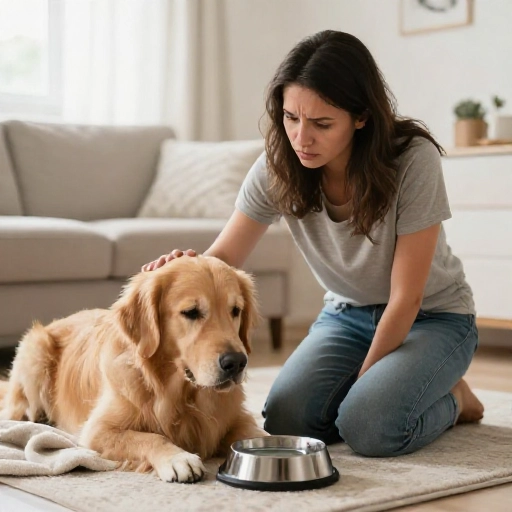
It usually starts with a mess on the rug. Maybe one pile of vomit or a loose stool. I tell myself it’s just something weird they ate. And sometimes, it is.
But vomiting and diarrhea can also be the first sign of something serious. Dehydration, blockages, toxins, infections—they all show up this way. The tricky part is knowing when to wait and when to call the vet.
These are the 10 signs I use to decide. They’re practical, not meant to scare you. When in doubt, a quick call to your vet is always worth it.
1. It Keeps Happening—More Than Once or Twice
One vomit or one loose stool can be a fluke. I usually watch my pet closely for a few hours. But if my dog vomits three or more times in a day, that’s different.
Same with diarrhea. If it lasts more than 24 hours, or repeats several times in a few hours, I stop waiting. Their body is losing water and electrolytes fast.
Repeated episodes are my first clue that this isn’t just a passing tummy ache.
2. I See Blood in the Vomit or Poop
Bright red blood in stool or vomit is a red flag. So is dark, tarry poop that looks like coffee grounds. That can mean digested blood from higher up.
Blood can come from ulcers, parasites, a toxin, or a bleeding disorder. I don’t try to treat this at home. I call the vet right away.
Even a small amount of blood deserves a professional look.
3. My Pet Can’t Keep Water Down
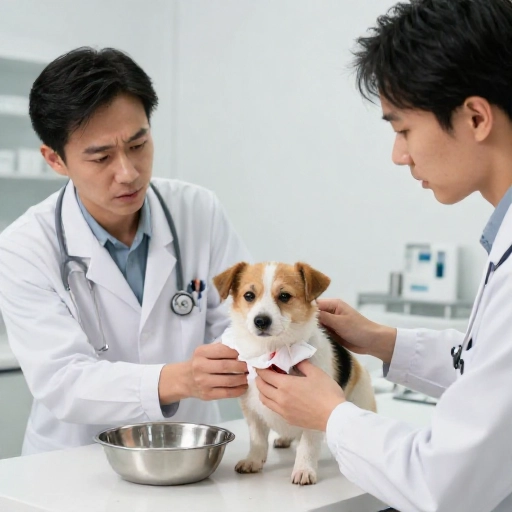
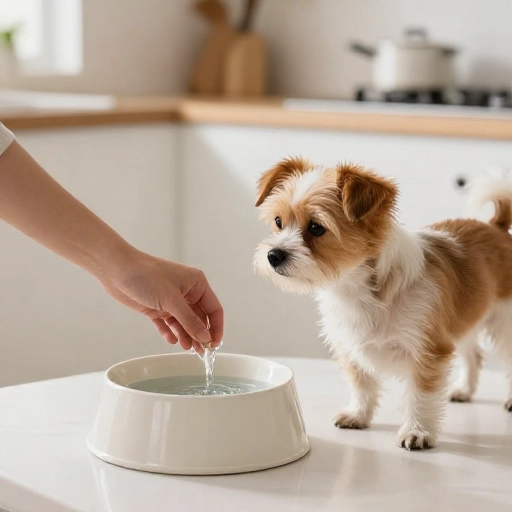
If my pet vomits every time they drink, they can’t stay hydrated. That’s a fast track to dehydration. I offer tiny amounts of water, but if it comes right back up, I stop.
Diarrhea plus refusing water is just as serious. I don’t wait for them to look worse. I call the vet and ask what to do next.
4. I Notice Signs of Dehydration
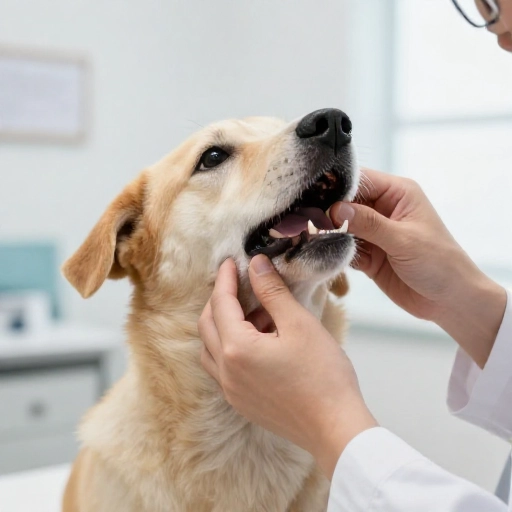
I check my pet’s gums. They should be wet and slick. If they feel dry or tacky, that’s a warning. I also gently pinch the skin on the back of their neck.
If it doesn’t snap back quickly, they may be dehydrated. Sunken eyes and low energy are more signs. With vomiting or diarrhea, dehydration can get worse by the hour.
That’s when I stop guessing and call the vet.
5. They’re Lethargic, Weak, or Collapsed
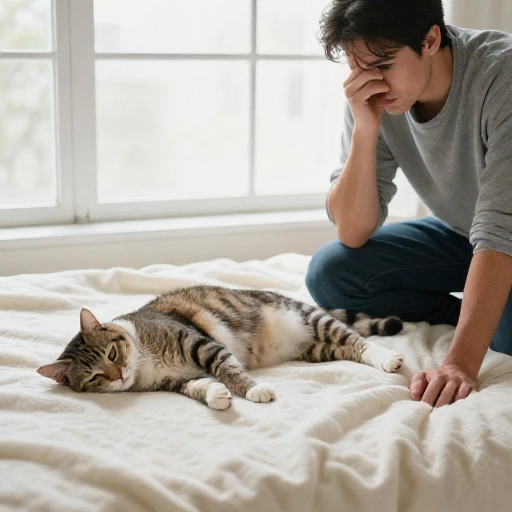
A pet who’s tired after throwing up might just need rest. But if they can’t stand, seem confused, or won’t respond to me, that’s an emergency.
Weakness and collapse can mean low blood sugar, severe dehydration, or internal bleeding. I don’t wait for morning. I go to the vet now.
6. Their Belly Looks Bloated or Feels Painful
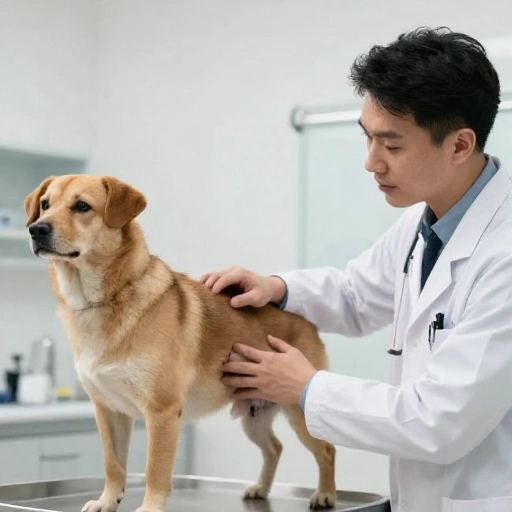
A hard, swollen belly with vomiting or diarrhea worries me. It can be bloat, an obstruction, or pancreatitis. Those need urgent care.
If my dog paces, pants, or yelps when I touch their belly, I don’t wait. I call the vet and describe what I see.
7. There’s a Fever or Unusual Temperature
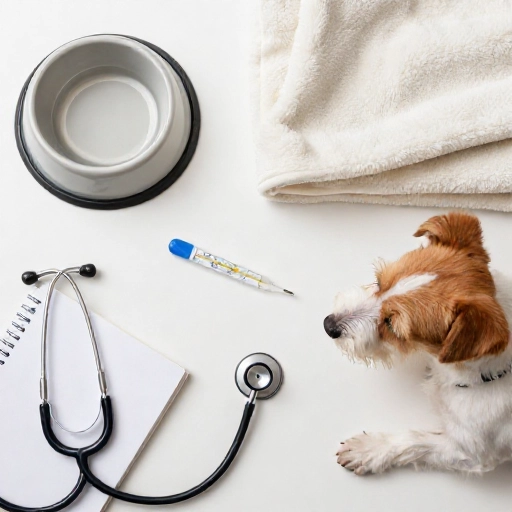
Fever often means infection or inflammation. A low body temperature can be even more dangerous. I don’t guess with a human thermometer unless my vet says it’s okay.
A rectal temperature is the most accurate. If it’s above or below normal, I call the vet. Vomiting and diarrhea plus a weird temp is not a wait-and-see situation.

8. Other Symptoms Show Up Together
Trembling, drooling, pacing, whining, hiding. When vomiting or diarrhea comes with these, it’s usually more than a simple stomach bug.
It could be pain, nausea, or exposure to something toxic. I’ve learned that a cluster of symptoms is my cue to call the vet.
9. I Suspect They Ate Something Toxic or Foreign
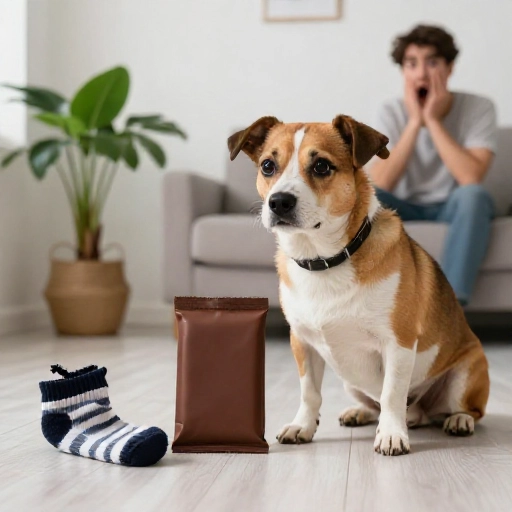
Chocolate, xylitol, grapes, raisins, medications, toys, bones—if I think my pet ate something they shouldn’t have, I call the vet or poison control right away.
I don’t wait for vomiting or diarrhea to start. Those signs may come later. By then, the problem could be worse.
10. My Pet Is Very Young, Very Old, or Already Sick
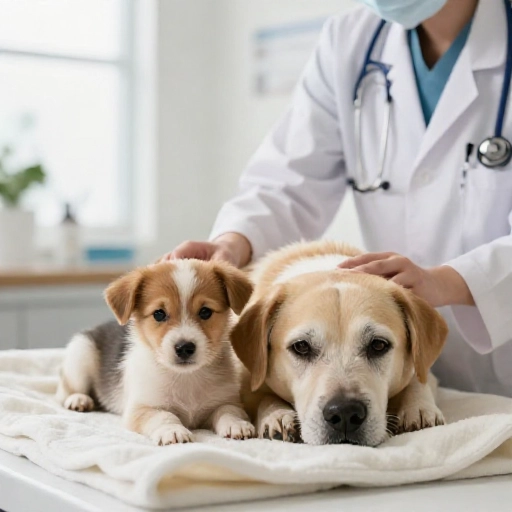
Puppies, kittens, and senior pets dehydrate faster. So do pets with diabetes, kidney disease, or cancer. Their bodies don’t bounce back as quickly.
For them, I set a lower threshold for calling the vet. Even one day of vomiting or diarrhea can turn serious. I’d rather call early than regret waiting.
Conclusion
Vomiting and diarrhea are common, but they’re not always harmless. I watch for repeated episodes, blood, dehydration, pain, and changes in behavior. Those are my biggest cues to call the vet.
Trust your gut. If something feels off, it probably is. A phone call costs less than an emergency visit—and it can save your pet’s life.
FAQ
Q: How long should I wait before calling the vet for diarrhea?
A: If it lasts more than 24 hours, or if your pet is very young, old, or already sick, call sooner. Don’t wait if there’s blood or dehydration.
Q: Can I give my pet human medicine for vomiting?
A: No. Some human meds are toxic to pets. Always ask your vet first.
Q: What if my pet vomits once but seems fine?
A: That can be normal. Watch them for a few hours. If they eat, drink, and act normal, it may pass. If it repeats, call the vet.
Q: Is diarrhea always an emergency?
A: No. A single loose stool can be minor. But repeated diarrhea, blood, pain, or lethargy needs veterinary advice.
Q: Should I withhold food or water when my pet is vomiting?
A: Don’t withhold water completely. Offer small amounts. For food, ask your vet. Fasting isn’t right for every pet, especially puppies.