Why Dog Training Stalls (And How to Fix It Fast!) – 10 Common Reasons Your Dog Isn’t Progressing

I still remember the day I almost gave up on training my dog. We’d been working on “stay” for weeks, and suddenly he acted like he’d never heard the word. I felt frustrated, embarrassed, and honestly a little defeated. But here’s what I learned: training plateaus are totally normal. They happen to everyone, even professional trainers.
The good news? A stall doesn’t mean you’ve failed. It usually means something small needs adjusting. In this post, I’m sharing the 10 most common reasons dog training stalls—and exactly how to fix each one. Whether you’re stuck on recall, leash manners, or basic obedience, these practical tips will help you get unstuck.
Let’s dive in.
1. Your Cues Are Confusing (And Everyone Says Them Differently)
If you’re saying “sit” while your partner says “sit down” and your kids say “sit boy,” your dog is hearing three different words. That’s confusing. Dogs need consistency to learn. I once spent a month wondering why my dog ignored “down” until I realized my roommate was using “lay.”
- Choose one word and one hand signal per behavior.
- Write it down and tell everyone in the house.
- Practice together so you all sound the same.
Trust me, this alone can unlock progress. Get the whole family on board, and you’ll see a difference within days.
2. Your Training Sessions Are Too Long (Or Too Boring)
I used to think longer sessions meant faster results. Nope. Dogs have short attention spans. After 5–10 minutes, they tune out. If you’re drilling the same thing for 30 minutes, you’re both getting frustrated.
Keep sessions short and sweet. Five minutes, three times a day works better than one long marathon. End on a high note, and make it fun—mix in easy wins and a little play.
- 5-minute sessions max.
- 3 short sessions per day.
- Always end with success.
Your dog will stay eager and focused, and you’ll both enjoy training way more.
3. Your Rewards Aren’t Valuable Enough
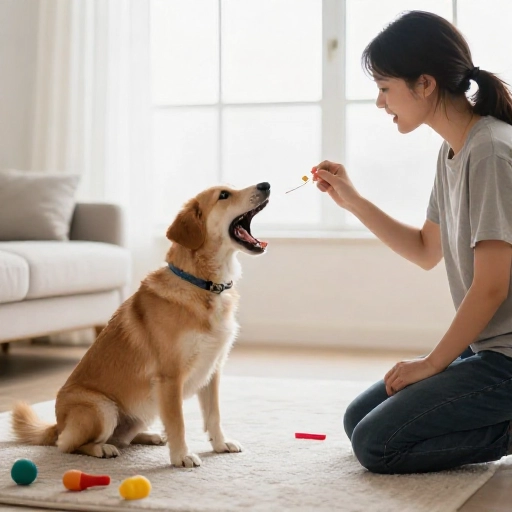
If your dog would rather sniff that bush than eat the boring kibble you’re offering, you’ve got a motivation problem. Not all treats are created equal. What works in your living room might not work at the park.
Figure out your dog’s top 3 reinforcers. Could be cheese, chicken, a tug toy, or a ball. Use the good stuff for hard stuff. And always pay up—especially when they nail a tough behavior.
- Use high-value treats for distractions.
- Rotate rewards to keep it exciting.
- Pay generously for hard tasks.
When your dog knows the payout is worth it, they’ll work harder for you.

4. You’re Moving Too Fast Through the Steps
I’ve been guilty of this. I’d teach “down” once and expect my dog to do it in the middle of a busy street. That’s like expecting a toddler to do calculus after learning to count. You have to break behaviors into tiny pieces.
Split each skill into micro-steps. For recall: look at you, take one step, come two steps, come from another room, etc. Only move on when your dog is 90% successful at the current step.
- Break it down.
- Master one step before adding difficulty.
- 90% success rate before moving on.
Slow is smooth, and smooth is fast. Rushing just creates holes in your training.

5. Distractions Are Too High Too Soon
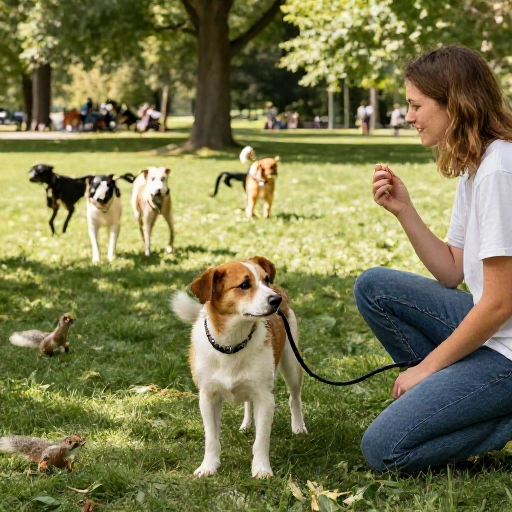
Your dog can sit perfectly in the kitchen. But at the farmer’s market? Forget it. That’s because you haven’t proofed the behavior against distractions. Dogs don’t generalize well; they learn in context.
Start in a boring place. Then add tiny distractions: a person walking by, a toy on the floor, a distant dog. Gradually increase difficulty. If your dog fails, you moved too fast—go back a step.
- Start easy.
- Add one distraction at a time.
- Retreat if they fail.
With patience, your dog will learn to focus no matter what’s going on around them.
6. You’re Ignoring Your Dog’s Breed (Or Personality)
A border collie and a bulldog learn differently. Herding breeds might get bored with repetition; terriers might need more movement. Also, some dogs are shy, some are bold. One-size-fits-all training doesn’t work.
Learn about your dog’s breed traits and individual quirks. Does your dog need more mental stimulation? More physical exercise before training? Adjust your approach to match their needs. For example, I have to run my husky before training or he’s too wired to focus.
- Know your breed’s tendencies.
- Match training style to your dog.
- Exercise before training if needed.
When you work with your dog’s nature instead of against it, everything clicks faster.
7. You’re Punishing Mistakes Instead of Rewarding Success
I get it—when your dog ignores you, it’s tempting to yell or yank the leash. But punishment often backfires. It can make your dog anxious, fearful, or shut down. They might stop offering behaviors altogether because they’re afraid of getting it wrong.
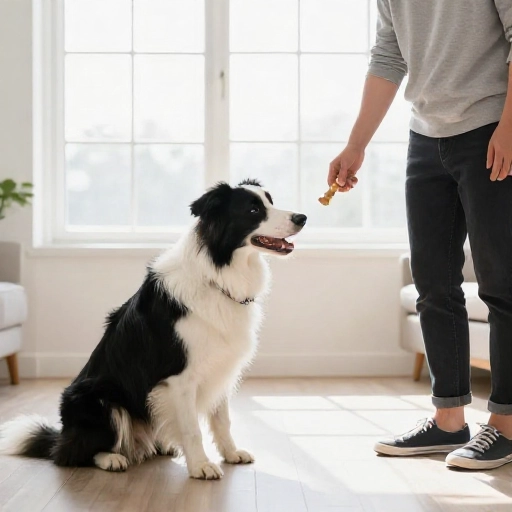
Flip the script. Focus on what your dog does right. Reward heavily for correct choices. If they mess up, just reset and try again with less difficulty. Positive reinforcement builds confidence and eagerness to learn.
- Catch them being good.
- Reward often.
- Ignore or redirect mistakes.
A happy dog learns faster than a worried one. Keep it positive and watch your dog bloom.

8. You Haven’t Generalized the Behavior to New Places
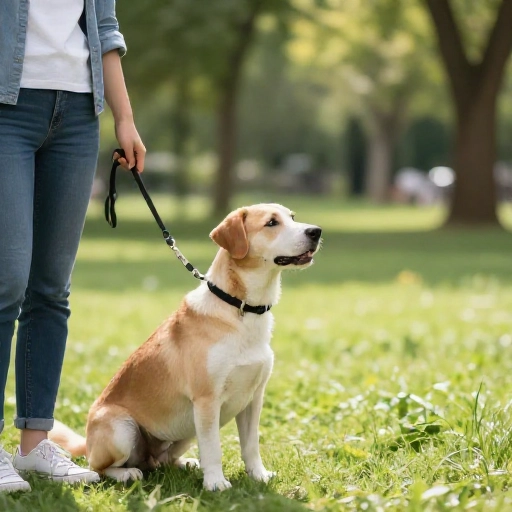
Your dog listens in the living room but not in the backyard? That’s because they haven’t generalized the behavior. Dogs don’t automatically know that “sit” means sit everywhere. You have to practice in many locations.
Take your training on the road. Practice in the hallway, front yard, sidewalk, park, pet store. Start easy in each new place and build up. Soon, your dog will learn that “sit” means sit no matter where you are.
- Practice in 5+ different locations.
- Start easy in each new spot.
- Gradually add distractions.
The world becomes your training ground, and your dog becomes reliable everywhere.
9. Your Training Schedule Is Inconsistent
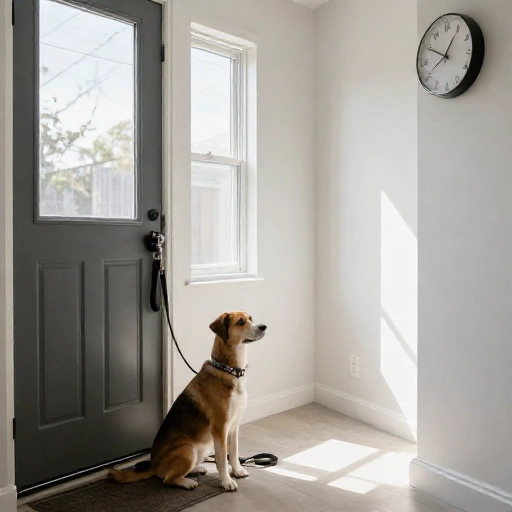
If you only train when you feel like it, progress will stall. Dogs thrive on routine. They learn faster when training is a regular part of the day. I know life gets busy, but even 5 minutes daily beats one hour on the weekend.
Set a daily reminder. Attach training to existing habits—before breakfast, after walks, during commercial breaks. Keep it short and consistent. You’ll see way more progress.
- Train daily (even 5 minutes).
- Pair with existing routines.
- Use a reminder or calendar.
Consistency tells your dog that training is just part of life—not a random event.
10. There’s an Underlying Health or Stress Issue
Sometimes training stalls because your dog isn’t feeling well. Pain, anxiety, or stress can make it hard for them to focus or learn. If your dog suddenly regresses or seems off, consider a vet check. I once spent weeks trying to fix a “stubborn” behavior that turned out to be an ear infection.
Rule out medical issues first. Look at stress signals: lip licking, yawning, tucked tail, avoiding eyes. Reduce stress in the environment. Talk to your vet or a behaviorist if needed.
- Vet check for sudden changes.
- Watch for stress signals.
- Address anxiety before training.
Once the underlying issue is handled, training often gets back on track almost immediately.

Final Thoughts
Training stalls don’t mean you’re failing. They’re just signals that something needs a tweak. I’ve hit every single one of these roadblocks, and each time, fixing the root cause got us moving again. Be patient with yourself and your dog. Small adjustments make a big difference.
Pick one reason from this list that resonates with you. Try the fix for a week. I bet you’ll see progress. And remember: every dog learns at their own pace. Celebrate the little wins.
Frequently Asked Questions (FAQ)
How long does it take to see progress in dog training?
Every dog is different. Some pick up new skills in days, others take weeks. Focus on small wins. Consistency is key. If you’re stuck for more than a couple weeks, revisit the 10 reasons above.
What if my dog only listens when I have treats?
That’s normal! Treats are a training tool. You can fade them later by using a variable schedule (sometimes treat, sometimes praise, sometimes toy). But first, build the behavior. Don’t rush to phase out treats too soon.
Should I train my dog every day?
Yes, but keep it short. 5–10 minutes daily is better than one long session. Your dog will learn faster with frequent, fun mini-sessions. Rest days are okay, but consistency matters.
My dog is stubborn. Is that a thing?
“Stubborn” often means unmotivated, confused, or stressed. Dogs aren’t stubborn on purpose. Reevaluate your rewards, your cues, and your dog’s health. Usually, there’s a fixable reason.
When should I hire a professional trainer?
If you’ve tried these fixes and still feel stuck, or if your dog shows aggression, severe anxiety, or fear, it’s time for professional help. A certified force-free trainer can give you personalized guidance.