Step-by-Step At-Home Grooming Routine for Dogs: A Calm, Clean, and Easy Guide
I used to think grooming my dog at home meant a chaotic bath, a soaked bathroom, and a pup who avoided me for an hour. Then I figured out a simple step-by-step routine that keeps my dog clean, comfortable, and much less stressed.
This at-home grooming routine isn’t about becoming a professional groomer. It’s about doing the basics well: brushing, bathing, drying, nails, ears, teeth, and a few finishing touches. You can do it all in one go, or split it over a few days.
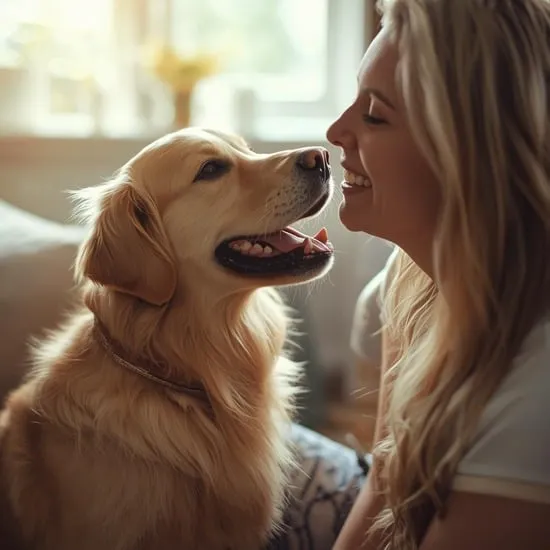
Grab some treats, wear clothes you don’t mind getting wet, and let’s make grooming feel more like bonding time and less like a wrestling match.
1. Set Up a Calm Grooming Station Before You Start
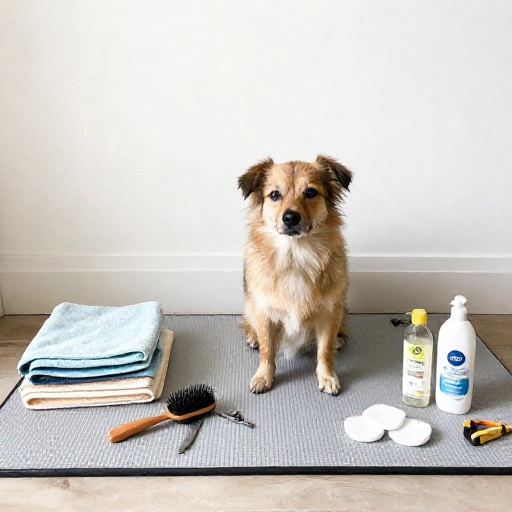
Before I bring my dog anywhere near the tub, I get everything ready. A missing towel or slippery floor can turn a relaxed dog into a wiggly escape artist in seconds.
- Non-slip mat for the tub or floor
- Dog-safe shampoo and conditioner
- Brush, comb, nail clippers or grinder, styptic powder
- Ear cleaner, cotton balls, dog toothbrush and toothpaste
- Lots of small, high-value treats
I also choose a time when my dog is tired but not cranky—after a walk or a nap works well. Soft music, warm water, and a calm voice set the mood before we even start.
2. Brush First—Always
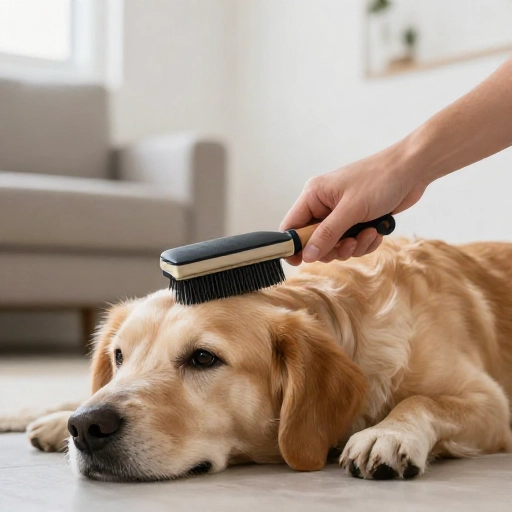
Brushing before a bath is non-negotiable in my house. It removes loose fur, dirt, and dander, and it prevents mats from tightening up when water hits them.
I use a slicker brush for most of the body, then a metal comb to check for hidden knots behind the ears, under the collar, in the armpits, and around the tail. If I find a mat, I don’t rip through it. I spray a little detangler, work from the outside in, and take my time.
Short-haired dogs might only need a quick rubber curry brush. Long-haired dogs need a few extra minutes. Either way, brushing is the step that makes everything else easier.
3. Decide If a Bath Is Actually Needed
Dogs don’t need a bath every week. Too much shampoo can dry out their skin and strip natural oils. For many dogs, every four to eight weeks is plenty—unless they rolled in something mysterious.
I check three things: smell, visible dirt, and coat texture. If my dog smells fine and the coat looks clean, I skip the full bath and just do a spot clean with a damp washcloth.
When it is bath time, I use lukewarm water. Hot water irritates skin, and cold water makes everyone miserable. I also put a cotton ball in each ear (not deep) to keep water out, and I keep treats within reach.
4. Wash the Coat from Neck to Tail
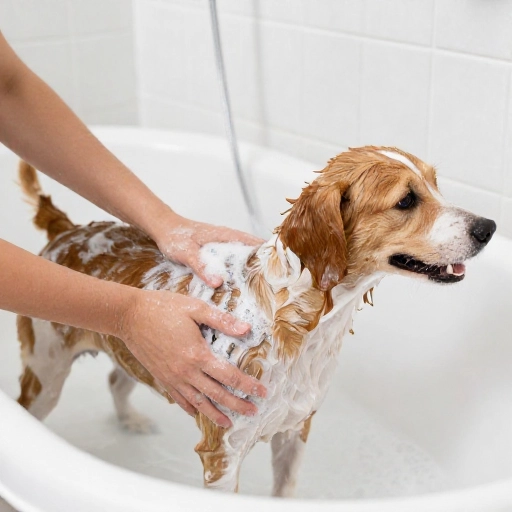
I wet my dog’s coat thoroughly, then apply diluted dog shampoo. Diluting it first helps it spread evenly and rinse out faster. I start behind the ears and work my way down the neck, back, sides, belly, and legs.
I wash the face last with a damp washcloth and a tiny bit of shampoo—never a direct spray. Eyes and ears stay clear. For paws, I gently massage between the pads where dirt likes to hide.
I don’t scrub mats or tangles. That just makes them tighter. If I missed a knot during brushing, I leave it for after the bath when the coat is dry and I can work on it safely.
5. Rinse, Condition, and Rinse Again
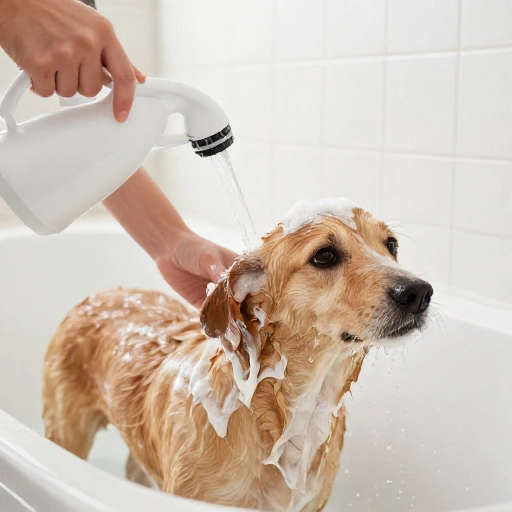
Rinsing is the step most people rush, and it’s the one that causes itchy skin and dull coats. I rinse until the water runs completely clear and the fur feels squeaky clean—not slippery.
If my dog has a long or curly coat, I use a small amount of dog conditioner on the ends and mid-lengths, avoiding the roots and face. Then I rinse again, and again, until I’m sure there’s no residue left.
Leftover shampoo or conditioner can trap dirt and irritate skin. A few extra minutes of rinsing saves days of scratching later.
6. Dry Your Dog Safely (No Shivering or Wet Dog Smell)
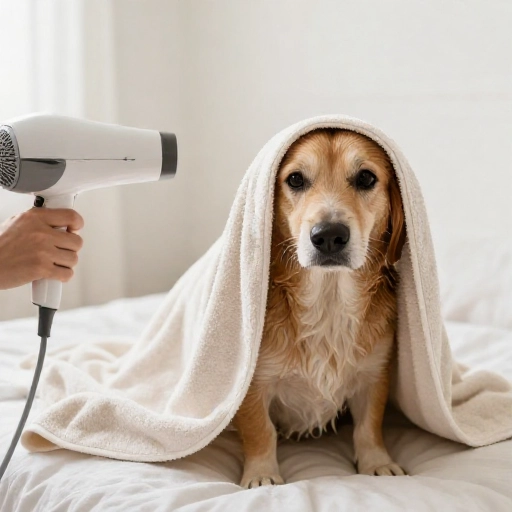
I start with a microfiber towel and blot—not rub—the coat. Rubbing causes tangles, especially on long-haired dogs. I squeeze water out of the legs and tail gently.
If my dog tolerates a blow dryer, I use it on the lowest heat and coolest setting. I keep it moving, never point it at one spot, and keep it away from the face. I also talk in a happy voice and give treats so the dryer feels less scary.
For dogs who hate dryers, I let them air dry in a warm room and towel them off every few minutes. I never leave a wet dog in a cold draft. Once dry, I do a final comb-through to fluff the coat and check for any missed tangles.
7. Trim Nails in Tiny Steps
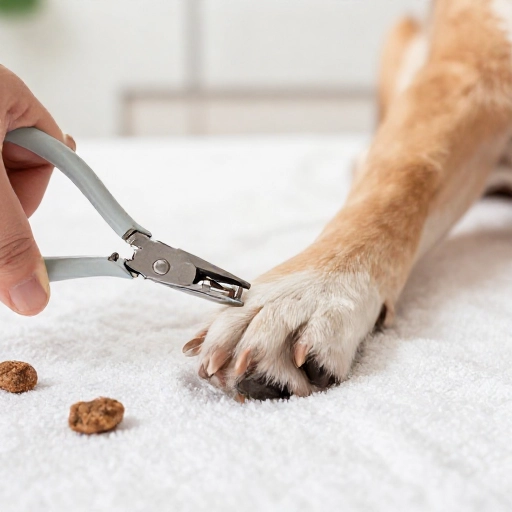
Nail trims make many dog parents nervous, and I get it. The quick—the pink part inside the nail—can bleed if you cut too far. So I go slow and take tiny tips.
- Use sharp clippers or a quiet nail grinder.
- Hold the paw firmly but gently.
- Cut small slivers, checking the nail center after each one.
- Keep styptic powder nearby just in case.
If my dog hates nail day, I do one paw per day instead of all four at once. Treats after every nail help a lot. If I can hear nails clicking on the floor, it’s probably time for a trim.
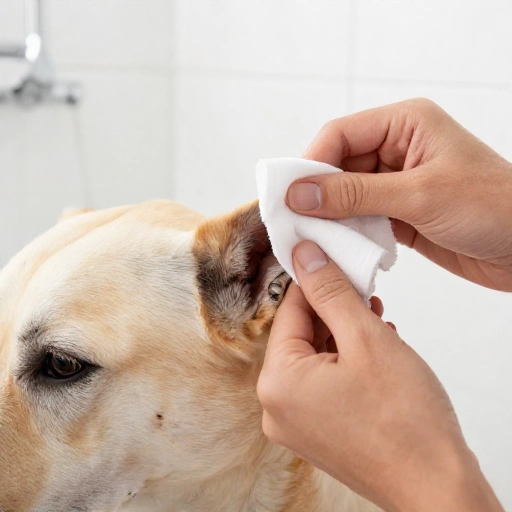
8. Clean Ears Gently, Never Deeply
I check my dog’s ears once a week. Healthy ears are pale pink, dry, and mostly odor-free. If I see redness, swelling, dark debris, or smell something yeasty, I call the vet instead of guessing.
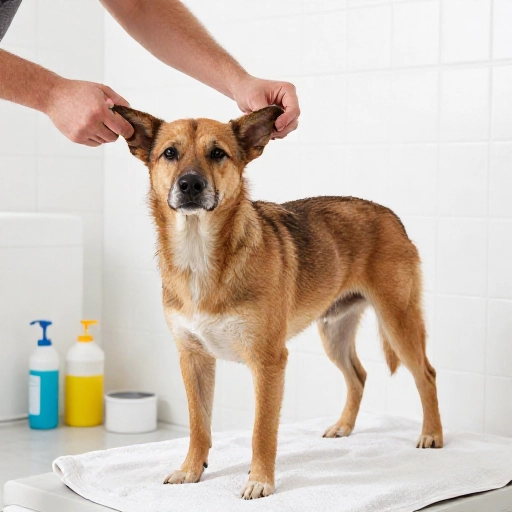
For routine cleaning, I use a vet-approved ear cleaner and a cotton ball. I lift the ear flap, squeeze a little cleaner into the canal, massage the base for a few seconds, then let my dog shake. After that, I wipe away what comes to the surface.
I never push cotton swabs or my finger deep into the ear canal. That can pack wax in or hurt the eardrum. Gentle surface cleaning is all that’s needed for most dogs.
9. Brush Those Teeth—Yes, It Counts as Grooming
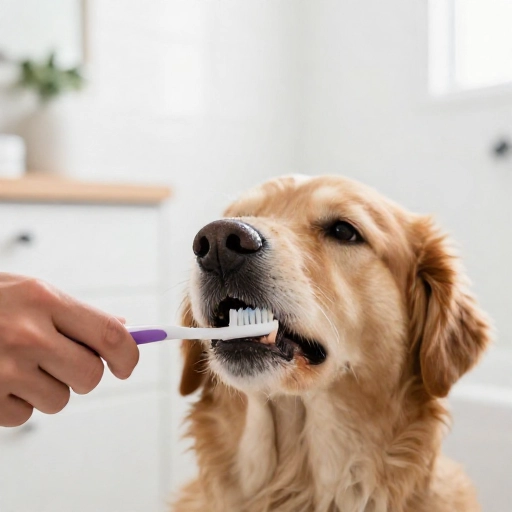
Dental care is part of grooming, even if it doesn’t happen in the tub. I use dog-specific toothpaste—never human toothpaste—and a soft toothbrush or finger brush.
I start by letting my dog lick a little toothpaste off my finger, then I lift the lip and brush in small circles along the gum line. I focus on the outer surfaces of the teeth, where plaque builds up fastest.
Daily brushing is ideal, but a few times a week still helps a lot. If my dog’s breath is suddenly terrible or the gums bleed, I book a vet visit. Bad breath isn’t just a grooming issue; it can be a health clue.
10. Finish with Paws, Sanitary Trim, and a Reward
After the bath and dry, I check the paws. I trim any hair growing between the pads if it’s collecting mud or causing slipping. I also wipe the paws with a damp cloth to remove leftover dirt.
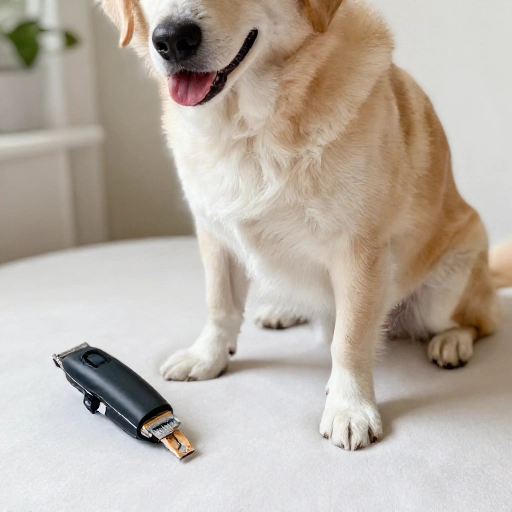
For a sanitary trim, I use blunt-tipped scissors and only trim around the rear end and belly area if needed. I go slow, keep the scissors parallel to the skin, and never trim near delicate parts unless I’m confident. If I’m not, I leave it to a pro.
Then comes the best part: a calm reward. A favorite treat, a chew, or a quiet cuddle tells my dog that grooming is safe. That positive ending makes the next grooming day so much easier.
Conclusion: Make It a Routine, Not a Race
An at-home grooming routine works best when it’s consistent, not perfect. I don’t always do everything in one day. Sometimes it’s brushing on Monday, nails on Wednesday, and a bath on the weekend.
What matters is that my dog learns what to expect and trusts me a little more each time. With a calm setup, the right tools, and plenty of treats, grooming becomes less of a battle and more of a regular part of caring for my best friend.
FAQ: At-Home Dog Grooming Questions
How often should I groom my dog at home? It depends on the coat. Short-haired dogs may only need weekly brushing and a bath every 4–8 weeks. Long-haired or curly-coated dogs often need brushing several times a week and more frequent trims.
What if my dog hates baths? Start with shallow lukewarm water, a non-slip mat, and treats before, during, and after. You can also try a damp washcloth bath first. Keep sessions short and end on a positive note.
Can I use human shampoo on my dog? No. Human shampoo can disrupt a dog’s skin pH and cause dryness or itching. Use a gentle dog-specific shampoo instead.
How do I stop nail bleeding if I cut the quick? Press styptic powder, cornstarch, or a clean cloth against the nail for a few minutes. Stay calm, give treats, and avoid cutting that nail again for a while.
How often should I brush my dog’s teeth? Daily is best. If daily isn’t realistic, aim for at least three to four times a week. Use dog toothpaste and a soft brush, and check for redness or bad breath.