10 DIY Dog Fence Ideas for Large Dogs That Actually Keep Them Home
Let me guess—you have a big, beautiful dog with a big, beautiful personality, and they’ve figured out how to escape your yard. Again. Large breeds like German Shepherds, Huskies, and Labs are smart, athletic, and sometimes a little too determined to explore the neighborhood. Fencing a big dog isn’t just about keeping them in; it’s about keeping them safe and giving you peace of mind.
Store-bought fencing can cost a fortune, but DIY options are way more affordable than you think. I’ve rounded up ten creative, sturdy, and budget-friendly fence ideas that work for big dogs. Some are classic, some are clever, and all of them are doable for a weekend warrior. Let’s get your yard secure!
1. The Classic Wood Privacy Fence Upgrade
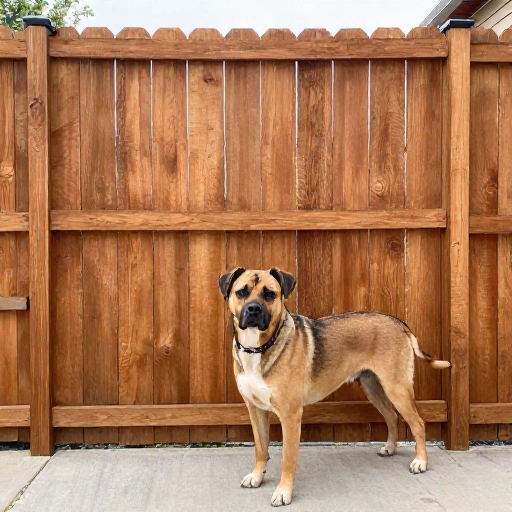
If you already have a wood fence but your large dog is jumping it or squeezing through gaps, you don’t need to start from scratch. Add height by attaching rolled fencing or lattice to the top of your existing panels. This is one of the most straightforward DIY fixes.
For dogs that like to dig, bury a few inches of chicken wire or hardware cloth along the bottom edge. Staple it to the wood posts and curl it outward in an “L” shape underground. This stops determined diggers in their tracks without ruining your yard’s look.
Make sure all nails and staples are flush with the wood. Big dogs push against fences with force, and a loose staple is an invitation to tear the whole thing down.
This upgrade is budget-friendly, uses materials you might already have, and can be done in a single afternoon.
2. The Invisible Electric Fence for Problem Diggers
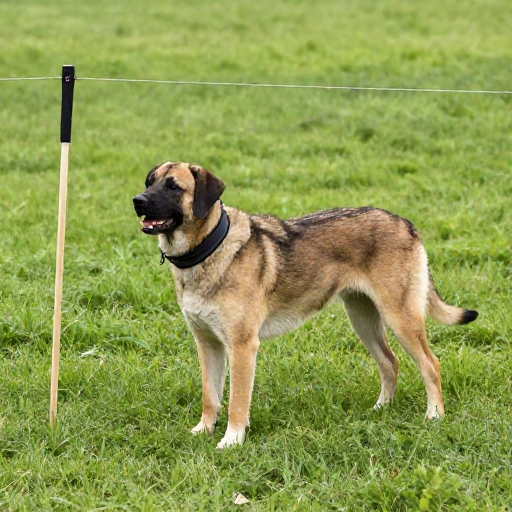
Not all dogs are diggers—some are jumpers, and some are just stubborn. Invisible fences use a buried wire and a collar that gives a mild static correction when your dog crosses the boundary. This is a great option if you don’t want to change the look of your yard at all.
You’ll need to bury the wire about 1 to 3 inches deep, which is honestly the most tedious part. Rent a sod cutter if you have a big yard—it’ll save your back. The wire connects to a transmitter in your garage or basement.
Keep in mind, this fence works on training, not physical barriers. It’s perfect for dogs that respect boundaries, but not for dogs with high prey drive who might chase a squirrel through the line anyway. It’s a fantastic, invisible solution for large yards.
3. The Cattle Panel Fence for a Rustic Farm Look
Cattle panels are those heavy-duty galvanized wire panels you find at farm supply stores. They’re about 16 feet long and 50 inches tall. They are incredibly strong and perfect for large, powerful dogs. You can set them up as a temporary fence or make them permanent.
Drive sturdy T-posts into the ground every 6 to 8 feet, then attach the cattle panels to the posts using zip ties or wire. The panels are flexible enough to curve around corners, but strong enough to stop a 100-pound dog from pushing through.
This is one of the most affordable options for a large area. Just be aware that the 50-inch height might not stop a super-athletic jumper. You can easily add a second panel on top if needed. It’s rustic, durable, and looks great on acreage.
4. The PVC Pipe and Netting Fence for a Temporary Solution
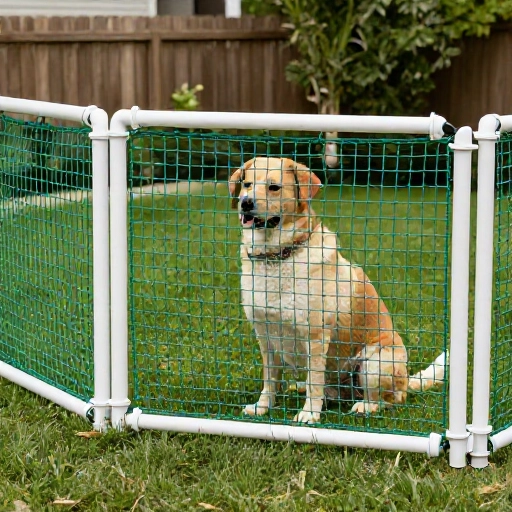
Maybe you’re renting, or maybe you just need a fence for a few months while you train your dog. PVC pipes and deer netting make a surprisingly effective temporary barrier. It’s light, cheap, and can be taken down in minutes.
Use 1-inch PVC pipes as stakes, hammer them into the ground, and zip-tie the netting to them. The netting is almost invisible from a distance, which gives you a nice, open view of your yard. It’s not meant to stop a charging dog, but it will act as a visual and physical deterrent.
For more stability, fill the PVC pipes with sand or concrete. This prevents them from pulling out of the ground when your dog leans on the netting. This is a great option for camping trips or if you’re traveling with your dog.
5. The Chain Link Fence with a Privacy Slat Upgrade
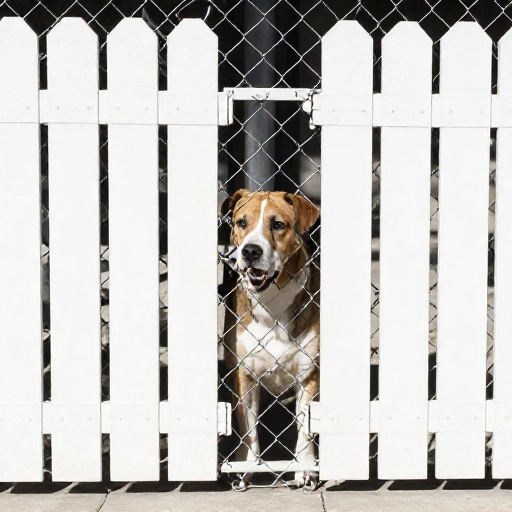
Chain link is a classic dog fence, but it has a few downsides—it’s see-through, and some dogs will bark at everything that passes by. The DIY twist here is to weave privacy slats into the chain link. This blocks your dog’s view and reduces their anxiety.
You can buy aluminum or vinyl slats that slide right into the chain link’s diamond pattern. They come in tons of colors, from green to wood-tone. This makes the fence look more like a solid wall, which also stops dogs from trying to bite or climb the wire.
If you have a digger, add a concrete curb along the bottom or bury the bottom of the chain link a few inches deep. This combo of privacy and durability is a favorite for many big-dog owners.
6. The Horse Fence for a Super Strong Barrier
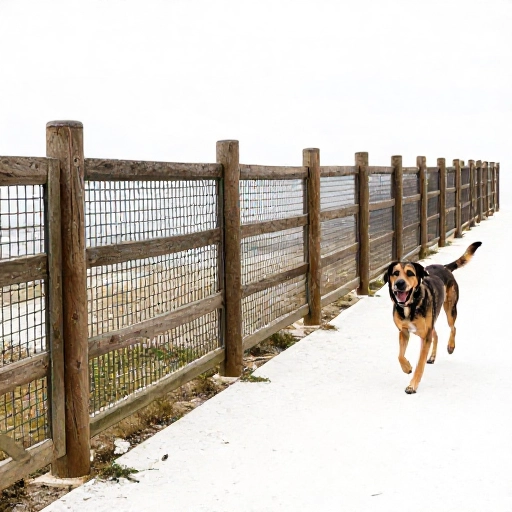
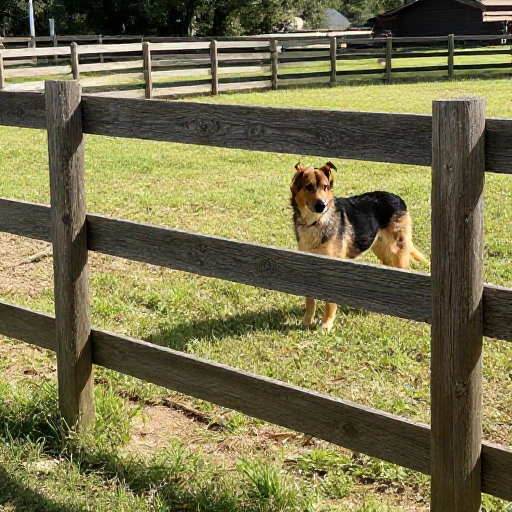
Horse fencing, usually made of heavy-duty vinyl or wood planks, is built to withstand large animals. If it can hold a 1,200-pound horse, it’s got no problem with your Great Dane. This is a premium option, but it’s perfect if you want a fence that lasts decades.
The key here is spacing. Some horse fences have large gaps between boards, which a big dog can slip through. Choose a design with narrow gaps or add a wire mesh to the inside. The wood looks beautiful and adds serious curb appeal.
Installation is more involved—you’ll need to set posts deep in concrete. But honestly, once it’s up, you’ll never have to think about it again. It’s a true set-it-and-forget-it solution.
7. The Pallet Fence for a Rustic, Budget-Friendly Build
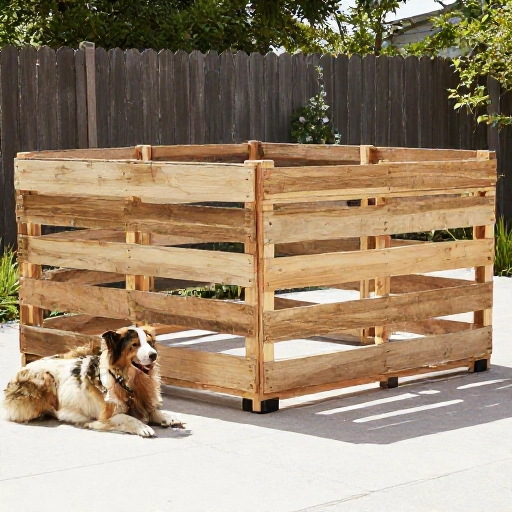
If you’re on a tight budget, wood pallets are your best friend. Many businesses give them away for free. You can stand them upright, side by side, and attach them to posts to create a solid, rustic fence. It’s a fantastic weekend project.
Sand the pallets down to avoid splinters, and make sure to choose pallets that are in good condition. You’ll want to secure them together with screws, not just nails, because big dogs will lean and push. Add a top rail for extra stability and a cleaner look.
This fence is great for large dogs because it’s solid—they can’t see through it, which reduces barking triggers. It’s not the prettiest fence, but a coat of stain or paint can transform it into something charming.
8. The Rake-In Fence for a No-Dig Solution
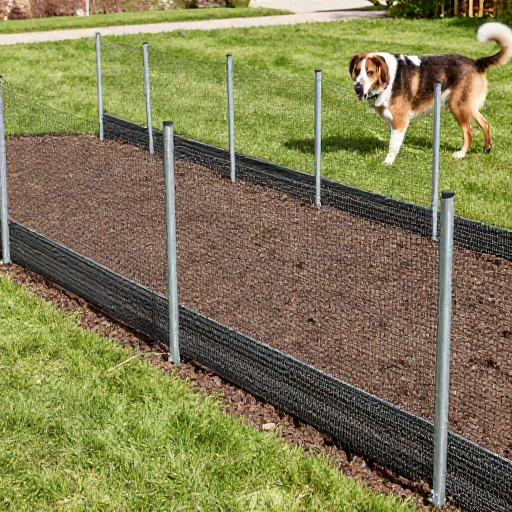
Digging post holes is hard work. If you have rocky soil or just want an easier install, try a “rake-in” fence. This uses long, pointed steel stakes that you hammer directly into the ground, no concrete needed. It’s perfect for a quick install.
You can pair these stakes with welded wire fencing or even pre-made fence panels. The stakes are long and sturdy enough to hold up against a large dog’s weight. Just hammer them down deep and attach your fence material.
This is more of a temporary or semi-permanent solution. After a few seasons, the ground might loosen up, and you’ll need to re-tamp the stakes. But for a fast, reliable barrier, it’s hard to beat the ease of this method.
9. The Concrete Post and Wire Fence for Maximum Security
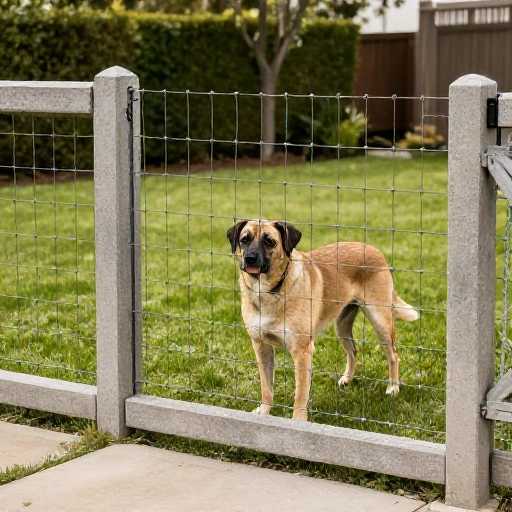
For the ultimate in durability, nothing beats concrete posts. These are heavy, weatherproof, and will never rot or warp. You set them in concrete footings, then stretch high-tensile wire between them. This is a serious fence for serious dogs.
This is a labor-intensive project—mixing concrete and hauling posts is a workout. But the result is a fence that can handle any dog, no matter how strong or determined. Use welded wire or a combination of wire and wood slats for the actual barrier.
This type of fence is very low maintenance and can last 30 years or more. It’s the last fence you’ll ever need to build for your furry friend.
10. The Portable Exercise Pen (X-Pen) for a Flexible Zone
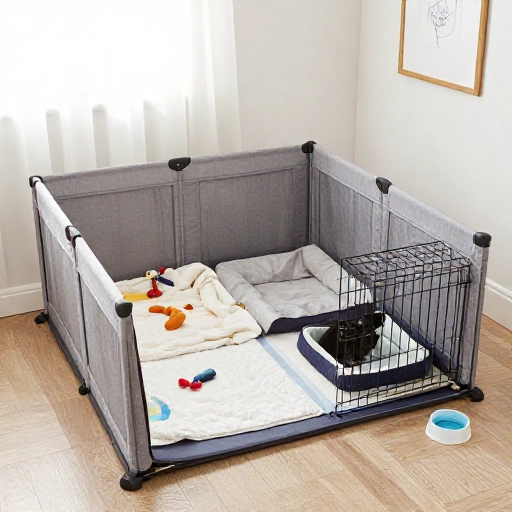
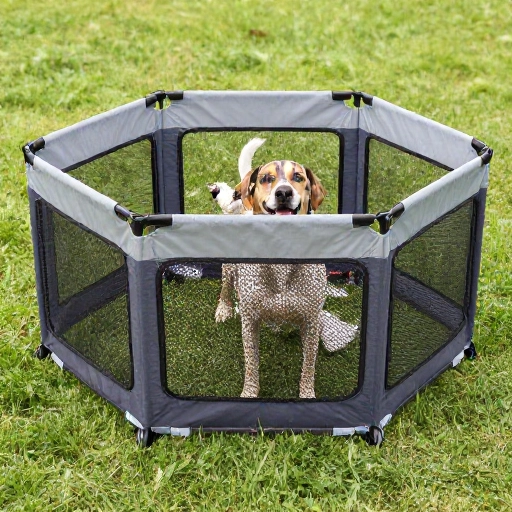
Okay, this isn’t a full-yard fence, but it’s a brilliant DIY hack for large dogs. You can buy heavy-duty exercise pens (sometimes called X-pens) designed for large breeds. They’re modular, so you can connect multiple panels to create a huge, safe play area.
Instead of buying one, you can build your own using cattle panels and T-posts. This gives you the flexibility to move the pen around your yard, so you can rotate the grass and prevent dead spots. It’s perfect for giving your dog supervised outdoor time.
This is a great option if you don’t want to fence your entire property. You can create a massive 20×20 foot enclosure for a fraction of the cost of a permanent fence. It’s smart, practical, and super convenient.
Conclusion
There’s a perfect DIY fence out there for every big dog and every backyard. Whether you’re looking for something permanent like concrete posts or something flexible like a portable pen, the key is to match the fence to your dog’s specific escape tactics. Think about whether they dig, jump, or push, and choose accordingly.
Don’t forget to check your local zoning laws and HOA rules before you start building. A quick call to your city office can save you a headache later. Now, grab your tools, pick your favorite idea, and get that yard secure for your best friend!
Frequently Asked Questions
How tall should a fence be for a large dog?
For most large breeds, a fence should be at least 5 to 6 feet tall. If you have a jumper like a Husky or a Greyhound, go with 6 feet or higher. Remember, a dog can easily jump a fence that’s below their shoulder height, so taller is always safer.
What is the cheapest DIY fence for a big dog?
Recycled wood pallets and cattle panels are usually the cheapest options. You can often get pallets for free, and cattle panels cost around $30 to $50 each. Both are durable and safe for large dogs when installed correctly.
How do I stop my dog from digging under the fence?
Bury a portion of your fence, like chicken wire or hardware cloth, at least 1 to 2 feet deep. Curve it outward in an “L” shape away from the yard. This stops the digger in their tracks. You can also place large rocks or pavers along the fence line.
Are invisible fences safe for large dogs?
Yes, they are generally safe for large breeds. The static correction is mild and a training tool, not a punishment. That said, they’re not recommended for aggressive dogs or dogs with high prey drive, as the dog might ignore the correction to chase something.
Can I use a portable pen as a permanent fence?
You can, but it’s not ideal. Portable pens are great for temporary use, but they aren’t as durable as a permanent fence. Over time, they can loosen in the soil. For a permanent solution, invest in posts set in concrete with a sturdy wire or wood barrier.