Why Changes in Your Dog’s Appetite Deserve Careful Attention: 10 Signs I Never Ignore
If there’s one thing I’ve learned as a dog parent, it’s that appetite is never just appetite. It’s a daily report card on how your dog feels, from their teeth to their tummy to their mood.
One day they’re doing their happy dance at dinner. The next, they’re sniffing the bowl and walking away. Or maybe they’re acting like they’ve never been fed in their entire life. Both can mean something.
Here’s what I pay attention to, and why a change in your dog’s appetite deserves a closer look instead of a wait-and-see shrug.
1. Your Dog’s Appetite Is a Health Barometer
Appetite isn’t controlled by one single thing. It’s a mix of hormones, gut signals, pain, stress, smell, taste, and routine. When one of those pieces gets knocked off balance, the food bowl is often the first place you notice it.
That’s why I treat appetite like a vital sign, right up there with energy, thirst, and bathroom habits. A dog who usually inhales dinner but suddenly nibbles is telling me something changed.
It doesn’t always mean something scary. But it’s always worth asking why.
2. First, Learn What Normal Looks Like for Your Dog
Normal for my dog isn’t normal for yours. Some dogs are food-obsessed vacuum cleaners. Others are casual grazers who eat when the mood strikes. The key is knowing their baseline.
I keep a mental note of a few things: how fast they eat, how excited they get at meal prep, whether they skip breakfast but never dinner, and if they beg for treats like usual.
When you know their normal, a change pops out fast. That’s your early warning system.
3. When Your Dog Suddenly Stops Eating
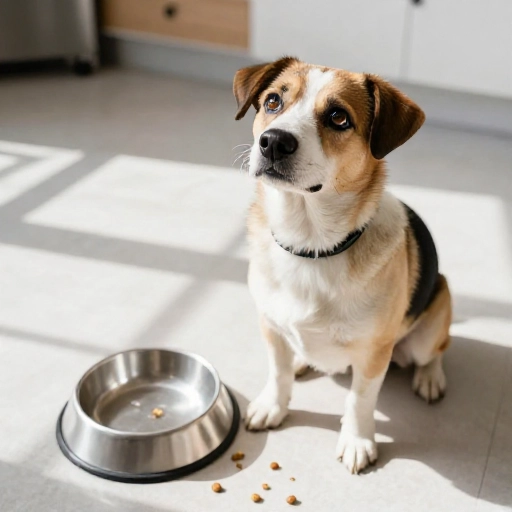
A skipped meal once in a while can happen. Maybe it’s hot, maybe they got extra treats, maybe the house is chaotic. But a sudden, complete refusal to eat is different.
I watch for clues like:
- Turning away from food they normally love
- Drooling, lip licking, or gulping
- Vomiting, diarrhea, or a tense belly
- Hiding, whining, or acting restless
- Drinking more or less water than usual
If my dog refuses food for more than a day, or if they have other symptoms, I call my vet. Dogs can get dehydrated and weak faster than we expect.
4. When Your Dog Can’t Seem to Get Enough Food
An increased appetite can be just as important as a decreased one. If my dog is suddenly starving all the time, begging harder, or scarfing food like they’ve never eaten, I don’t ignore it.
Sometimes it’s simple: more exercise, colder weather, or a growth spurt. But it can also show up with conditions that make the body feel hungry even when it’s getting enough calories.
I also look at weight. Eating more while losing weight is a big clue that something needs checking. Same goes for eating more plus drinking tons of water or having accidents in the house.
5. Puppy, Adult, Senior: Appetite Changes by Life Stage
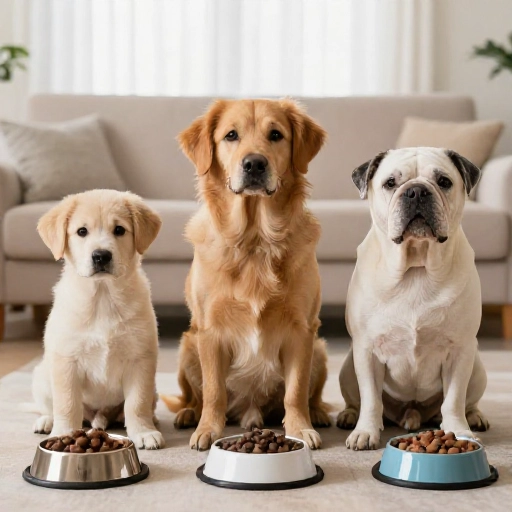
Appetite shifts can be normal at different ages. Puppies go through growth spurts and picky phases. Adult dogs can get bored with the same kibble. Seniors often eat less simply because their senses of smell and taste aren’t as sharp.
But normal for their age still has limits. A puppy who stops eating can go downhill quickly. A senior who suddenly refuses food may be dealing with dental pain, arthritis, or organ changes.
I don’t brush off appetite changes just because my dog is getting older. Aging isn’t a disease, and discomfort isn’t just what happens.
6. Stress and Routine Shifts Can Steal Your Dog’s Appetite
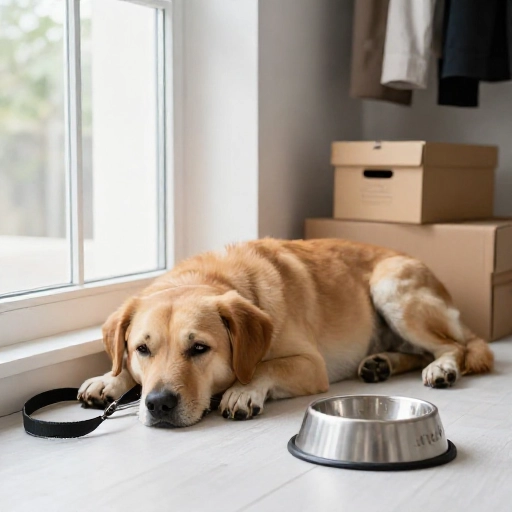
Dogs are creatures of habit. A new baby, a move, a houseguest, a different work schedule, or even a new food bowl can throw them off. I’ve seen my own dog skip meals after a loud storm or a change in our daily walk.
Emotional appetite dips usually come with other signs: pacing, clinginess, hiding, or a lower tail. The appetite change is real, but the root is stress.
I try to keep meals calm and predictable. Same place, same time, less chaos. If the stress lingers or my dog seems unwell, I ask my vet for help.
7. Dental Pain, Nausea, and Other Hidden Culprits
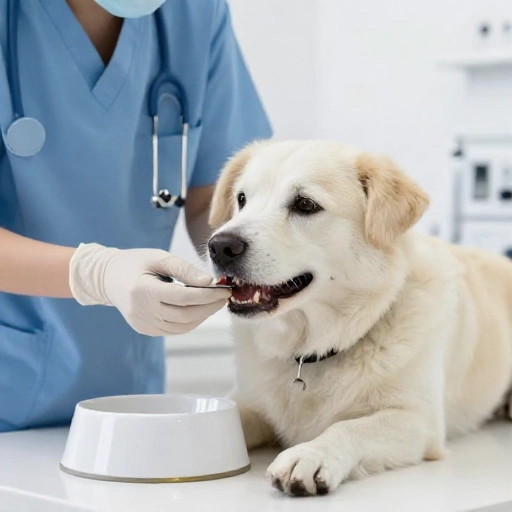
Sometimes a dog wants to eat but stops because it hurts. Dental disease, a cracked tooth, or gum inflammation can make crunching miserable. I check for bad breath, drooling, dropping food, or chewing on one side.
Nausea is another sneaky one. A nauseous dog may lick their lips, swallow hard, eat grass, or walk up to the bowl and then back away. It’s not always obvious vomiting.
Other hidden causes include gut issues, parasites, pancreatitis, kidney problems, and hormonal conditions. That’s why appetite changes are a team sport with your vet.
8. Medications and Vet Visits Can Change Eating Habits
Medications can absolutely affect appetite. Some cause nausea or stomach upset. Others can make a dog hungrier than usual. If my dog starts a new med and their eating changes, I note the date and call my vet.
Vaccines and vet visits can also cause a temporary appetite dip. A strange car ride, new smells, and a little stress can add up. Usually it passes within a day.
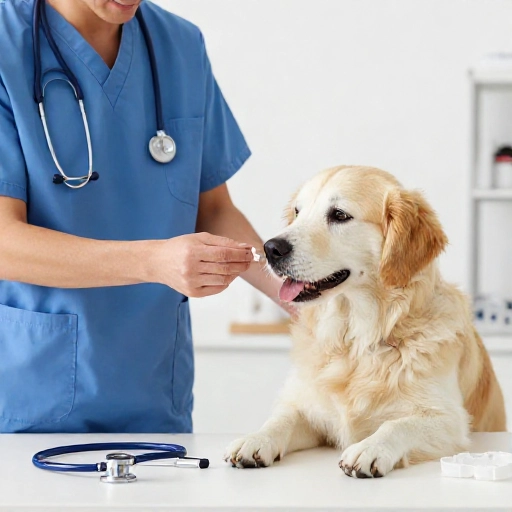
But if my dog won’t eat, seems painful, or acts off after a vet visit, I don’t wait. I check in.
9. How I Track My Dog’s Appetite Without Obsessing
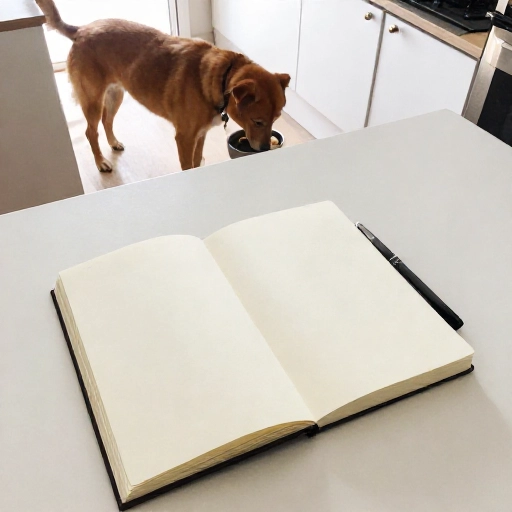
I don’t weigh every kibble. I just keep a simple log on my phone. I jot down whether my dog ate all, most, half, or none of their meal. I also note treats, vomiting, stool changes, and energy level.
This takes ten seconds, but it gives my vet real information instead of I think he’s been off. Patterns matter more than one weird day.
I also take a quick photo of the bowl if I’m unsure. Sounds silly, but it helps me remember.
10. When to Call the Vet About Appetite Changes
I call my vet if my dog hasn’t eaten for 24 hours, if they’re vomiting or having diarrhea, if they seem painful, or if they’re acting lethargic. I also call if they’re eating more but losing weight or drinking excessive water.
For puppies, seniors, and dogs with health conditions, I call sooner. They don’t have as much reserve.
When I call, I have notes ready: how long it’s been, what they’ve eaten, any other symptoms, and any new meds or life changes. That helps my vet guide me faster.

Trust Your Gut When Your Dog’s Gut Says Something’s Off
Appetite changes are one of the most honest signals our dogs give us. They can’t say my tooth hurts or my stomach feels weird, but they can push the bowl away or stare at it like it’s empty.
I’ve learned that paying attention doesn’t mean panicking. It means noticing, writing it down, and asking for help when my gut says something’s wrong. You know your dog best. If their eating habits feel off, they probably are.
FAQ: Dog Appetite Changes
How long can a dog go without eating?
Most healthy adult dogs can skip a meal without harm, but going more than 24 hours without eating is a reason to call your vet. Puppies, seniors, and dogs with health issues should be seen sooner.
Why is my dog eating less but acting normal?
It could be stress, heat, a new food, or a minor tummy upset. But if it lasts more than a day or two, or if other symptoms show up, it’s worth a vet call.
Can weather or heat affect a dog’s appetite?
Yes. Hot weather can make some dogs eat less, especially if they’re less active. Offer meals during cooler parts of the day and watch for other signs.
What if my dog eats more but loses weight?
That’s a red flag. Increased appetite with weight loss can point to digestive, hormonal, or metabolic issues. Call your vet for an exam and testing.
Should I switch foods when my dog stops eating?
Not right away. A sudden food switch can upset their stomach. First rule out illness and stress. If your vet says it’s safe, you can try a gradual transition or a bland temporary diet.