10 Life-Changing Pet Mobility Solutions That Will Keep Your Best Friend Moving
There’s nothing harder than watching your furry friend struggle to hop onto the couch or keep up on walks. When age, injury, or illness starts to slow them down, it breaks your heart. But here’s the good news: the world of pet mobility has changed so much in the last few years.
I’ve spent hours researching and testing these solutions for my own senior dog, and I can honestly say the right tool can give them a whole new lease on life. Whether your pet has arthritis, hip dysplasia, or is recovering from surgery, these innovative options are game-changers. Let’s dive into the ten best ways to help your best friend move freely again.
1. Lightweight Pet Wheelchairs That Feel Like a Second Skin
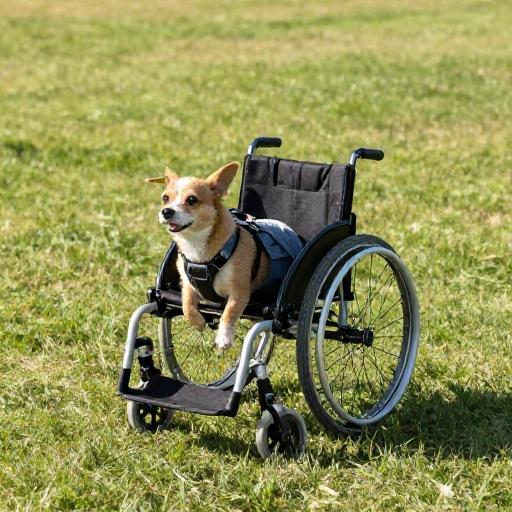
Gone are the bulky, heavy contraptions of the past. Today’s pet wheelchairs are built with aircraft-grade aluminum and custom-fitted harnesses. They’re so lightweight your dog barely notices the extra weight. I’ve seen dogs go from lying around all day to chasing squirrels again within a week of getting fitted.
Many come with adjustable frames that grow with your pet or adapt to different injuries. The best part? They fold flat for car rides and storage. Look for models with padded leg loops and ergonomic handles for easy steering.
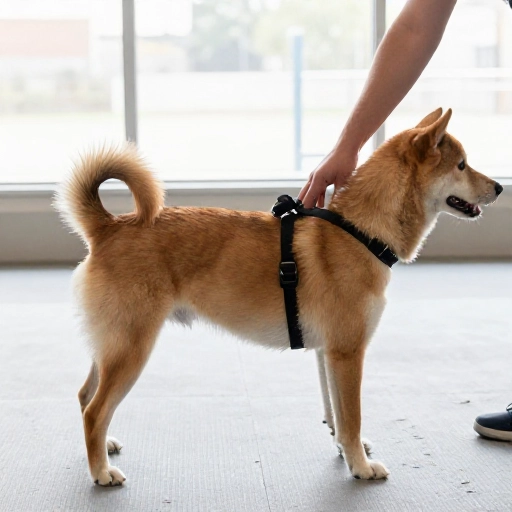
2. Rear-Lift Support Harnesses for Weak Hind Legs
When your dog’s back legs start to wobble, a simple harness with a handle makes all the difference. These rear-lift supports wrap around their belly and hindquarters, giving you a secure grip to take the weight off their hips. I use one every morning with my golden retriever, and it saves my back too.
Most designs feature soft neoprene padding and quick-release buckles. You can use them for walks, stairs, or just helping them stand up from a nap. They’re subtle enough that people won’t even notice your dog is wearing one.
3. Non-Slip Paw Grips and Booties for Slippery Floors
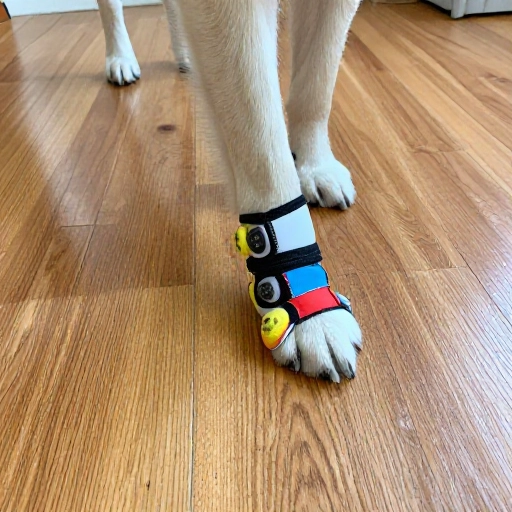
Tile, hardwood, and laminate floors are a nightmare for aging pets. Their paws just slide out from under them. The simplest fix? Adhesive paw grips that stick directly to their pads. They’re like tiny yoga mats for their feet. Replace them every few weeks as they wear down.
For outdoor use, invest in rubber-soled booties with reflective strips. They provide traction on wet grass, snow, and pavement. Your dog might hate them at first, but once they realize they can walk without slipping, they’ll get used to them fast.
4. Orthopedic Memory Foam Beds with Ramp Access
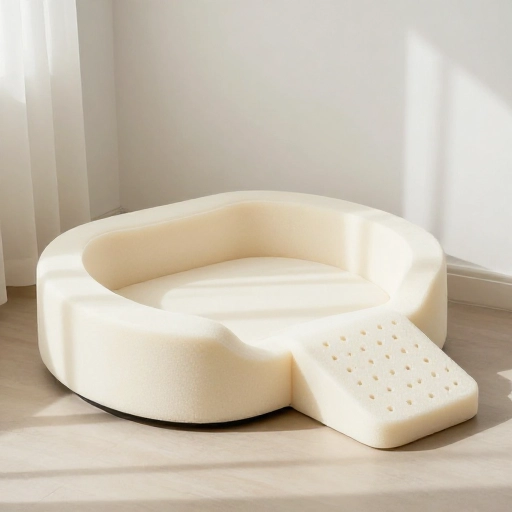
Sleep is when healing happens. An orthopedic bed with egg-crate foam relieves pressure on sore joints. But the real innovation is the built-in ramp or extra-low profile design. Your pet can climb in and out without jumping, which is huge for hip and spine health.
I love beds with removable, washable covers and waterproof liners. Some even have heating elements that mimic a warm compress. Place the bed near a sunny window, and you’ll have one happy, comfortable dog.
5. Car Ramps and Steps for Easy Vehicle Access
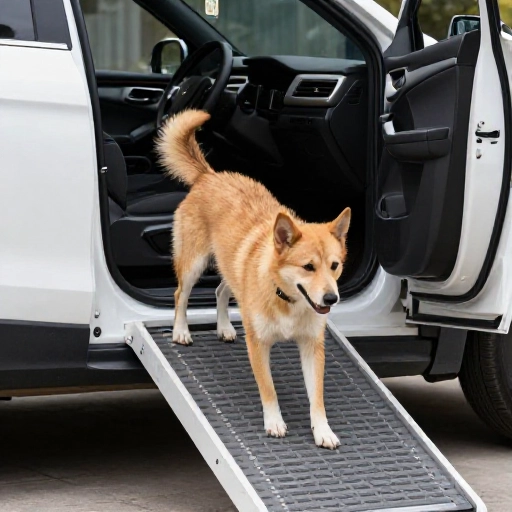
Lifting a heavy dog into an SUV is a workout neither of you enjoys. A telescoping ramp with a non-slip surface turns car rides into a breeze. Look for ramps that extend to at least 40 inches and support up to 150 pounds. They store flat in your trunk when not in use.
For smaller pets, foldable steps with rubber feet work perfectly. Some even have storage compartments inside for treats or toys. Your dog will learn to use them in just a few tries, especially if you reward them with a ride to the park.
6. Underwater Treadmills and Hydrotherapy Vests
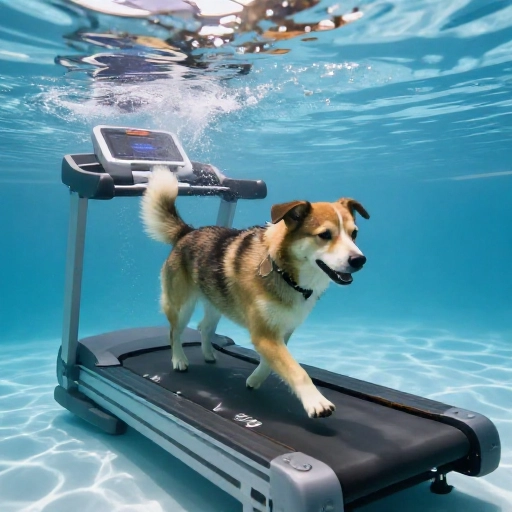
Water therapy is the holy grail of pet rehab. The buoyancy takes pressure off joints while the resistance builds muscle. At-home underwater treadmills are now available for smaller spaces. They’re expensive, but cheaper than months of vet visits. A simpler option is a flotation vest for swimming in the pool or lake.
The vest keeps their head above water and supports their body while they paddle. Just 10 minutes of swimming equals an hour of walking for muscle tone. Always supervise and use warm water (85–90°F) for best results.
7. Activity Monitors That Track Mobility Patterns
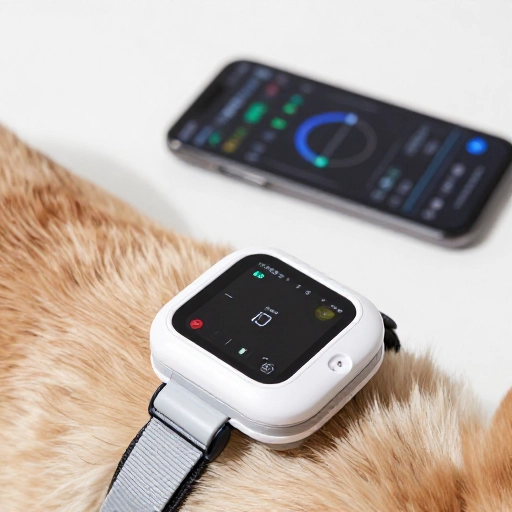
You can’t fix what you don’t measure. Smart collars and harnesses now track your pet’s daily activity, sleep quality, and even limping patterns. They send alerts to your phone when something changes. I caught my dog’s arthritis flare-up two days before he showed visible pain.
These devices also help you set daily movement goals. If your dog is lagging, you’ll know to adjust their exercise or medication. Some even sync with your vet’s portal for remote monitoring. It’s like having a physical therapist on your wrist.
8. Supportive Sling and Walking Aids for Post-Surgery Recovery
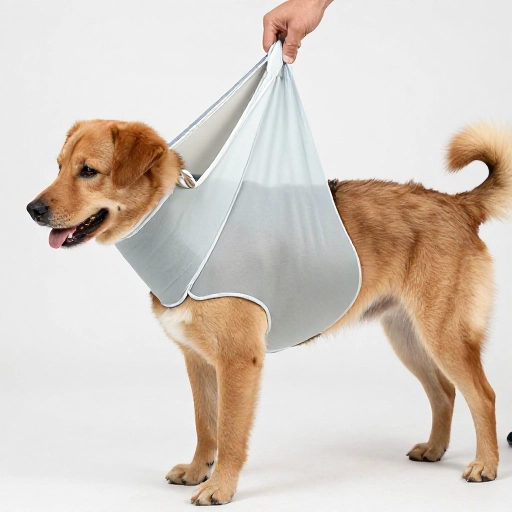
After surgery, your pet needs controlled movement without straining their incision. A full-body sling with multiple handles lets you support their chest and belly while they walk. These are different from rear harnesses because they distribute weight evenly across the whole torso.
Some slings double as a stretcher for emergencies. They’re made of breathable mesh and have padded handles for your comfort. Use them for the first two weeks after TPLO or spinal surgery. Your pet will feel secure, and you’ll have total control over their movement.
9. Interactive Puzzle Toys That Encourage Gentle Movement
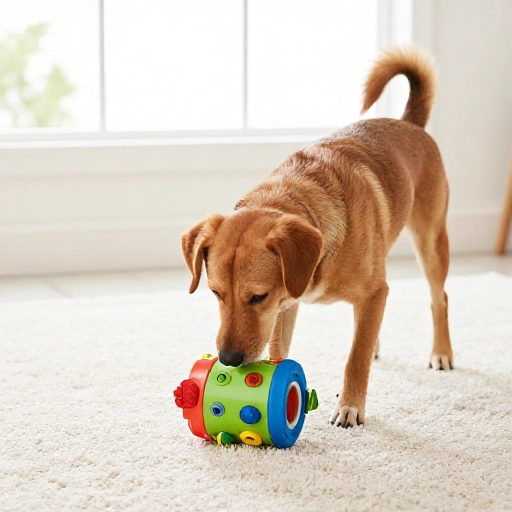
Mental stimulation is just as important as physical exercise. Puzzle toys that require your pet to nudge, paw, or step on levers get them moving without high impact. I use a treat-dispensing ball that rolls slowly, encouraging my dog to take slow, deliberate steps.
Snuffle mats are another low-mobility option—they hide kibble in fabric strips for nose work. For cats, consider a laser pointer that moves along the floor. The key is to keep them engaged without jumping or sudden twists.
10. Temperature-Regulating Gear for Pain Relief
Heat and cold therapy are proven to reduce inflammation and stiffness. Heated pet beds with auto-shutoff features provide soothing warmth for aching joints. For acute pain, gel packs that snap into a harness offer targeted cold therapy right where it hurts.
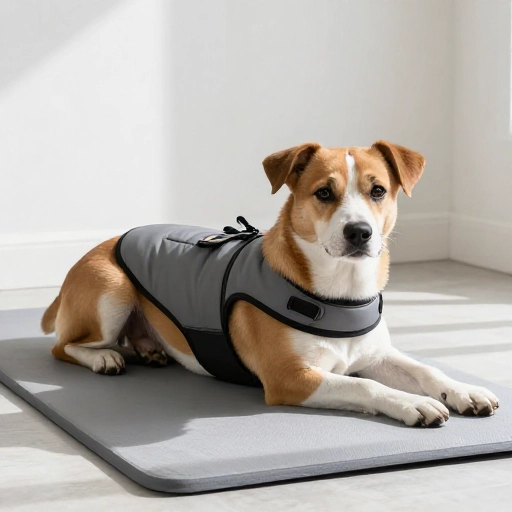
There are also cooling vests for summer walks that use evaporative technology. They lower your pet’s core temperature, which can reduce swelling. Just wet the vest, wring it out, and it stays cool for hours. Your pet will thank you on hot days.
Conclusion: Small Changes, Big Leaps
Helping your pet move better doesn’t have to mean a complete lifestyle overhaul. Even one or two of these solutions can dramatically improve their quality of life. Start with the issue that bothers them most—whether it’s slipping on floors or struggling with stairs—and build from there.
Remember to consult your veterinarian before starting any new mobility aid. They can help you choose the right fit and adjust as your pet’s needs change. Your best friend depends on you to keep them moving, and with these tools, you absolutely can.
Frequently Asked Questions
Q: At what age should I start using mobility aids for my dog?
It depends on the breed and health condition. For large breeds, consider rear harnesses and orthopedic beds around age 7. Smaller dogs may not need help until 10 or older. Watch for signs like hesitation on stairs or trouble standing up.
Q: Are pet wheelchairs painful for my dog to wear?
No, when properly fitted, they should be comfortable. Most dogs adjust within a few days. Look for models with padded cuffs and adjustable straps. If your dog seems uncomfortable, check for rubbing or pressure points and adjust the fit.
Q: Can I use human mobility aids like ramps for my pet?
Human ramps often have different slopes and surfaces that aren’t safe for pets. Pet-specific ramps have steeper angles, non-slip textures, and weight limits suited for animals. It’s worth investing in the right equipment.
Q: How do I get my cat to use a mobility harness?
Cats need slow introduction. Leave the harness near their bed for a few days. Then put it on for short periods with treats. Gradually increase wear time. Some cats never adapt, but many will accept it if it means more outdoor time.
Q: Will insurance cover pet mobility devices?
Some pet insurance plans cover wheelchairs and ramps under rehabilitation or mobility benefits. Check your policy’s fine print. You may need a vet’s prescription. Even without coverage, many devices are affordable and last for years.