14 Genius Indoor Cat Highway Designs for Small Spaces
If you live in a tiny apartment with a cat, you know the struggle. Your feline friend wants to climb, jump, and survey their kingdom, but you barely have room for a couch. The solution? A cat highway. These vertical pathways use walls and ceilings to give your cat the space they crave without sacrificing your floor plan.
I’ve spent hours researching and testing different layouts for compact homes. The best part? Most of these designs are DIY-friendly and can be customized to match your decor. Whether you have a rental (hello, removable adhesive strips) or own your place, there’s a cat highway idea here for you. Let’s get your cat off the counter and onto their own personal skyway.
1. The Corner Ladder System
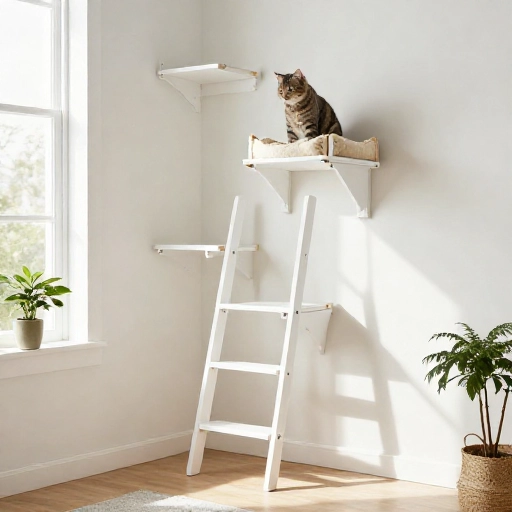
Corners are usually wasted space, but they’re perfect for a cat highway. Install floating shelves in a zigzag pattern going up the corner of your living room. This creates a natural staircase effect that cats love to race up and down.
Use shelves that are at least 10 inches deep so your cat can turn around comfortably. Space them 12 to 18 inches apart vertically. That gap is easy for most cats to jump but still feels like an adventure.
Add a small cushion or grippy mat on each shelf. This prevents slipping and makes the highway a cozy napping spot, not just a pathway.
2. Bookshelf Bridge
Got two tall bookshelves in different rooms? Connect them with a wall-mounted bridge. This works especially well if you have a doorway or hallway between rooms. Your cat can walk from one shelf to the other without ever touching the floor.
Use a sturdy wooden plank or a pre-made cat bridge from a pet store. Secure it firmly into wall studs—this needs to hold your cat’s weight when they’re sprinting across.
I recommend wrapping the bridge in sisal rope. It doubles as a scratching post and gives your cat better grip mid-run.
3. Ceiling-Hugging Walkway
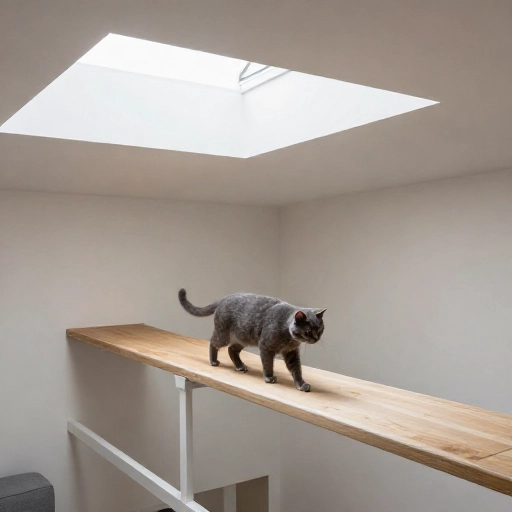
Why use wall space when you have ceiling space? Install a narrow shelf track that runs along the top of your walls, just below the ceiling. This is the ultimate out-of-the-way cat superhighway.
This design works best in rooms with high ceilings or in hallways. Your cat will feel like they’re in the treetops, and guests will be amazed when they spot your cat strolling overhead.
Make sure to include a few “entry points” like a tall cat tree or a sturdy ladder shelf so your cat can get up there. Exit points are important too, especially for older cats who might not want to jump all the way down.
4. Window Perch Hop
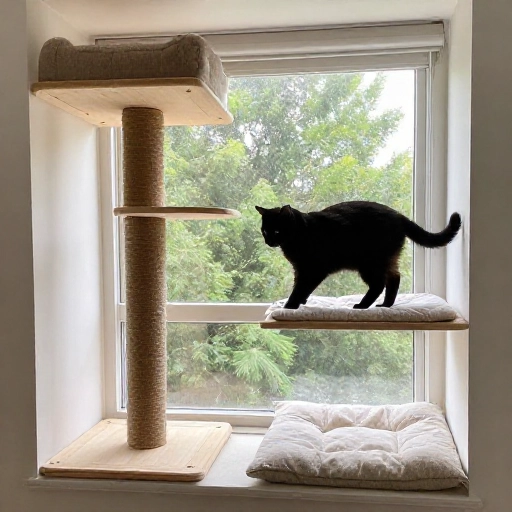
Turn your windows into a cat highway by connecting perches across them. Cats love watching birds and street life, so give them a route that passes every window in your home.
Install a wide window perch (about 12 inches deep) under each window. Then connect them with short shelves or bridges along the wall. This creates a scenic route that your cat will use daily.
Add a suction-cup cat bed to one window for extra lounging. Just check the weight limit and re-tighten the suction cups weekly.
5. The Closet Catwalk
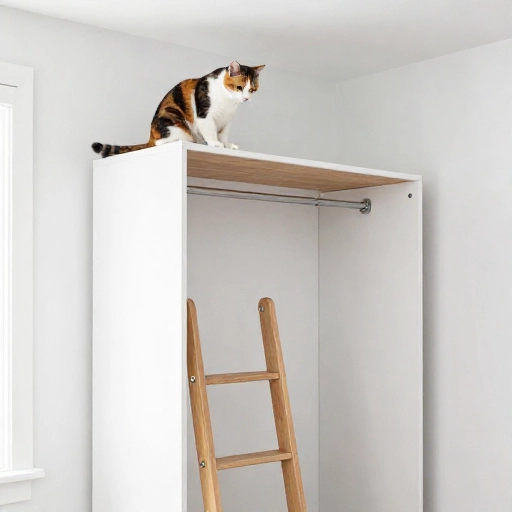
If you have an unused closet or a wardrobe with a flat top, put it to work. Install a shelf that runs from the closet top across the room. This turns an overlooked spot into prime real estate.
Use a step stool or a small cat tree to give access to the closet top. Once your cat is up there, they can walk along the shelf and jump down to a soft landing pad at the other end.
This is a great option for studio apartments where you need to maximize every inch. The closet top also gives your cat a hideout where they can feel safe and hidden.
6. Staircase Side Rail
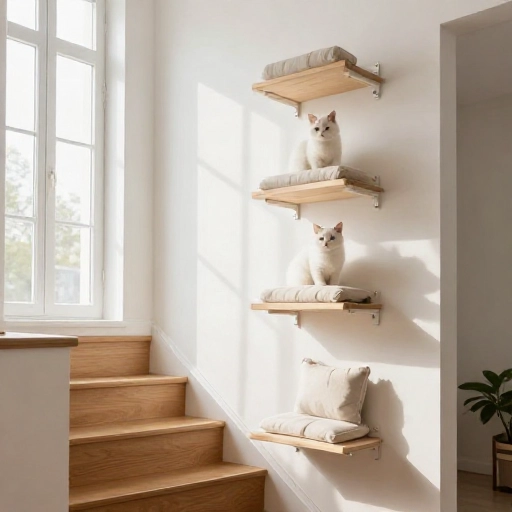
If you have stairs, you already have a cat highway waiting to happen. Attach shelves or a cat walkway to the wall beside the staircase. This gives your cat a parallel route that’s more fun than the steps themselves.
Use narrow shelves (8 to 10 inches) and install them at alternating heights. This creates a bouncy, playful path that cats love to hop between.
Add a few sisal-wrapped posts at the ends. Your cat will scratch there instead of your stair railing.
7. The Floating Cube Maze
Instead of plain shelves, use wall-mounted cubes. These are boxes you can buy or build that mount directly to the wall. Arrange them in an overlapping pattern to create a maze-like highway.
Cubes give your cat a sense of enclosure, which many cats find comforting. Your cat can hop in, hide, and then pop out the other side. It’s like a jungle gym for indoor cats.
Mix cube sizes and orientations. Some flat, some upright. This adds visual interest and gives your cat variety in how they move through the space.
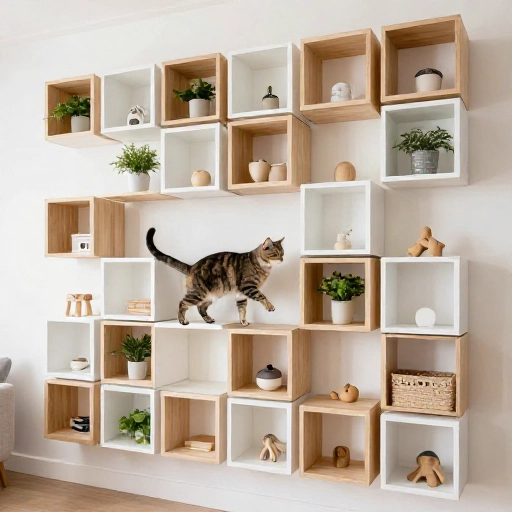
8. Narrow Shelf Ladder
In tight spaces, a simple zigzag shelf ladder along one wall is a lifesaver. This is basically a series of small shelves arranged in a diagonal pattern, like stairs going up a wall.
Each shelf should be at least 8 inches deep and mounted securely. Use carpet or adhesive treads on each shelf to prevent slips.
This design is perfect for hallways or narrow walls next to doors. It takes up almost no floor space and gives your cat a vertical playground.
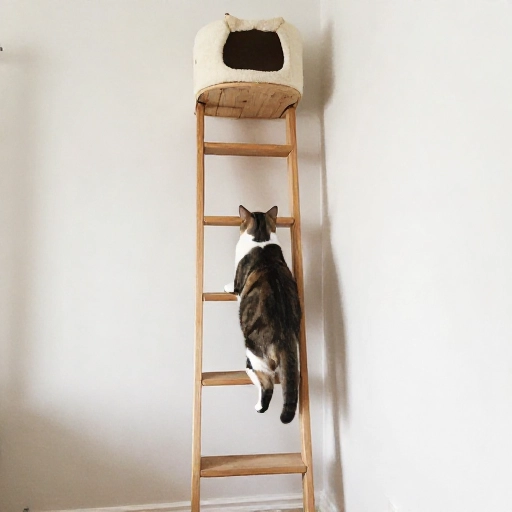
9. The Kitchen Cabinet Top Route
Kitchens have tall cabinets that usually sit unused. Connect them with a wooden plank or shelf running across the top. Your cat will love patrolling this high vantage point.
Add a small step shelf on the side of the cabinets to help your cat climb up. Remember, you’ll need to keep food items out of reach up there, or your cat will help themselves.
Make sure the route doesn’t pass directly over the stove. Safety first, and that’s a guaranteed way to get singed whiskers.
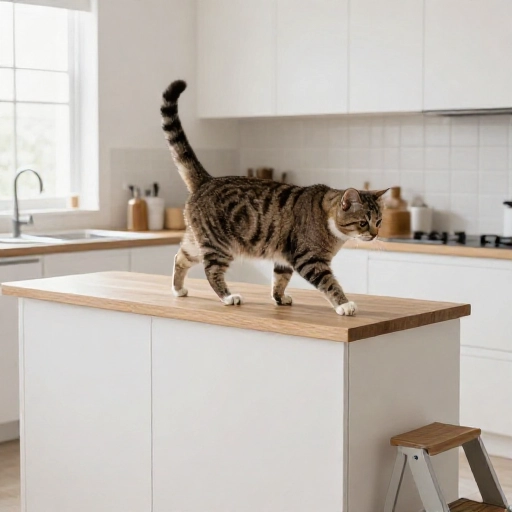
10. Wall-Mounted Crate Trail
Use wall-mounted pet crates or wire cube shelving as stepping stones. These aren’t just for storage—they make awesome cat perches. Mount them on the wall in a staggered pattern.
The wire design lets your cat see through the shelves, which they love. It also gives them a place to hide and peek out at the same time.
Line the bottom with a soft fleece pad. These crates are lightweight and easy to install, making them perfect for renters.
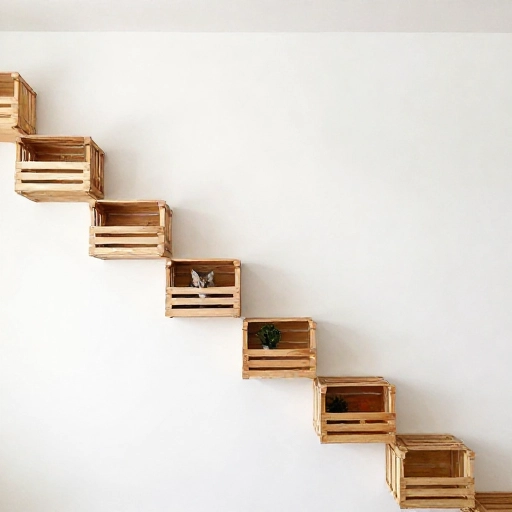
11. The Doorway Arch
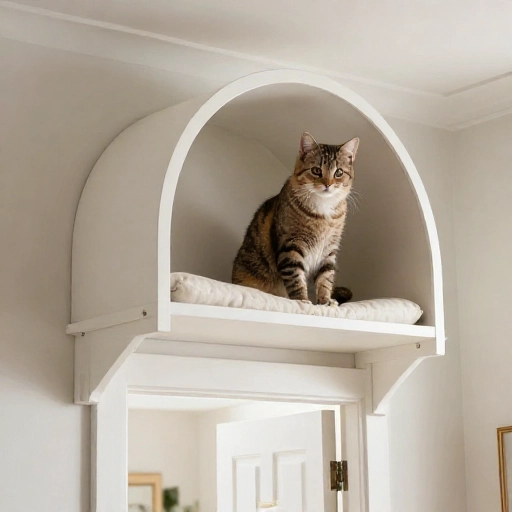
Why limit your highway to one room? Install a shelf that goes over the top of a doorway. This connects two rooms and gives your cat a dramatic entrance.
You’ll need a sturdy shelf that can bridge the doorframe width. Secure it with L-brackets into the wall above the door. Add a small ramp or steps on one side so your cat can get up.
This is a show-stopper. Guests will love watching your cat leap from the top of the door into the next room.
12. The Sofa Side Climber
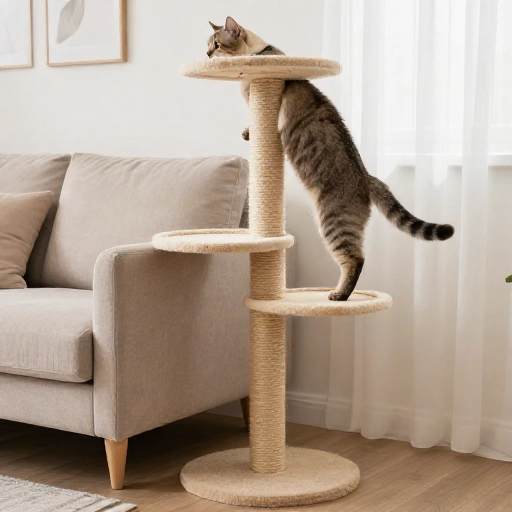
If you have a low sofa or a chaise lounge, use the wall behind it. Install a few shelves going up from the sofa’s armrest. Your cat can use the sofa as a launch pad.
This is a super simple design that only needs 3 to 4 shelves. Place them at increasing heights, starting just above the sofa back.
Add a hanging toy or a small hammock at the top. Your cat will have a blast climbing up and lounging right above your head while you watch TV.
13. The Hidden Corner Hideout
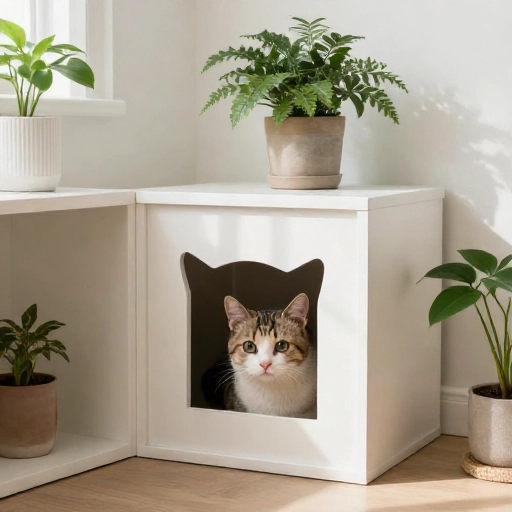
Use a corner shelf unit that wraps around the corner. This creates a little hideout nook at the top that’s enclosed on two sides. Cats love feeling tucked away.
Build or buy a triangular shelf with a raised lip. Place it high up in a corner and add a cozy bed. Your cat will feel like they have their own private penthouse.
Add a scratching post below it to give your cat a way to climb up. This keeps the floor space clear while still giving your cat a full climbing experience.
14. The Double-Decker Shelf Unit
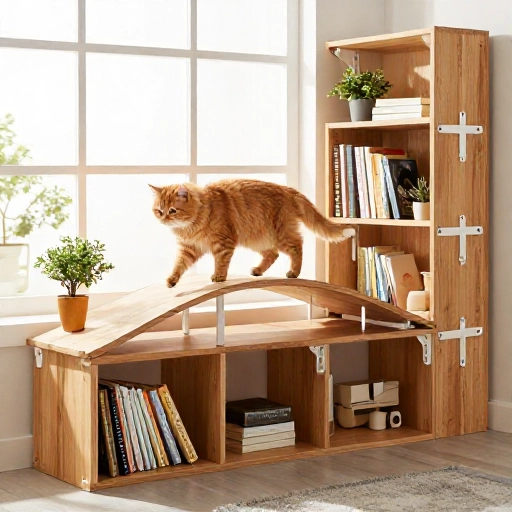
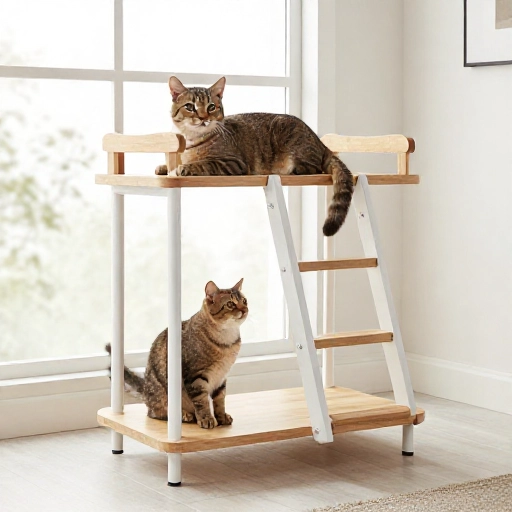
For the ultimate space saver, build a freestanding shelf unit that doubles as a cat highway. Use a tall, narrow bookshelf and attach cat ramps or bridges between the shelves.
This doesn’t need to be wall-mounted, so it’s perfect for renters. Just make sure it’s heavy and stable enough not to tip over. Anchor it to the wall anyway for safety.
Alternate between flat shelves and enclosed cubbies. This gives your cat a variety of textures and hiding spots. It’s a cat tree and bookshelf all in one.
Conclusion
Creating a cat highway in a small space is all about thinking vertically. You don’t need a huge house to make your cat happy. Just a few well-placed shelves, bridges, and perches can transform your walls into an adventure park.
Start small. Pick one idea from this list and test it out with your cat. Watch how they explore and adjust the layout to their preferences. Some cats like high, open spaces. Others prefer cozy, hidden nooks. You’ll figure out what your cat loves in no time.
Your cat will thank you, and you’ll get your furniture back from those little paws. Happy building!
Frequently Asked Questions
1. How much weight can cat shelves hold?
It depends on the anchors and brackets you use. Wall-mounted shelves with proper stud anchors can typically hold 50 to 100 pounds. Always test the shelf by pushing down hard before letting your cat use it.
2. Can I install a cat highway in a rental apartment?
Yes! Use removable adhesive strips or tension rods for lightweight perches. For heavier shelves, use command hooks and picture-hanging strips. Just check your lease rules and patch any holes before moving out.
3. What if my cat is old or has mobility issues?
Place shelves closer together (8 to 10 inches apart) and add ramps or steps. You can also use low, wide shelves that are easy to step onto. Older cats still love being up high, they just need easier access.
4. How do I get my cat to use the cat highway?
Start by placing treats or catnip on the lower shelves. Play with your cat near the shelves using a wand toy. Be patient—some cats take a few weeks to explore new vertical spaces.
5. What materials are best for cat shelves?
Solid wood or thick plywood is best because it’s sturdy and easy to clean. Cover them with carpet, sisal, or fleece for grip and comfort. Avoid flimsy MDF boards that can sag over time.