14 Pallet Dog Houses with Insulation Tips for a Cozy Pup
If you’re like me, you probably have a stack of wooden pallets sitting in your garage or backyard, just waiting for a second life. And what better way to use them than to build your furry best friend a dream home? I’ve spent countless weekends tinkering with wood and nails, and I can tell you that pallet projects are equal parts fun and rewarding.
But here’s the thing: a dog house isn’t just about looks. If you live in an area with chilly winters or scorching summers, insulation is the key to keeping your pup safe and comfortable. I’ve rounded up 14 creative pallet dog house designs, plus my personal insulation hacks that will keep the temperature just right, no matter the season. Grab your hammer, and let’s get building!
1. The Classic A-Frame Cabin
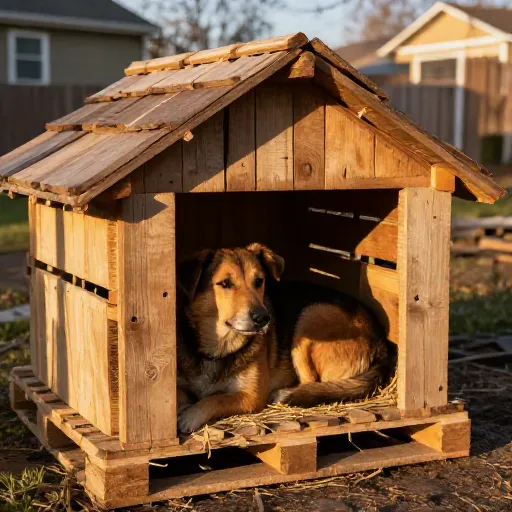
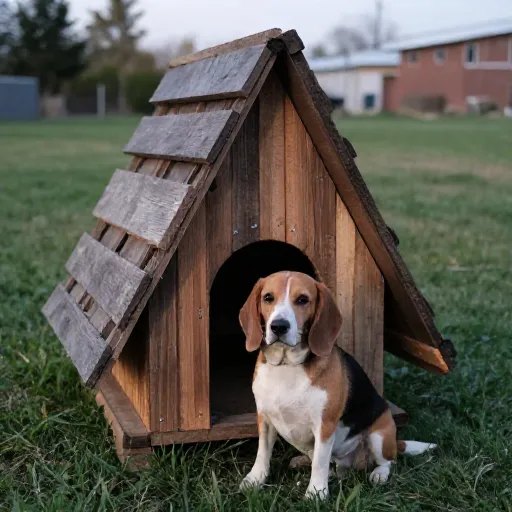
This is the design I always recommend for beginners. The steep roof isn’t just adorable; it’s incredibly practical. Rain and snow slide right off, keeping the interior dry even during a downpour. You’ll mainly need full pallets for the base and side walls, plus a few planks for the roof frame.
For insulation, I like to line the inside walls with rigid foam boards cut to size. They’re easy to work with and don’t absorb moisture. Just make sure you leave a small gap between the foam and the outer wood for air circulation to prevent mold.
Finish it off with a thick rubber flap over the door. This simple addition traps heat inside while still giving your dog the freedom to come and go as they please.
2. The Raised Platform House
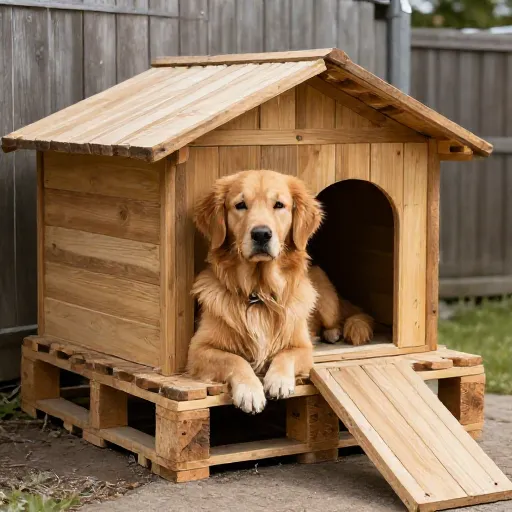
If your yard tends to get muddy or flooded, elevating the dog house is a lifesaver. I built this by using the pallet structure itself as the floor joists, then adding legs made from leftover 4×4 posts. This keeps the cold ground from seeping into the sleeping area.
For the floor insulation, I placed a layer of foil-backed bubble wrap between the pallet deck and the plywood floor. It’s a super cheap trick that reflects your dog’s body heat back up toward them.
Don’t forget to add a removable ramp if you have a senior dog. It makes getting in and out much easier on their joints, and it looks pretty cute, too.
3. The Two-Story Mansion
Okay, this one is a bit extra, but your spoiled pup will love it. I used heavy-duty pallets stacked side-by-side to create a lower den and an upper lookout deck. The upper level is perfect for sunny afternoon naps, while the lower level offers a dark, cozy cave for sleeping.
Insulating this beast is all about zoning. I only insulated the lower sleeping area with denim insulation (yes, recycled jeans!). It’s natural, non-toxic, and has amazing soundproofing qualities.
For the top deck, I added a shaded roof made from corrugated plastic. It keeps the sun off without blocking the breeze, making it the perfect spot for your dog to survey their kingdom.
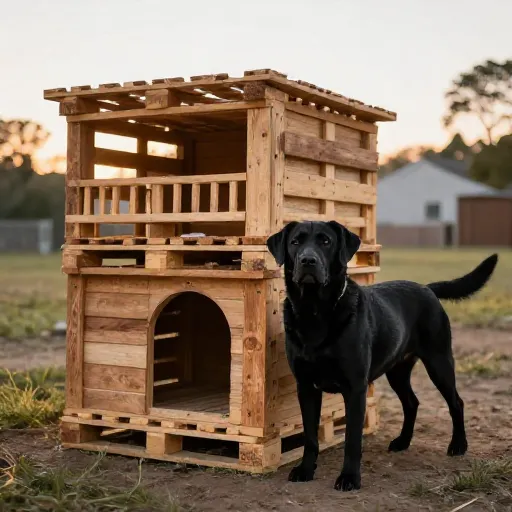
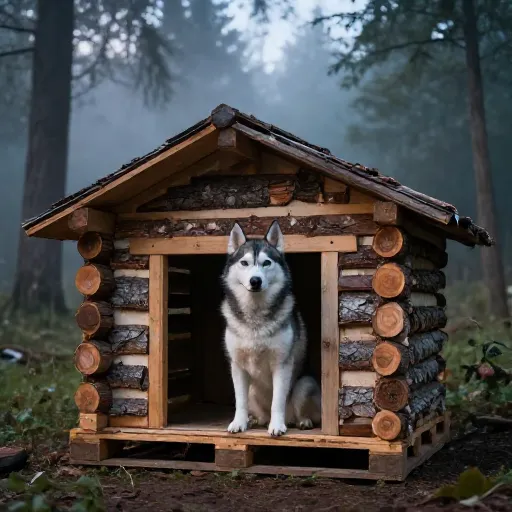
4. The Rustic Log Cabin Look
Instead of breaking down the pallets completely, I left the side stringers intact and stacked them horizontally. This creates a beautiful log-cabin effect that looks stunning in any backyard. It’s a bit heavier, but it’s incredibly sturdy and wind-resistant.
Because the walls are thicker, I used straw bales tucked into the gaps between the pallet boards. It’s an old-school insulation method that works wonders. Straw is breathable and won’t cause condensation like some synthetic materials.
Just be careful to replace the straw every couple of months, as it can harbor fleas if it gets damp. I also sealed the exterior with a weatherproof stain to keep the wood looking fresh.
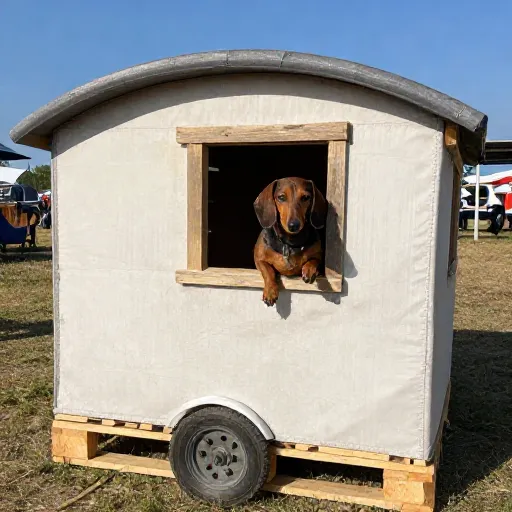
5. The Mobile Camper
Want to move your dog house around to follow the sun or shade? I put heavy-duty casters on the bottom of this pallet build. It’s basically a doggy RV! You can wheel it onto the patio for summer BBQs or into the sunroom during winter.
For insulation, I used self-adhesive weatherstripping on every seam and corner. This blocks wind drafts effectively. The key is to make it airtight but not stuffy, so I added a small vent on the back wall.
I lined the inside with a reflective thermal blanket (the kind you use for emergencies). It’s lightweight and does a fantastic job of bouncing heat back in during the winter.
6. The Lean-To Shed Style
This design is perfect for leaning against the side of your house or garage. It only requires two side walls and a slanted roof, saving you pallets and time. I built the slanted roof at a steep angle so leaves and debris slide off easily.
Since one side is against your home, it naturally stays warmer in winter. I added a layer of fiberglass insulation batts in the roof cavity. Make sure to wear gloves when handling that stuff!
I covered the insulation with a thin piece of plywood so my dog can’t scratch at it. The proximity to the house also gives them a sense of security, which I find helps with anxious pups.
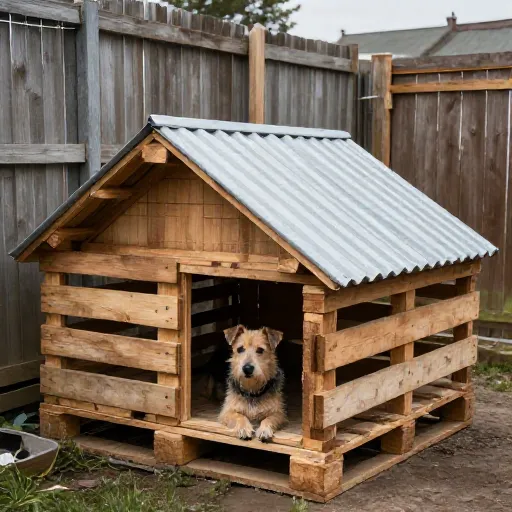
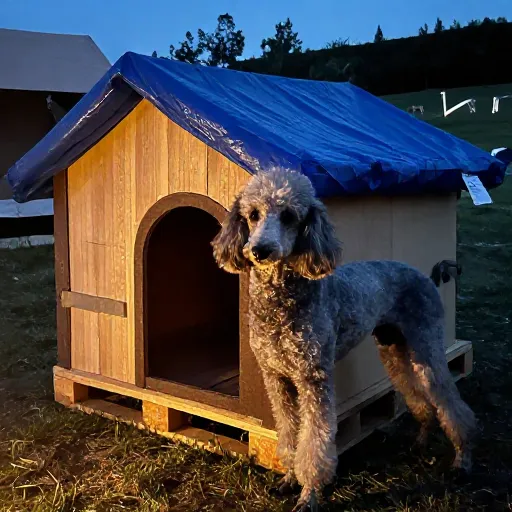
7. The Pallet and Tarp Hybrid
This is the budget-friendly champion. I built a basic pallet frame and then wrapped the exterior in a heavy-duty vinyl tarp. It’s not the prettiest option, but it is 100% waterproof and incredibly fast to assemble.
In between the pallet slats, I stuffed old towels and blankets. This acts as a great buffer against the cold wind. The tarp keeps everything dry, and the towels trap the air.
I made sure to secure the tarp with bungee cords rather than nails so I can easily remove it for washing in the summer. It’s a great temporary solution that lasts for years if you take care of it.
8. The Underground Insulated Den
This is a bit of a project, but it’s brilliant for extreme climates. I built the pallet house and then partially buried it in the ground. The earth acts as a natural temperature regulator, keeping the house cool in summer and warm in winter.
I used spray foam insulation on the inside of the walls before adding the interior paneling. This expands to fill every crack and creates a fantastic airtight seal.
You absolutely need to ensure proper drainage around the base. I added a gravel perimeter to stop water from pooling. This is the only design where I insist on a rubber mat inside to keep the sleeping area dry.
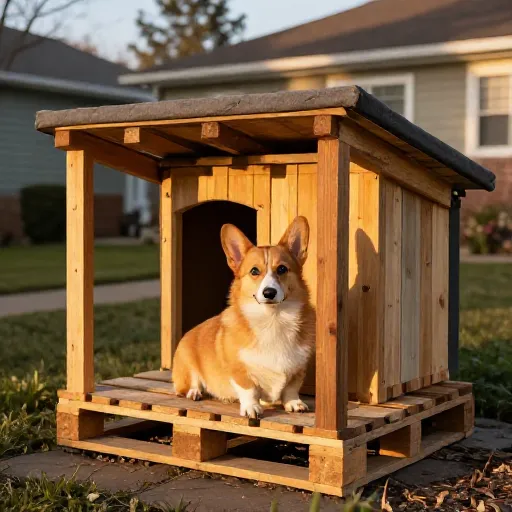
9. The Porch-Style Doghouse
Some dogs just like to be outside but with a roof over their head. I built a small pallet house with a covered porch in the front. The interior is a small, snug box, while the porch offers a place to chill that’s protected from rain.
I insulated the interior box using the same rigid foam boards, but I left the porch uninsulated. This creates a nice temperature gradient so your dog can choose where they want to be.
I added a low lip on the porch edge. It keeps the bedding from sliding out and gives the house a charming, finished look.
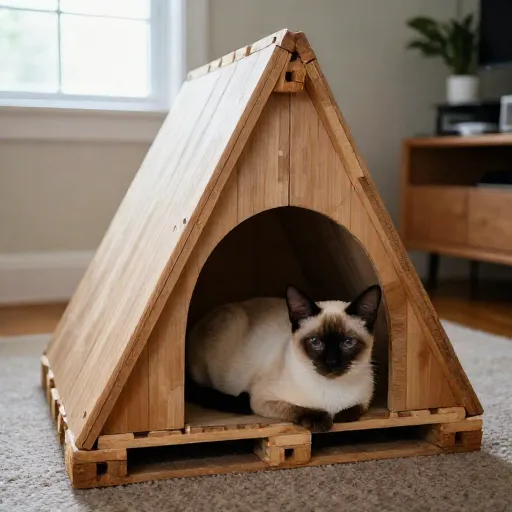
10. The Triangle Tunnel House
Dogs love dens, and this triangular design is the ultimate den. I angled the pallet walls inward to create a teepee-like structure. It’s a bit tricky to cut the angles, but the result is a unique and super cozy hideout.
Because the space is smaller, it heats up quickly with just your dog’s body heat. I added a layer of sheep’s wool insulation. It’s naturally moisture-wicking and doesn’t lose its loft over time.
I used a heavy curtain instead of a door flap. The curtain creates a seal but is lighter, so even small puppies can push through it easily.
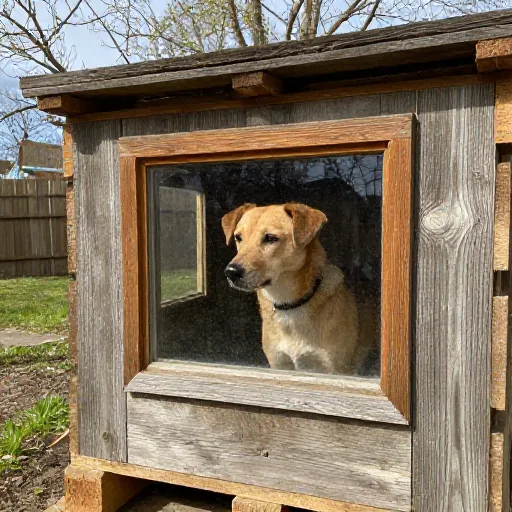
11. The Upcycled Window House
If you have old windows lying around, this is a great way to use them. I built a standard pallet box and installed a small window on one side. This allows natural light in while keeping the elements out.
For insulation, I used double-glazed glass from the window itself. The air gap between the panes is a natural insulator. I sealed around the window frame with caulk to stop drafts.
I also built a small window box planter underneath it. It’s not just for looks; the plants help deflect wind away from the base of the house.
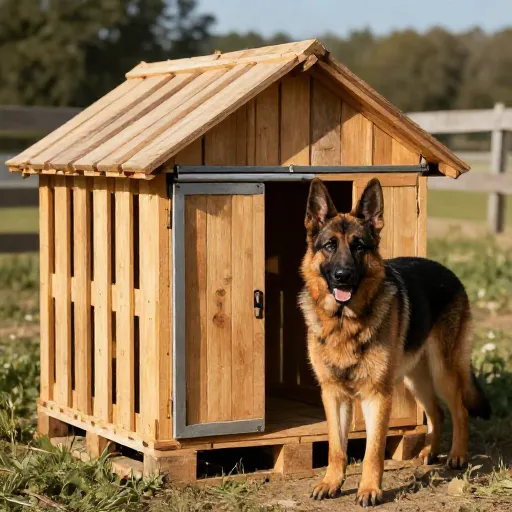
12. The Barn-Style Sliding Door
Instead of a flap, I built a pallet house with a sliding barn door on the front. This is fantastic for dogs that don’t like flaps pushing on their backs. You can slide it closed at night and open it during the day.
I used a thick piece of foam pipe insulation along the bottom edge of the sliding door. This seals the gap between the door and the floor, keeping cold air out.
I lined the interior walls with foil-faced foam sheathing. This is the silver stuff you see in hardware stores, and it’s excellent at blocking radiant heat.
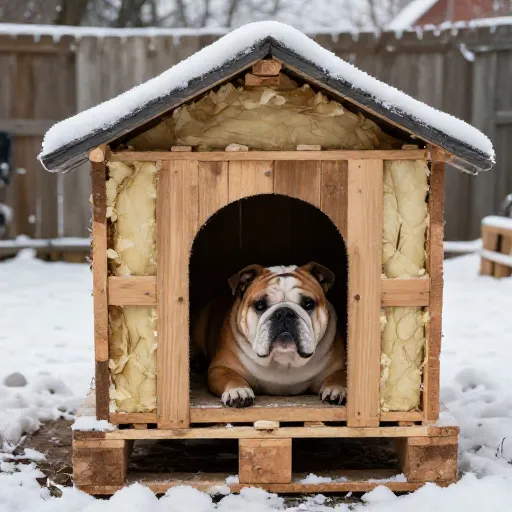
13. The Double-Wall Insulated Box
This is the extreme weather warrior. I built the pallet house with a double wall. Essentially, I created a smaller inner box and a larger outer box, with a gap in between.
I filled that gap with cellulose insulation, which is made from recycled paper. It’s safe, non-toxic, and has a very high R-value. This creates a thermos-like effect for your dog.
This house is heavy, so I built it in two halves that fit together. It’s a bit of work, but I guarantee your dog will stay warm in sub-zero temperatures.
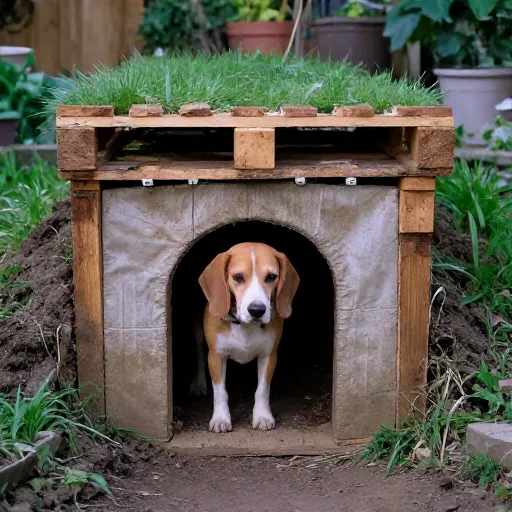
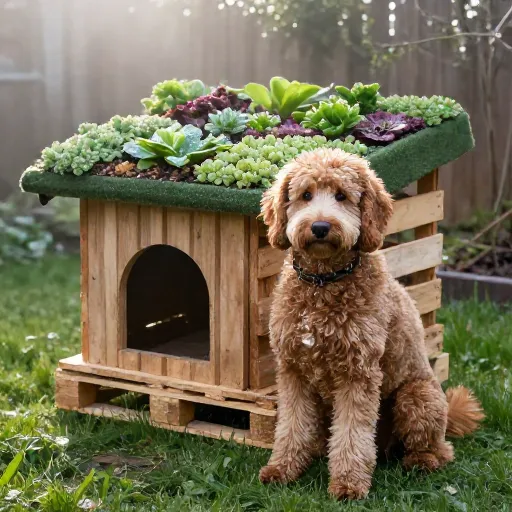
14. The Green Roof Living House
Last but not least, the green roof. I built a sturdy pallet base and a deep frame on the roof. I filled it with soil and planted grass and succulents. This roof provides incredible natural insulation.
The soil acts as a thermal mass, absorbing heat during the day and releasing it slowly at night. It also keeps the interior cool in the summer by providing shade and evaporative cooling.
I used a waterproof membrane under the soil to protect the wood below. This is a stunning feature piece for your garden, and your dog gets the benefit of a naturally temperate home.
Final Thoughts on Pallet Dog Houses
Building a pallet dog house is one of the most satisfying projects I’ve ever tackled. The key takeaway is that insulation is everything. Whether you choose the budget-friendly tarp method or the heavy-duty double-wall build, your dog will thank you for the extra effort.
Remember to always sand down rough edges to prevent splinters and use non-toxic paints or stains. Your dog’s safety is always the top priority. Now, go out there and give your furry friend the palace they deserve!
FAQ: Pallet Dog Houses and Insulation
Q1: Are pallets safe for building a dog house?
Yes, but you must look for pallets stamped with “HT” (heat-treated). Avoid those with “MB” (methyl bromide) as they are treated with chemicals. Always sand them down to avoid splinters.
Q2: What is the best insulation material for a dog house?
Rigid foam board is my top choice because it’s easy to cut, moisture-resistant, and has a high R-value. Straw is a great natural alternative, but you must keep it dry.
Q3: How do I keep the dog house warm without electricity?
Use the dog’s own body heat. Insulate the walls, floor, and ceiling well. Add a thick, raised bed off the floor and use a door flap to trap the heat inside.
Q4: Should I insulate the floor of the pallet dog house?
Absolutely. A lot of heat is lost through the ground. I always elevate the house off the ground and add a layer of foam or a thick rubber mat on the floor.
Q5: How often should I replace the insulation?
If you use dry materials like foam or fiberglass, it should last for years. If you use straw or fabric, you should replace it every few months or whenever it gets damp.