10 Easy Pet Clothing Sewing Projects Every DIY Dog & Cat Parent Will Love
I never thought I’d be the person sewing a tiny hoodie for my dachshund, but here we are. Last winter, I realized my short-haired pup was shivering on every walk, and store-bought sweaters either didn’t fit or cost way too much. So, I grabbed my sewing machine, some old cotton shirts, and figured it out.
The best part? Sewing your own pet clothes isn’t just about saving money. You get to pick the fabrics, adjust the fit perfectly, and add your own personality. Whether you’re a beginner or you’ve been sewing for years, these 10 project ideas are practical, cute, and totally doable.
Let’s jump into my favorite pet clothing sewing ideas that will keep your furry friend stylish and comfy.
1. The Classic No-Measure Bandana
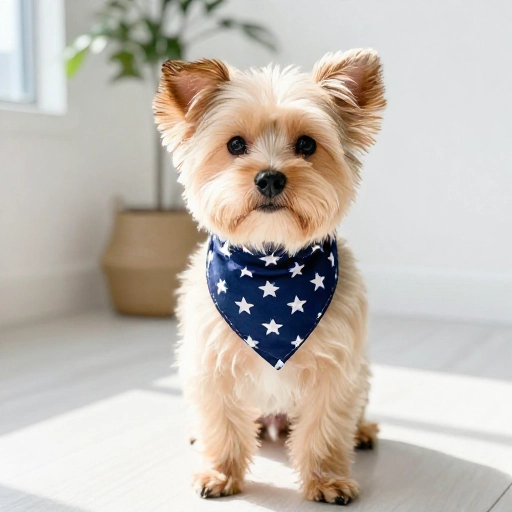
This is the easiest project to start with. You don’t even need a pattern. Just cut a square of fabric (12×12 inches works for most small to medium dogs), fold it diagonally, and hem the raw edges. For a cleaner look, sew two triangles together, leaving a small gap to turn it right side out.
I love using lightweight cotton or linen so it doesn’t feel heavy. Add a button or a small loop to slide the collar through if your dog hates things tied around their neck. My corgi wears his bandana every weekend.
2. The Upcycled T-Shirt Sweater
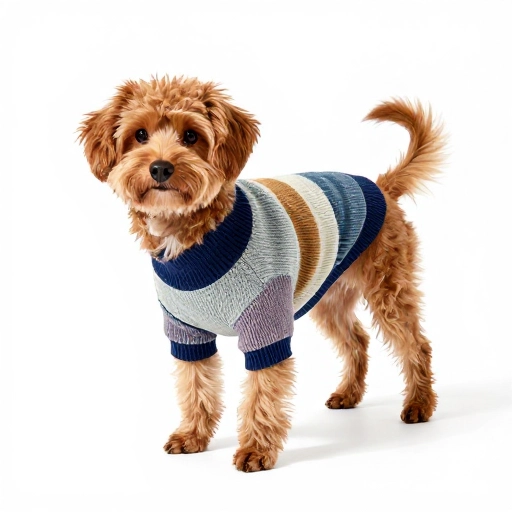
Take an old human t-shirt and turn it into a cozy dog sweater. Cut the sleeves off near the shoulder, then use the body of the shirt to create a tube. Cut two holes for the front legs. Hem the neckline and back edge with a simple stretch stitch or zigzag.
This project takes about 20 minutes. I use soft, worn-out tees because the fabric is already broken in. For colder days, layer it over a thin long-sleeve shirt. Your pet will stay warm without feeling restricted.
3. The Adjustable Belly Band for Boys
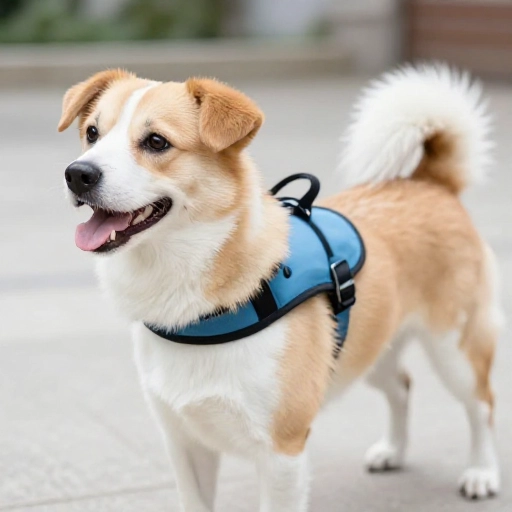
If you have a male dog who likes to mark indoors, this is a lifesaver. Sew a rectangular piece of absorbent fabric (flannel or cotton) with a waterproof layer inside. Add Velcro or snap buttons at the ends so it wraps around the belly.
I make mine about 6 inches wide and long enough to go around the waist. Use a single layer of fleece on the outside for softness. It’s washable, reusable, and way cheaper than disposable belly bands.
4. The Simple Raincoat from a Vinyl Tablecloth
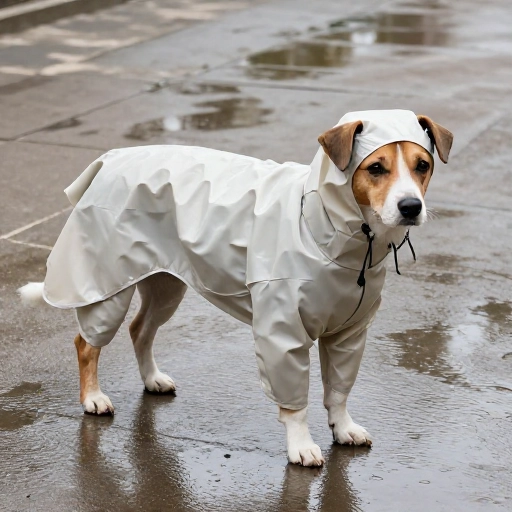
Clear vinyl tablecloths from the dollar store make perfect raincoats. Trace your dog’s back length and chest girth onto paper, then cut the vinyl. Sew a seam along the back and leave openings for the legs. Add a small hood if you want extra coverage.
Vinyl doesn’t fray, so you can skip hemming. Use a longer stitch length and a Teflon foot if you have one. My golden retriever stays dry on rainy hikes, and I can wipe the coat clean with a cloth.
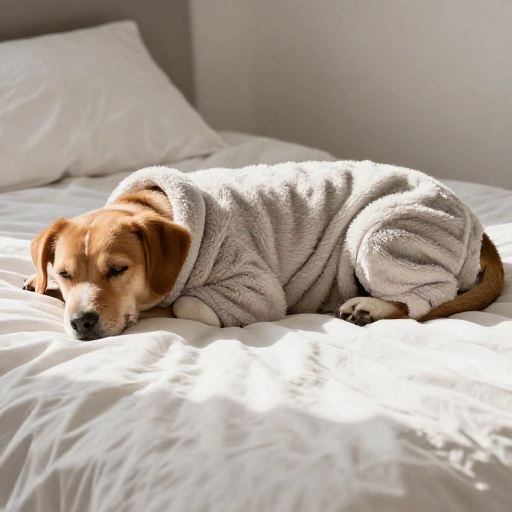
5. The Cozy Fleece Pajama Set
Fleece is forgiving and doesn’t fray, making it perfect for beginners. Sew a simple two-piece set: a top that covers the chest and back, and a pair of leg warmers for the back legs. Use a pattern or trace an existing pajama set your dog already loves.
I add elastic at the cuffs so they stay put during sleep. My pug wiggles into his fleece jammies every night. They’re warm, soft, and wash beautifully.
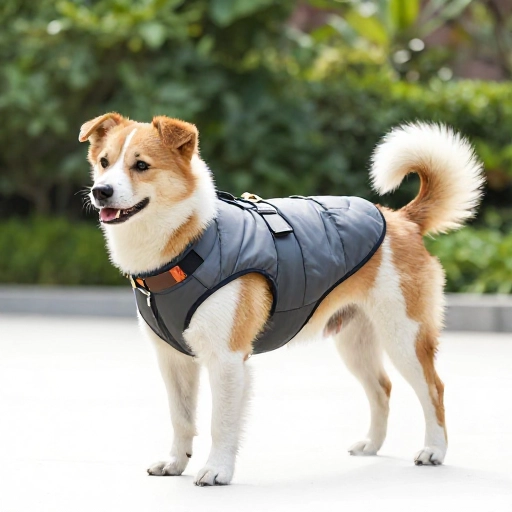
6. The Reversible Vest for All Seasons
Use two complementary fabrics—one lightweight cotton for summer and one flannel for winter. Sew them together with the right sides facing, leaving a gap to turn. Topstitch around the edges and add Velcro closures at the chest.
This vest fits most dog body types. I make mine with a longer back to cover the spine. It’s great for dogs who don’t like full coverage but need a little warmth on cool mornings.
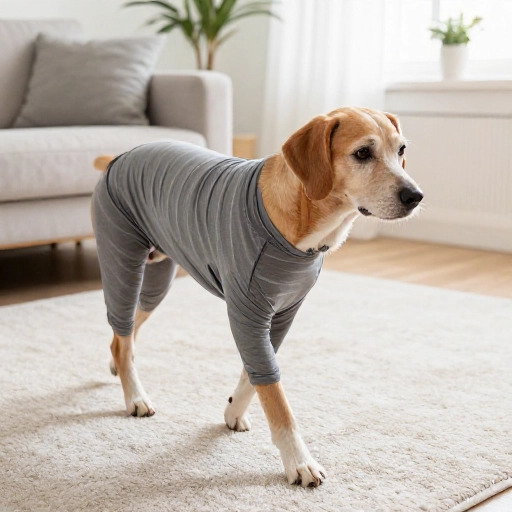
7. The Leggings for Senior Dogs
Older dogs often have trouble with joint stiffness or slipping on hard floors. Sew simple leggings from stretchy knit fabric. Make them long enough to cover from the hip to the ankle. Add rubber gripper dots on the bottom using puffy fabric paint.
I use a stretch stitch and fold-over elastic at the waist. My 12-year-old lab mix walks more confidently with these on. They also keep her legs warm during cold months.
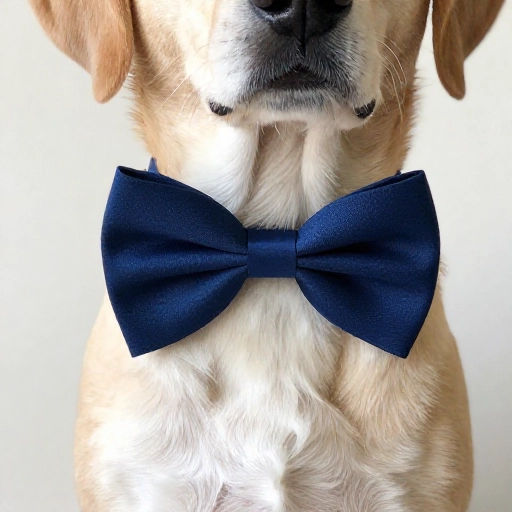
8. The Dressy Bow Tie Collar Attachment
This is a quick gift idea. Cut two small rectangles of fabric and sew them together into a bow shape. Attach a small elastic loop on the back so it slides onto the collar. You can make them in any color or pattern.
I keep a stash of these for birthdays and holidays. They take 10 minutes to sew and make every dog look dapper. My friend’s bulldog wears one to every dinner party.
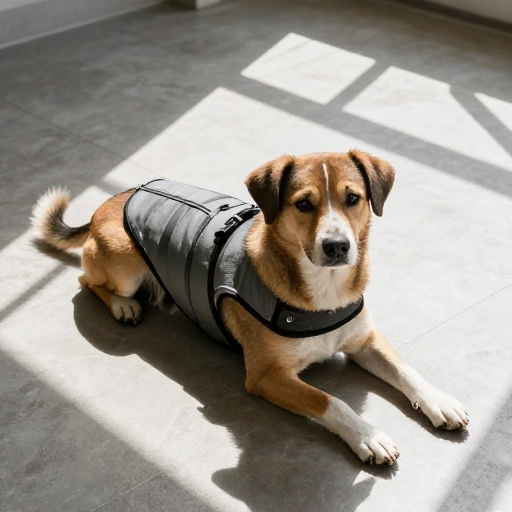
9. The Cooling Vest for Hot Days
Use a lightweight cotton or mesh fabric. Sew a simple vest with a pocket on the back. The pocket holds a damp cloth or a reusable ice pack wrapped in a towel. Make sure the pocket is breathable and secure with Velcro.
I use this for summer walks with my husky. It keeps her cool without weighing her down. Just wet the insert and snap it in. She actually seems to enjoy wearing it.
10. The Custom Leggings for Cats
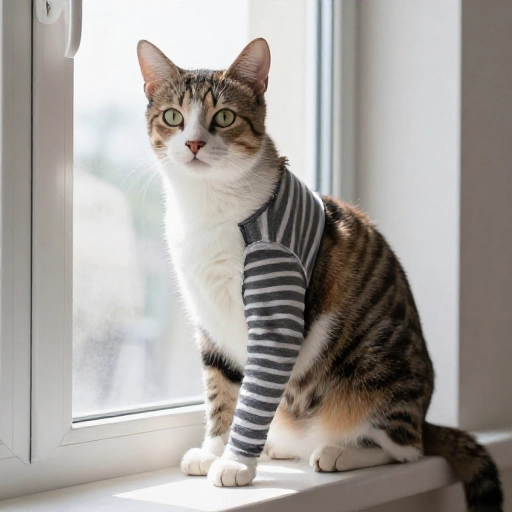
Yes, cats can wear clothes too! Use a soft, stretchy knit like jersey. Sew a simple tube that covers the belly and back, with openings for the front legs. Keep it short so it doesn’t interfere with walking or using the litter box.
I made one for my nervous rescue cat. It took a few tries to get the fit right, but now she wears it during thunderstorms. The gentle pressure calms her down. Use a cat-safe fabric and avoid tight seams.
Conclusion
Sewing pet clothes is one of those hobbies that feels rewarding every single time. You get to be creative, use up fabric scraps, and make something that genuinely helps your pet feel better. Start with the bandana or the t-shirt sweater—they’re foolproof. Once you get comfortable, try the raincoat or the pajamas. Your dog (or cat) will thank you with extra tail wags.
Remember: always measure your pet before cutting. Use soft, breathable fabrics. And don’t worry about perfection. The first few projects might look a little wonky, but that’s part of the fun. Happy sewing!
Frequently Asked Questions
What fabric is best for sewing pet clothes?
Soft, breathable fabrics like cotton, fleece, and jersey knit work best. Avoid stiff or scratchy materials. Fleece is great for warmth, while cotton is ideal for summer.
How do I measure my dog for clothing?
Measure the neck circumference, chest girth (just behind the front legs), and back length from the base of the neck to the base of the tail. Write these down and compare to your pattern.
Can I sew pet clothes without a pattern?
Absolutely. You can trace an existing piece of clothing that fits your pet well. Or use simple geometric shapes like rectangles and triangles. Many projects don’t require a formal pattern.
How do I make sure the clothes are safe for my pet?
Avoid loose buttons or decorations that could be chewed off. Make sure the fit is snug but not tight. Always supervise your pet when they wear new clothes, especially at first.
Can I use a regular sewing machine for pet clothes?
Yes, a standard sewing machine works fine. Use a stretch stitch for knits and a regular straight stitch for wovens. A walking foot helps with slippery fabrics like vinyl.