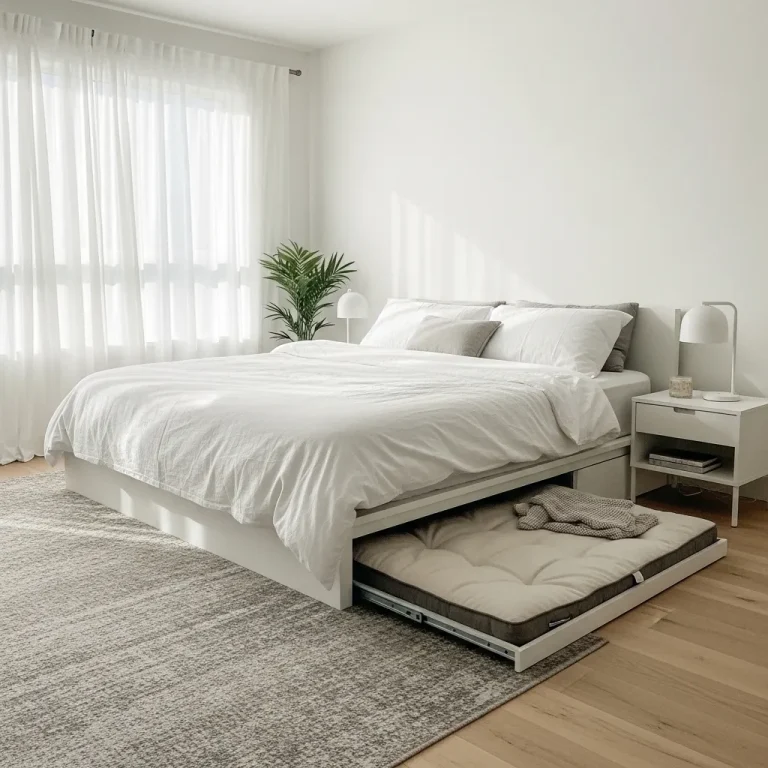
10 Vet-Inspired Decor Ideas Your Cat or Dog Will Actually Love (And Use!)
Let’s be real—our pets don’t care about throw pillows or the perfect rug. But they do care about having a cozy corner, a safe spot to hide, and a place that smells like them. I’ve spent way too much time watching my dog circle a bed before flopping down, and my cat ignoring every fancy toy I buy. So, I started thinking like a vet.
Veterinarians see what makes animals feel calm and secure in stressful places. Turns out, a lot of those principles can be brought right into your living room. You don’t need to turn your house into a clinic, but you can make small tweaks that speak to your pet’s instincts. Here are ten decor ideas that look great on your feed *and* make your furry friend genuinely happier.
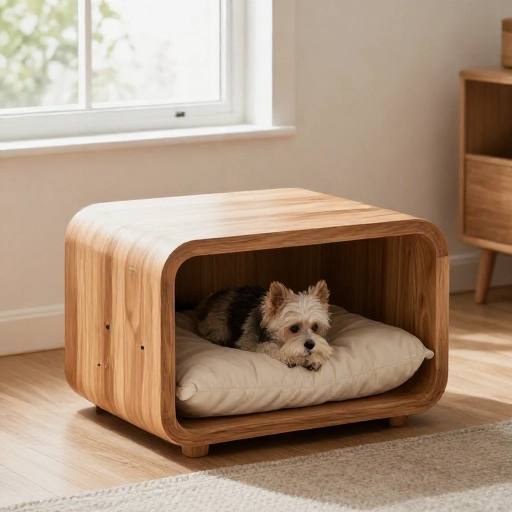
1. The “Cave” Bed That Doubles as a Side Table
Dogs and cats both love a den-like space. It’s not about being antisocial; it’s about feeling protected on three sides. A solid, modern cave bed looks like a sleek piece of furniture, but to your pet, it’s a private retreat where no one can sneak up behind them.
Pick a heavy, structured fabric like felt or boucle that won’t collapse when they step on it. If it looks like a sturdy cube, you can even pop a tray on top for your coffee. Your pet gets a dark, quiet nap spot, and you get a usable surface. It’s a win-win.
Pro tip: Put it in a corner, not in the middle of a walkway. Pets feel more relaxed when they aren’t exposed on all sides.
2. Window Perches with a View (Not Just for Cats)
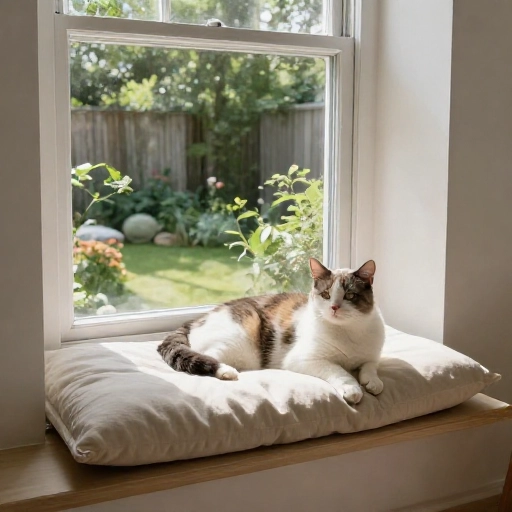
We all know cats love windows, but small dogs do too. Watching the world go by is mental stimulation. Instead of a bulky cat tree, install a floating shelf right at sill height. It’s clean, minimal, and gives your pet a front-row seat to the bird show.
Make sure the shelf has a grippy mat or a small rug so they don’t slide off. If you have a nervous dog, this perch becomes their “guard post.” They can see what’s coming, which actually reduces barking because they don’t feel surprised.
Just make sure the shelf is secured into a stud. You don’t want a crash landing when they spot a squirrel.
3. Rethink the Water Bowl: Elevated and Stable
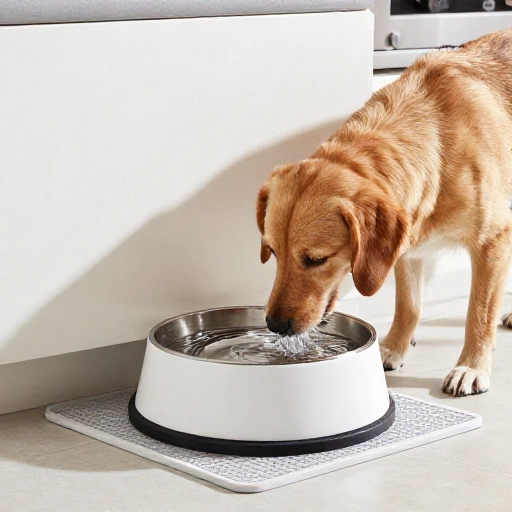
This is a big one that vets often recommend, especially for larger breeds or older pets with arthritis. Bending down to a floor bowl can be uncomfortable. Elevating the dishes reduces strain on their neck and joints. But let’s be honest, the floor bowls also get in the way when you’re sweeping.
Look for a stylish wooden stand that matches your kitchen cabinets. The key is stability. Use a heavy ceramic bowl that won’t slide across the floor when they drink. Nobody wants to hear the bowl clanging against the wall at 3 AM.
For cats, a shallow, wide dish is better than a deep one. Their whiskers are sensitive, and hitting the sides of a deep bowl is stressful.
4. Create a “Sniffing” Rug Zone
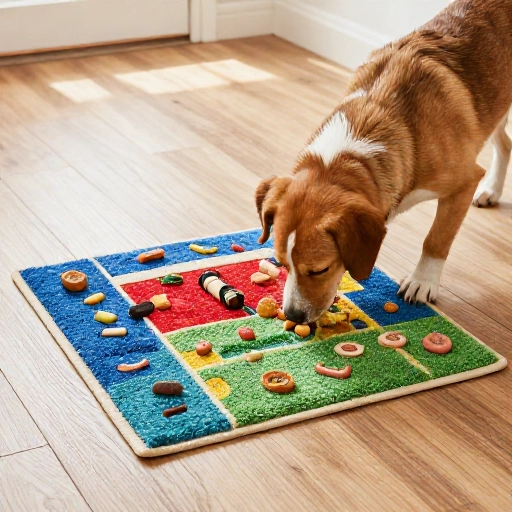
You know how we have decorative rugs? Well, pets have a different idea of fun. They want to sniff. A “snuffle mat” is usually ugly plastic grass, but you can make a decor-friendly version. Use a low-pile wool or cotton rug in a corner and hide treats in the fibers.
This is fantastic for high-energy dogs. It tires them out faster than a walk because it uses their brain. It’s also calming for anxious pets because sniffing lowers their heart rate.
Keep this rug separate from your nice living room rug. Use an old towel or a specific mat that you don’t mind getting dirty. Wash it weekly to keep the smell fresh—for you, not them. They love a stinky rug, honestly.
5. Designated “No Touch” Zones with Pet Gates
This sounds like a rule, but it’s actually a relief for your pet. Having clear boundaries reduces anxiety. They don’t have to guess if they are allowed on the bed or the sofa. Instead of fighting them, give them their own space in the same room.
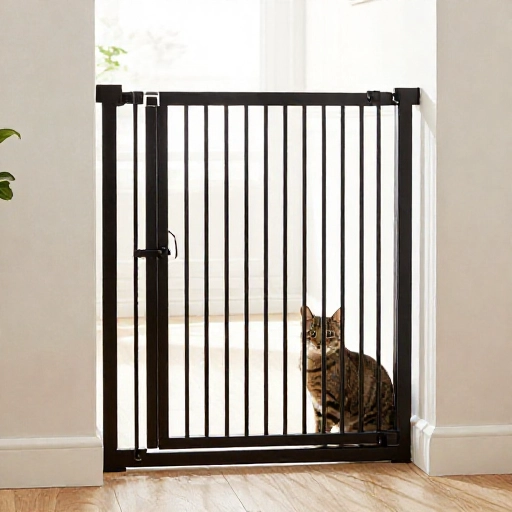
Use a decorative, wooden pet gate (not the plastic baby kind) to block off a hallway or a specific nook. Put their bed and a toy inside. This teaches them that this is *their* room.
It’s not about locking them out; it’s about giving them a safe space where they know the rules. A calm pet is a happy pet, and a gate that looks like furniture keeps the aesthetic clean.
6. The “Lick Mat” Wall Art
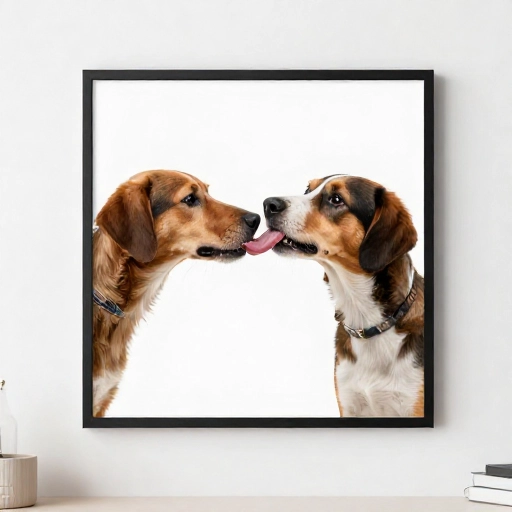
This is a genius hack for bath time or nail trims. Licking is a self-soothing behavior. You can buy a reusable lick mat and stick it to the wall or the fridge at dog height. Smear it with peanut butter or yogurt, and let them lick while you clip their nails.
To make it decor-friendly, choose a neutral-colored mat or make your own using a silicone trivet. Stick it on a cabinet door in the kitchen. It keeps them busy and turns a stressful event into a tasty snack time.
It’s not permanent, so it doesn’t ruin your walls. Just wash it and stick it back on when needed.
7. Swap the Plastic Toys for Natural Textures
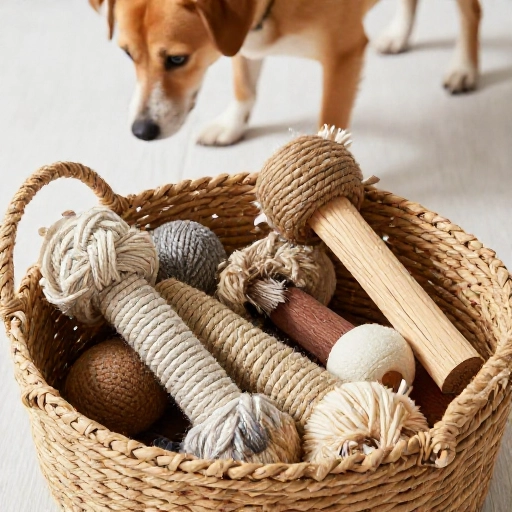
Plastic toys are loud and often smell weird. Vets see a lot of pets who are bored with plastic balls. Instead, curate a “toy basket” that looks like a fruit bowl. Use natural rubber, wool, or hemp toys. They feel better on their teeth and gums.
Get a woven basket and keep it accessible. Let your dog or cat pick their toy out. This gives them control over their environment, which is a huge stress reducer.
Rotate the toys weekly. If they see the same basket every day, they get bored. Hide half the toys and swap them out. It’s like getting new toys without spending money.
8. Soundproofing with Soft Furniture
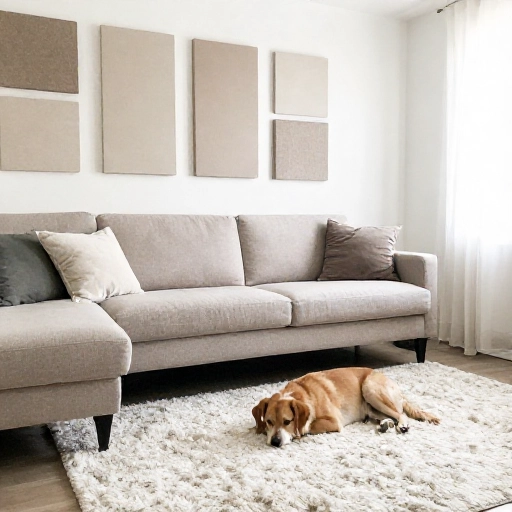
Pets have sensitive hearing. The vacuum, the doorbell, or thunder can be terrifying. Adding soft elements to your decor—like thick curtains, upholstered headboards, or large area rugs—absorbs sound and echoes.
This is a subtle but powerful change. A room that is too echoey feels chaotic to a dog. Create a “quiet zone” with a thick rug and a heavy curtain. This is where they will naturally go when they feel scared.
You might think you’re just decorating, but you’re actually building a panic room for your pet.
9. Scent Calming with Linen Spray
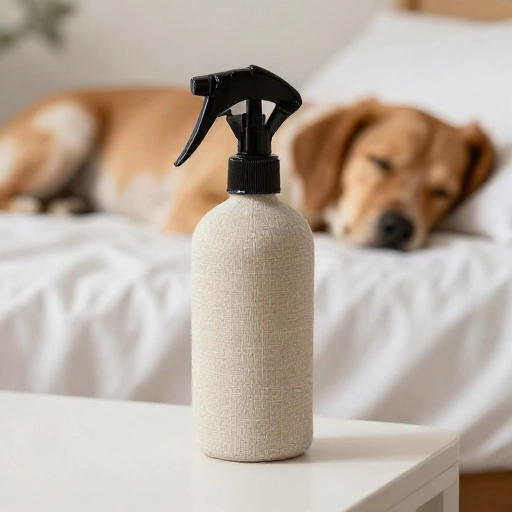
Animals rely on smell more than sight. While we might love lavender, some essential oils are toxic to pets. However, you can use a pet-safe calming spray on their bedding. Look for ones with chamomile or valerian root specifically formulated for animals.
Do not spray it all over the house. Spray a tiny bit on their bed or blanket. It creates a specific “sleep smell” that tells their brain it’s time to wind down.
Before you buy anything, check the label. If it says “for dogs,” don’t use it on cats. Their systems are different.
10. The “Digging” Box for the Living Room
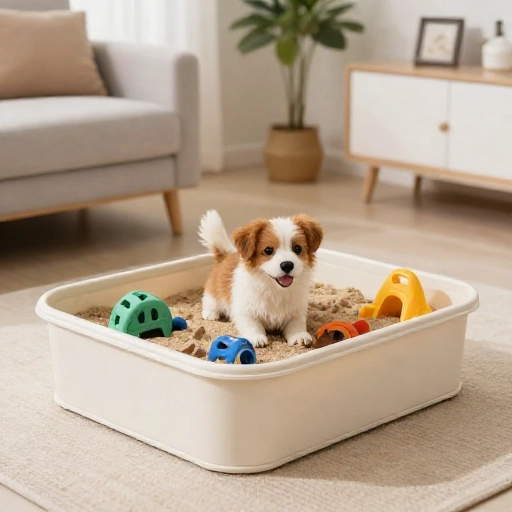
Does your dog dig at the sofa cushions? That’s an instinct. Instead of yelling at them, give them a place where digging is allowed. Get a shallow storage bin and fill it with old t-shirts or fleece scraps.
Bury a few treats inside. Let them dig and root around. This satisfies that instinct without destroying your furniture. Keep the bin in a corner and cover it with a nice wooden lid when not in use.
It looks like a laundry basket, but to your dog, it’s a treasure hunt. This is huge for terriers and other breeds bred to dig.
Final Thoughts: It’s About Their Perspective
Decorating for a pet isn’t about buying the most expensive bed. It’s about looking at the world from their level. Get down on the floor and see what the room looks like. Is it loud? Is it bright? Are there hiding spots?
When you make your pet feel safe and engaged, your home becomes a happier place for everyone. You’ll see less destructive chewing, less barking, and more cuddling. That’s the best kind of decor.
Frequently Asked Questions
Q: What is the best color to paint a room for a dog?
A: There isn’t a “magic color,” but dogs see blues and yellows best. They see red and green as gray. So, a soft blue or warm yellow wall might be more visually interesting for them than a neutral beige.
Q: Do pets prefer hard floors or carpet?
A: It depends. Older pets with joint pain prefer carpet or rugs for grip. Hardwood is slippery and scary for them. If you have hard floors, always provide rugs in high-traffic areas.
Q: Is it okay to use calming diffusers in my home?
A: Only if they are specifically made for pets. Many human diffusers use essential oils that are toxic to cats and dogs. Always check the label for pet-safe ingredients and never use them in a small, unventilated room.
Q: My cat knocks everything off the shelves. Is this a decor problem?
A: Yes! Cats knock things off to see if they move or to get your attention. Give them a high perch or a wall shelf where they can be up high. They are less likely to knock things over if they have a dedicated vertical space.
Q: How often should I wash my pet’s bedding?
A: Once a week is a good rule. Use an unscented, hypoallergenic detergent. Avoid fabric softeners, as the scent can be overwhelming and the chemicals can irritate their skin.