11 Beautiful Wooden Pet Gates You Can DIY (Even If You’re a Beginner)
Let’s be real—store-bought pet gates are ugly. They scream “temporary solution” and clash with every piece of furniture you carefully picked out. But keeping your pup out of the kitchen or your cat away from the baby’s room doesn’t have to mean sacrificing your home’s vibe.
I’ve spent way too many weekends scrolling through Pinterest for stylish pet gates, and guess what? The best ones are the ones you build yourself. Wooden gates are warm, sturdy, and customizable. Plus, you get that little rush of pride every time someone asks, “Wait, you made that?”
Here are 11 gorgeous wooden pet gate projects that range from “I own zero tools” to “I have a whole workshop.” Pick your skill level and get building. Your furry friend (and your décor) will thank you.
1. The Classic Farmhouse Barn Door Gate
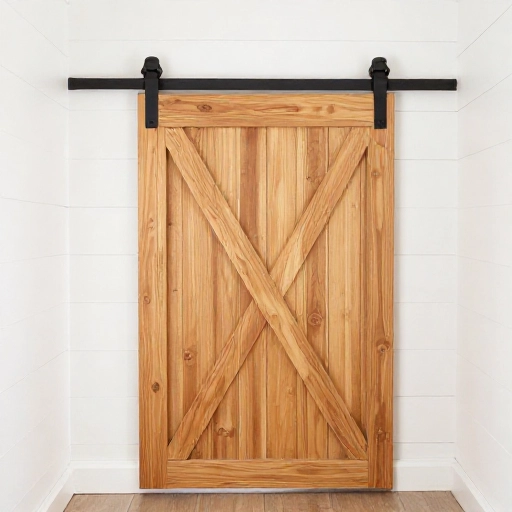
This is the gate you see on every Pinterest dream home. It’s made from two or three vertical boards connected by two horizontal rails. The secret sauce? Use reclaimed wood or give new wood a quick whitewash for that rustic, lived-in feel.
You can mount it on sliding barn door hardware or use heavy-duty hinges. I love this design because it looks like it belongs in a farmhouse kitchen, not a pet store.
For the hardware, make sure the hinges are rated for the weight of the wood. Pine is light and easy to work with, but cedar resists moisture better if your gate lives near a bathroom or mudroom. Sand everything down super smooth—you don’t want splinters on little hands or paws.
2. The Modern Minimalist Slat Gate
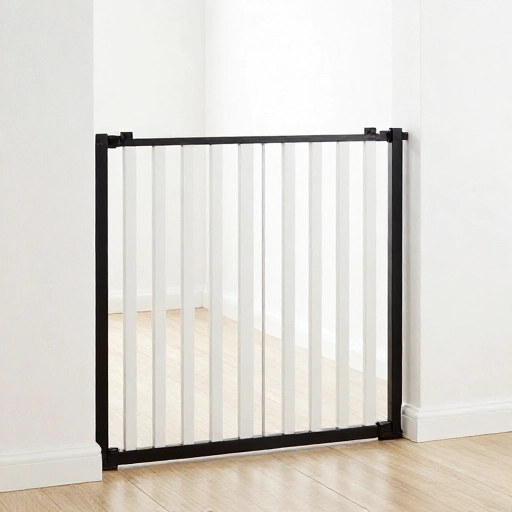
If your home is all clean lines and neutral tones, skip the farmhouse look. A slat gate uses evenly spaced horizontal or vertical wooden bars that are thin and elegant. Think mid-century modern meets Japanese simplicity.
Use birch plywood or poplar for a smooth, uniform finish. Paint it the exact same color as your trim so the gate almost disappears when you look at the room. The trick is getting the spacing right—not so wide that a small dog squeezes through, but not so tight that it looks like a prison cell. About 2.5 inches between slats works for most small-to-medium pets.
This gate is surprisingly easy to build. You just need a saw, wood glue, and a nail gun. Cut your slats, glue them between two long horizontal pieces, and clamp until dry.
3. The Folding Accordion Wooden Gate
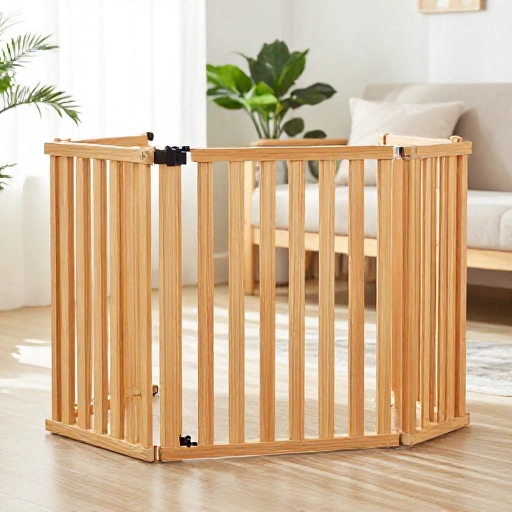
Need something you can tuck away when guests come over? A folding gate is your best friend. This one is a series of narrow wooden panels connected with hinges so you can fold it like an accordion.
You don’t need crazy joinery skills—just cut 4-inch wide boards to the same height, attach hinges between them, and add a latch on the end. The whole thing can be freestanding or mounted to a wall on one side.
I made a version of this for my hallway and it takes less than ten seconds to fold up and lean against the wall. Choose a light wood like bamboo or aspen so it’s easy to move around. Add a felt pad on the bottom so it doesn’t scratch your floors.
4. The Indoor Window-Style Gate
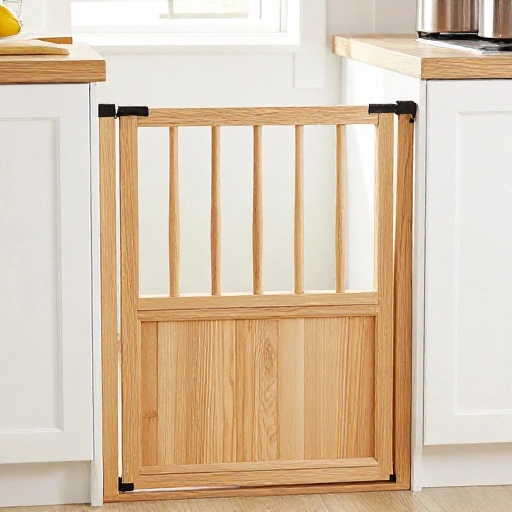
Somewhere between a gate and a room divider, this design looks like a wooden window frame. It has a grid of squares—like a lattice—which is perfect for families who want a barrier but still want to see through to the next room.
Build a rectangular frame from 2x2s or 1x4s, then create a lattice by crossing thin wood strips. Secure the lattice with wood glue and tiny brad nails. The grid pattern is honestly so pretty that it doubles as décor.
One thing to watch: if you have a determined jumper, make this gate extra tall. I recommend at least 36 inches for dogs that like to hop. You can also add a small door in the middle if you want a pass-through for humans.
5. The Rustic Log and Branch Gate
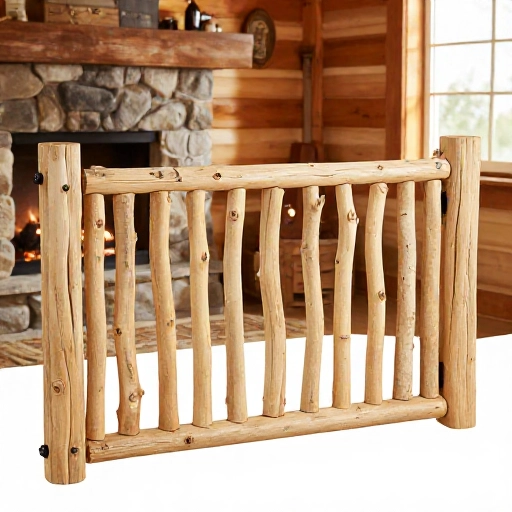
For all my cabin-core lovers out there, this one’s for you. Instead of perfectly milled lumber, use actual branches or small logs. It’s the most “outdoorsy” option on this list and it’s completely free if you forage your own wood.
Strip the bark off and let the branches dry for a few weeks to prevent cracking. Then arrange them vertically, side by side, and secure them to two horizontal branch rails with screws. The uneven, organic look is what makes it charming—don’t try to make it perfect.
This gate works best in a rustic or bohemian space. It’s also crazy sturdy because those branches are thick. Just make sure you sand off any rough spots so pets don’t get scratches.
6. The Half-Wall Pet Gate
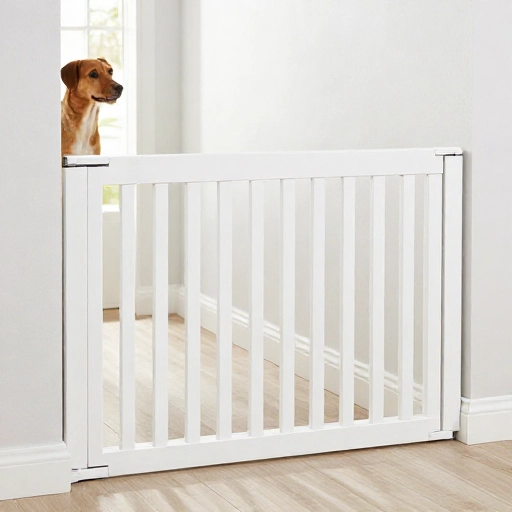
If you’re dealing with an open staircase or a split-level entry, a full-height gate can feel overwhelming. A half-wall gate is a shorter barrier that sits on top of an existing wall or railing, blocking off the gap without obstructing the view.
This is basically a rectangle of wood that extends the height of your existing half-wall. You attach it with brackets and screws to the wall itself. The key is to measure twice, cut once—this gate needs to fit snugly or it’s useless.
Paint it to match your staircase banister for a seamless look. Add a top rail that’s rounded and smooth so it feels nice to lean on. Honestly, you’ll forget it’s a pet gate and start using it as a shelf for plants.
7. The Sliding Pocket-Style Gate
This one is for the advanced DIYers. A pocket-style gate slides horizontally into a hidden cavity in the wall when not in use. It’s the most invisible gate you can build—when it’s open, you’d never know it exists.
You’ll need to build a pocket frame inside your wall (this is where the skills come in). The gate itself is a solid wooden slab on a sliding track. Poplar or maple works great because they’re hard and slide smoothly.
This is a weekend-long project, but the payoff is huge. No more swinging gates blocking your hallway. Just a clean, flush surface. If you live in a rental, skip this one—it involves cutting into your wall. But if you own your place, go for it.
8. The Chunky Pallet Wood Gate
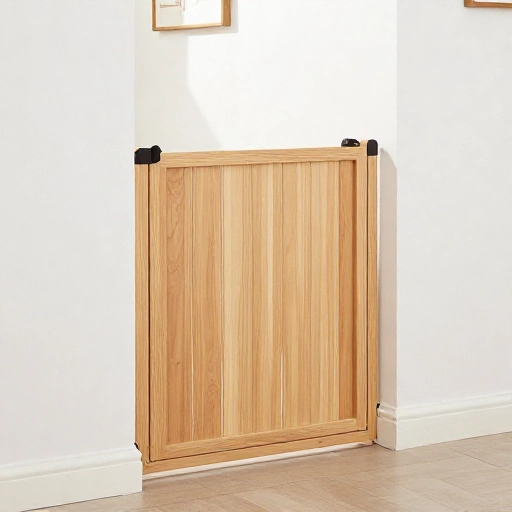
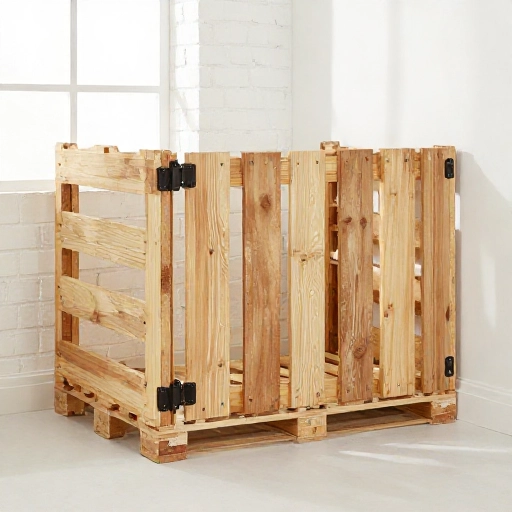
Who doesn’t love a free pallet? Pallet wood is rough, textured, and full of character. It’s also the most budget-friendly option on this list. Break down a pallet, pull out the boards, and sand them until they’re smooth.
Arrange the boards vertically with small gaps between them, then screw them to a horizontal frame. The imperfections in the wood—the nail holes, the grain variations, the slight color differences—are exactly what make this gate look so good.
One heads-up: pallet wood can be dirty, so give it a good wash with soapy water first. You can leave it natural or give it a light stain. I’d leave it natural. It looks great against white walls and adds instant warmth.
9. The Hexagon Geometric Gate
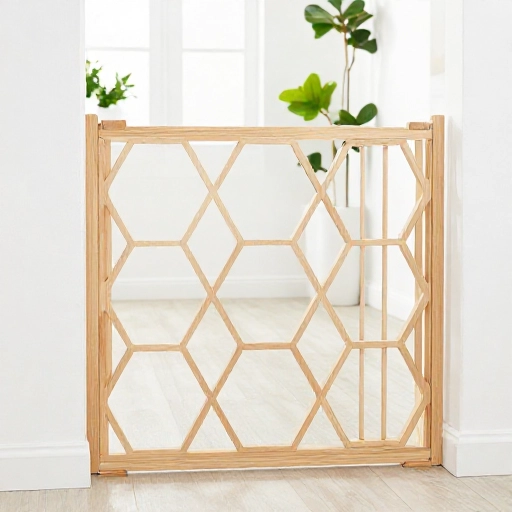
Forget rectangles! A hexagonal gate is a statement piece. It’s more complex to build because you need to cut wood at 30-degree angles so the pieces fit together, but the result is a geometric masterpiece.
Use a miter saw for precise cuts. You’ll create a honeycomb pattern by arranging hexagons in a row. The gate frame can be a simple rectangle that houses the hexagons, or you can make the entire gate one giant hexagon shape.
This gate is more decorative than practical—it’s not going to stop a determined escape artist—but for keeping pets in a room while still looking chic, it’s unbeatable. Paint it a bold color or keep the wood natural.
10. The Extra-Wide Double Door Gate
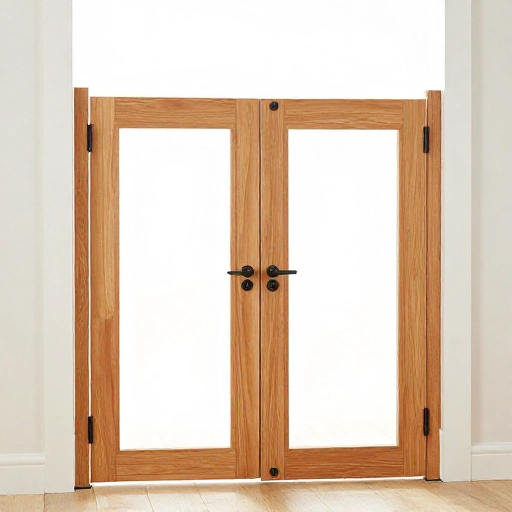
Have a wide opening, like a double doorway or a big archway? A single gate won’t cut it. You need a double door design—two gates that meet in the middle and latch together.
Build two symmetrical wooden frames with vertical slats. Mount them on opposite sides of the doorway with heavy-duty hinges. Add a top and bottom latch where they meet in the center. This gate feels like a pair of French doors, and it’s actually quite simple to build.
Use hardwood like oak or ash because the wider span means more weight on the hinges. This is a great option for keeping pets out of a large living room while maintaining an open, airy feel when the gates are folded back.
11. The Rolling Caster Wheel Gate
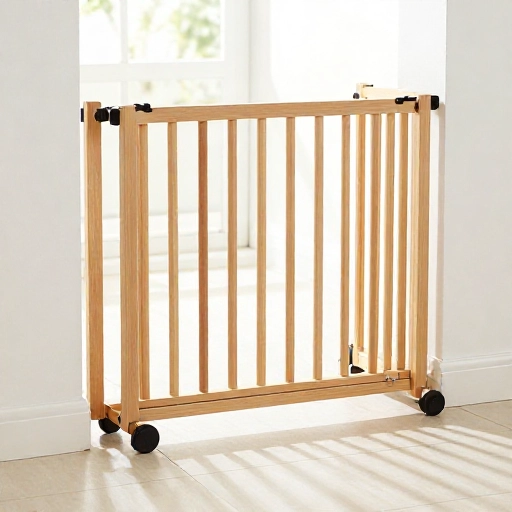
Last but not least—a gate on wheels! This is a freestanding wooden gate that moves around your home like a room divider. It’s perfect for renters because you don’t need to drill into walls.
Build a solid wooden frame with slats, then attach four locking caster wheels to the bottom. You can roll it into the hallway when you need to block off a space, then roll it into the corner when you don’t.
Add a handle on top so it’s easy to push around. The locking wheels keep it in place when your dog tries to push through. This is one of the easiest gates to build—you don’t need any precise measuring—and it’s endlessly useful.
Final Thoughts: Pick the Gate That Fits Your Life
Building your own wooden pet gate is one of those projects that pays off every single day. You get something custom, durable, and exactly the right size for your space. Plus, you never have to settle for a plastic eyesore again.
Start with the easiest design that excites you. Remember to measure your doorway before you buy any lumber, and always sand your edges smooth. Your pets are going to lean on it, push it, and maybe even chew it. Make it sturdy.
Take your time, enjoy the process, and when you’re done, snap a photo. You’ll be amazed at what you can build with just a few boards and a weekend.
Frequently Asked Questions
Q: What type of wood is best for a DIY pet gate?
Pine is the most affordable and easy to work with, but it dents easily. Poplar and birch are harder and take paint well. Oak is the most durable but also the most expensive. For indoor gates, poplar is the sweet spot.
Q: How tall should a wooden pet gate be?
For most dogs, 30 to 36 inches is enough. For jumpers or large breeds, go 40 inches or higher. Cats can clear almost anything, so if you’re containing a cat, you’ll need a full ceiling-height barrier, not a gate.
Q: Do I need a pressure mount or a hardware mount?
Pressure mounts are easy to install and remove, but they can slip over time. Hardware mounts (screws into the wall) are much sturdier and safer for larger dogs. If you own your home, always go with hardware.
Q: Can I build a DIY pet gate without power tools?
Yes! You can have lumber cut at your local hardware store. Use wood glue and corner brackets instead of a nail gun. Hand saws work fine for small projects. It takes longer, but it’s totally doable.
Q: How do I make sure my dog doesn’t chew through the wood?
Apply a pet-safe wood finish like a water-based polyurethane or a natural beeswax polish. You can also attach a metal or plastic chew guard to the top rail. And honestly, a little bitter apple spray on the edges works wonders.