11 Reasons Your Senior Dog Needs Homemade Food (And How to Start)

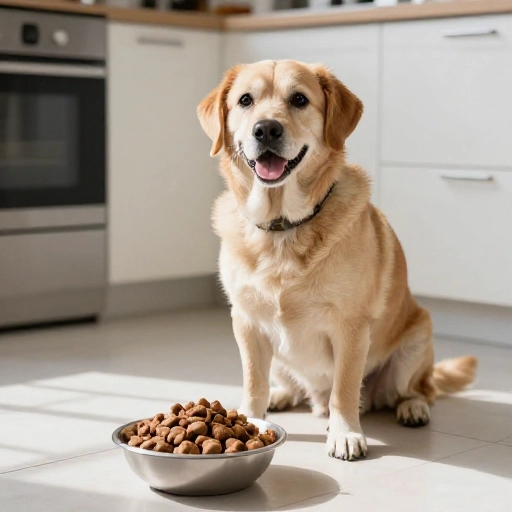
Watching your best friend slow down is hard. Those gray muzzles and stiff joints tell a story of years of love. But here’s the thing: you can write the next chapter with better nutrition. After my own golden retriever, Daisy, started refusing her kibble at age 12, I dove headfirst into homemade dog food. The change was nothing short of remarkable. She got her spark back, her coat got shinier, and she actually looked forward to mealtime again.
This isn’t about fancy trends or complicated recipes. This is about giving your old friend a real shot at comfort and vitality. I’m going to walk you through why switching to homemade food is a game-changer for senior dogs, and exactly how to do it safely. Trust me, if I can do it between work and walks, you can too.
Why Homemade Food is a Lifesaver for Senior Dogs
Commercial kibble is convenient, but it wasn’t designed for the specific needs of an aging dog. Senior dogs often struggle with kidney function, dental pain, and a slowing metabolism. Homemade food lets you control exactly what goes into their bowl. You can reduce phosphorus for kidney health, add healthy fats for achy joints, and skip the preservatives that can be hard on an old system.
The biggest win? Hydration. Dry kibble contains almost no moisture, which is tough on older kidneys. Homemade meals are naturally full of water, helping your dog stay hydrated and flush out toxins. Plus, real food is just more appetizing. When a senior dog’s sense of smell and taste fades, a warm, fragrant bowl of real chicken and rice can be the only thing that gets them to eat.
Kitchen Equipment & Tools You’ll Need
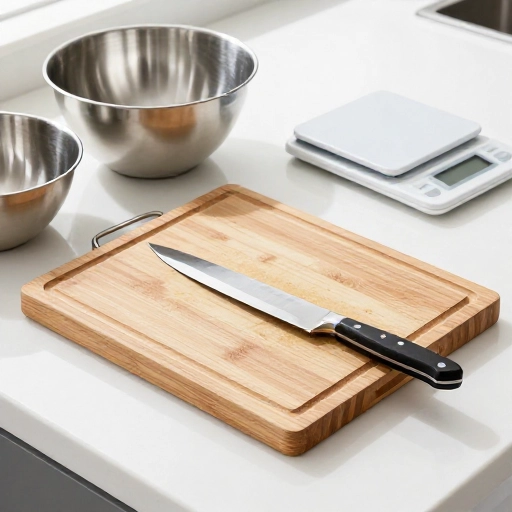
You don’t need a gourmet kitchen to make healthy dog food. Here is the simple gear I use every week. Most of this you probably already own.
- Large stockpot or Dutch oven: You need something big enough to cook a week’s worth of food at once. A 6-quart or larger pot works perfectly.
- Sharp chef’s knife and cutting board: For chopping veggies and trimming meat. Keep a separate cutting board for raw meat to avoid cross-contamination.
- Measuring cups and spoons: Accuracy matters for balanced nutrition, especially for small senior dogs.
- Food scale (optional but helpful): To weigh portions based on your dog’s exact needs.
- Immersion blender or food processor: If your senior dog has missing teeth or a soft jaw, you can puree their food to a smooth, easy-to-eat texture.
- Storage containers: Glass or BPA-free plastic containers with tight lids for fridge and freezer storage.
Ingredients List & Safe Substitutions
This is the core recipe I use for my senior dog. It is designed to be gentle on the stomach but packed with nutrients. Remember to always run major changes by your vet, especially if your dog has a chronic condition.
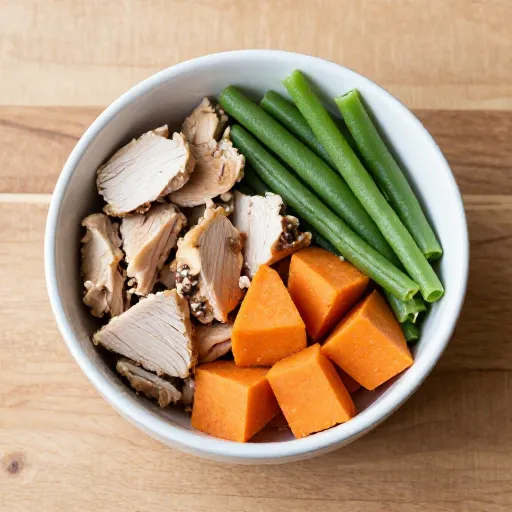
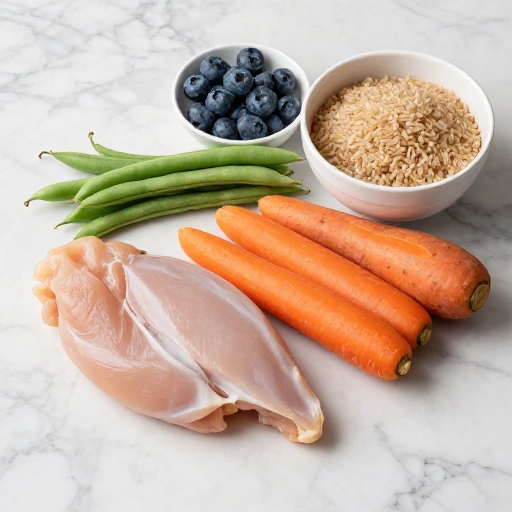
- Protein (choose one): 2 lbs ground turkey (low fat), boneless skinless chicken thighs, or lean ground beef. Turkey is my go-to because it’s easy on the kidneys.
- Carbohydrate: 2 cups cooked brown rice or 2 cups cooked quinoa. Quinoa is a complete protein, which is great for old muscles.
- Vegetables: 2 cups chopped carrots, 1 cup chopped zucchini, and 1 cup chopped spinach. Carrots are great for vision, and spinach is full of iron. Avoid onions and garlic.
- Healthy Fat: 2 tablespoons of fish oil or flaxseed oil. This is non-negotiable for joint health and a shiny coat.
- Calcium Source: 1/2 teaspoon of finely ground eggshell powder per pound of food. You can buy this or make your own by baking and grinding clean eggshells.
Safe substitutions: If your dog is allergic to chicken, use turkey or beef. No brown rice? Use oatmeal or sweet potatoes. Allergic to fish? Use a high-quality coconut oil for fat. Just keep the proportions the same.
Step-by-Step Instructions / Preparation Guide
This recipe makes about 10 cups of food, enough for a week for a 50-pound dog. Adjust portions based on your dog’s weight and activity level.
- Cook the grain: In a small pot, cook 1 cup of brown rice in 2 cups of water according to package directions. Fluff with a fork and set aside.
- Cook the meat: In your large stockpot over medium heat, add the ground turkey. Break it up with a spoon and cook until no longer pink. Do not drain the fat—your senior dog needs healthy fats for energy.
- Add veggies: Toss in the chopped carrots and zucchini. Cook for 5 minutes, stirring occasionally, until they start to soften.
- Add greens: Stir in the spinach. It will wilt down quickly, about 1 minute.
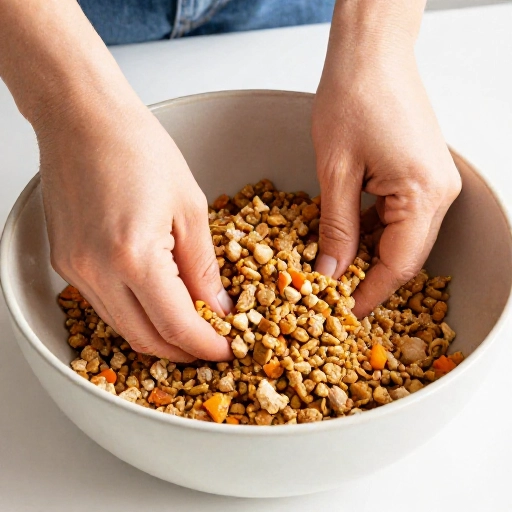
- Combine everything: Add the cooked rice to the pot. Stir in the fish oil and eggshell powder. Mix well until everything is evenly distributed.
- Cool completely: Let the food cool to room temperature before serving or storing. This prevents burns and keeps the texture nice.
Feeding Guidelines, Serving Size & Storage Tips
Portion sizes matter. A general rule is to feed 2-3% of your dog’s ideal body weight per day, split into two meals. For a 50-pound dog, that’s roughly 1.5 to 2 cups of food total per day. Start on the lower end and watch their weight and energy levels for the first two weeks.
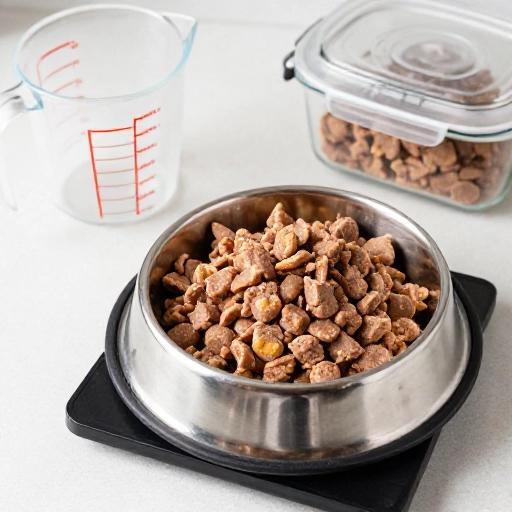
Storage: Divide the cooled food into daily portions. Store in the fridge for up to 5 days. Freeze the rest in labeled bags or containers for up to 3 months. Thaw a portion in the fridge overnight before serving.
Serving tip for picky seniors: Warm the food slightly in the microwave for 10-15 seconds. The smell will activate their appetite. Never serve it piping hot. Always check the temperature with your finger first.
Final Verdict & Summary
Switching to homemade dog food for my senior dog was the best decision I ever made for her comfort. Within a week, her energy was better, her digestion improved, and she started wagging her tail at meal times again. It takes a little planning, but the payoff is huge. You get to see your old friend feel good again.
This isn’t about being a perfect pet parent. It’s about giving your dog the best chance at a happy, healthy old age. Start small, keep it simple, and watch the difference real food makes. Your dog deserves to feel this good.
Frequently Asked Questions (FAQ)
Is homemade dog food safe for senior dogs with kidney disease?
Yes, but you must work with your vet. Kidney disease requires low phosphorus and low sodium. You can make a kidney-friendly version by using egg whites instead of whole eggs, avoiding red meat, and limiting high-phosphorus veggies like sweet potatoes.
How do I know if my senior dog is getting enough nutrients?
Look for good energy, a shiny coat, firm stools, and a healthy weight. If you notice hair loss, lethargy, or digestive upset, consult your vet. I recommend adding a dog-specific multivitamin powder to cover any gaps.
Can I mix homemade food with kibble?
Absolutely. Many pet parents do a 50/50 mix. This makes the transition easier and adds variety. Just remember to adjust the portion sizes so your dog doesn’t gain weight. The mix approach is also great for dogs that are picky about change.
What ingredients should I absolutely avoid?
Never feed your dog onions, garlic, grapes, raisins, chocolate, xylitol (artificial sweetener), or macadamia nuts. Also avoid cooked bones, which can splinter. Stick to safe, whole foods like lean meats, plain grains, and dog-safe veggies.
How often should I rotate the protein in homemade dog food?
I rotate proteins every 2 to 3 weeks. This prevents food sensitivities and keeps meals interesting. For example, I’ll use turkey for two weeks, then switch to beef for two weeks. Always introduce new proteins slowly over a few days to avoid stomach upset.