12 Must-Have Features for Your Indoor Cat Room (Cat Room Ideas Your Cat Will Actually Love)
I turned a corner of my home into an indoor cat room, and honestly, it changed everything. My cats stopped climbing the curtains as much, they napped better, and they seemed calmer. If you’re planning a cat-friendly room, these are the features I’d never skip.
Pinterest is full of beautiful cat room ideas, but pretty isn’t enough. Cats need places to hide, climb, scratch, play, and relax. The best indoor cat room blends function with cozy design so you and your cat both love it.
Below are 12 must-have features I swear by. Pick a few to start, then add more as your space and budget allow.
1. Cozy Hideouts and Cat Caves
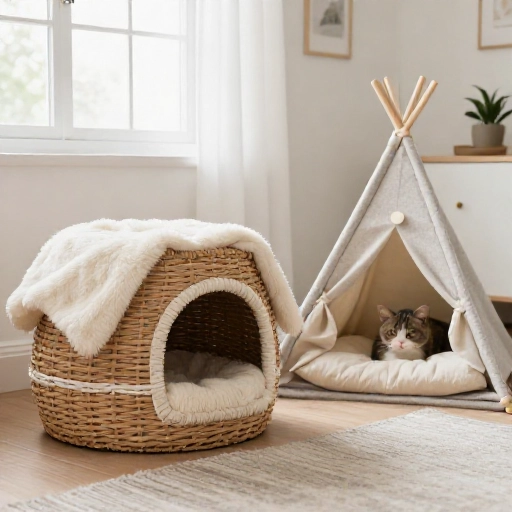
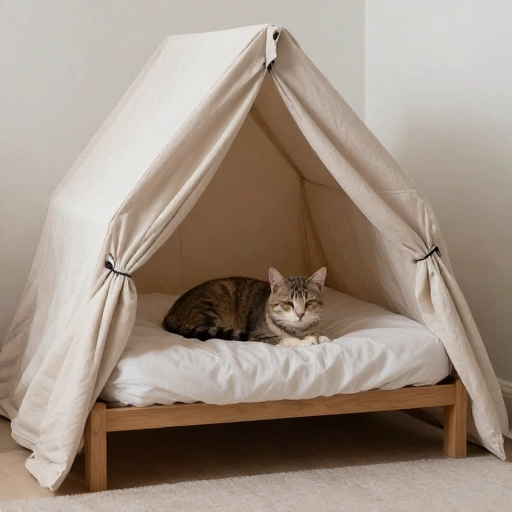
Cats are predators and prey animals at the same time, so they feel safest when they have a hiding spot. A covered bed, a cardboard box, or a little cat cave gives them a place to decompress.
I place hideouts in corners and under furniture where my cats can watch the room without being seen. Look for washable covers and sturdy shapes that won’t collapse.
If you have multiple cats, add more than one hideout. That way, no one gets cornered and everyone has a private retreat.
2. Vertical Climbing Space with Cat Trees and Shelves
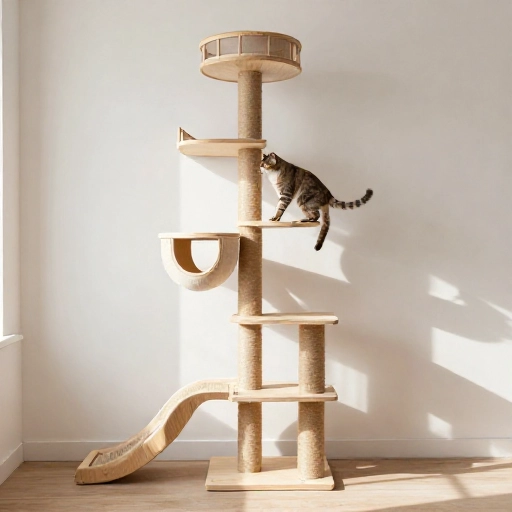
Cats think in levels. A tall cat tree or wall-mounted shelves turns a plain wall into a jungle gym. This is one of the best indoor cat room ideas because it adds exercise without taking up floor space.
I like to mix a sturdy floor-to-ceiling tree with a few floating shelves. Put the highest perch near a window or ceiling corner so your cat can survey their kingdom.
Make sure every shelf can hold a jumping cat. If it wobbles, your cat will avoid it. Anchor heavy furniture to the wall for safety.
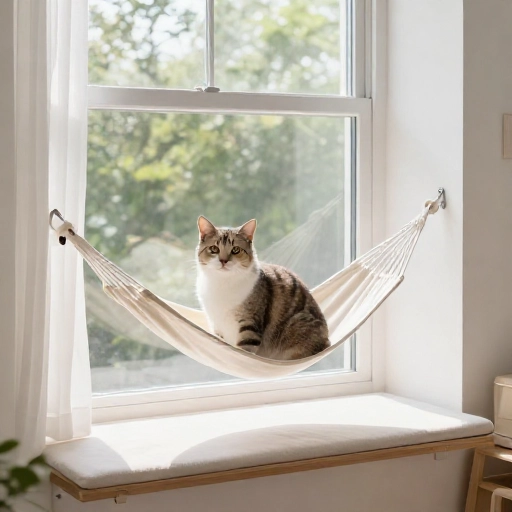
3. Window Perch with a View
A window perch is pure cat TV. Birds, squirrels, leaves, and passing cars keep indoor cats entertained for hours. I have one suction-cup perch and one sturdy window seat, and both get daily use.
Place the perch so your cat can see outside but still have shade during hot afternoons. A nearby curtain or blind gives them the option to hide if they feel exposed.
If your window gets strong sun, add a cooling mat or rotate the perch. Comfort matters as much as the view.
4. Scratching Stations in Different Textures
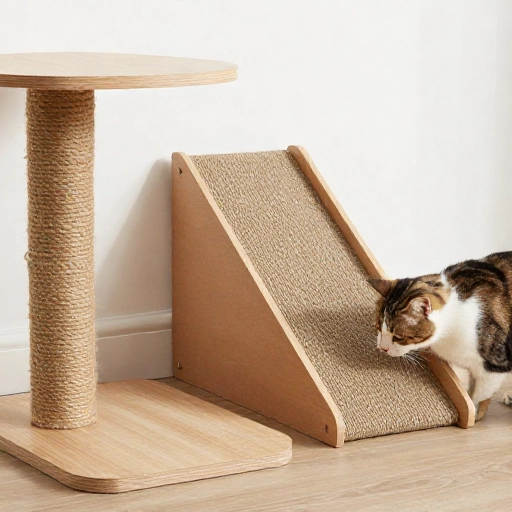
Scratching is not naughty behavior. It’s how cats stretch, mark territory, and keep their claws healthy. An indoor cat room needs scratching options, or your sofa becomes the scratching post.
I keep a tall sisal post near the cat tree, a horizontal cardboard scratcher on the floor, and a flat scratcher near the couch. Different cats prefer different angles and materials.
Put scratchers next to whatever your cat already scratches. Then reward them when they use the right one. A little catnip can help too.
5. Interactive Play Zone with Wand Toys
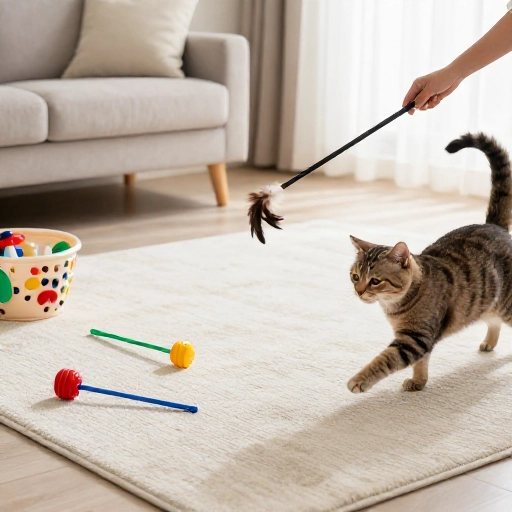
Play is not optional for indoor cats. A dedicated play zone gives you a place to grab a wand toy and burn off energy together. I keep a small basket with feather wands, laser toys, and crinkle balls.
I like to play in short bursts, maybe five to ten minutes, and end with a treat or a meal. That mimics the hunt-eat-groom-sleep cycle cats love.
Rotate toys every week so they feel new. A bored cat is more likely to get into trouble, and play is the easiest fix.
6. Litter Box Zone with Privacy and Ventilation
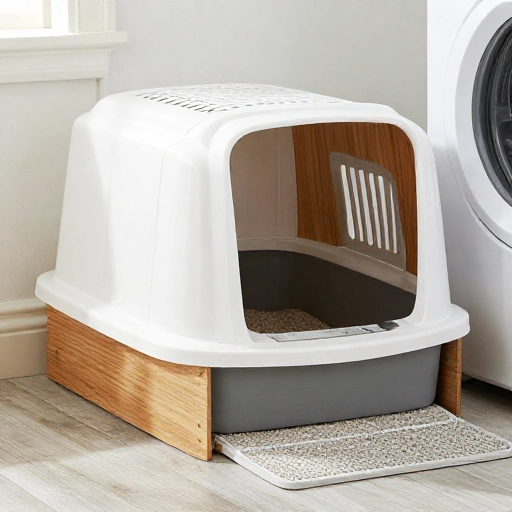
The litter box is not glamorous, but it’s a must-have feature. I put my litter boxes in a quiet corner away from food and water. Cats want privacy, but they also need an easy escape route.
I use a large open box with high sides, and I scoop it daily. An air purifier nearby helps with odors without trapping smells inside a covered box.
If you have multiple cats, the rule is one box per cat plus one extra. Spread them out so no cat has to guard the bathroom.
7. Feeding Station with Fresh Water
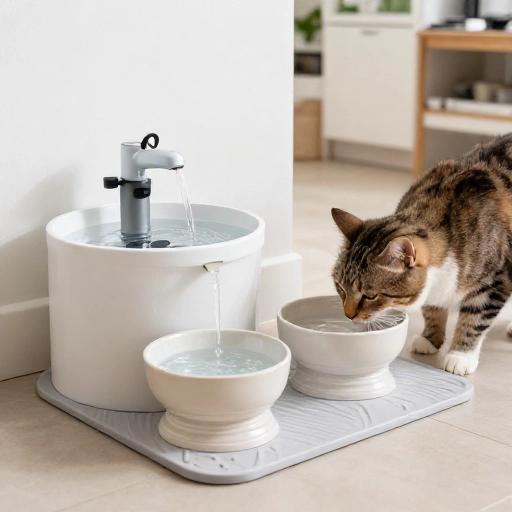
A clean feeding station makes meals feel calm and organized. I use shallow ceramic bowls because they are easy to wash and don’t hold onto smells. Elevated bowls can help cats who gulp their food or have sensitive stomachs.
Water is just as important. Many cats don’t drink enough, so I use a pet fountain to keep the water moving and fresh. I also keep a second water bowl in another room.
Keep food and water away from the litter box. Cats are clean animals, and they appreciate a separate dining area.
8. Cat-Safe Plants and Natural Textures
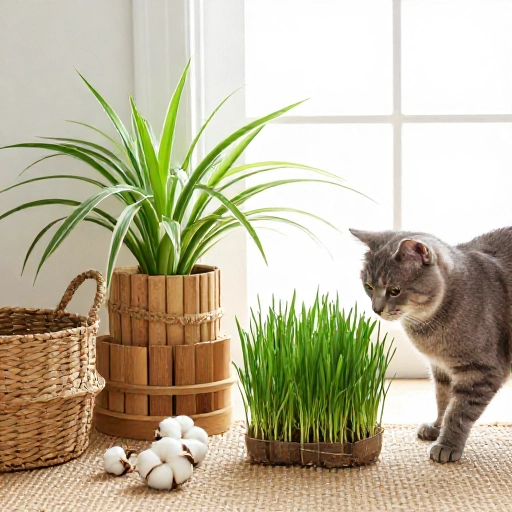
Plants add life to a cat room, but not all plants are safe. I stick with cat grass, spider plants, and Boston ferns. Always check before bringing a plant home, and place toxic ones completely out of reach.
Natural textures like wood, sisal, wool, and cotton make the room feel cozy for both of us. My cats love rubbing against a seagrass basket and napping on a cotton blanket.
A little greenery and texture turn a plain cat room into a space that feels like home, not a clinic.
9. Soft Beds and Warm Napping Spots
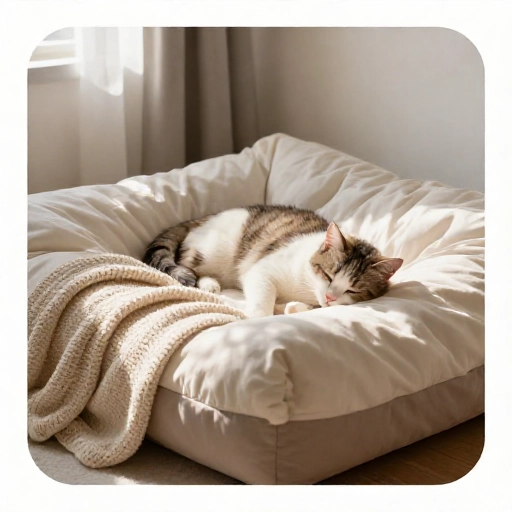
Cats sleep a lot, so comfy beds are non-negotiable. I have a mix of flat mats, donut beds, and a heated pad on low. My oldest cat claims the warm spot every afternoon.
Place beds in sunny spots, on top of cat trees, and near your own seating area. Cats like to nap close to their people, even if they pretend they don’t.
Wash bedding regularly, especially if you have allergies. Soft, clean spots keep cats coming back.
10. Puzzle Feeders and Brain Games
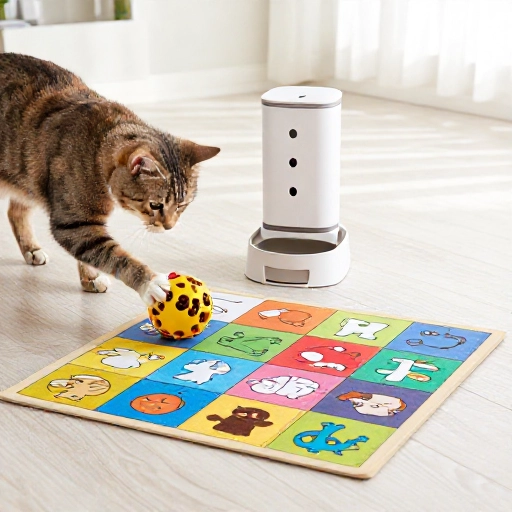
Indoor cats can get bored fast. Puzzle feeders turn snack time into a game and slow down fast eaters. I use a mix of rolling balls, lick mats, and simple treat puzzles.
Start easy so your cat doesn’t get frustrated. Once they master one puzzle, make it a little harder or rotate it out for a new one.
Brain games tire cats out in a good way. A few minutes of problem-solving can be as satisfying as a long play session.
11. Quiet Retreat for Alone Time
Even social cats need a break. A quiet retreat can be a covered bed in a low-traffic corner, a closet with the door cracked, or a top shelf where no one bothers them.
I teach kids and guests to leave a cat alone when they’re in their retreat. That builds trust and prevents stress. It’s a simple feature, but it makes a huge difference.
Add a soft blanket that smells like you. It helps the space feel safe and familiar.
12. Easy-Clean Surfaces and Smart Storage
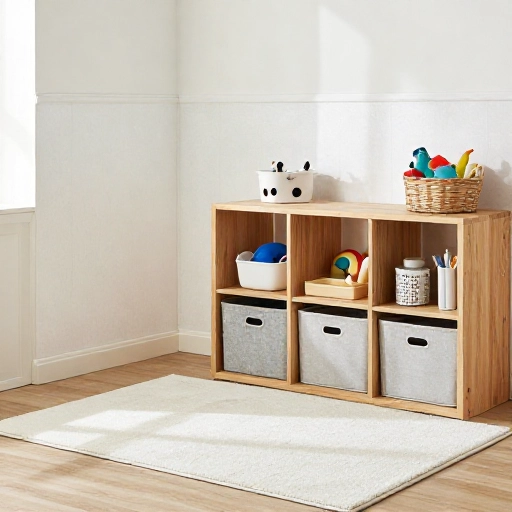
Cat rooms get messy. Fur, litter, toys, and occasional hairballs happen. I choose washable rugs, wipeable walls, and furniture with removable covers.
Storage baskets keep toys and grooming tools out of sight. I also keep a small vacuum and lint roller in the room so cleanup takes seconds, not hours.
A tidy cat room is easier to enjoy. When the space stays clean, I’m more likely to spend time there with my cats.
Conclusion
Building an indoor cat room doesn’t have to be expensive or perfect. Start with the basics: a hiding spot, a scratching post, a litter box, and a window perch. Then add vertical space, puzzle feeders, and cozy beds as you go.
My cats use every feature in this list, and I can see how much calmer and happier they are. If you’re hunting for indoor cat room ideas on Pinterest, save this post and pick one upgrade to try this weekend. Your cat will thank you.
FAQ
What is the most important feature in an indoor cat room?
A safe hiding spot is at the top of my list. Cats need a place to retreat when they feel overwhelmed. After that, scratching posts, litter boxes, and vertical space are close behind.
How do I keep an indoor cat room from smelling like litter?
Scoop daily, use a large box, and keep it away from food. Good ventilation and an air purifier help too. Wash bedding and wipe surfaces often.
Do indoor cats really need a cat tree?
Yes, most indoor cats thrive with vertical space. A cat tree gives them climbing, scratching, and napping options all in one spot. If you’re short on space, wall shelves work too.
What plants are safe for a cat room?
Cat grass, spider plants, and Boston ferns are popular safe choices. Always double-check each plant before bringing it home, and keep toxic plants out of reach.
How can I make a small indoor cat room feel bigger?
Go vertical. Use shelves, a tall cat tree, and window perches. Choose multipurpose furniture, and keep the floor clear for play. Mirrors can also make the room feel more open.