13 DIY Brain Games for Dogs Using Household Items
Some days, the weather is terrible, or you just can’t muster the energy for another round of fetch in the park. But your dog still has that sparkle in their eye, begging for something to do. That’s where mental enrichment comes in. A tired dog isn’t just a physically exercised dog; a mentally stimulated dog is a happy, relaxed, and well-behaved companion.
The best part? You don’t need to spend a fortune on fancy puzzle toys. Your recycling bin, kitchen drawers, and linen closet are full of potential. I’ve tested (and my dogs have thoroughly chewed, nudged, and figured out) these 13 brain games. They are simple to set up, fun to watch, and perfect for tiring out even the most energetic pups.
Grab some treats, find an old towel, and let’s get started. Your dog is about to become a certified genius.
1. The Classic Muffin Tin Game
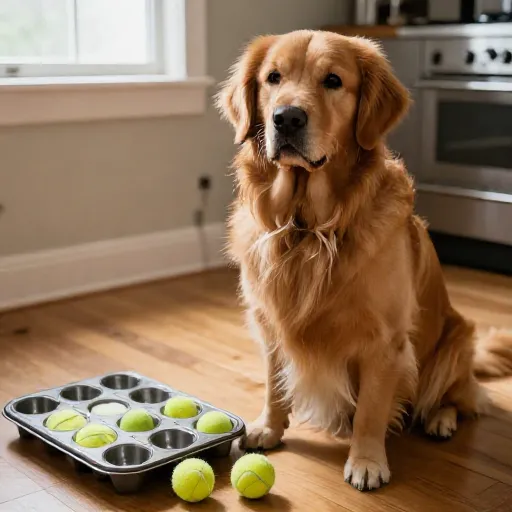
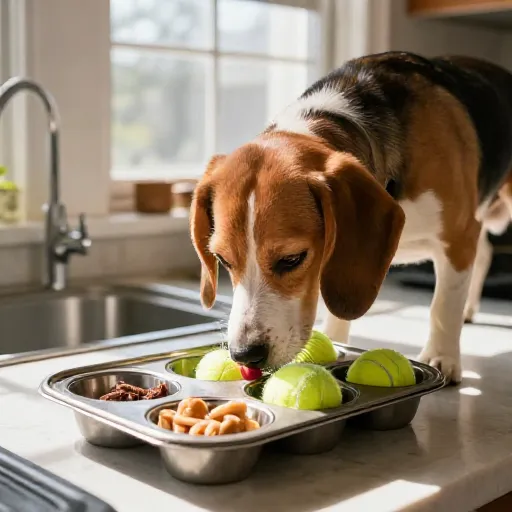
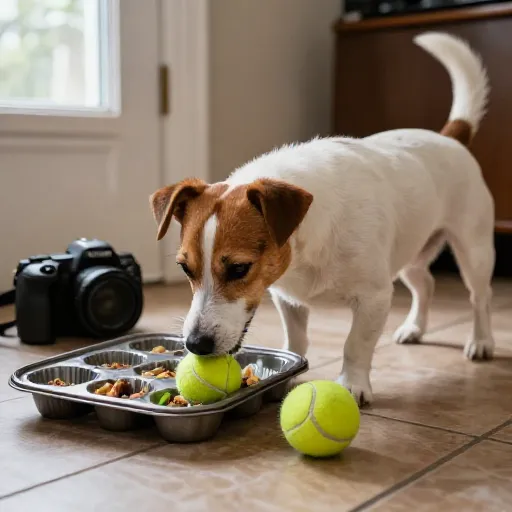
This is the gateway game for puzzle newbies. Grab a standard 12-cup muffin tin and drop a few treats into some of the cups. Cover every cup with a tennis ball or a ping-pong ball. Your dog has to figure out how to slide or nudge the ball off to get the reward underneath.
For an easier start, leave the treat cups uncovered so they can smell them but must push the ball to access them. For a challenge, place a small squeaky toy under the balls to add a layer of curiosity.
Use slow feeder bowls or snuffle mats if you have them, but the tin works perfectly. This game encourages problem-solving and uses their nose and paws in a coordinated effort.
2. The Towel Roll-Up
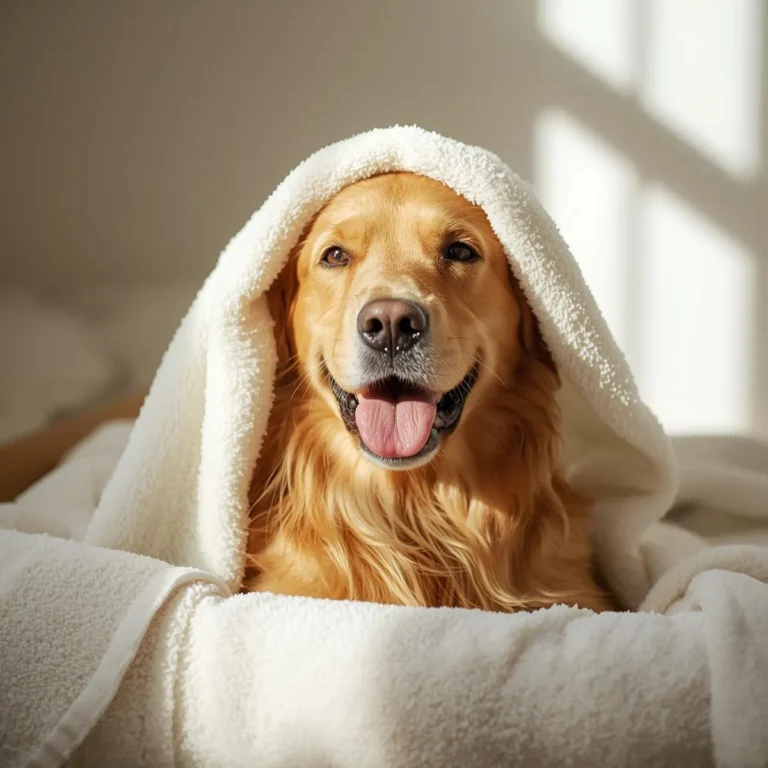
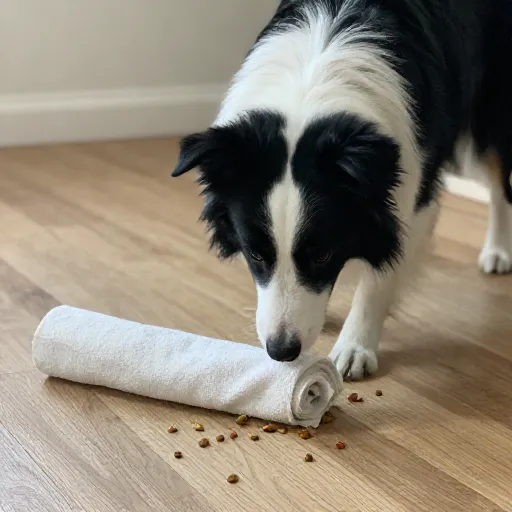
This one is a lifesaver. Lay a flat kitchen towel on the floor. Sprinkle a line of kibble or small treats along the middle. Roll the towel up into a log shape. Now, tie it in a loose knot or just present it as is.
Your dog will use their nose and paws to unroll the towel to get to the goodies. It’s messy but incredibly satisfying for them. It mimics the action of foraging and shredding (without the actual destruction).
Start with a loose roll, and as they get better, make it tighter. You can even place this inside a cardboard box for a double-layer challenge.
3. The Egg Carton Surprise
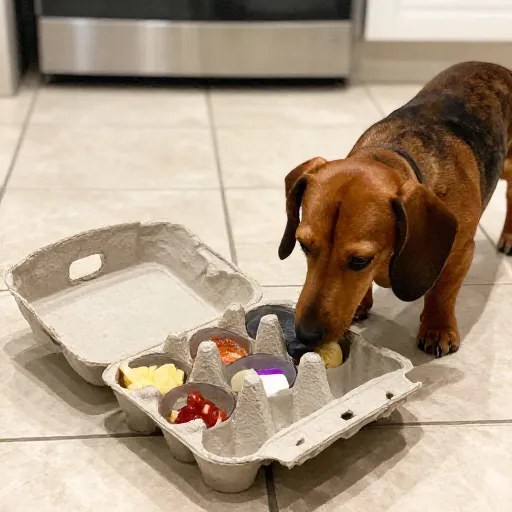
Next time you finish a dozen eggs, save the carton. This is one of the easiest DIY dog toys out there. Place a few treats in the individual cups, fold the carton closed, and hand it over. The crinkly cardboard sound is highly appealing to dogs.
For beginners, leave the carton open so they can just stick their heads in. For advanced pups, close it and maybe add a few heavier objects on top to make it harder to open.
Supervision is key here, as some dogs might try to eat the cardboard. If you see pieces breaking off, simply take it away and try a sturdier plastic container instead.
4. The Foraging Box
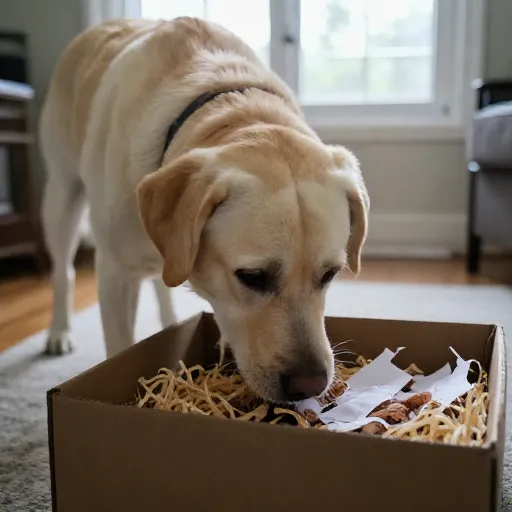
If you have a shredder at home, this is for them. Take a medium-sized cardboard box (like an Amazon box). Fill it with crumpled newspaper, packing paper, or old rags. Scatter treats deep within the layers.
Your dog will have to dig, toss, and bury their nose to find every last crumb. This is excellent for high-energy breeds that love to use their paws. It’s a great way to use up junk mail, too.
Set this up outside or on a hard floor because the paper will fly everywhere. It’s a total sensory overload, which is exactly what they need to burn off energy.
5. The Plastic Bottle Treat Dispenser
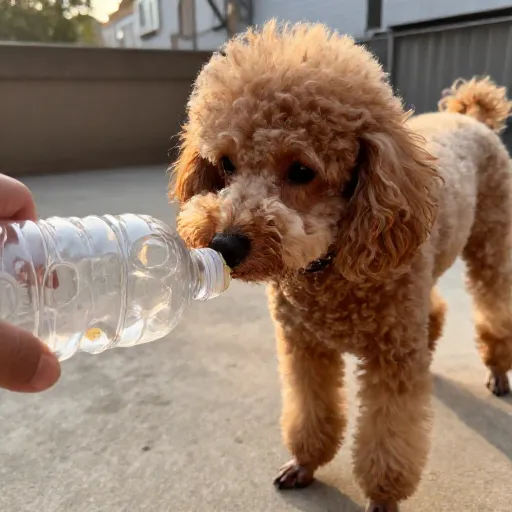
Take an empty plastic water bottle and remove the cap and label. Make sure it is completely dry. Drop a handful of small treats or kibble inside. The bottle becomes a rolling, noisy puzzle as your dog bats it around to get the food out of the small opening.
This is fantastic for dogs that love to push things with their noses. The crinkling sound is a great auditory reward. You can vary the size of the opening by using different bottle types.
Never leave your dog alone with a plastic bottle. Some aggressive chewers will destroy the bottle and could ingest plastic. Always supervise this one and swap it out if it gets chewed.
6. The Muffin Tin & Tennis Ball Upgrade
Once your dog masters the basic muffin tin, level it up. Put a treat in the cups, but this time, place a larger ball (like a tennis ball) over the treat. It’s harder to get off than a ping-pong ball because it fits snugly.
To make it even trickier, put a treat inside a ball, then cover the ball with a cup! The options are endless. This works on persistence and paw-eye coordination.
You can also put a piece of duct tape over the treat cup. They have to use their claws to peel it back. It keeps them busy for a while longer.
7. The Sock Puzzle
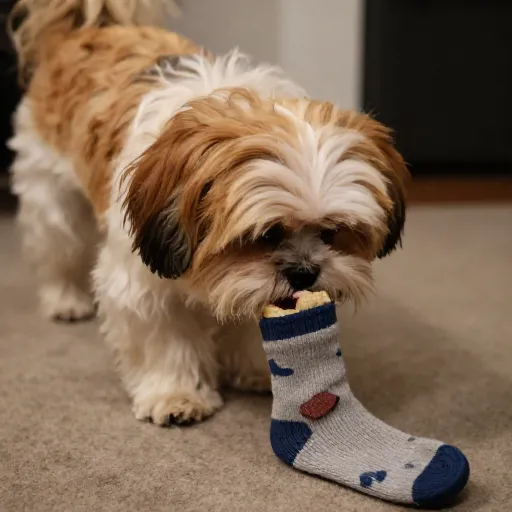
Use a clean, thick sock (or an old fleece glove). Place a treat or a small toy deep inside the sock. Tie a loose knot in the sock, or simply ball it up. Your dog has to use their mouth to untie the knot or unroll the fabric.
This is a great game for dogs that love to “retrieve” and shake things. The fabric is soft on their teeth, making it a safe and gentle challenge. It’s also perfect for laundry day!
If your dog is a serious chewer, use a denim sock or a thick wool sock for durability. You can also hide a squeaker inside for extra motivation.
8. The “Find It” Game with Cups
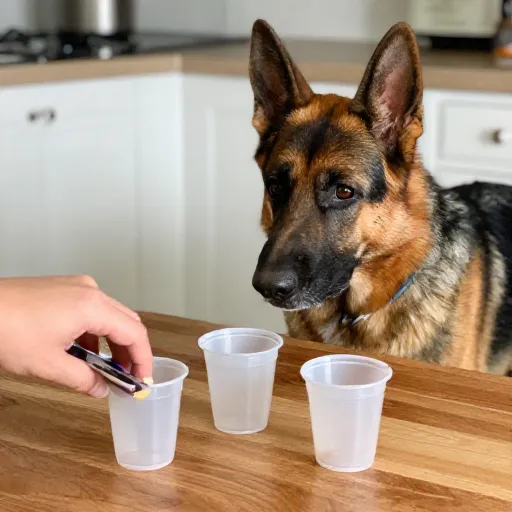
This is the classic shell game. You need three plastic cups (or paper cups) and a treat. Let your dog watch you place a treat under one of the cups. Shuffle the cups around slowly (if they can handle it) or just leave them in place.
Tell them to “find it” and let them sniff out the correct cup. This is a brilliant nose-work exercise. It teaches them to focus and use their sense of smell to locate the reward.
Start with one cup and one treat, then add more cups as they get the hang of it. The key is to make sure they see you put the treat there at least for the first few rounds.
9. The Ice Cube Treasure Hunt
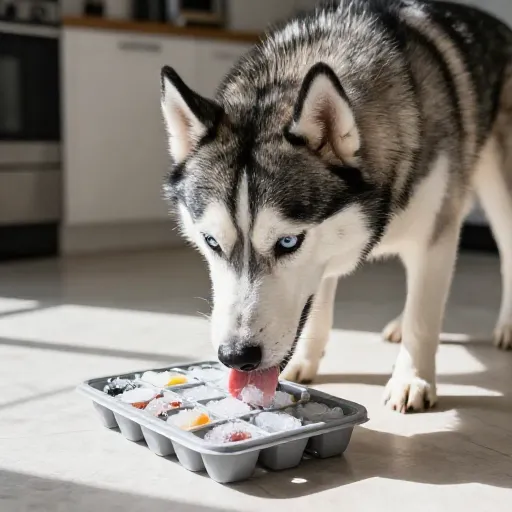
Fill an ice cube tray with water. Drop a small treat or a piece of kibble into each cube before freezing. Once frozen solid, pop them out and give your dog one or two cubes in a bowl or on the floor.
They will have to lick, chew, and slide the ice around to get the treat out. This is a great summer activity and helps with hydration. It’s also very soothing for teething puppies.
To make it even more interesting, freeze a broth or low-sodium chicken stock solution instead of water. The flavor will drive them crazy in a good way.
10. The Box-in-a-Box Challenge
This is a fun destructo-game. Take a large cardboard box and fill it with several smaller boxes (like empty cereal boxes or shoeboxes). Place treats inside the smaller boxes, sealing some and leaving others open.
Your dog will have to rip, tear, and dig through the layers to find the rewards. This is a fantastic outlet for natural shredding instincts. It is pure, unadulterated fun for them.
Just be prepared for the mess. Do this in the garage or on a tarp. It’s a great way to let them be a “dog” without destroying your furniture.
11. The Pool Noodle Puzzle
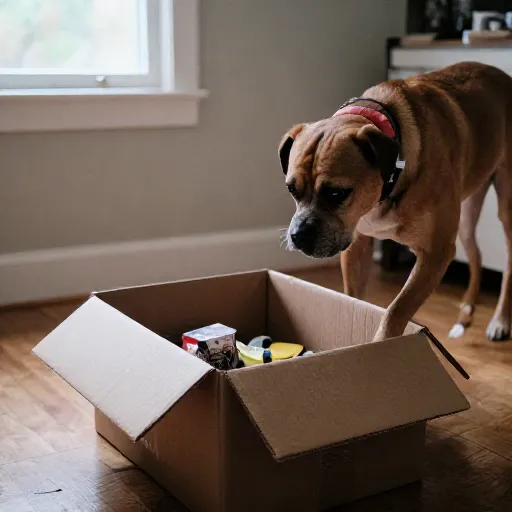
If you have an old pool noodle, this is a great repurpose. Cut the noodle into 2-inch thick slices. You can either hang these slices vertically or lay them flat. Stuff treats inside the hole in the center.
Your dog has to use their nose to push the noodle slice around to get the treat out, or they have to pick it up and shake it. The texture is soft and satisfying to manipulate.
This is a bit more advanced because the treat is hidden inside a moving object. It requires patience and precision. It’s a great way to recycle old beach gear.
12. The “Shell” Game with Muffin Liners
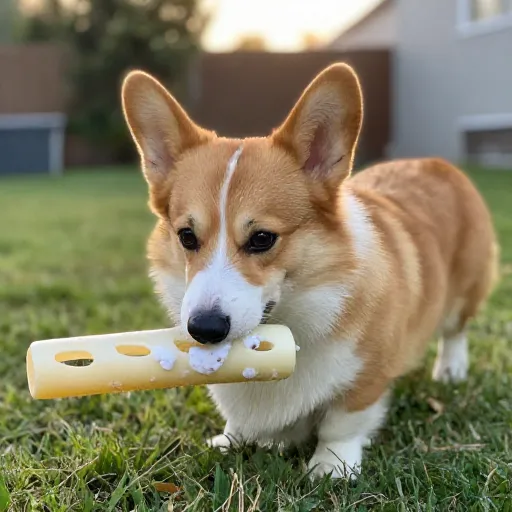
Use a muffin tin again, but this time use paper cupcake liners. Place a treat in the cup and then place a paper liner over it. The liner will crinkle when they try to get to the treat.
You can also place a treat *inside* the liner and then crumple the liner up. This is a great alternative to plastic cups. It’s cheap, disposable, and easy to set up.
Watch them use their paws to bat at the crinkly paper. It’s a very quiet game compared to others, which is great for apartment living.
13. The “Spin the Bottle” Game
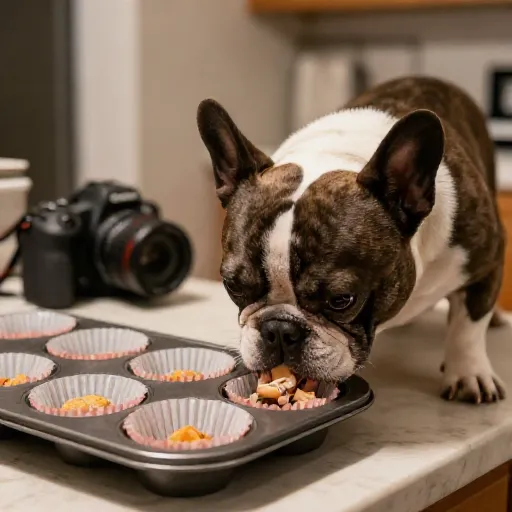
This one uses gravity. Take a large, empty plastic bottle (like a 2-liter soda bottle). Cut a small hole in the side of the bottle, just big enough for a treat to fall out. Place a few treats inside and put the cap back on.
Your dog will have to roll the bottle around to get the treats to fall out of the hole. It’s a bobbing, rolling action that they will love. It’s a fantastic way to slow down their eating.
You can also use a cardboard paper towel roll. Tuck treats inside and fold the ends closed. They have to unroll and tear the cardboard to get to the treats. This is a classic and always a hit.
Conclusion
Mental stimulation is just as important as physical exercise for your dog’s overall well-being. These DIY games are a simple, budget-friendly way to keep their minds sharp and their tails wagging. You don’t need expensive toys to build a strong bond with your pet.
Try one of these today and watch your dog’s confidence grow as they solve each puzzle. Remember to always supervise playtime with homemade toys and adjust the difficulty to match your dog’s skill level. Happy puzzling!
FAQ
1. How often should I play brain games with my dog?
Just 10 to 15 minutes a day can make a huge difference. A short session is often more tiring than a long walk. You can do them every day or a few times a week to supplement their normal exercise routine.
2. What if my dog gets frustrated and gives up?
That’s a sign the puzzle is too hard. Go back to a simpler game or make the treats more visible and easier to access. Always end on a positive note with a success, even if you have to help them out.
3. Are these games safe for aggressive chewers?
It depends on the material. For aggressive chewers, avoid anything with plastic or cardboard. Stick to the fabric games like the towel roll-up or the sock puzzle, and always supervise them closely.
4. Can I use my dog’s regular kibble instead of treats?
Absolutely! Using their daily kibble is a great way to make meals more fun. It’s also healthier because you aren’t adding extra calories. Just use whatever they eat for their meals.
5. My dog only cares about the treats, not the game. What should I do?
That’s totally normal at first. The game is just the vehicle for the reward. As they learn that the game leads to treats, they will start to enjoy the process itself. Keep sessions short and fun.