13 Small Dog Homemade Meals: Easy, Healthy Recipes They’ll Actually Love
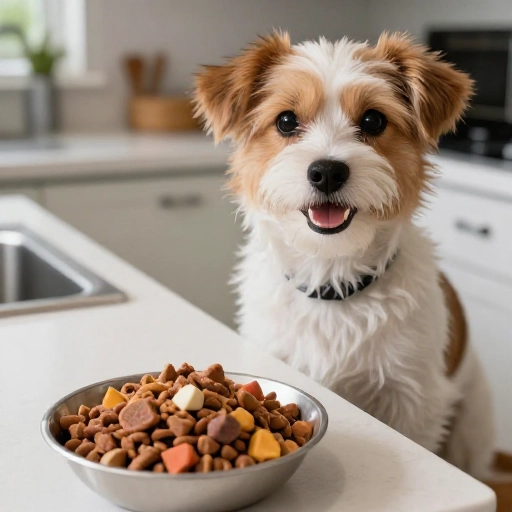
I’ll be honest—when I first started making food for my little Chihuahua mix, I was terrified. Would I mess up the nutrients? Would she turn her nose up at it? But after a lot of trial and error (and some very enthusiastic tail wags), I’ve learned that cooking for small dogs is easier than it seems. Their tiny tummies need real, whole ingredients, and they thrive on meals made with love.
These 13 recipes are designed specifically for small breeds. They’re portion-controlled, packed with protein and veggies, and free from the fillers found in many commercial kibbles. Whether you’re dealing with a picky eater or just want to give your pup a healthier life, these meals are a game-changer. Let’s get cooking!
Why These Homemade Meals Are Perfect for Small Breeds
Small dogs have fast metabolisms and delicate digestive systems. They need nutrient-dense food that’s easy to chew and digest. These recipes focus on lean proteins like chicken, turkey, and fish, plus dog-safe veggies like carrots and green beans. You’ll also avoid common allergens like corn, soy, and artificial preservatives. Plus, cooking at home means you control every single ingredient—no surprises.
Kitchen Tools You’ll Need for Small-Batch Cooking
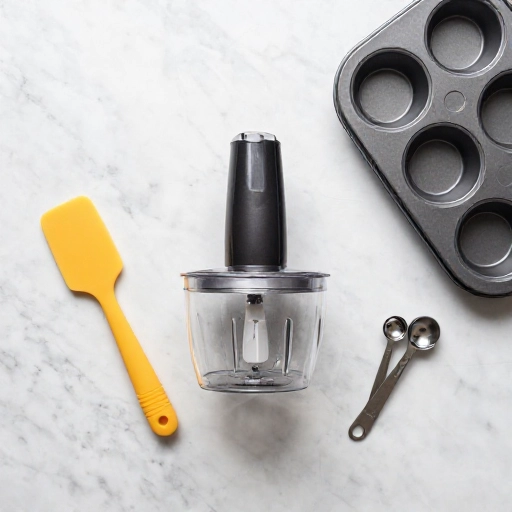
You don’t need a fancy setup. Here’s what I use almost every time:
- A small food processor or blender (for grinding meats and veggies into tiny pieces)
- A medium-sized pot or slow cooker
- Measuring cups and spoons (small dogs need precise portions)
- Ice cube trays or silicone molds for freezing single servings
- Airtight glass containers for fridge storage
That’s it. Most recipes come together in one pot or pan, so cleanup is quick.
Ingredients List & Safe Substitutions
Here are the staples you’ll see across these recipes:
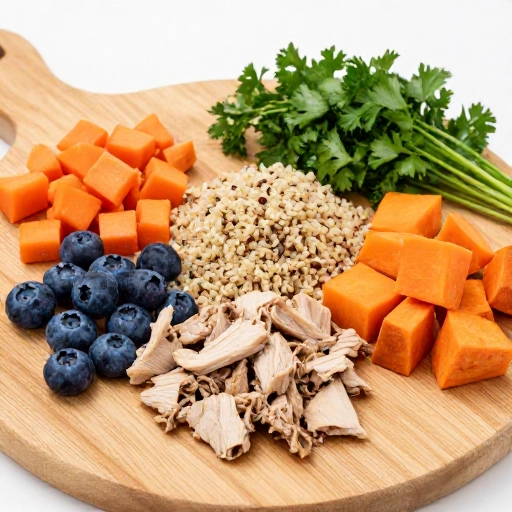
- Protein: Boneless chicken thighs (skinless), lean ground turkey, salmon, or beef. Always remove bones and skin.
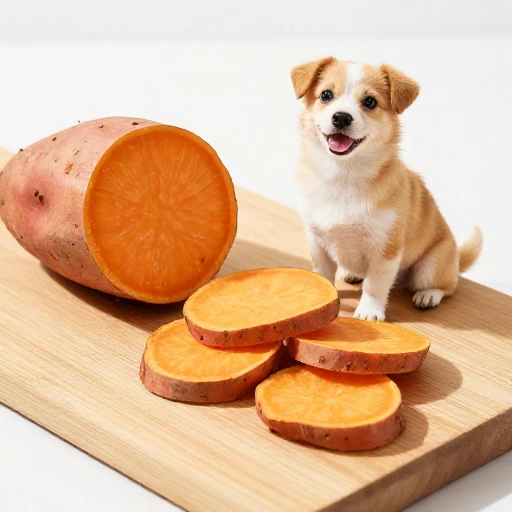
- Veggies: Carrots, green beans, spinach, sweet potatoes, or pumpkin. Avoid onions, garlic, and mushrooms.
- Carbs: Cooked brown rice, quinoa, or oatmeal. Small dogs do well with simple grains.
- Healthy fats: A splash of olive oil or fish oil for coat health.
- Substitution tip: If your dog has allergies, swap chicken for duck or venison. For grain-free needs, use cooked lentils instead of rice.
Always introduce new foods slowly—one new ingredient at a time.
How to Make 13 Recipes (Simple Step-by-Step)
I’ll walk you through the method I use for all of these. The basic process is the same, just swap the ingredients. Here’s the template:
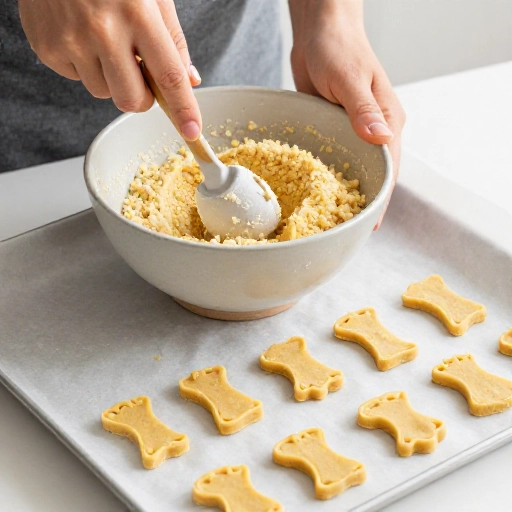
- Cook the protein: Boil or pan-cook the meat until fully done. Shred or grind finely for tiny mouths.
- Steam the veggies: Chop into small pieces and steam until soft. Mash if your dog prefers a smoother texture.
- Cook the grain: Prepare rice, quinoa, or oatmeal according to package directions.
- Mix it all: Combine in a bowl with a little oil or fish oil. Let cool completely.
- Portion out: Fill ice cube trays or small containers. Each cube is roughly one serving for a 10-pound dog.
For variety, try these combos: chicken + sweet potato + green beans, turkey + pumpkin + quinoa, or salmon + spinach + oatmeal. Rotate flavors every few days to keep meals exciting.
Storage Tips & Feeding Guidelines
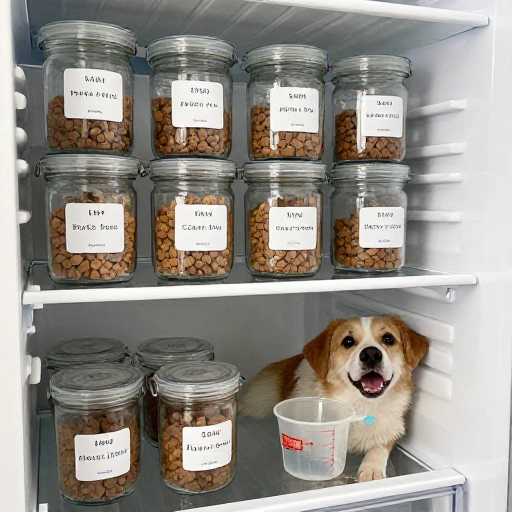
Homemade dog food stays fresh in the fridge for up to 5 days. I freeze extra portions in ice cube trays, then pop them into a freezer bag—they last 3 months. To serve, thaw one cube in the fridge overnight or warm it gently in a bowl of hot water (never microwave, as it creates hot spots).
Feeding amounts: For a 5–15 pound dog, start with ¼ to ½ cup of food per meal, twice a day. Adjust based on your dog’s activity level and weight. Always check with your vet before switching diets, especially for puppies or senior dogs.
Final Verdict & Summary
Making food for your small dog is one of the most rewarding things you can do. These 13 recipes are flexible, budget-friendly, and full of real nutrition. I’ve seen my own pup’s coat get shinier, her energy levels stabilize, and her picky eating completely disappear. Start with one recipe this week—you’ll be amazed at how simple it is. Your dog will thank you with every happy lick of the bowl.
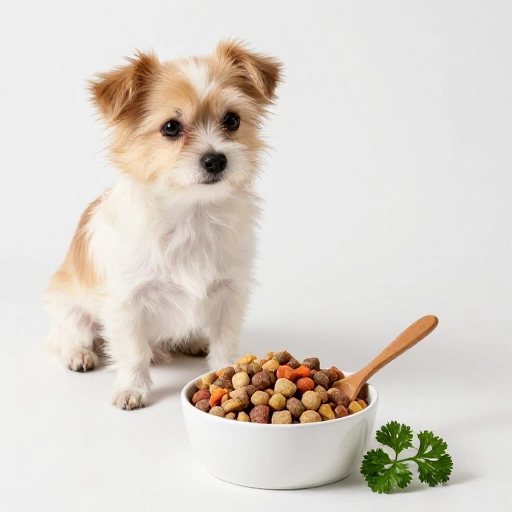
FAQ: Homemade Dog Food for Small Breeds
Can I feed my dog only homemade food?
Yes, but you need to ensure the recipes are balanced. I recommend rotating proteins and veggies to cover all nutrients. A vet can help you add supplements like calcium or taurine if needed.
How do I know if the portion is right for my dog?
Start with the general guideline of ¼ cup per 10 pounds of body weight per meal. Watch your dog’s weight and energy—if they’re gaining, reduce portions slightly. Every dog is different.
Is it safe to use raw vegetables?
I always cook veggies for small dogs. Raw veggies can be hard to digest and pose a choking hazard. Steaming or boiling softens them and makes nutrients easier to absorb.
Can I use these recipes for puppies?
Puppies have different nutritional needs. These recipes are fine for adult dogs. For puppies, consult your vet about adding extra calcium and DHA from fish oil or puppy-specific supplements.
How long does homemade dog food last in the freezer?
Properly stored in airtight containers or freezer bags, it stays good for up to 3 months. Label each bag with the date and recipe name to keep things organized.