14 Toxic Foods That Can Kill Your Cat
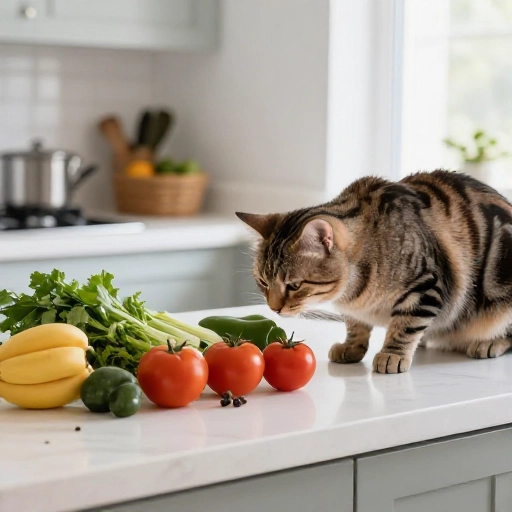
I love my cat more than anything, and I know you feel the same way about yours. But sometimes the things we think are harmless treats can actually be dangerous. I learned this the hard way when my own cat got into something she shouldn’t have.
Our kitchen is full of foods that are perfectly safe for us but can cause serious harm—even death—to our feline friends. I’ve put together this list of 14 toxic foods every cat owner should know about. Keep this handy, and please share it with every cat lover you know.
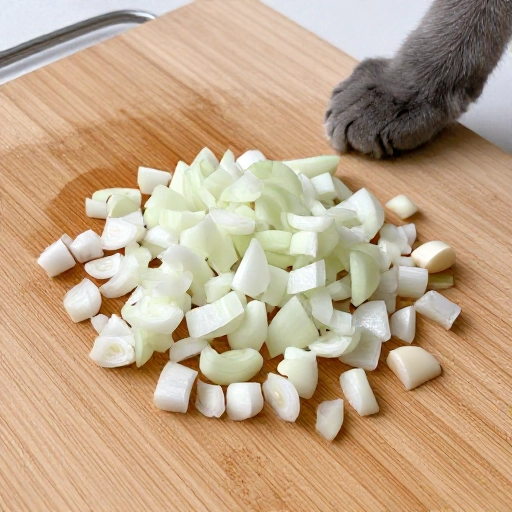
1. Onions and Garlic
Onions, garlic, leeks, and chives are all part of the allium family, and they are highly toxic to cats. Even small amounts can damage red blood cells, leading to anemia.
This includes raw, cooked, dried, or powdered forms. Think onion powder in soups, garlic bread, or even some baby foods.
Watch for signs like weakness, pale gums, or vomiting. If you suspect your cat ate any, call your vet immediately.
2. Grapes and Raisins
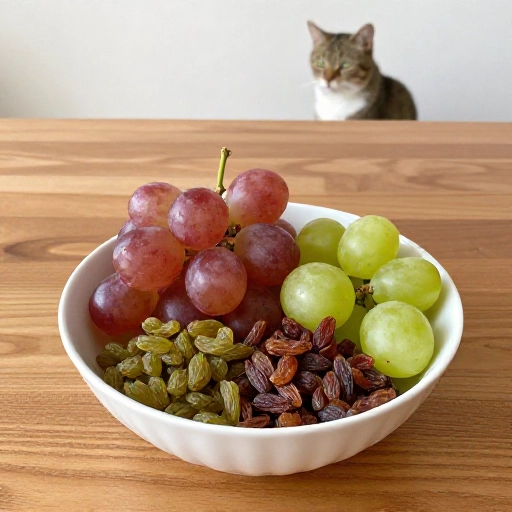
Grapes and raisins are a big mystery to vets. No one knows exactly why they are toxic, but they can cause sudden kidney failure in cats.
Some cats react to just one grape, while others eat several with no issue. It’s simply not worth the risk.
Keep fruit bowls out of reach, and never share your trail mix or oatmeal raisin cookies.
3. Chocolate
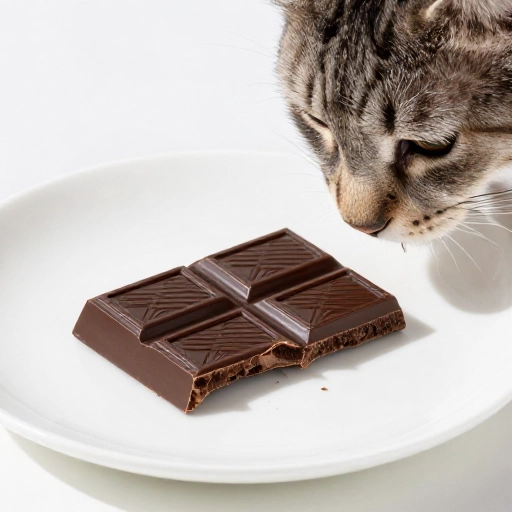
Chocolate contains theobromine and caffeine, two substances cats cannot process. Dark chocolate and baking chocolate are the most dangerous.
Even a small bite can cause vomiting, diarrhea, rapid breathing, and seizures. In severe cases, it can be fatal.
Keep all chocolate—especially around holidays—securely stored. And never let your cat lick your chocolate ice cream.
4. Xylitol (Artificial Sweetener)
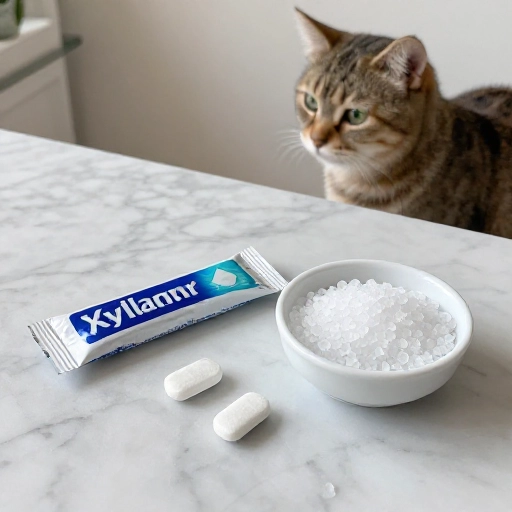
Xylitol is a sugar substitute found in sugar-free gum, candies, baked goods, and even some peanut butters. In cats, it can cause a rapid drop in blood sugar and liver failure.
Signs include weakness, vomiting, and loss of coordination. This can happen within 30 minutes of ingestion.
Always check ingredient labels. If a product says “sugar-free,” assume it might contain xylitol.
5. Alcohol
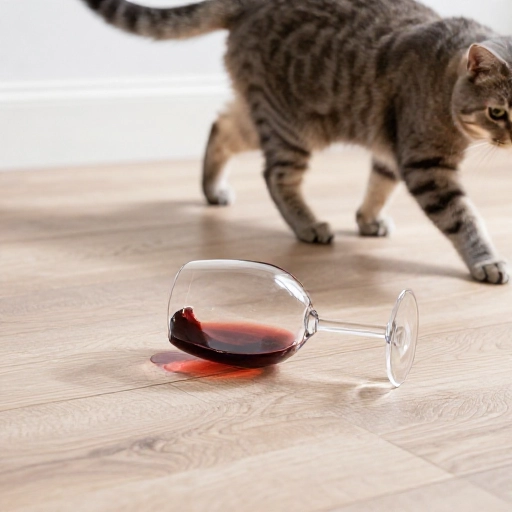
Alcohol affects cats much faster and more severely than humans. Even a small amount of beer, wine, or liquor can cause vomiting, disorientation, and trouble breathing.
In serious cases, it can lead to coma or death. Never leave drinks unattended, and wipe up spills right away.
And please, never give your cat “just a sip” for fun. It is not cute—it is poison.
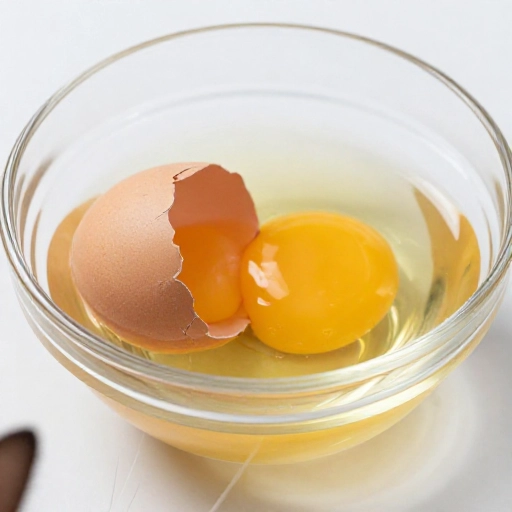
6. Raw Eggs
Raw eggs can contain salmonella or E. coli, which cause severe stomach upset in cats. But there is another risk.
Raw egg whites contain a protein called avidin, which interferes with biotin absorption. Over time, this can lead to skin and coat problems.
Cooked eggs are fine in small amounts. Just skip the raw ones.
7. Raw Meat and Fish
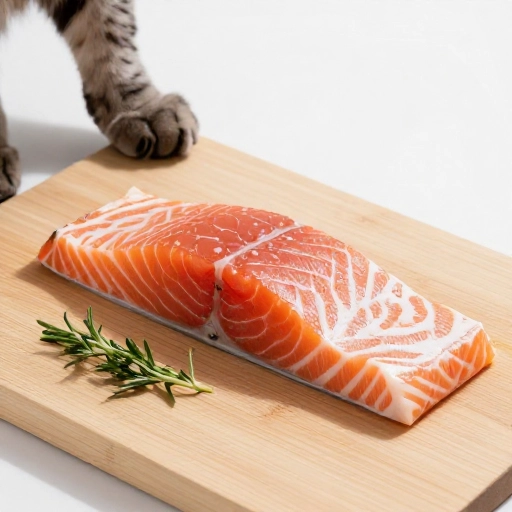
Raw meat and fish can carry bacteria like salmonella and listeria. These can cause vomiting, diarrhea, and serious infections.
Raw fish also contains an enzyme that destroys thiamine (vitamin B1), which can lead to neurological problems.
If you feed your cat meat or fish, always cook it thoroughly first. No sushi for your kitty.
8. Milk and Dairy
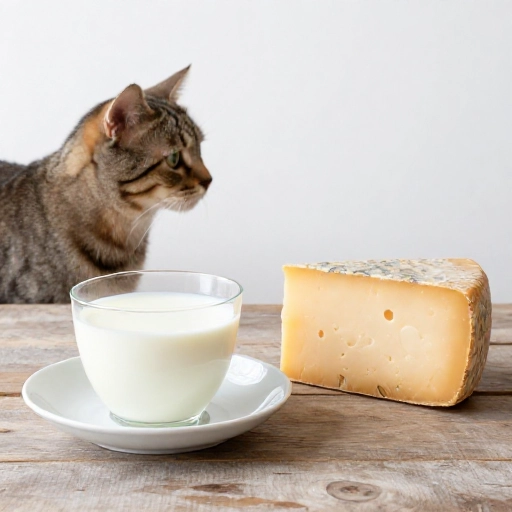
Most adult cats are lactose intolerant. That means they cannot properly digest the lactose in cow’s milk.
Giving your cat a saucer of milk can lead to stomach upset, gas, and diarrhea. It is not a treat—it is a tummy ache waiting to happen.
Stick to fresh water. If you want to give a special drink, look for lactose-free cat milk at the pet store.
9. Caffeine
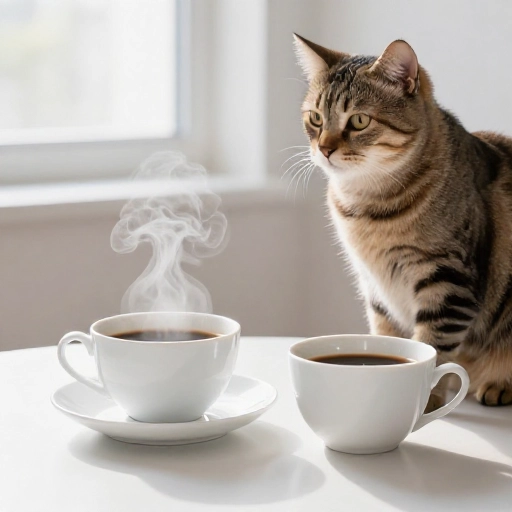
Coffee, tea, energy drinks, and even some sodas contain caffeine. Cats are highly sensitive to it.
Signs of caffeine poisoning include restlessness, rapid breathing, heart palpitations, and tremors. Large amounts can be fatal.
Keep your morning coffee mug covered, and never let your cat sip from your cup.
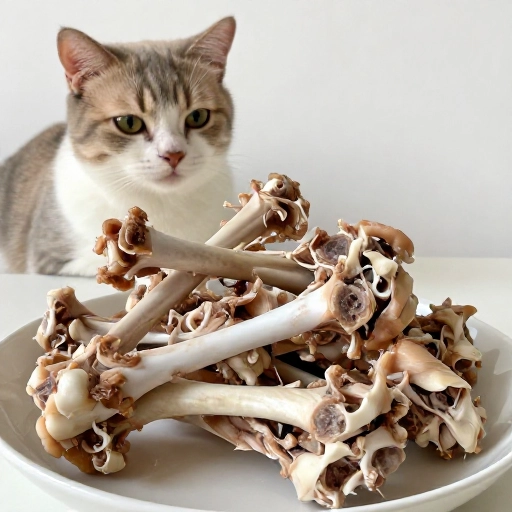
10. Bones and Fatty Trimmings
Cooked bones can splinter and cause choking, or worse, puncture your cat’s digestive tract. Raw bones also carry risks.
Fatty trimmings from meat can cause pancreatitis, a painful and dangerous inflammation of the pancreas.
Instead of table scraps, give your cat treats made specifically for felines.
11. Dog Food (Long Term)
An occasional bite of dog food won’t hurt your cat. But feeding it as a regular meal is a problem.
Dog food lacks taurine, an amino acid cats need for heart and eye health. Without enough taurine, cats can develop blindness or heart disease.
Always feed your cat a complete and balanced cat food. Their nutritional needs are very different from dogs.
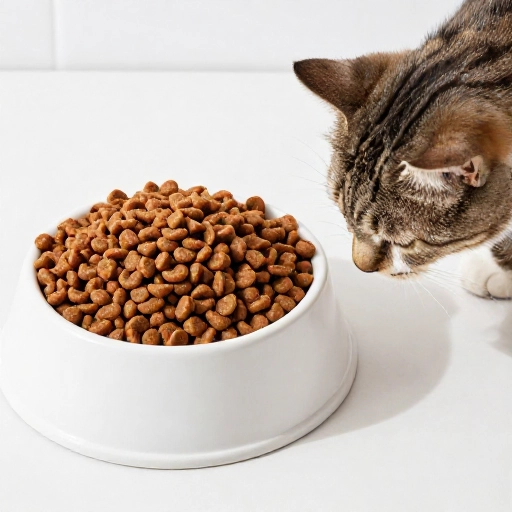
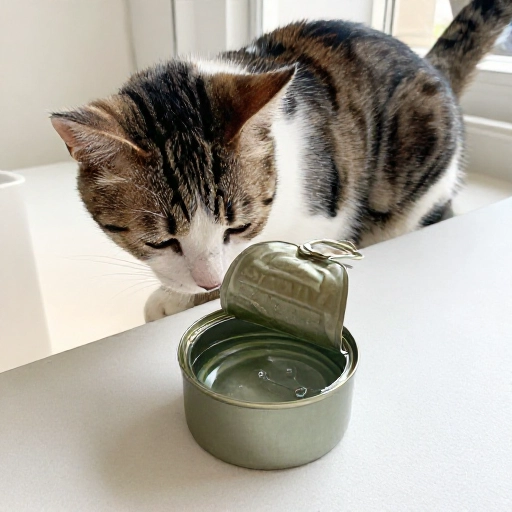
12. Tuna (Human Canned)
I know cats love tuna, but human canned tuna is not a healthy meal. It lacks the nutrients cats need and often contains too much salt.
Feeding it regularly can lead to malnutrition and even mercury poisoning over time.
A tiny bit as an occasional treat is okay. But do not make it a daily habit.
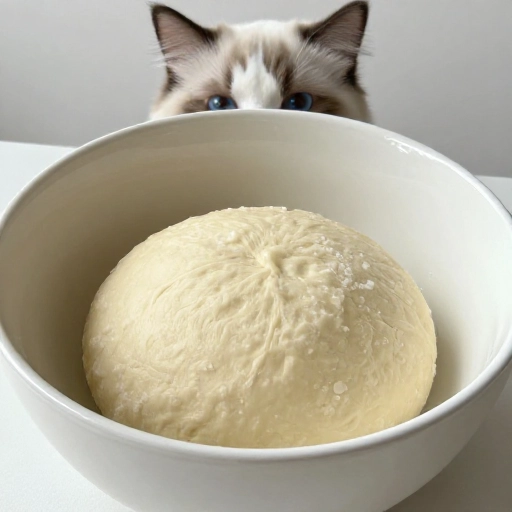
13. Yeast Dough
Unbaked bread dough can be very dangerous. The yeast causes the dough to rise inside your cat’s warm stomach, leading to bloating and pain.
As the yeast ferments, it also produces alcohol, which can cause alcohol poisoning.
Keep rising dough covered and out of reach. If your cat eats it, call your vet right away.
14. Salt
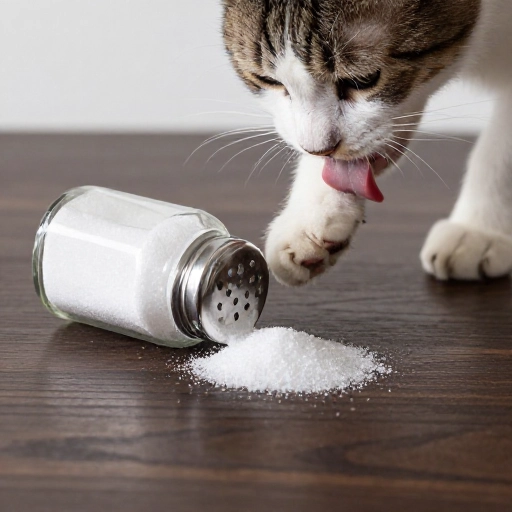
Too much salt can cause sodium ion poisoning in cats. Signs include excessive thirst, vomiting, diarrhea, and tremors.
In severe cases, it can lead to seizures or coma. Avoid feeding salty foods like chips, pretzels, or salted meats.
Stick to their regular diet. Cats do not crave salt the way we do.
Conclusion
Our cats depend on us to keep them safe. The kitchen can be a dangerous place if we are not careful. I hope this list helps you spot risks you might not have noticed before.
If you ever think your cat has eaten something toxic, do not wait. Call your vet or a pet poison hotline immediately. Quick action can save a life. Please share this with other cat owners—it might just save their furry friend too.
[[IMG:IMG16]]
Frequently Asked Questions
1. What should I do if my cat eats something toxic?
Stay calm and call your veterinarian or a pet poison control center right away. Do not try to make your cat vomit unless a vet tells you to.
2. Can a single grape really kill a cat?
Yes, it can. Some cats are very sensitive to grapes. Even one can cause kidney failure in certain cats. It is best to avoid them completely.
3. Is it safe to give my cat a little bit of milk?
No, most adult cats are lactose intolerant. Milk can cause upset stomach and diarrhea. Water is the best drink for your cat.
4. How fast do symptoms of poisoning appear?
It depends on the toxin. Some cause symptoms within 30 minutes, while others take a few hours. Always monitor your cat closely if you suspect ingestion.
5. Are there any human foods that are safe for cats?
Yes, in moderation. Small amounts of cooked meat (no seasoning), plain cooked eggs, and certain vegetables like steamed carrots are generally safe. But always check with your vet first.
[[IMG:IMG17]]