15 Genius Backyard Dog Area Ideas That Are Safe, Stylish & Built for Real Dogs
Let’s be honest—our dogs are basically family members with fur. So when I started planning my backyard, I didn’t just want a patch of grass where my pup could do his business. I wanted a space that was safe, functional, and honestly, pretty cute too. After a lot of trial and error (and a few chewed-up garden beds), I’ve nailed down the best ideas for creating a backyard dog area that works for both of you.
Whether you have a tiny patio or a sprawling lawn, these design ideas focus on durability, safety, and pure fun. We’re talking about everything from digging pits to splash zones. If you’re ready to transform your yard into the ultimate doggy paradise, grab a notepad because these tips are gold.
1. Build a Dedicated Digging Pit to Save Your Lawn
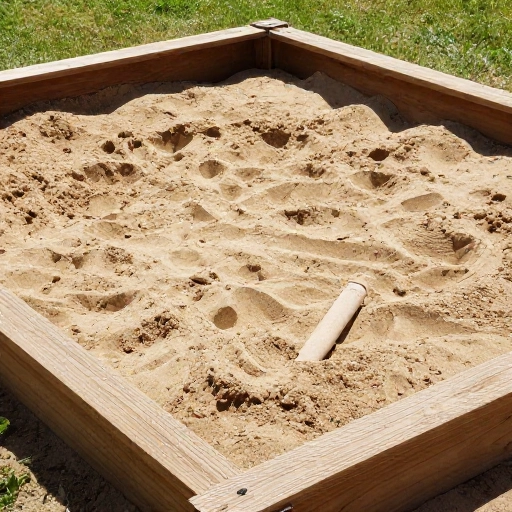
If your dog is a natural-born excavator, fighting the instinct is a losing battle. Instead, I recommend giving them a designated spot where digging is not only allowed but encouraged. This is the single best trick I’ve used to save my flower beds.
Start by building a simple wooden frame—like a sandbox—and fill it with loose play sand or soft soil. Bury some of their favorite toys or treats just below the surface to make the area irresistible. Every time they start digging elsewhere, redirect them to their pit.
You want to make this spot more fun than the rest of the yard. Use a mix of sand and dirt so the texture feels good under their paws. It’s a simple fix that turns a destructive habit into a happy activity.
Remember to keep the pit covered when it rains to prevent it from turning into a muddy swamp. A simple tarp or a wooden lid works perfectly for this.
2. Choose Artificial Turf for a Mud-Free Zone
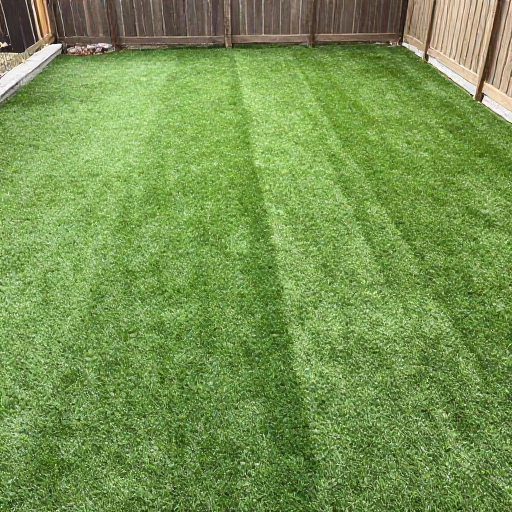
Real grass and dogs can be a messy combination. I learned this the hard way after watching my backyard turn into a mud pit every time it rained. Artificial turf has been a total game-changer for high-traffic dog zones.
Modern pet-friendly turf is designed to handle claws and heavy play. It drains quickly, so you won’t have puddles, and it never gets brown or patchy. You also say goodbye to digging holes in the middle of the lawn.
Cleaning is super simple—just pick up solid waste and rinse the area with a hose. A quick spray with a pet-safe enzyme cleaner keeps it smelling fresh. Your pup gets a soft, green space to run on all year long, and you get your weekends back.
Just make sure you choose a turf with a proper infill that keeps it cool in the summer and offers good cushioning for those zoomies.
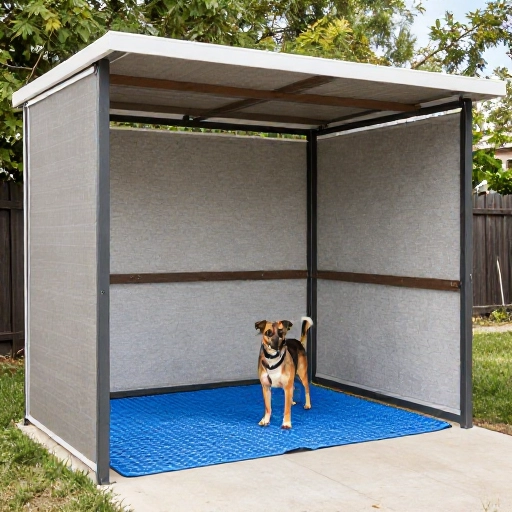
3. Create a Shaded Rest Station with a Cooling Mat
Dogs don’t always know when to stop playing. That’s why having a designated rest zone is crucial for their health, especially during the hot summer months. I set up a corner of my yard under a large tree with a comfy outdoor bed and a cooling mat.
This gives my dog a place to retreat to when he’s overheated or just tired. It also keeps him out of the direct sun. You can use a cantilever umbrella or a simple shade sail to create a cool spot if you don’t have natural tree coverage.
I like to add a small, shallow kiddie pool nearby for a quick cool-down dip. Just make sure the water is changed regularly to keep it clean. Having this designated “chill zone” helps your dog regulate their energy levels.
Make sure the bed you choose is made from durable, weatherproof fabric that can handle claws and the elements. It’s a small investment that makes a huge difference in your dog’s comfort.
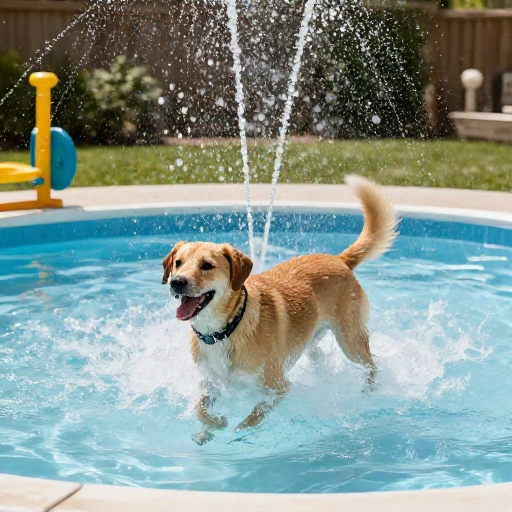
4. Install a Splash Pad or DIY Water Station
If your dog is a water lover like mine, a splash pad is the ultimate luxury. You don’t need an expensive inground system. I actually built mine for under $50 using a PVC pipe frame and a garden hose attachment.
The goal is to create a fun, wet zone that isn’t a muddy mess. A splash pad on a concrete or paver base gives your dog a safe place to run through water without destroying the grass. The look of pure joy on their face is worth the effort.
This is perfect for hot days when you want to keep your dog active but cool. It’s also a great way to wash off their paws before they head back inside. Just make sure you have a drainage point so the water doesn’t pool.
Look for a simple “doggie water fountain” attachment that connects to your hose and sprays water when they step on a sensor. It’s a fun, interactive toy that they’ll figure out in seconds.
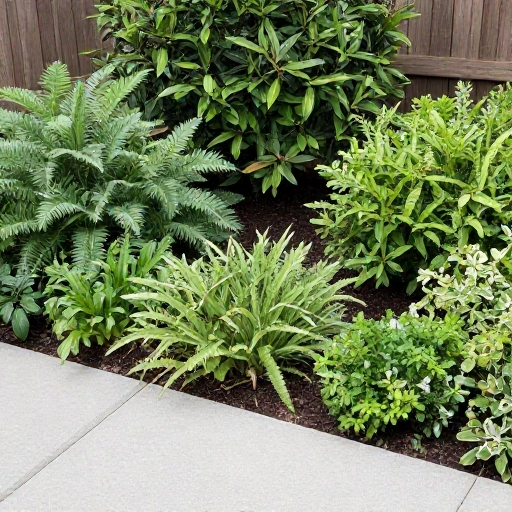
5. Use Durable, Non-Toxic Plants for the Border
Your dog’s safety is the top priority, and that includes what you plant. Many common garden plants are toxic to pets, so I swapped mine out for dog-safe options that are also tough enough to survive a few tail wags and roughhousing.
Look for sturdy ground covers like clover or creeping thyme instead of delicate flowers. These are resilient and can handle being trampled. They also smell great and are completely safe if your dog decides to take a nibble.
Avoid plants with thorns or sharp edges. Stick to soft, leafy greens that offer privacy without being a hazard. Marigolds and sunflowers are also non-toxic and add a pop of color to the space.
Always double-check with the ASPCA’s toxic plant list before adding anything new to your yard. A quick search can save you an expensive emergency vet visit.
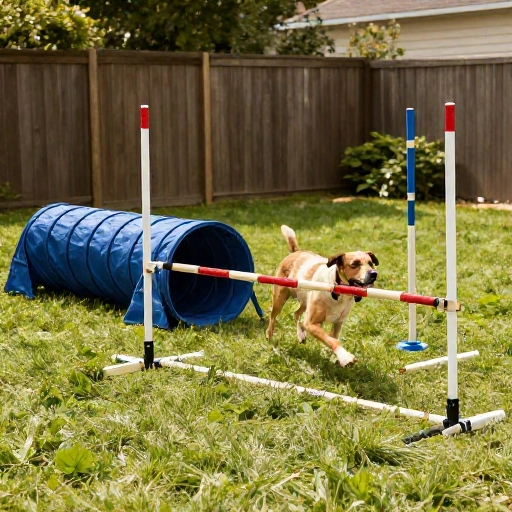
6. Design an Agility Course for Mental Stimulation
A tired dog is a happy dog, and tiring them out physically isn’t always enough. They need mental stimulation too. I built a small DIY agility course in my backyard using PVC pipes and wooden planks, and it completely changed our playtime.
You can start with simple hurdles made from PVC and a jump bar. Add a weave pole set (just a few poles stuck in the ground) and a low tunnel for them to run through. These activities burn energy and build confidence.
This doesn’t have to look professional. It just needs to be safe and sturdy. I love watching my dog problem-solve his way through the course. It’s a fantastic bonding experience that keeps his brain sharp.
Start with low heights and simple commands to teach them the ropes. Always supervise them during play to ensure they don’t get injured trying to show off.
7. Create a “Potty Path” with Pea Gravel
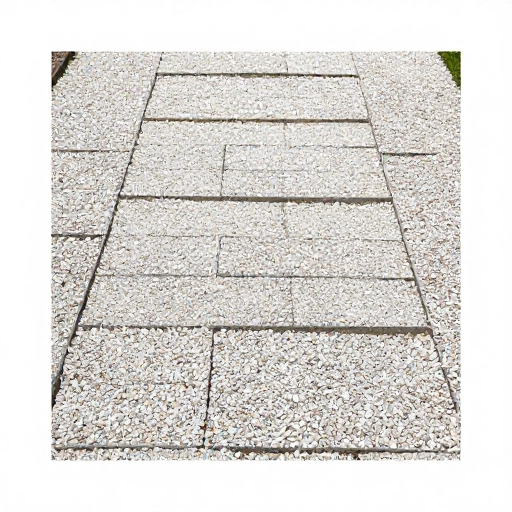
One of the biggest complaints I hear about dog yards is the dead, brown patches of grass where they pee. I solved this by creating a dedicated potty path using pea gravel. It’s a genius hack that saves your lawn and makes cleanup easier.
The gravel drains well and doesn’t hold odors like grass or dirt does. I laid down a weed barrier first, then added a thick layer of pea gravel. I trained my dog to walk the path and do his business there.
It looks neat and tidy, and it eliminates the “burn spots” on the lawn. You can even add a fire hydrant or a decorative rock to make the spot more inviting for them. It becomes a clear “zone” for them.
Cleaning is a breeze—just pick up solid waste and occasionally rinse the area with a hose to keep it fresh. It’s a practical solution that looks intentional and beautiful.
8. Install a Secure, High Fence with a Visual Barrier
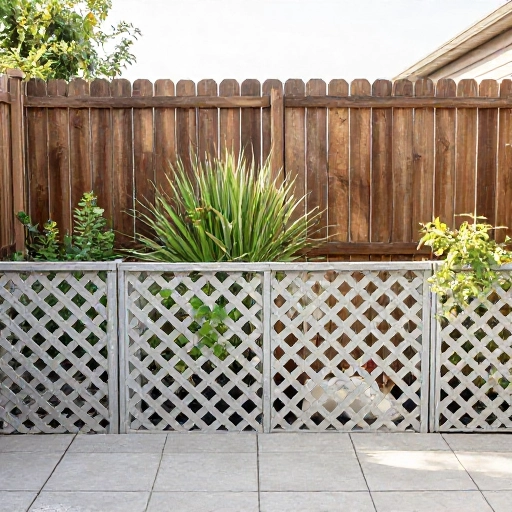
Safety is non-negotiable. A fence needs to be high enough to prevent jumping and deep enough to prevent digging under. I learned that just having a tall fence wasn’t enough; my dog needed a visual barrier to stop him from barking at the neighbors.
I installed a solid wood fence (or added privacy slats to a chain-link fence) to block his view. This drastically reduced his barking and anxiety. He feels more secure when he can’t see every dog walking by.
Check the bottom of your fence regularly for gaps or signs of digging. You can bury chicken wire at the base or use concrete pavers along the edge to reinforce it. This gives you peace of mind when you’re not watching.
Make sure the latch on the gate is dog-proof. I use a lock that requires a thumb press, so my clever pup can’t figure out how to escape.
9. Add a Raised Deck or Platform for Supervision
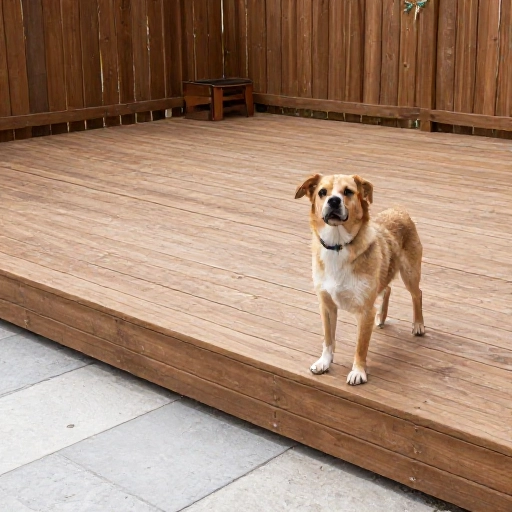
Dogs love to have a high vantage point. It makes them feel like they’re in charge. I added a small, raised wooden platform in the corner of the yard, and it’s become my dog’s favorite spot to survey his kingdom.
This is also great for you. It gives you a place to sit and watch them play, or for them to just relax in the sun. The raised deck keeps them off the damp grass and away from ants.
You can use a pre-built wooden pallet or build a simple frame with composite decking. Just make sure it’s sturdy and has a non-slip surface. Add an outdoor cushion on top for extra comfort.
It’s a multi-functional piece that adds visual interest to the landscape while giving your pup a comfy chill spot.
10. Build a DIY Doghouse or Shade Structure
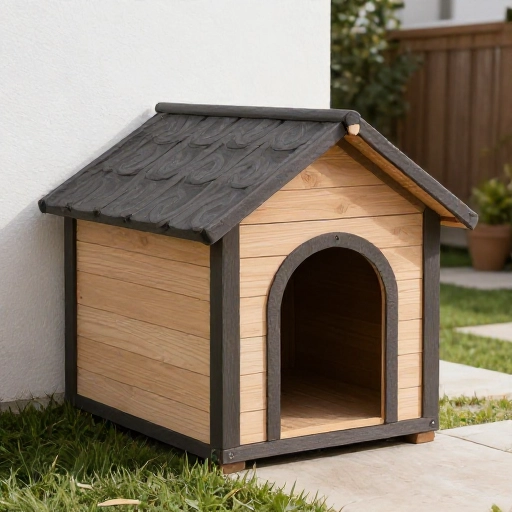
Even with a rest station, having a dedicated shelter is essential for those surprise rain showers or scorching afternoons. I built a simple, modern doghouse that matches my home’s aesthetic, so it doesn’t look like an eyesore.
You can build a basic A-frame or a flat-roof design using weatherproof wood. The key is to make sure it’s elevated off the ground to prevent moisture from seeping in. Add a flap over the entrance to keep out wind and rain.
Place it in a spot that gets shade in the afternoon. The inside should be spacious enough for them to stand up and turn around. Adding a soft bed inside makes it a cozy retreat.
This gives your dog a sense of ownership and safety. It’s their little castle in the yard.
Conclusion
Designing a backyard dog area is about balancing your dog’s natural instincts with your desire for a beautiful outdoor space. It doesn’t have to be complicated or expensive. Start with the basics—safety and shade—and then add the fun stuff like digging pits and splash pads.
Remember, your dog just wants to be with you. Whether they are splashing in the water or lounging on a cool mat, the best feature of your yard is the time you spend together in it. Start with one or two of these ideas and watch your backyard become the happiest place on the block.
Frequently Asked Questions
1. What is the best ground cover for a high-traffic dog area?
Artificial turf is the best choice for durability and cleanliness. If you prefer natural options, clover is more resilient than regular grass and handles dog urine better without burning.
2. How do I stop my dog from digging under the fence?
Bury chicken wire or a metal mesh along the bottom edge of the fence, curving it outward. You can also place large landscaping rocks or concrete pavers along the base to block the digging path.
3. Are there any plants that are safe and durable for dog yards?
Yes. Creeping thyme, clover, and marigolds are safe and tough. Always avoid toxic plants like lilies, azaleas, and sago palms. Check the ASPCA database to be sure.
4. How can I keep my dog cool during the summer without a pool?
Set up a shaded area with a cooling mat and a fan. You can also freeze a large bowl of water with toys inside and let them dig it out. A misting system attached to a hose is also great.
5. Is it okay to leave my dog outside in the backyard all day?
It depends on the weather and your dog’s temperament. Always ensure they have access to fresh water, shade, and shelter. It’s best to limit time outside to a few hours at a time to prevent boredom or anxiety.