15 Indoor Play Areas Dogs Can’t Resist
Rainy days, freezing mornings, or that scorching summer heat—sometimes the great outdoors just isn’t an option. But a bored dog is a recipe for chewed shoes and shredded pillows. I’ve been there, standing in my living room with a frantic pup, wondering how to burn off that wild energy without stepping outside.
The good news? You don’t need a mansion or a backyard to keep your dog happily tired. With a little creativity, you can turn any room in your home into the ultimate doggy playground. These aren’t just basic fetch ideas—these are full-on sensory experiences designed to tap into your dog’s natural instincts, from sniffing to digging to problem-solving. Let’s turn your home into the place your dog never wants to leave.
1. The Sniffing Carpet Maze
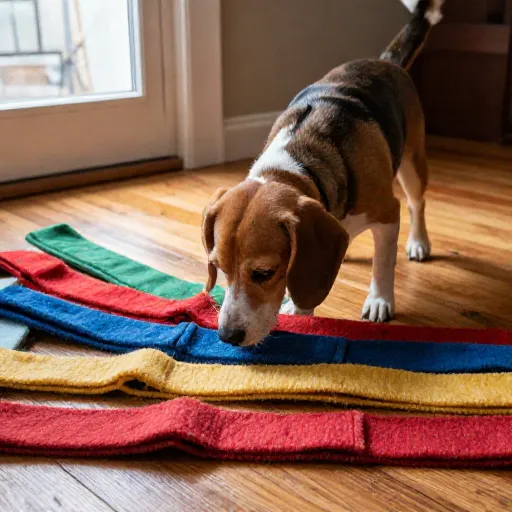
Dogs experience the world through their noses, and a sniffing maze is like a crossword puzzle for their brain. It’s shockingly simple to set up. All you need is a large, flat rug or towel and a handful of their favorite treats or kibble.
Scatter the treats across the rug, then scrunch and fold the fabric into small piles and tunnels. Your dog will have to use their nose to navigate the folds and dig out each tasty morsel. This activity is guaranteed to exhaust them mentally, which is often more tiring than a long run.
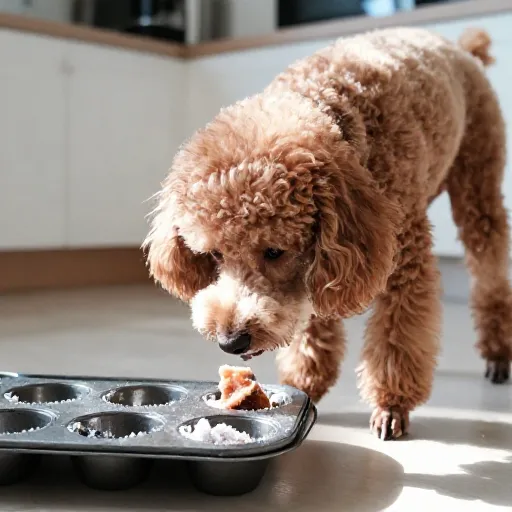
For an extra challenge, use a muffin tin. Place a treat in each cup, then cover them with tennis balls. Watching your pup figure out how to lift the balls with their nose or paw is pure entertainment.
2. The Indoor Digging Pit
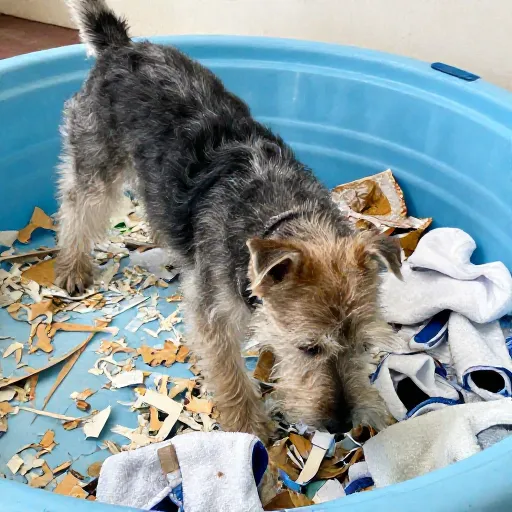
Does your dog turn your flower beds into craters? Instead of fighting the urge, give them a safe space to dig. Grab a shallow plastic kiddie pool or a sturdy cardboard box. Fill it with old t-shirts, fleece scraps, or shredded paper.
Hide a few treats or toys deep within the fabric. Your dog will get to satisfy that primal digging instinct without destroying your couch cushions. It’s a personal win—my own pup spent a solid twenty minutes buried up to her shoulders in this pit, and she slept like a baby afterward.
Just be sure to supervise the first few times to make sure they aren’t eating the fabric, and keep the box away from heat sources.
3. The Hallway Agility Course
You don’t need professional jumps to have a mini agility course. Use a broomstick laid across two low stacks of books for a jump. Use a hula hoop held upright for a “jump through” trick, or simply guide them to weave between the legs of dining room chairs.
Set up a sequence: weave through the chairs, jump over the broom, and finish with a “touch” on a sticky note placed on the wall. Use high-value treats to guide them through the course. This is a fantastic way to work on obedience and physical coordination at the same time.
Keep the sessions short and high-energy. The goal is fun, not precision. You’ll be amazed at how quickly they learn the routine.
4. The Cardboard Box Fort
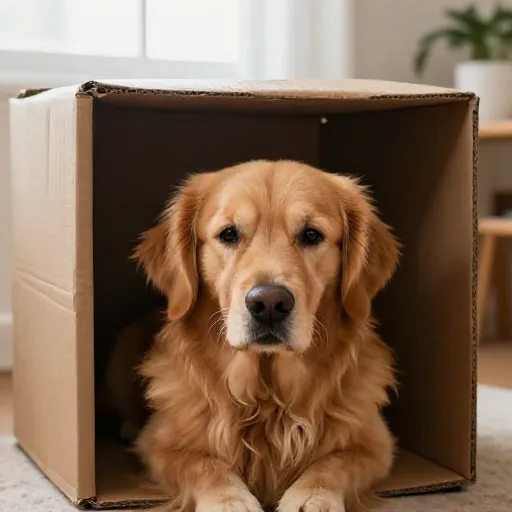
Before you crush that Amazon delivery box, think about giving it to your dog. Cardboard boxes are the ultimate cheap toy. They love the crinkle sound, the texture, and the challenge of destroying them.
Place a few treats inside a closed box with a small opening cut out. Your dog will have to figure out how to get inside. For smaller dogs, create a maze by taping several boxes together with holes cut between them.
This is a messy activity, so line the floor with an old sheet. But the joy on their face when they “catch” the box is absolutely worth the cleanup.
5. The Staircase Fetch
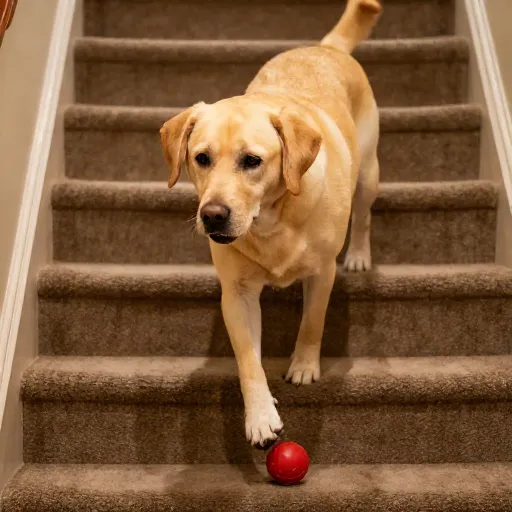
If you have stairs, you have a built-in cardio machine for your dog. This is a simple twist on classic fetch. Instead of throwing the ball across the floor, toss it up to the top of the landing or down to the bottom.
The incline forces your dog to use different muscle groups, building strength and burning energy twice as fast as flat-ground fetch. It’s a lifesaver for high-energy breeds like Border Collies or Labradors stuck indoors.
Just make sure the stairs aren’t slippery. If they are, throw the toy from the bottom to a middle step so they don’t have to slide down too fast. Ten minutes of this is a solid workout.
6. The Frozen Treat Hunt
Turn snack time into a scavenger hunt. Take a few of their favorite treats or pieces of kibble, and hide them around the house. But here’s the twist—put the treats in an ice cube tray with water and freeze them overnight.
Once frozen, pop a few cubes into a bowl or scatter them on a towel. Your dog will have to lick and chew the ice to get to the goodies inside. This is a wonderful activity for teething puppies or for dogs that need to slow down their eating.
The licking action also releases calming endorphins, making this the perfect pre-nap activity. It’s refreshing, engaging, and totally quiet.
7. The “Find It” Indoor Scent Game
This game requires zero equipment and a ton of brain power. Start by asking your dog to “sit” and “stay.” While they wait, walk around the room and hide a few high-value treats in obvious places like under a chair leg or behind a curtain.
Release them with the command “Find it!” and watch their nose go to work. As they get better, start hiding treats in more difficult spots—inside a shoe, under a pillow, or in a folded blanket.
This is my go-to game when I’m busy cooking dinner. It keeps them occupied, reinforces the “stay” command, and let them use their natural tracking abilities. Start easy to build their confidence, then ramp up the difficulty.
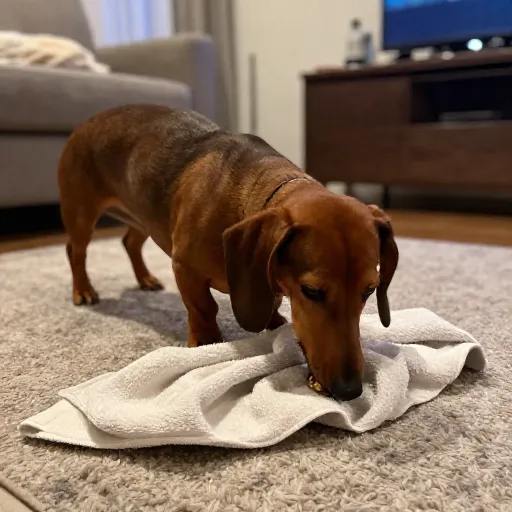
8. The Towel Tug-of-War
Sometimes you just need a good old-fashioned wrestling match. Take a large, old bath towel and tie a few knots in it. Make sure the knots are spaced out so they have a good grip.
Engage them in a gentle game of tug. This is a fantastic way to burn off steam and also provides great jaw exercise. It’s also a bonding activity that builds trust between you and your dog.
Remember to teach a solid “drop it” command. This ensures the game stays fun and controlled, and it prevents any resource guarding issues down the line.
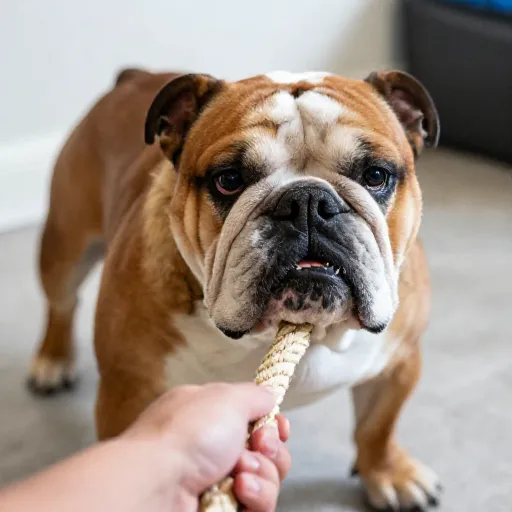
9. The Bubble Chase
Did you know they make bubble solution specifically for dogs? It’s usually flavored with peanut butter or bacon. If you have a high-energy dog that loves to jump, this is the activity for you.
Blow the bubbles in a safe, open area of the living room. Your dog will leap, snap, and pounce as they try to catch the floating orbs. It’s a hilarious sight and a great cardio workout.
If you don’t have dog-safe bubbles, you can use regular bubbles, but be careful—the soap can upset their stomach if they eat too many. Always supervise and keep the sessions short.
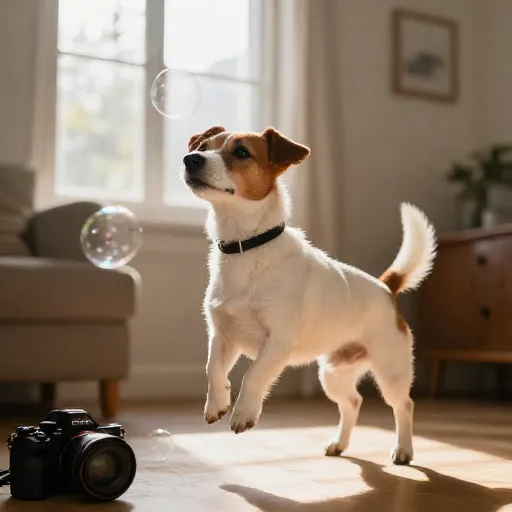
10. The Kitchen Obstacle Course
Use chairs, a small step stool, and a plastic cone to create a mini obstacle course in the kitchen. Guide your dog to jump onto the step stool, weave around the chairs, and run through the cone.
You can use a target stick or just a treat in your hand to guide them. This is more about mental focus than physical exhaustion. It teaches them to pay attention to your body language and cues.
Start with one obstacle at a time, and string them together as they understand the flow. The kitchen floor is usually easy to clean up, which is a bonus.
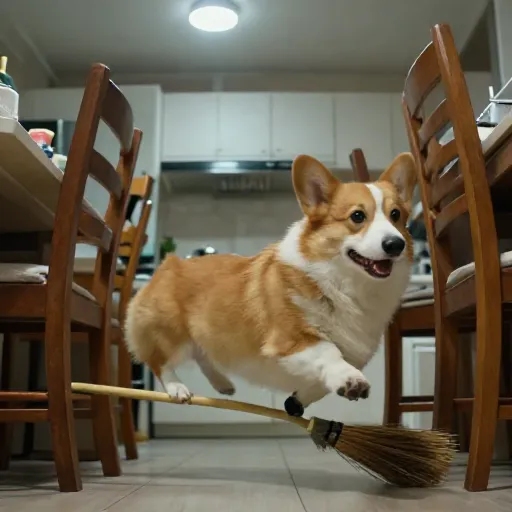
11. The Sock Ball Toss
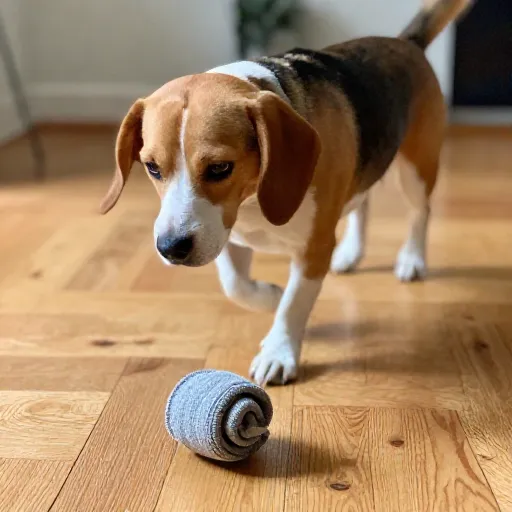
Don’t throw away that lonely sock without a partner! Ball up a pair of socks and secure them with a rubber band. This creates a soft, bouncy ball that is safe for indoor play.
It’s lighter than a tennis ball, so it bounces unpredictably, which makes the chase even more exciting for your dog. You can play a gentle game of fetch down a hallway or in the living room.
The best part? If it hits a lamp or a vase, it’s unlikely to cause damage because it’s so soft. It’s a zero-cost toy that provides endless fun.
12. The Puzzle Feeder Challenge
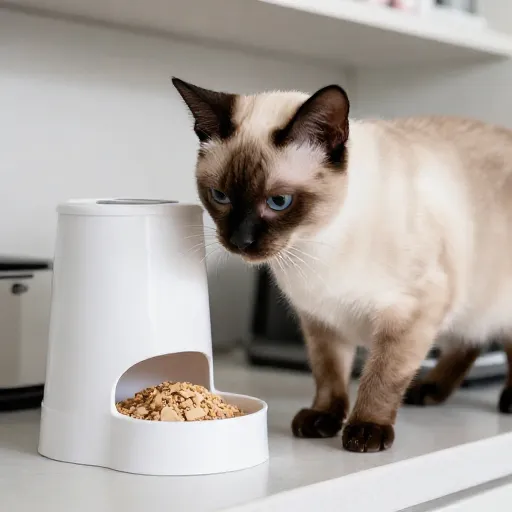
If you don’t want to DIY, invest in a few interactive puzzle feeders. These are plastic or wooden toys where your dog has to slide, lift, or spin pieces to reveal treats hidden underneath.
They come in varying difficulty levels, so you can start with a simple one and work your way up. These are fantastic for slowing down fast eaters and providing mental stimulation.
I like to rotate the puzzles so my dog doesn’t get bored. It’s a great way to keep their brain sharp, especially on days when we can’t get outside.
13. The “Go To Your Mat” Trick
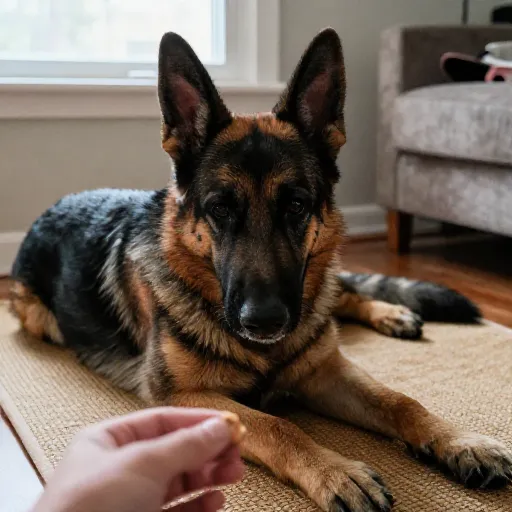
This isn’t just a trick; it’s a settling exercise. Teach your dog to go to a specific mat or dog bed on command. Start by tossing a treat on the mat and saying “Go to your mat.”
Once they understand the concept, start increasing the duration they have to stay there. This is a fantastic way to teach impulse control. It’s the indoor equivalent of “calm down” time.
It’s super useful when you have guests over or when you’re eating dinner. It gives them a job to do, and they feel proud of themselves for doing it.
14. The Hide-and-Seek Game
This classic kids’ game is a hit with dogs. Have someone hold your dog or put them in a “stay.” Then, go hide in another room or behind a door.
Call out their name or say “Find me!” in a happy, excited voice. They will come bounding in to find you. When they do, reward them with a treat and lots of praise.
This game reinforces the “come” command and is a brilliant way to exercise their brain. It’s also just really adorable to watch them get so excited to find you.
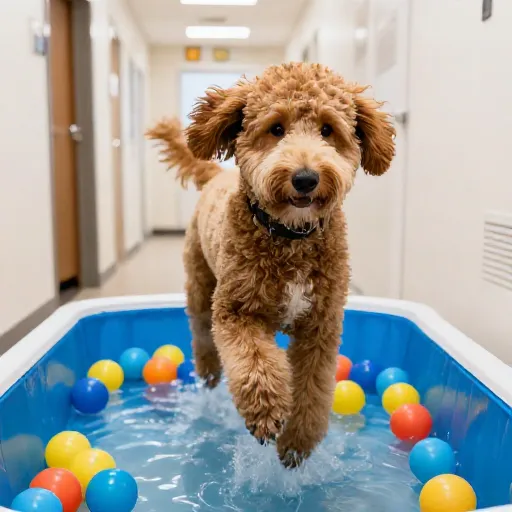
15. The Hallway Ball Pit
This is the grand finale of indoor fun. If you have a small plastic pool or a large storage bin, fill it with plastic ball pit balls (the kind you find in toddler play areas).
Toss a few treats or squeaky toys into the bin. Your dog will love digging through the balls to find the hidden treasure. It’s a sensory explosion that taps into their prey drive.
This is a fantastic option for small dogs or puppies, but bigger dogs love it too if the bin is big enough. It’s a bit of a cluttered look, but the pure joy it brings is worth it.
Conclusion
Keeping your dog entertained indoors doesn’t have to be a chore. It just takes a little creativity and a shift in perspective. Every room in your house has the potential to become a playground, a puzzle, or a sniffing adventure.
Remember, a tired dog is a happy dog. By rotating these activities, you’ll keep things fresh and exciting for your furry friend, and you’ll save your furniture from the wrath of boredom. So next time the weather is awful, don’t stress—just pick an idea from this list and get playing!
FAQ
How long should these indoor play sessions last?
It depends on your dog’s age and breed. For puppies, keep it to 5–10 minutes at a time to avoid overstimulation. For adult dogs, 15–20 minutes of focused play is usually enough to make a dent in their energy levels. Watch your dog for signs of fatigue and always let them take breaks.
What if my dog isn’t interested in puzzle toys?
Start with the easiest level and use super high-value treats like cheese, hot dogs, or freeze-dried liver. Sometimes you have to show them how the puzzle works by moving the pieces yourself. Patience is key—don’t give up on the first try.
Are these activities safe for puppies?
Yes, but with supervision. Avoid small parts that can be swallowed. For puppies, focus on softer toys and gentler games like the towel tug or the sniffing mat. Always monitor them to ensure they don’t ingest any non-food items.
How can I stop my dog from getting bored of these games?
Variety is the spice of life! Don’t do the same activity two days in a row. Rotate the toys and games you use. Also, try to end the game on a high note while they are still engaged, rather than waiting for them to lose interest.
Can I use these games to help with my dog’s separation anxiety?
Yes, many of these can help. Give your dog a frozen treat hunt or a puzzle feeder right before you leave. This gives them a positive association with you leaving and keeps them occupied while you’re gone. Always start with short departures to build their confidence.