15 Must-Have Plants for Cat-Friendly Homes
Bringing greenery into your home is one of my favorite ways to make a space feel cozy and alive. But if you share your home with a curious feline, you know that not every plant is a good idea. I learned this the hard way when my cat, Mochi, decided to take a nibble out of my prized fiddle leaf fig—let’s just say the vet bill was not worth the aesthetic.
The good news? There are plenty of gorgeous, safe, and even beneficial plants that your cat can sniff, chew, and nap around without any worry. Whether you’re a seasoned plant parent or just starting your indoor jungle, this list has something for every light condition and skill level. Let’s fill your home with green, cat-safe vibes!
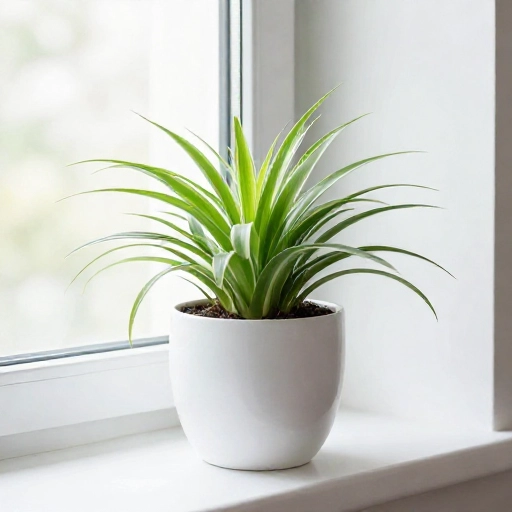
1. Spider Plant (Chlorophytum comosum)
Spider plants are the ultimate beginner-friendly houseplant. They have long, arching leaves with a fun variegated pattern that adds instant texture to any shelf or hanging basket. They’re also incredibly forgiving if you forget to water them now and then.
The best part? Cats are often drawn to their long, grassy leaves—it’s like a toy and a snack rolled into one. While it’s not toxic, it can cause a mild upset stomach if your cat goes overboard, so keep an eye on the munching.
These plants produce little baby “spiderettes” that you can easily propagate and share with friends. They thrive in bright, indirect light but will tolerate lower light spots too.
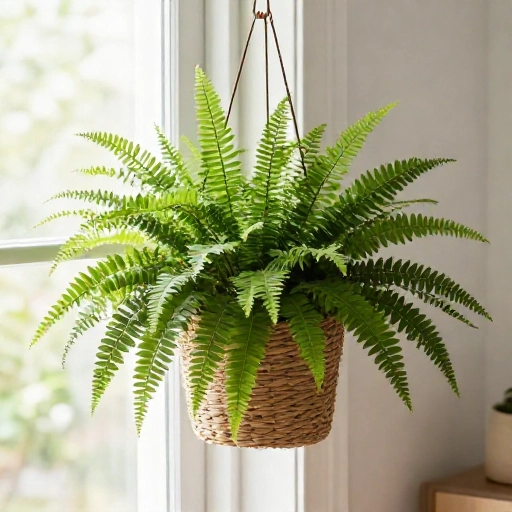
2. Boston Fern (Nephrolepis exaltata)
If you want a plant that feels lush and full, a Boston fern is your go-to. Its feathery fronds create a soft, cloud-like appearance that instantly softens any room. I love placing mine on a pedestal or in a hanging planter to show off its cascading shape.
Ferns love humidity, making them perfect for bathrooms or kitchens. They prefer consistently moist soil, so a regular watering schedule is key. Your cat will love batting at the delicate fronds as they sway.
Just give it bright, indirect light and mist it occasionally to keep those fronds looking their best. It’s a bit more high-maintenance, but the payoff is totally worth it.
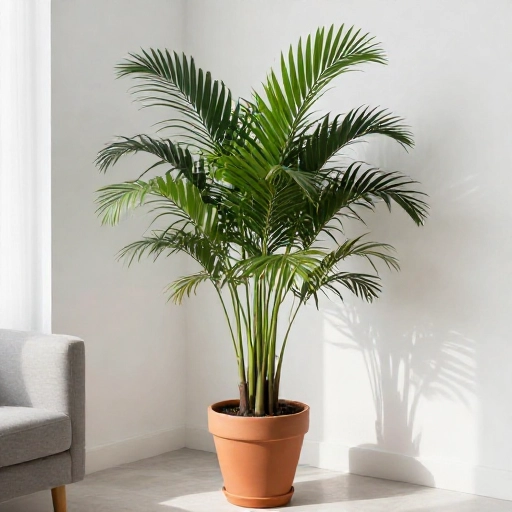
3. Areca Palm (Dypsis lutescens)
Areca palms are like a mini tropical vacation right in your living room. Their tall, feathery fronds add height and a relaxed, resort-like vibe to any corner. They’re also one of the best air-purifying plants you can own.
These palms are completely safe for cats, so if your kitty likes to rub against foliage or take a cheeky bite, there’s no harm done. They do best in bright, indirect light and like their soil to dry out slightly between waterings.
For a fuller look, you can group a few stems together in one pot. It’s a statement piece that grows slowly, so you won’t have to repot it constantly.
4. Calathea (Calathea spp.)
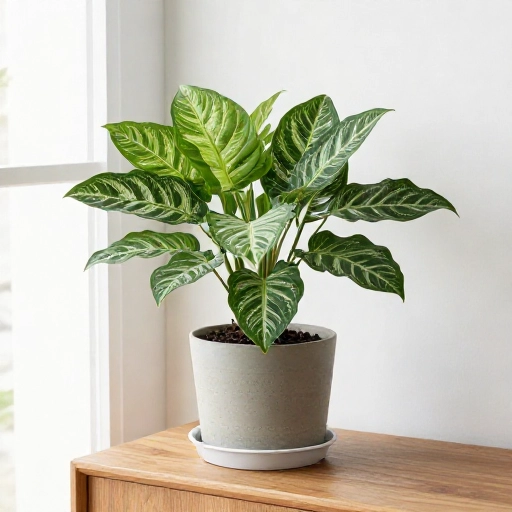
Calatheas are the divas of the plant world, but their stunning foliage makes them worth the extra attention. With intricate patterns in shades of green, purple, and even pink, they look like living art. My Calathea orbifolia is the first thing guests notice.
These plants are 100% non-toxic to cats, which is a huge relief because their large, paddle-like leaves are tempting for any curious paw. They prefer low to medium indirect light and high humidity, so a pebble tray or humidifier helps them thrive.
Just be prepared for some drama—they’ll let you know if they’re thirsty by drooping their leaves. But honestly, that makes them easier to read than most plants!
5. Ponytail Palm (Beaucarnea recurvata)
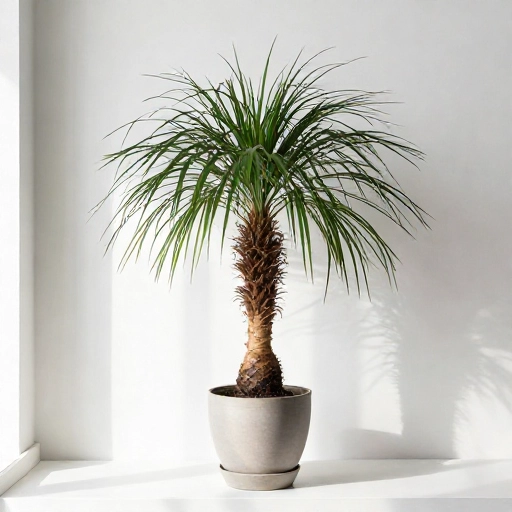
Don’t let the name fool you—this isn’t a true palm, but it’s just as charming. The ponytail palm has a quirky, bulbous trunk with long, curly leaves that spill out like a fountain. It’s a conversation starter for sure.
This plant is super low-maintenance and drought-tolerant, making it perfect for forgetful plant parents. It thrives in bright light and doesn’t mind being a little root-bound. Your cat will likely ignore it, but if they do take a nibble, it’s totally safe.
The unique silhouette adds a modern, sculptural touch to any room. Plus, it grows very slowly, so you won’t have to worry about it taking over your space.
6. Cat Grass (Dactylis glomerata)
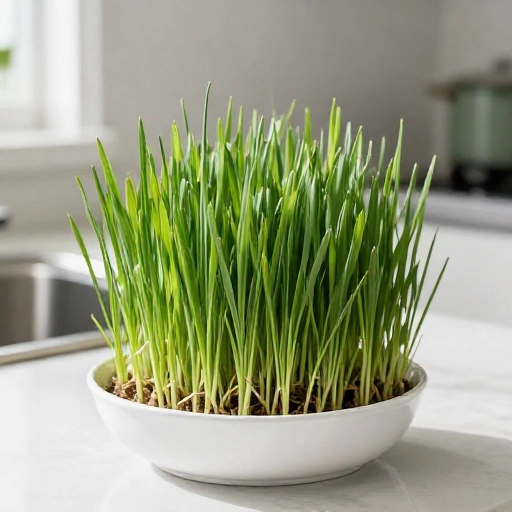
Okay, this one is a cheat code. Cat grass isn’t just safe—it’s actively good for your cat! It’s usually a mix of wheat, barley, or oat grass that you can grow indoors. Cats love to chew on it, and it helps with digestion and hairball control.
Growing cat grass is incredibly easy. You just sprinkle the seeds on soil, keep them moist, and within a week or two you have a fresh patch of green. I keep a small pot on my kitchen counter, and my cat Mochi goes straight for it every morning.
The best part? It’s an inexpensive way to satisfy your cat’s grazing instincts, which means they’ll be less likely to snack on your other plants. It’s a win-win!
7. Haworthia (Haworthia spp.)
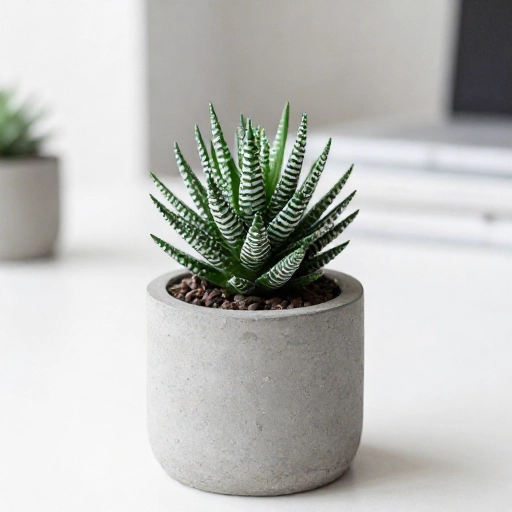
If you love the look of succulents but worry about toxic varieties like aloe or jade, Haworthia is your answer. These small, spiky succulents are completely safe for cats and come in a variety of cool shapes and patterns. They look like little alien rosettes.
They’re perfect for desks, windowsills, or small shelves where you need a pop of green without taking up much space. They need bright light and very little water—just let the soil dry out completely between soakings.
Their thick, textured leaves are fun for cats to paw at, but they’re tough enough to withstand a little roughhousing. Plus, they’re nearly impossible to kill, which makes them great for beginners.
8. Bamboo Palm (Chamaedorea seifrizii)
Bamboo palms are similar to areca palms but with a more delicate, bamboo-like stalk. They’re excellent for adding a touch of the tropics to darker corners of your home, as they tolerate lower light better than most palms.
This plant is a natural air purifier and is totally safe for your feline friend. Cats love to hide behind the dense foliage, so it doubles as a fun jungle gym for them. Just keep the soil slightly moist and give it indirect light.
It’s a slower grower, so you can enjoy it for years without worrying about repotting. It’s a classic choice for a reason.
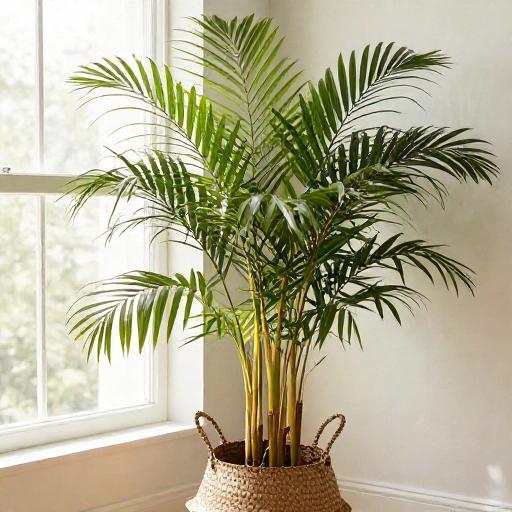
9. Peperomia (Peperomia spp.)
Peperomias are a huge family of plants with an amazing variety of leaf shapes, colors, and textures. From the watermelon peperomia with its striped leaves to the ripple peperomia with its crinkled texture, there’s one for every taste.
They’re compact, making them ideal for tabletops and shelves. They prefer medium to bright indirect light and like to dry out a bit between waterings. And yes, they’re completely non-toxic to cats.
My favorite thing about peperomias is how forgiving they are. They don’t need much attention, and they’re pretty resilient if you forget to water them occasionally. Perfect for busy homes.
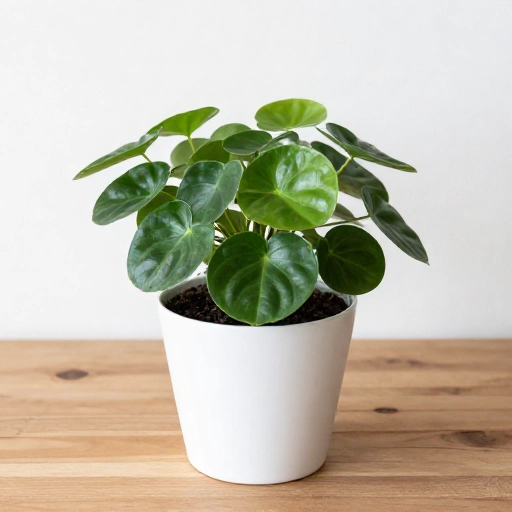
10. African Violet (Saintpaulia spp.)
If you want a pop of color in your cat-friendly home, African violets are the way to go. These adorable plants bloom in shades of purple, pink, and white, adding a cheerful touch to any room. They’re compact and perfect for windowsills.
They’re safe for cats, though the fuzzy leaves might be tempting to sniff. They prefer bright, indirect light and like to be watered from the bottom to avoid getting their leaves wet. Keep the soil consistently moist but not soggy.
With the right care, they can bloom almost year-round, giving you a constant dose of color. They’re a little old-fashioned, but I think they’re making a major comeback.
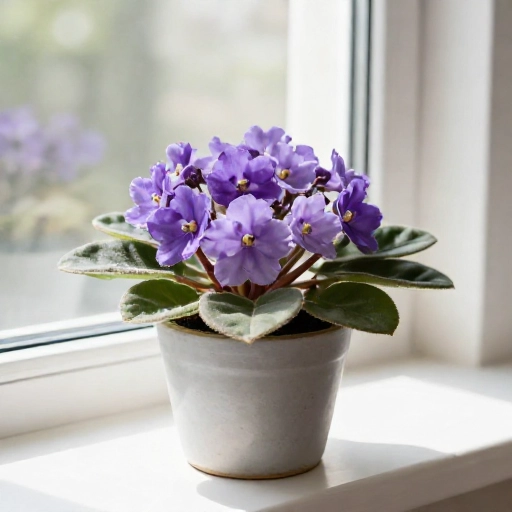
11. Bromeliads (Bromeliaceae family)
Bromeliads are showstoppers with their bold, rosette-shaped leaves and vibrant, long-lasting blooms. They come in a rainbow of colors, from fiery red to soft pink and sunny yellow. They’re like a piece of tropical art.
These plants are safe for cats, and their interesting structure can keep a curious kitty entertained for hours. They’re epiphytes, meaning they can grow on bark or in a well-draining potting mix. They love bright, indirect light.
One of the coolest things about bromeliads is that they hold water in their central cup. Just make sure to flush it out regularly to prevent stagnation. They’re a bit unique, but totally worth it.
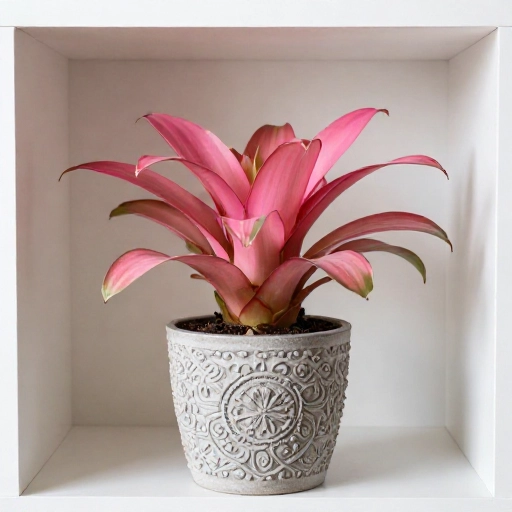
12. Cast Iron Plant (Aspidistra elatior)
If you have a black thumb, the cast iron plant is your best friend. This plant earned its name because it’s virtually indestructible. It tolerates low light, drought, and neglect like a champion. It’s the ultimate survivor.
It has tall, dark green leaves that add a classic, elegant touch to any space. It’s completely safe for cats, and they usually leave it alone because the leaves are a bit stiff and tough. It’s a great choice for dim rooms or offices.
It grows slowly, so you won’t need to repot it often. Just water it when the soil is dry and give it some occasional dusting to keep the leaves shiny.
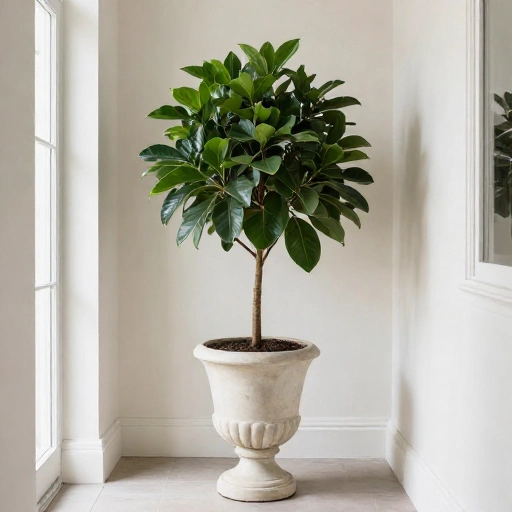
13. Polka Dot Plant (Hypoestes phyllostachya)
For a splash of color and whimsy, the polka dot plant is a must-have. Its leaves are speckled with pink, red, or white dots, making it look like a piece of confetti. It’s a fun and playful addition to any shelf or terrarium.
This plant is safe for cats, and its bright colors might even catch their eye. It prefers bright, indirect light to keep its colors vibrant, and it likes consistently moist soil. It can get a bit leggy, so pinching back the stems helps it stay bushy.
It’s a fast grower, so you can enjoy it for a season and easily take cuttings to propagate new plants. It’s a cheerful little plant that always makes me smile.
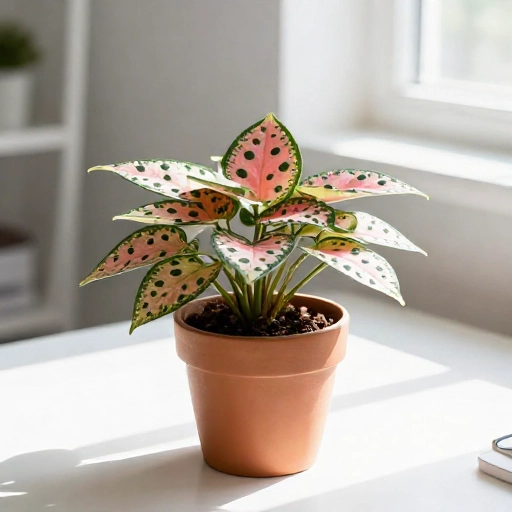
14. Prayer Plant (Maranta leuconeura)
Prayer plants are famous for their unique daily movement. Their leaves fold up at night like hands in prayer, then open again in the morning. It’s a fascinating plant to watch, and it adds a dynamic element to your home.
The leaves are beautifully patterned with deep green, red veins, and sometimes purple undersides. They’re safe for cats and thrive in medium to bright indirect light. They love humidity, so a bathroom or kitchen is ideal.
They can be a bit dramatic when they need water, perking up quickly after a drink. But that just makes them more interactive, which I love.
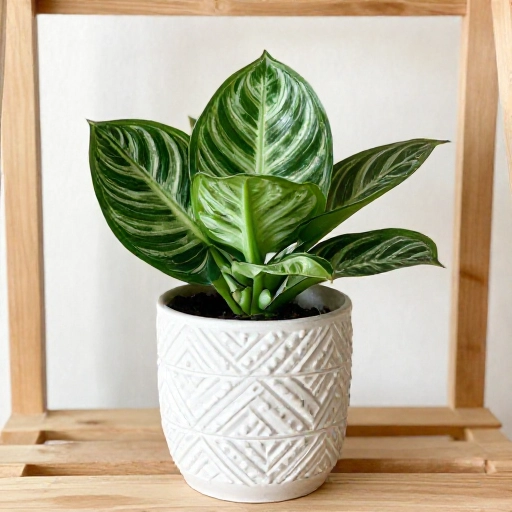
15. Lipstick Plant (Aeschynanthus radicans)
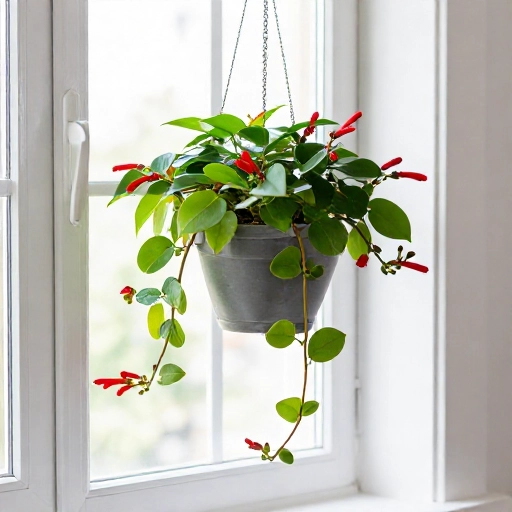
Last but not least, the lipstick plant is a trailing beauty that’s perfect for hanging baskets. Its dark green leaves are accompanied by bright red, tubular flowers that resemble—you guessed it—lipstick tubes. It’s a fun and colorful addition to any room.
This plant is safe for cats and enjoys bright, indirect light. It likes to dry out slightly between waterings, and it blooms best when it’s slightly root-bound. The trailing vines are fun for cats to watch, but they’re not harmful if nibbled.
It’s a bit of a conversation starter, and the pop of red flowers is a lovely surprise when they bloom. It’s a great way to add some vertical interest to your plant collection.
Conclusion: Create Your Cat-Friendly Jungle
Creating a home that’s both green and cat-safe is totally doable—and honestly, it’s so rewarding. You don’t have to sacrifice style or your love of plants just because you share your space with a furry friend. With the right choices, you can build a lush, vibrant indoor garden that both you and your cat will enjoy.
Remember, every cat is different. Some will ignore plants completely, while others will treat them like a salad bar. Always observe your cat’s behavior and provide them with their own cat grass to satisfy those grazing instincts. A happy cat and a thriving plant collection are absolutely possible!
Frequently Asked Questions
What should I do if my cat eats a plant?
If you know the plant is non-toxic (like the ones on this list), just watch your cat for any signs of mild stomach upset, like vomiting or diarrhea. If you’re unsure what the plant is, or if your cat is showing severe symptoms, contact your vet immediately. It’s always better to be safe.
How can I stop my cat from digging in my plant pots?
Try covering the soil with decorative pebbles, river stones, or even pine cones. Cats don’t like the texture on their paws. You can also try placing citrus peels on the soil, as most cats dislike the smell of citrus.
Are all succulents safe for cats?
No, not all succulents are safe. Some popular ones like jade plants, aloe vera, and snake plants are toxic to cats. Stick to safe options like Haworthia, Echeveria, and Burro’s Tail if you want to keep succulents in your home.
Is it true that cat grass is the same as catnip?
No, they are totally different! Catnip is a member of the mint family and causes a euphoric reaction in some cats. Cat grass is just young wheat, barley, or oat grass that provides fiber and helps with digestion. It doesn’t have a behavioral effect.
Can I keep a plant and a cat in a small apartment?
Absolutely! Just choose compact plants like peperomias, African violets, or Haworthias. You can also use wall-mounted planters or hanging baskets to keep plants out of your cat’s reach while still enjoying the greenery.